Cut Solar Costs: Warranties vs. DIY Maintenance in 2026
Homeowners who install solar panels in 2026 seek to maximize energy savings while minimizing upkeep expenses. The choice between professional warranty programs and hands-on DIY maintenance shapes the system's long-term value. This comparison examines costs, responsibilities, and strategies to help you select the option that safeguards your investment without unnecessary financial strain.
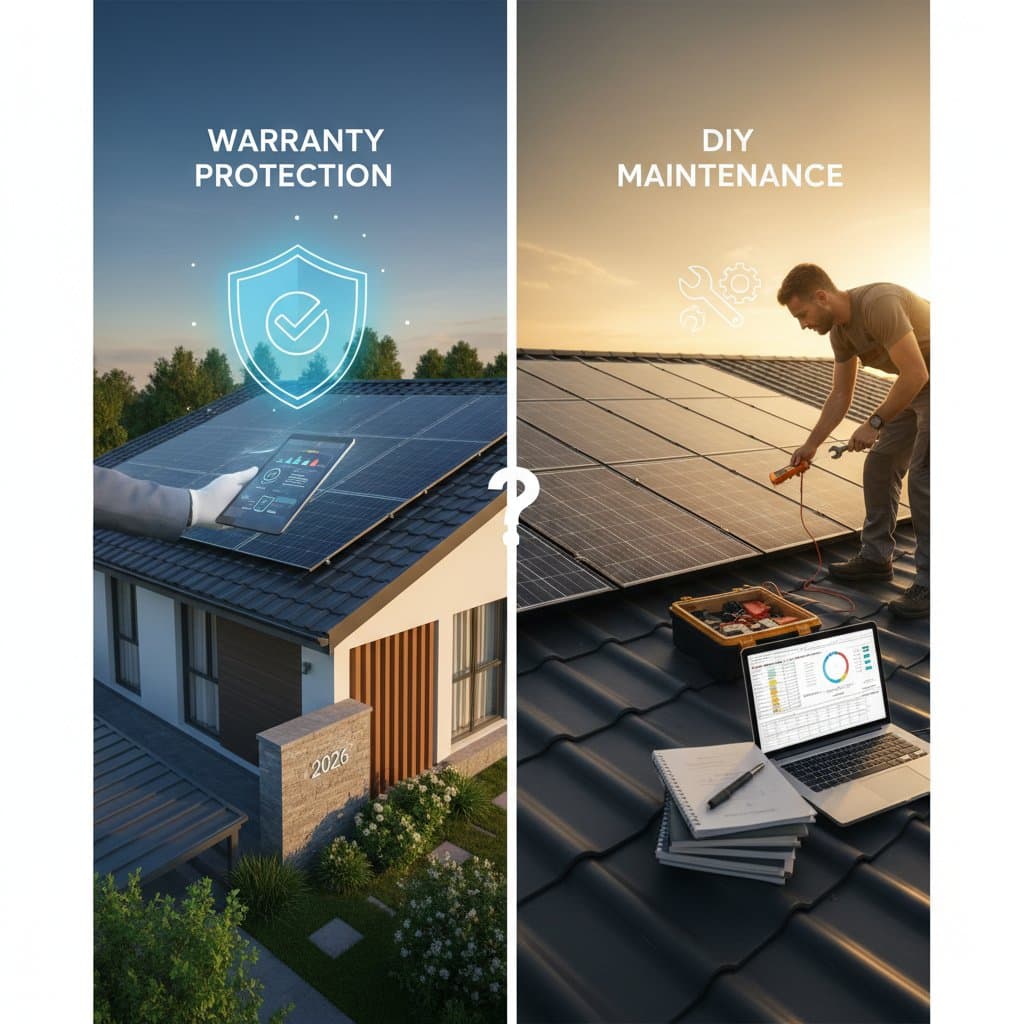
Defining Warranty and DIY Approaches
A solar warranty represents a contractual commitment from the manufacturer or installer to address defects in materials, workmanship, and output performance. These agreements often span 10 to 25 years and may guarantee at least 80 percent of initial energy production after a decade. However, coverage typically excludes routine wear or external factors like weather events.
DIY maintenance involves homeowners performing tasks such as panel cleaning, visual inspections, and basic troubleshooting. This method grants full control over timing and methods but requires knowledge of safety protocols to avoid hazards like electrical shocks or roof falls. The core difference lies in shared versus personal accountability: warranties shift liability to providers, while DIY demands proactive vigilance from the owner.
Breaking Down Cost Structures
Warranty programs integrate costs into the initial installation or as standalone plans. Expect annual fees between $250 and $600, plus per-visit charges of $75 to $150. Reimbursement caps often limit payouts to $500 through $1,000 per claim, meaning homeowners cover any overruns from major repairs.
In comparison, DIY expenses focus on tools and materials. Annual outlays for soft brushes, deionized water kits, and safety harnesses range from $50 to $200. These figures remain low unless significant issues arise, such as an inverter failure costing over $1,200 or a single panel replacement at $300 or higher. Budgeting for potential emergencies proves essential in this approach.
Navigating the Warranty Claims Process
Claiming under a warranty follows a defined sequence to verify eligibility and execute fixes. Start by notifying the provider of any underperformance or damage via phone or online portal. Next, expect an assessment where a technician inspects the site or analyzes inverter logs remotely.
Approval hinges on whether the issue falls within covered terms; denials commonly stem from improper installation, natural disasters, or skipped upkeep. Once approved, repairs occur on-site, with timelines varying from days to weeks based on parts availability. Homeowners should retain records of all interactions to support ongoing claims and maintain coverage validity.
DIY processes offer immediacy, allowing owners to address issues like dust accumulation right away with a garden hose and mild soap solution. This agility suits minor problems but underscores the need for annual professional audits to catch hidden faults early.
Identifying Common Coverage Exclusions
Solar warranties include specific exclusions that can surprise owners. For example, damage from aggressive cleaning methods or non-standard equipment voids claims. Losses in efficiency due to tree shading, persistent dirt, or structural roof changes also fall outside protection.
Performance guarantees, which assure output levels, often mandate certified maintenance logs every six months. Electrical surges from grid fluctuations or animal damage similarly receive no coverage under standard plans. Review these details during purchase to align expectations with policy realities.
Assessing Long-Term Financial Impact
Over a solar system's 25-year life, warranty expenses might total $3,000 to $5,000 in fees and deductibles. This investment yields stability, shielding against unpredictable repair bills that could reach thousands for system-wide components.
DIY strategies potentially halve those costs if reliability holds, but unexpected breakdowns alter the equation. Calculate break-even scenarios by estimating repair probabilities; for instance, if your area experiences frequent storms, warranty coverage offsets risks more effectively. High-value setups with microinverters or batteries benefit most from professional safeguards.
Decision Framework: Warranty vs. DIY
Use this table to weigh factors based on your circumstances:
| Factor | Warranty Coverage | DIY Maintenance |
|---|---|---|
| Initial Investment | Moderate to high (bundled or separate fees) | Low (basic tools only) |
| Recurring Costs | Fixed annual premiums and claim deductibles | Variable supplies, spikes on repairs |
| Risk Level | Confined to exclusions and caps | Complete exposure to all failures |
| Flexibility | Limited to provider schedules | Full autonomy in timing and techniques |
| Recordkeeping | Mandatory forms and service proofs | Self-documented for compliance or sales |
Safeguarding Your Solar System
Regardless of your choice, meticulous documentation fortifies your position. Log every maintenance session with timestamps, photographs, and descriptions of actions taken. For warranties, adhere to recommended schedules to prevent invalidation; for DIY, consult local building codes to ensure methods meet safety standards.
When evaluating providers, prioritize those with strong reputations for quick resolutions and generous parts policies. If opting for DIY, establish a contingency fund covering at least one major component replacement. Regular monitoring via apps connected to your inverter helps detect issues before they escalate.
Strategies for Optimal Savings
Effective solar management in 2026 extends beyond initial decisions to ongoing habits that enhance efficiency. Integrate either approach with energy audits to identify savings opportunities, such as optimizing panel angles for seasonal sun paths. By aligning maintenance with your lifestyle and local conditions, you secure sustained returns on your solar investment.