Solar Panel Removal Costs by Roofers in 2026: Pricing Guide and Planning Tips
Project Overview
National average cost: $2,000 to $4,500
Typical range: $1,500 to $6,000
Low end and high end: $800 for compact residential setups, up to $8,000 for expansive or intricate commercial arrays
Time to complete: One to two days for disassembly, plus an additional day for potential reinstallation
DIY or Pro: Professionals required due to hazards involving high-voltage electricity and elevated roofing surfaces
ROI or resale impact: Minimal disruption to return on investment when panels reinstall without damage; risks arise from improper handling of conduits or fixtures
Updated: March 2026
Homeowners and property managers often need to remove solar panels prior to undertaking roof replacements or extensive repairs. Although the task may appear straightforward, it requires careful electrical isolation, implementation of fall protection protocols, and meticulous documentation of connections to facilitate seamless future reassembly. Understanding the pricing structure from roofers and solar technicians enables informed budgeting, ensuring the preservation of your sustainable energy setup amid necessary structural updates.
Key Cost Influences
Multiple elements determine the final expense of solar panel removal. These factors vary by project specifics and location, influencing both labor demands and material handling.
- System scale and panel quantity. Larger installations demand extended workforce engagement. For instance, a modest 10-panel residential array may incur $1,500 in fees, whereas a 30-panel configuration could exceed $5,000 due to increased disassembly time.
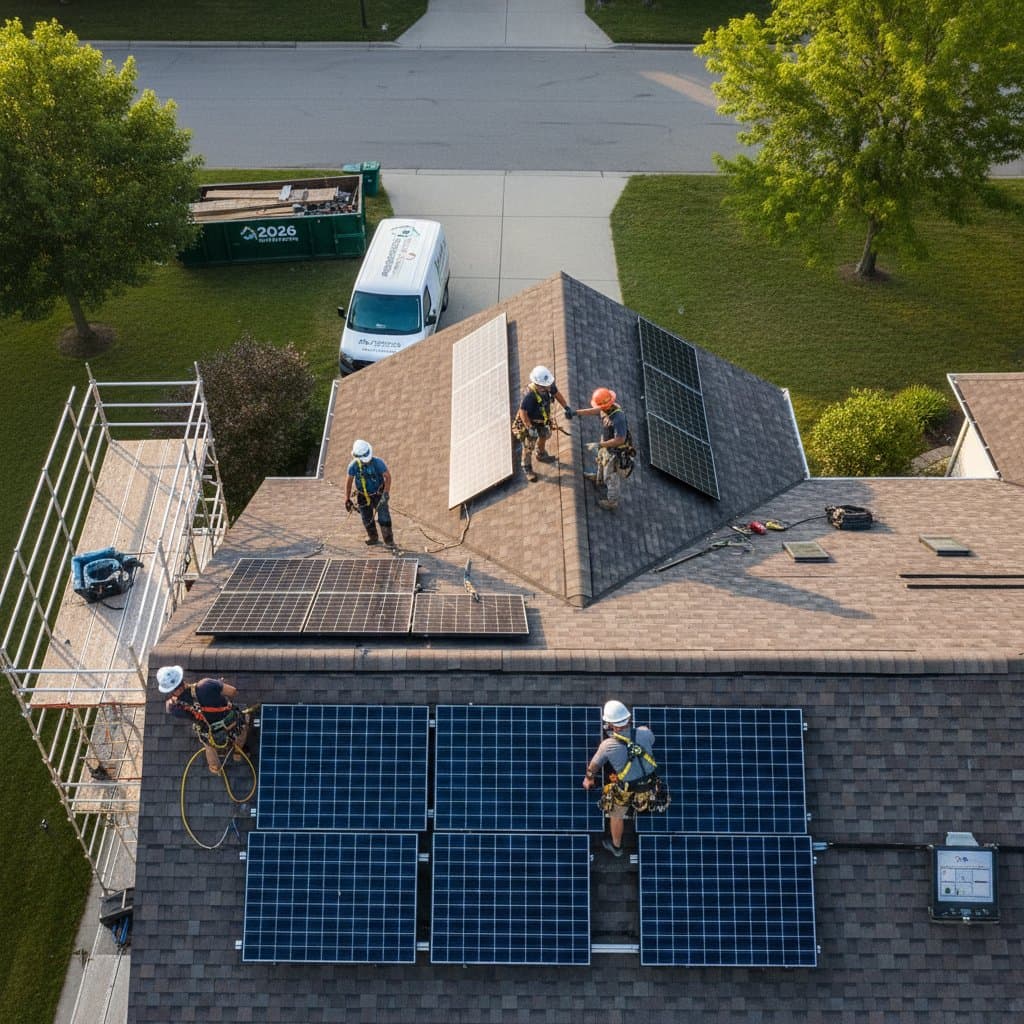
- Roof incline and accessibility. Sloped or elevated structures necessitate specialized equipment like scaffolding or harness systems, extending project duration by several hours.
- Attachment mechanisms. Flat-roof ballasted setups dismantle more rapidly than pitched-roof flush-mounted systems secured by numerous penetrations and seals.
- Wiring configuration. Installations featuring distributed microinverters or intricate cabling circuits require additional steps for safe isolation and component tagging to prevent errors during reconnection.
- Hardware degradation. Aging brackets and rails prone to rust or binding complicate extraction, often adding 20 to 30 percent to labor estimates for cautious dismantling.
- Regional wage standards. Areas with elevated demand for skilled tradespeople, such as urban centers, impose premiums of 20 to 30 percent on baseline rates.
- Seasonal and logistical timing. Projects aligned with high-demand periods, like pre-hurricane preparations, face surcharges from constrained availability.
- On-site management of components. Temporary storage or off-property relocation of panels introduces fees for secure transport and liability coverage.
Strategies for Cost Reduction
Effective planning allows for substantial savings without compromising safety or performance. Focus on integrated approaches that streamline workflows across trades.
- Integrate roofing and solar operations. Select a general contractor experienced in both domains or one who collaborates closely with certified solar installers to eliminate redundant assessments and mobilizations.
- Combine disassembly with reassembly phases. Solar providers frequently offer package pricing that reduces per-service costs when removal and reinstallation occur in sequence.
- Conduct preliminary system evaluations. Identify and address underperforming or fractured panels at the outset, avoiding future isolated repair expenditures.
- Repurpose compatible mounting infrastructure. Inspect rails and supports for viability; thorough cleaning and reuse can offset the need for new purchases, potentially saving hundreds per installation.
- Time projects for low-demand seasons. Opt for winter or early spring slots when trade schedules ease, prompting competitive quotations from contractors.
- Solicit multiple detailed proposals. Verify inclusions such as interim storage, debris management, and post-removal functionality checks to ensure comprehensive value.
Essential Quote Evaluation Guide
- Confirm detailed breakdown of tasks and deliverables.
- Review specifications for any replacement parts, including quality and manufacturer details.
- Ensure provisions for site preparation, waste removal, and final tidying.
- Account for regulatory permits, hazardous material disposal, and inspection coordination.
- Clarify guarantees on workmanship and project completion dates.
- Align payment terms with verifiable progress points, such as initial disconnection and final verification.
Project Timeline Considerations
Efficient scheduling maintains momentum while accommodating inspections. Anticipate variability based on local regulations and weather.
- Booking horizons: Secure appointments one to three weeks in advance; extend this to four to six weeks amid summer peaks or regional construction surges.
- On-site execution: Allocate one full day for panel detachment and secure staging, followed by another for roof preparation integration if reinstallation follows immediately.
- Verification stages: Mandate electrical audits prior to grid reconnection to comply with utility standards. Subsequent roofing evaluations confirm membrane integrity after underlayment installation.
Location-Specific Adjustments
Geographic conditions shape both challenges and pricing nuances. Tailor expectations to environmental and regulatory contexts.
- Coastal zones: Marine corrosion accelerates hardware failure, prompting recommendations for full fixture replacements during reassembly to extend system longevity.
- Cold-climate areas: Pronounced roof angles demand enhanced safety measures, elevating labor by 10 to 20 percent through required anchoring and weatherproofing.
- Sunbelt regions: Expansive panel arrays prevail, amplifying disassembly efforts, yet broader surface areas moderate costs on a per-unit basis.
- Metropolitan environments: Stringent permitting processes and utility oversight introduce administrative burdens, typically adding $200 to $500 for compliance documentation.
Executing Your Removal Project
Proper execution safeguards your roofing integrity and solar efficiency. Initiate by reviewing your original solar agreement for designated service protocols. If the provider lacks roofing capabilities, engage a vetted roofer affiliated with NABCEP-certified electricians. Prioritize thorough disconnection procedures and weatherproof sealing to avert moisture intrusion or circuit faults. Thoughtful trade collaboration not only curbs expenditures but also upholds warranties, delivering enduring benefits for your property's energy and structural performance.