Slash Greywater System Costs by 50 Percent with 2026 Rebates
Homeowners nationwide seek methods to reduce water bills and enhance property resilience during extended dry periods. A greywater system captures lightly soiled water from sources such as laundry, showers, and sinks, potentially reducing outdoor irrigation needs by 50 percent or greater. Historically, high installation costs have deterred adoption, but 2026 rebates now offset up to half of those expenses. This guide details planning, pricing, and installation processes for a greywater system that complies with local regulations and qualifies for financial incentives.
Ideal Applications for Greywater Systems
Greywater systems prove most beneficial in locations where irrigation demands or water scarcity elevate utility expenses. Consider implementation in these situations:
- Properties featuring gardens, lawns, or trees that require consistent watering
- Households that employ low-sodium, environmentally friendly detergents
- Areas experiencing dry seasons exceeding two months
- Sites where gravity naturally directs flow from laundry or bathroom drains to outdoor areas
Such systems offer limited value for apartments, steeply sloped terrains, or properties lacking irrigation requirements.
Detailed Cost Analysis and Influencing Factors
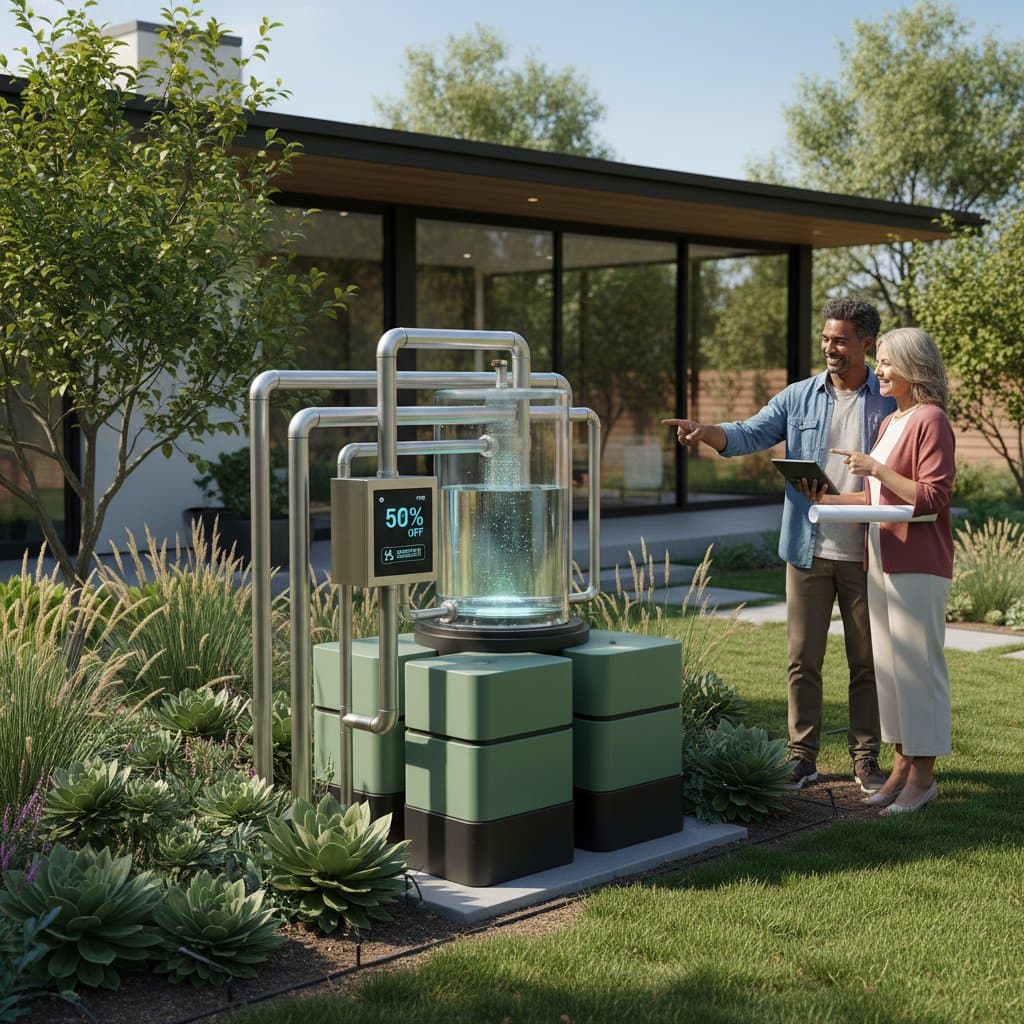
Anticipate overall installation expenses ranging from $2,000 to $8,000, influenced by system scale and features like automation. Available rebates reduce this figure by as much as 50 percent, accelerating return on investment through water savings.
| Scope Item | Material Cost Range | Labor Cost Range | Total Cost Range | Key Influencing Factors |
|---|---|---|---|---|
| Laundry-to-Landscape Kit | $200 - $400 | $300 - $600 | $500 - $1,000 | Gravity-fed design without storage tank |
| Whole-House Gravity System | $800 - $1,500 | $1,200 - $2,500 | $2,000 - $4,000 | Integration with multiple plumbing fixtures |
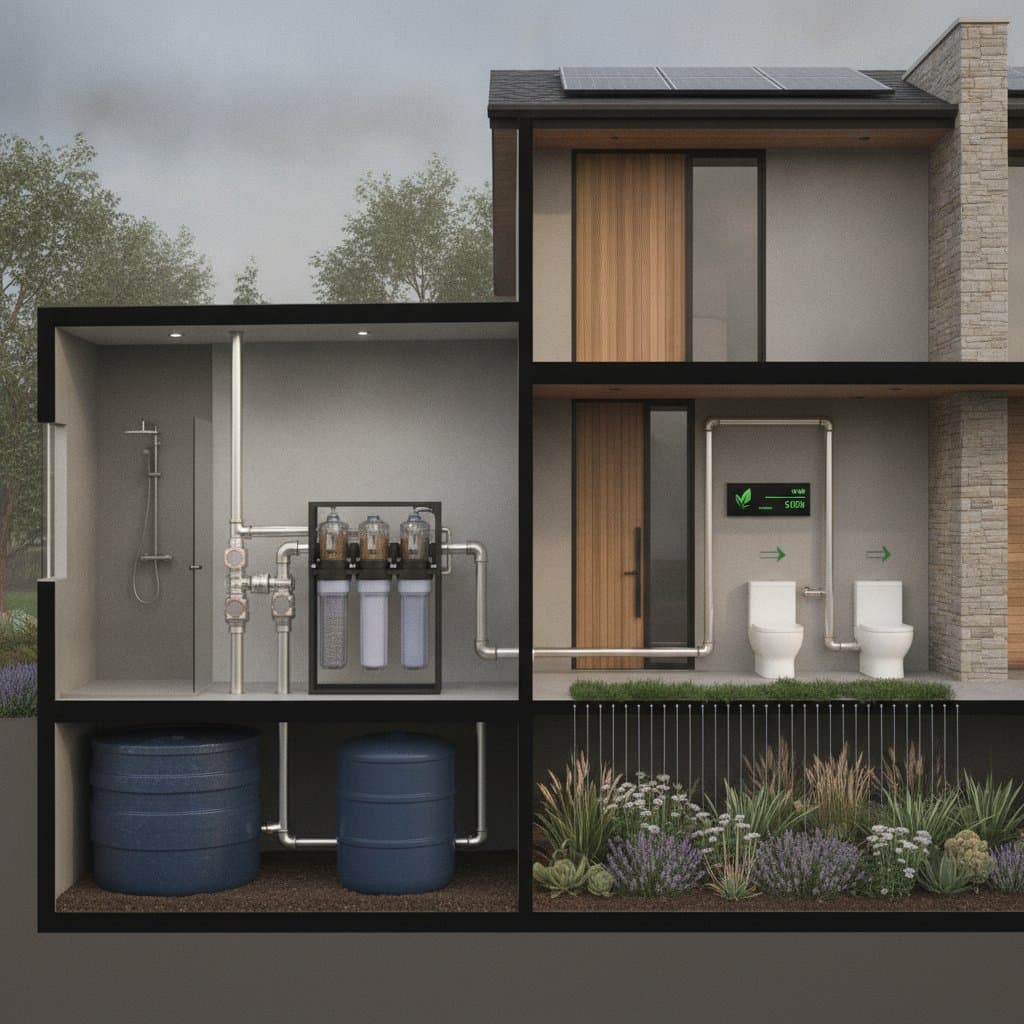
| Pumped Filtration System | $1,500 - $3,000 | $2,000 - $4,000 | $3,500 - $7,000 | Inclusion of storage tank, filters, and pump |
| System Design and Permits | $250 - $800 | $250 - $800 | $500 - $1,600 | Variations based on local regulatory requirements |
Three Primary Cost Determinants
- Material Quality: Basic options like polyethylene tanks and PVC pipes incur lower expenses compared to durable alternatives such as stainless steel or fiberglass components.
- Installation Complexity: Routing pipes through attics or under concrete slabs increases required labor time and associated costs.
- Site-Specific Challenges: Factors including terrain slope, equipment access, and soil composition impact trenching efforts and irrigation configurations.
Comprehensive Installation Process
Prepare with essential safety equipment: gloves, safety goggles, hearing protection, and a dust mask. Obtain necessary plumbing and irrigation permits from your local building authority. Conduct a preliminary inspection to confirm compliance before any excavation begins.
- Evaluate Existing Plumbing: Locate accessible drain lines from laundry and bathroom fixtures suitable for diversion.
- Designate Output Areas: Select landscape beds, tree roots, or other zones that benefit from supplemental moisture.
- Install Diverter Valve: Position a three-way valve adjacent to the drain outlet, enabling flow redirection between sewer lines and greywater distribution.
- Lay Distribution Piping: Employ 1-inch PVC or polyethylene tubing to connect drip emitters or mulch basins, ensuring a minimum 2 percent downward slope for gravity-assisted flow.
- Incorporate Filtration Components: Install mesh screens for basic setups; opt for cartridge or sand filters in expanded systems to avoid clogging in emitters.
- Test System Performance: Confirm uniform water distribution across zones and inspect all connections for leaks.
- Document for Rebate Eligibility: Compile invoices, installation photographs, and inspection reports for submission.
A straightforward laundry-to-landscape setup requires one weekend for an experienced individual handling the work independently. More comprehensive whole-house systems, incorporating storage and pumps, demand three to five days from a certified plumbing professional.
Common Pitfalls and Prevention Strategies
Select detergents free from bleach or boron, as these substances harm soil health and plant growth. Always include backflow prevention devices to safeguard potable water supplies. Distribute water evenly across multiple zones to prevent localized over-saturation or neglect.
Maintain filters diligently to sustain optimal performance. Position emitters below ground level to minimize odors and evaporation losses. Clogging often occurs at initial filtration points; address this by cleaning or replacing components every two to three months.
Deciding Between Self-Installation and Professional Services
Assess suitability for independent work using this evaluation framework:
- Technical Proficiency: Verify comfort with plumbing tasks and excavation techniques.
- Risk Assessment: Simple laundry diversions pose minimal hazards, whereas multi-fixture integrations elevate safety concerns.
- Resource Availability: Ensure access to tools like PVC cutters, drills, trenching equipment, and standard plumbing supplies.
Engage a professional for scenarios involving permit documentation, synchronization with automated irrigation controls, or electrical integrations for pumps. Certified installers guarantee adherence to building codes and preserve manufacturer warranties.
Contractor Bid Comparison
| Line Item | Specifications | Contractor A | Contractor B | Contractor C | Variation Factors |
|---|---|---|---|---|---|
| System Type | Whole-house with pump | $6,800 | $7,200 | $8,000 | Differences in tank capacity and automation features |
| Permits and Inspection | Plumbing and irrigation approval | $600 | $500 | $700 | Based on municipal fee structures |
| Trenching and Piping | 60-foot distribution line | $1,200 | $950 | $1,300 | Influenced by soil type and site access |
| Filter Maintenance Plan | Annual professional servicing | $150 | $200 | $180 | Coverage of replacement parts |
Review proposals meticulously, verifying that each includes assistance with rebate applications and coordination of required inspections.
Securing Incentives and Long-Term Benefits
Access your local water utility's online rebate directory to identify available programs for greywater installations. Solicit detailed estimates from at least two licensed plumbing contractors experienced in regional compliance standards. For self-directed projects, select certified kits and adhere to official inspection protocols.
Retain all receipts and stage-specific documentation to facilitate rebate processing. A properly constructed greywater system recoups its investment through diminished water charges within several years, while sustaining vibrant landscapes amid prolonged droughts. These incentives render sustainable water management accessible without undue financial strain.