Understanding ADU Construction Costs: A Comprehensive Pricing Guide
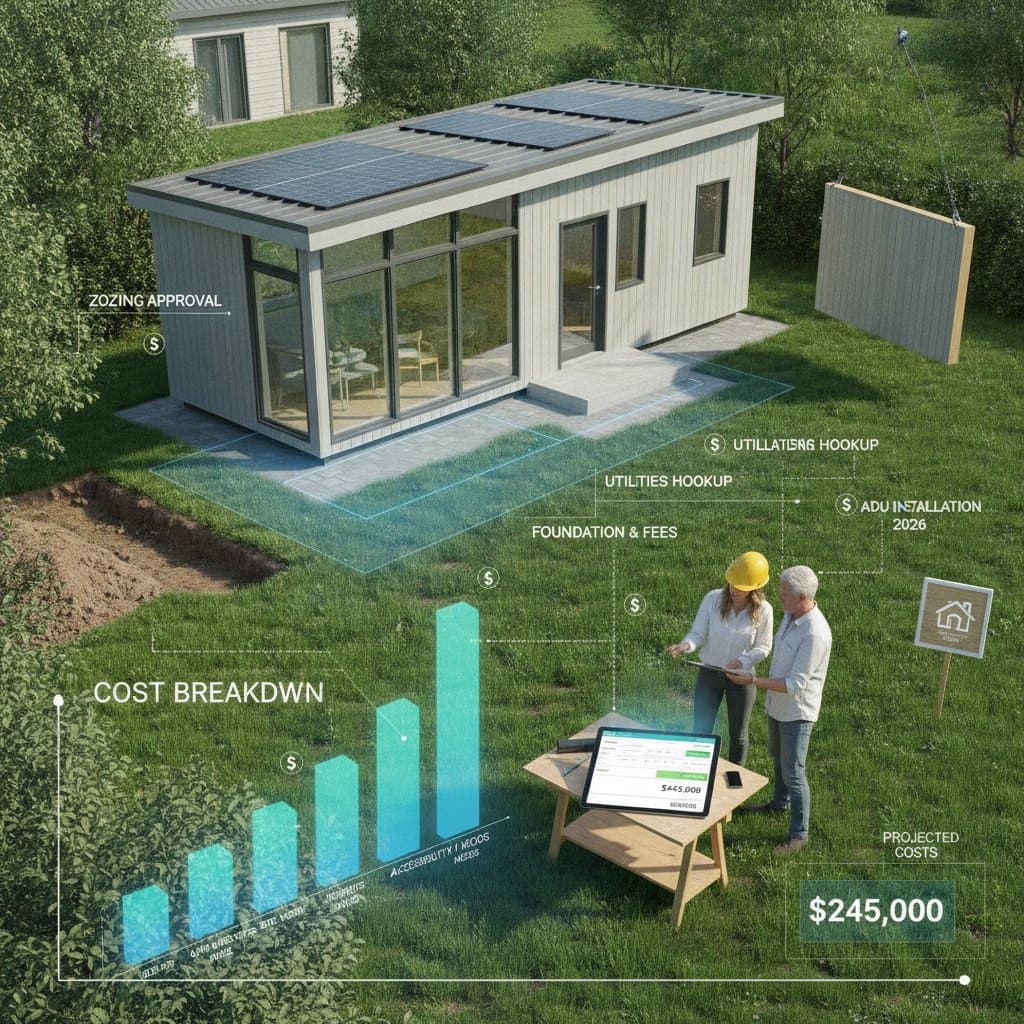
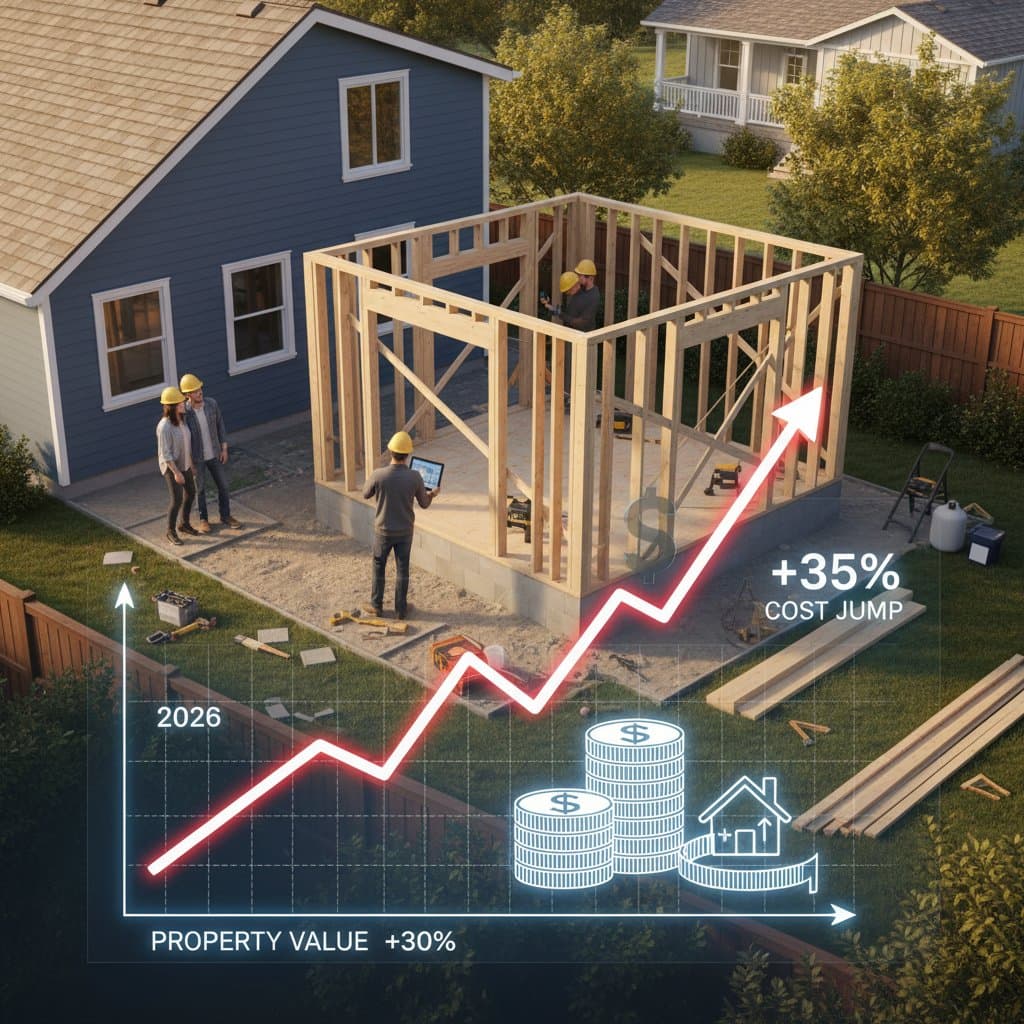
Accessory Dwelling Units (ADUs) offer versatile solutions for generating rental income, accommodating family members, or establishing home offices. Professional construction of these units generally ranges from $150,000 to $450,000, with the typical fully finished project costing about $275,000. Projections indicate a potential 35% rise in these costs by 2026, fueled by escalating material prices, limited skilled labor, and extended permitting processes.
The total expense depends on three primary elements: the unit's size and design, the selected materials, and the site's specific conditions. In bustling urban areas with strong demand, rates per square foot command premiums, whereas rural locations align more closely with broader national figures. Data from HomeAdvisor reveals that thoughtful ADU development can elevate property values by 20 to 30%, positioning it among the most rewarding residential investments.
Homeowners who initiate design and permitting phases promptly position themselves to secure current pricing levels ahead of anticipated increases. Constructing an ADU in the near term safeguards future financial benefits and establishes reliable streams of rental revenue.
Breaking Down ADU Costs in Detail
Contractors calculate ADU expenses on a per-square-foot basis, with national averages spanning $250 to $500. Detached units equipped with complete kitchens and bathrooms incur higher fees compared to conversions of garages or interior spaces. The base fee for hiring professional ADU specialists averages $25,000, encompassing initial design work, permit acquisition, and foundational preparations.
Projects at the lower end, under 400 square feet, typically total around $120,000. Median builds, such as a 600-square-foot standalone unit, approach $275,000. Upper-tier endeavors surpassing the 75th percentile often exceed $400,000, incorporating upscale finishes, advanced energy systems, and intricate site preparations.
Impact of Size and Design Choices
Expanding the footprint by 100 square feet generally adds $25,000 to $40,000, varying with the level of design intricacy. For instance, a 400-square-foot studio adaptation might total $150,000, whereas a 1,000-square-foot independent build could climb to $450,000. Benchmarks from the National Association of Home Builders indicate quarterly cost increases of approximately 5% in competitive metropolitan regions.
Selecting Materials and Quality Levels
Entry-level constructions rely on basic framing, vinyl windows, and laminate surfaces, averaging $250 per square foot and lasting about 10 years before significant updates. Mid-level options integrate recognized brands like Andersen for windows and Moen for fixtures, increasing expenses by 15% while enhancing longevity and user experience.
High-end configurations feature premium suppliers such as Kohler, Bosch, and LG, driving costs toward $500 per square foot. These selections provide superior energy efficiency and boost resale potential, with warranties extending to 15 years for superior components.
Accounting for Site Challenges and Complexity
Properties with uneven terrain, restricted access, or pre-existing structural concerns can inflate budgets by 10 to 20%. Regions near coastlines or in high-demand cities often apply location-based adjustments up to 1.4 times standard rates. Builders note additional pressures from shifting building codes and prolonged permit evaluations.
Exploring Service Packages and Total Pricing
Standard ADU services cover design consultations, foundation installation, framing, roofing, and rough-ins for electrical and plumbing systems. These packages require 10 to 14 weeks and range from $150,000 to $225,000, ideal for transformations of existing garages or basements.
Full-service offerings extend to architectural planning, high-quality materials, landscaping integration, and complete interior detailing. Priced between $300,000 and $450,000, they represent a 25% premium over basics yet deliver enhanced operational efficiency and greater attractiveness for long-term rentals. Returns on these advanced builds can surpass 40% over a few years via consistent rental yields and property value growth.
Weighing Professional Construction Against DIY Approaches
Opting for a do-it-yourself ADU may seem cost-effective initially, yet it demands substantial expertise and commitment. Procurement of materials alone, including lumber for framing, insulation, and essential fixtures, totals $100,000 to $180,000. Additional outlays for tool rentals and mandatory inspections add $10,000 to $15,000.
Engaging professional teams yields clear benefits, including timelines reduced by half, coordination with certified specialists, and warranties worth $10,000 or greater. Their knowledge base prevents expensive mistakes and guarantees adherence to regulatory standards.
Strategies to Secure and Maximize Your ADU Investment
With upward trends in ADU construction expenses, proactive measures provide the strongest shield against inflationary pressures. Finalizing architectural plans, obtaining necessary approvals, and committing to builder quotes before major price adjustments can yield savings of up to 25%.
Evaluate local market dynamics and consult experienced contractors to tailor your project effectively. This forward-thinking approach not only preserves capital but also unlocks enduring advantages in housing flexibility and financial growth.