Wildfire Upgrades: 2026 Costs and Coverage Breakdown
Summary Box
National average cost: $21,500
Typical range: $9,000 to $45,000
Low end: $3,000 for basic defensible space and vent screens
High end: $80,000 for full exterior retrofit with fire-resistant siding and roofing
Time to complete: 2 to 8 weeks depending on scope
DIY or Pro: Mix of both, but roofing and siding retrofits require licensed pros
ROI or resale impact: Adds 3 to 7 percent resale value in wildfire-prone regions
Updated: March 2026
Cost Factors
Scope and size influence expenses significantly. A targeted replacement, such as one deck or roof section, incurs lower costs than a complete building envelope overhaul. Properties featuring multiple rooflines, dormers, or decks demand additional flashing and trim work, escalating the total.
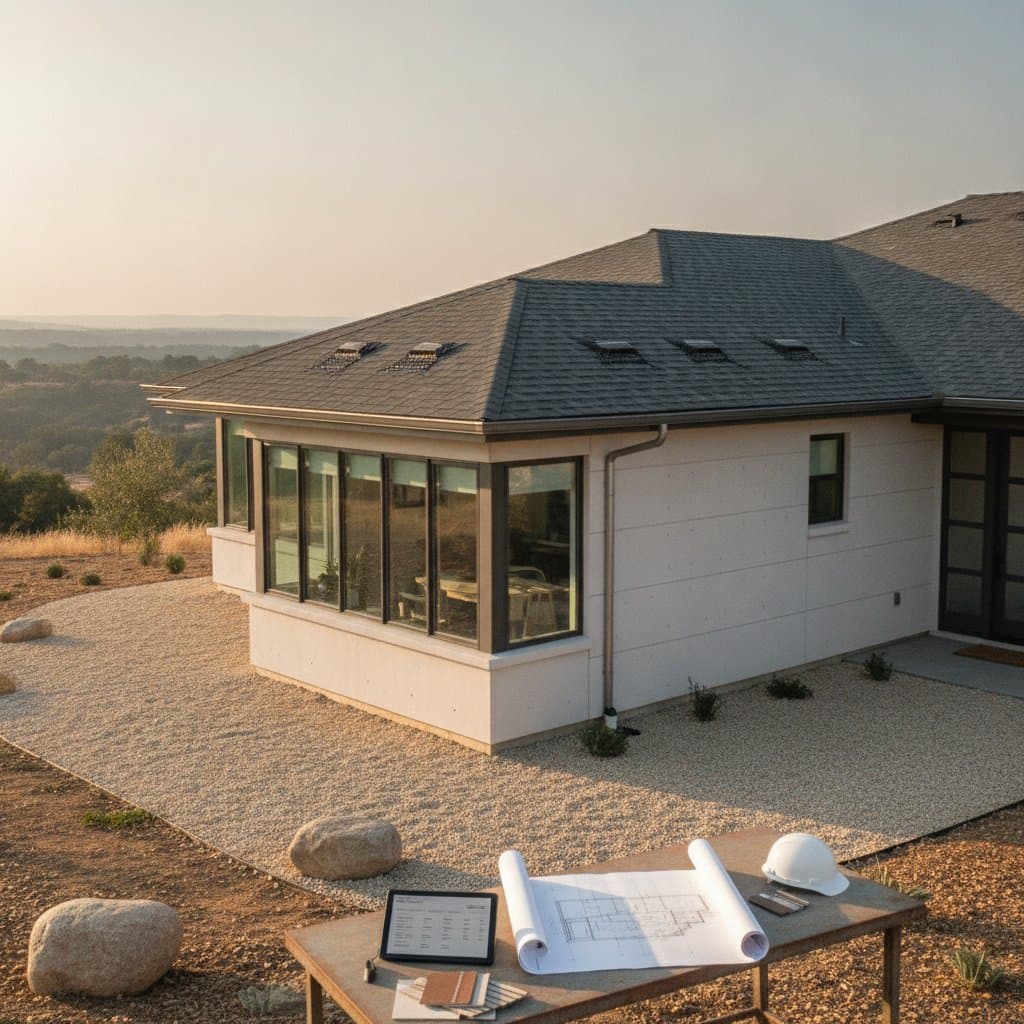
Material grade and finish determine upfront investment. Options like fiber-cement, stucco, and metal panels provide superior performance over wood or vinyl, though at a premium price. Class A asphalt shingles offer an economical choice, whereas metal roofing increases costs by $3 to $6 per square foot. Composite decking with Class A fire ratings nearly doubles the expense compared to treated pine.
Site conditions and accessibility affect labor demands. Steep terrain, restricted driveway access, or thick vegetation extend project timelines. Contractors apply higher rates when scaffolding or specialized lifts become necessary.
Labor market dynamics and seasonal timing play key roles. Regions with elevated wildfire risks experience demand surges following significant incidents. Shortages among skilled crews can inflate bids by 15 to 25 percent. Arranging work during off-peak months often yields savings.
Custom elements and change orders introduce variability. Tasks like additional trim installation, soffit reconstruction, or incorporation of fire-rated sheathing in attics can accumulate expenses rapidly. Contractors and homeowners should define the full scope in writing prior to agreement.
Strategies to Reduce Costs Effectively
Consider practical material substitutions to maintain protection without excess spending. Apply fiber-cement lap siding to prominent walls and stucco to obscured areas for balanced expenses. Opt for Class A asphalt shingles over metal roofing to achieve favorable protection relative to cost. Update only the surface deck boards with composite materials, preserving intact framing underneath.
Prepare the site in advance to minimize labor duration. Remove outdated materials and clear the workspace before professionals arrive. Integrate roofing and gutter improvements into a single contract to eliminate redundant setup fees.
Time projects strategically or group them for efficiency. Select mild weather periods with reduced demand to secure lower rates. Combine upgrades such as siding, gutters, and vent screens to leverage volume discounts during negotiations.
Obtain and evaluate at least three detailed quotes using this essential checklist:
- Itemized breakdown of project scope
- Specified material grades and brands
- Inclusion of surface preparation and site cleanup
- Coverage of permits and waste disposal fees
- Clear warranty conditions and completion timeline
- Milestone-based payment structure
Project Timeline and Coordination
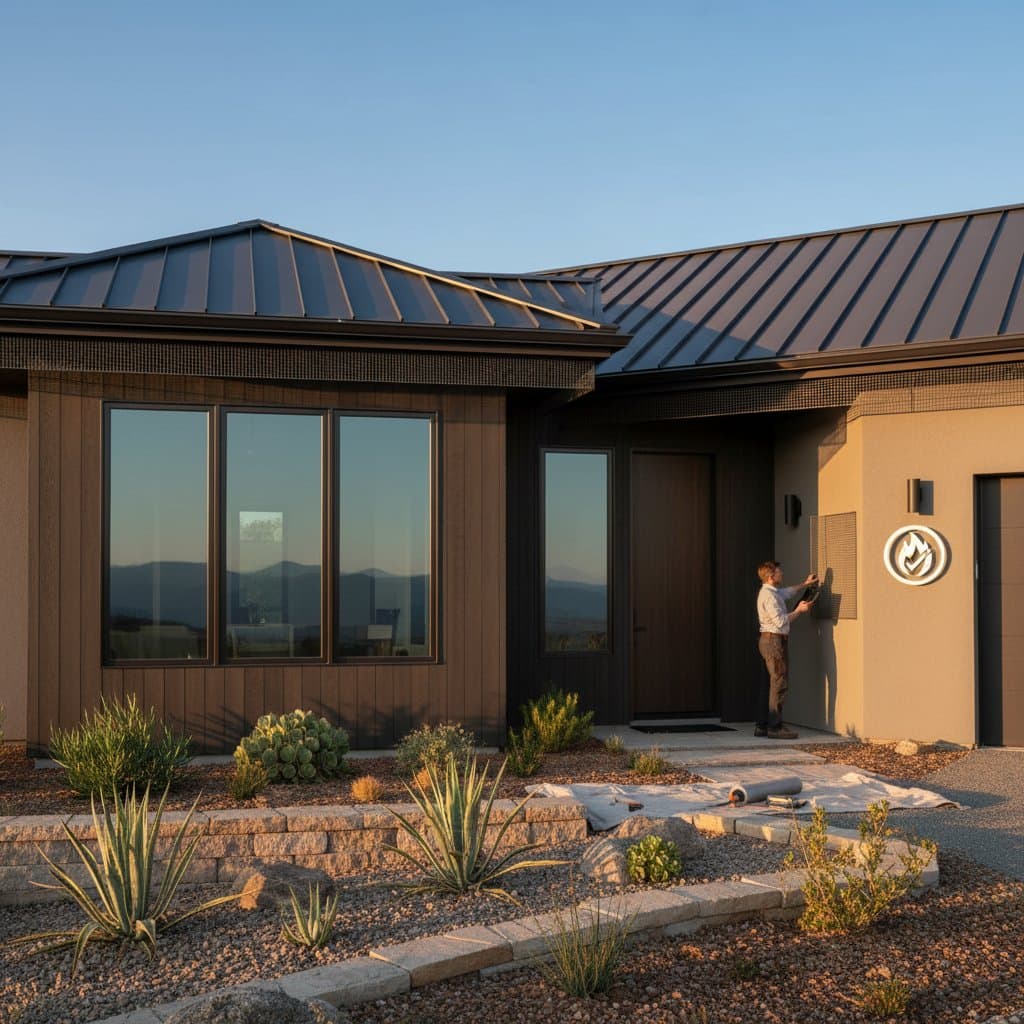
Anticipate lead times for key materials. Fiber-cement siding and tempered glass windows typically require 3 to 6 weeks for procurement. Class A shingles and vent screens generally arrive within one week.
Expect varying durations for on-site crew presence:
- Vent and gutter installations: 1 to 2 days
- Roofing applications: 4 to 6 days
- Siding installations: 7 to 10 days
- Deck replacements: 3 to 5 days
Incorporate inspection milestones for quality assurance:
- Verify structural framing prior to siding or decking
- Confirm underlayment and flashing before finalizing roofing
- Conduct comprehensive exterior review for defensible space and vent sealing
Ongoing Maintenance and Durability
Establish regular care practices to preserve effectiveness. Examine vent screens biannually for blockages or corrosion. Refresh paint or sealant on fiber-cement siding every 10 to 15 years. Maintain clear gutters ahead of fire season. Clear decks and prune vegetation on a monthly basis during arid periods.
Monitor for typical issues and early indicators. Warped siding or deteriorated caulk permits ember entry. Dislodged shingles reveal vulnerable underlayment. Corroded vent mesh compromises integrity. Prompt repairs prevent broader system breakdowns.
Steps to Implement Resilience
Approach wildfire preparedness methodically. Initiate with cost-effective measures that deliver immediate risk reduction, including vent screening and debris clearance. Align substantial exterior replacements with routine roof or siding renewals, avoiding reactive decisions post-incident. Secure three verified bids, verify adherence to building codes, and record all material specifications for insurance documentation.