Granny Pods in 2026: Costs and Zoning Essentials
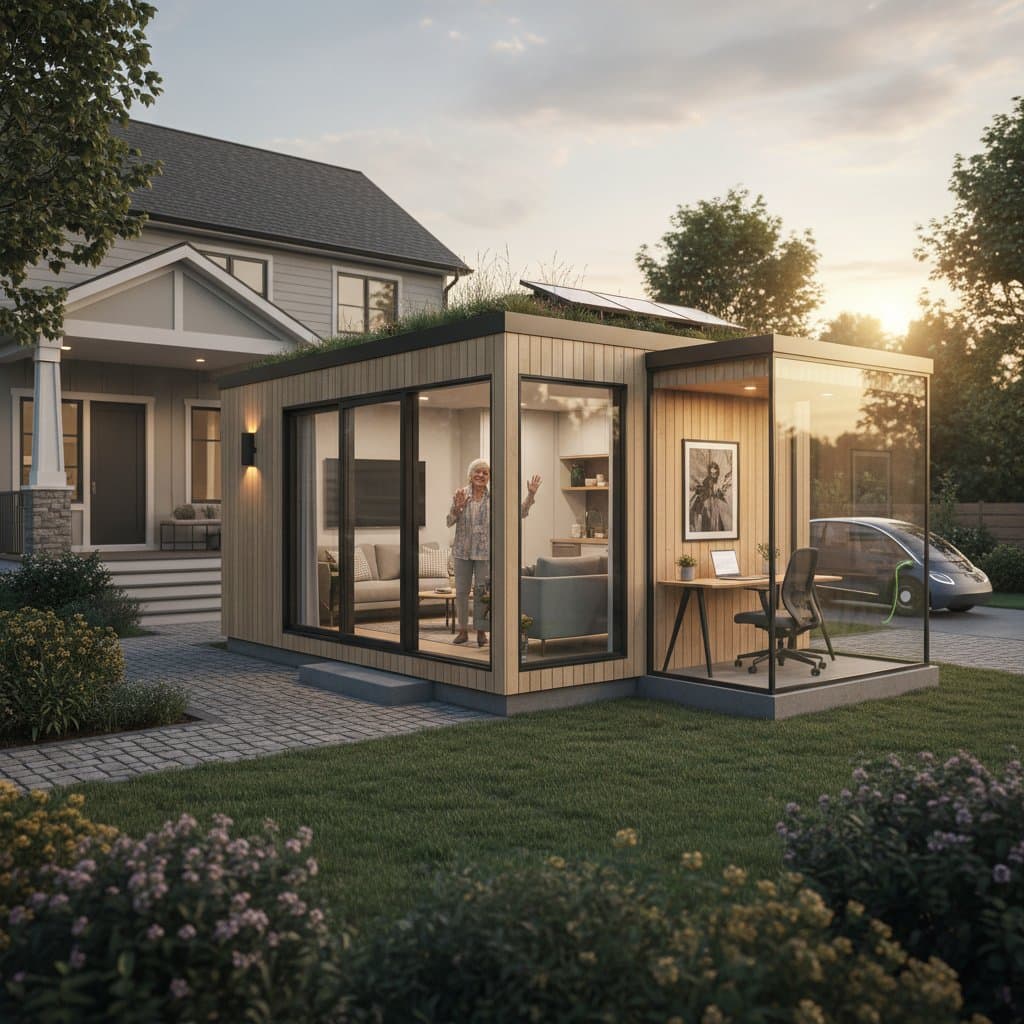
Granny pods provide families with a practical solution for caring for aging relatives while preserving privacy. These compact backyard residences, known formally as accessory dwelling units (ADUs), facilitate multigenerational living that is both adaptable and cost-effective. Families may utilize them for elderly parents, visiting guests, or even as dedicated home offices. A thoughtfully designed granny pod enhances daily comfort and contributes to the property's enduring value.
Quick Answer: Families should anticipate expenditures of $85,000 to $180,000 for a fully equipped granny pod, encompassing utilities, foundation, and interior finishes. Zoning regulations differ across cities and counties, so verification of local ADU guidelines is essential prior to construction.
Common Granny Pod Options
Selecting the appropriate type of granny pod depends on budget, timeline, and site constraints. Below is a comparison of popular options to guide decision-making.
| Type | Description | Pros | Cons |
|---|---|---|---|
| Prefab Unit | Factory-assembled module transported and set up on-site | Rapid installation, consistent pricing, compact size | Restricted personalization, additional delivery expenses |
| Custom-Built ADU | Bespoke design constructed directly on the property | Customized aesthetics, alignment with primary residence | Extended construction period, elevated labor expenses |
| Converted Garage or Shed | Transformation of an existing outbuilding into livable space | Reduced initial outlay, leverages current structure | Potential need for extensive code-compliant renovations |
| Modular Kit | Pre-cut panels shipped for on-site assembly | Balanced pricing, adaptable layouts | Demands professional installation, inconsistent thermal performance |
Opt for a prefab unit when prioritizing efficiency and budget control. Select a custom build for seamless integration with the main home or to incorporate specific accessibility modifications, such as wider doorways or ramp access.
Timeline and Order of Operations
Most granny pod projects span four to eight months from initial planning to occupancy. Prefab options often accelerate this process, potentially completing in two months after permit approval, provided site preparation proceeds smoothly.
Typical Sequence:
- Investigate local zoning requirements, including setback distances, through consultation with the municipal planning department.
- Select a design, hire a licensed contractor, or partner with a prefab manufacturer.
- Submit applications for building permits, utility connections, and any environmental reviews.
- Clear and grade the site, then install the foundation, ensuring it meets soil and drainage standards.
- Erect the structure or position the delivered module.
- Integrate plumbing, electrical systems, and HVAC, followed by interior detailing.
- Arrange for inspections to secure occupancy certification.
Early clarification of permit stipulations prevents expensive setbacks and ensures compliance from the outset.
Materials and Tools Checklist
Assembling a granny pod requires durable, code-approved materials suited to the local environment. Contractors should source items that balance quality and longevity.
Essential Materials:
- Pressure-treated lumber or galvanized steel for framing to resist moisture and pests.
- Exterior-grade plywood or fiber-cement siding for weatherproofing.
- Durable asphalt shingles or standing-seam metal roofing for protection against elements.
- Energy-efficient, double-pane insulated windows and reinforced doors.
- Code-compliant plumbing fixtures, such as low-flow toilets, and weatherproof electrical outlets.
- Interior supplies including low-VOC paint, slip-resistant flooring, and millwork trim.
Required Tools:
- Precision level, retractable tape measure, and cordless circular saw for accurate cuts.
- Power drill with bit sets and impact driver for secure fastening.
- Sturdy extension ladder paired with a full-body safety harness.
- High-quality paint rollers, angled brushes, and drop cloths for finishing.
- Sharp utility knife and professional-grade caulking gun for sealing.
Workers must prioritize safety by donning protective eyewear, hearing protection, gloves, and respirators during material handling, cutting, or finishing tasks.
Regional and Climate Considerations
Local conditions significantly influence granny pod design and material selection. Tailoring the build to these factors ensures durability and resident well-being.
- Cold Climates: Emphasize insulation with R-30 walls and R-50 attics, alongside frost-heated slab foundations and weather-stripped windows to maintain warmth.
- Hot or Humid Regions: Incorporate wide eaves for shade, cross-ventilation attics, and built-in dehumidification systems to combat moisture and mildew growth.
- Coastal Zones: Choose galvanized or stainless-steel components to withstand salt corrosion, and elevate structures to comply with flood zone elevations.
- Urban Areas: Adhere to narrow setback rules, often 4 to 5 feet from property lines, and select subdued designs that harmonize with community aesthetics.
Consult zoning maps to confirm ADU eligibility, minimum lot dimensions (typically 4,000 square feet or more), and restrictions on owner occupancy or rental use. Some areas mandate primary residence attachment or prohibit vacation rentals.
Frequently Asked Questions
Can a family rent out a granny pod?
Local policies vary. Numerous jurisdictions permit long-term leases but prohibit platforms like Airbnb for short stays. Contact the planning office for precise guidelines before listing the unit.
Do granny pods increase property value?
Affirmative, if constructed legally and professionally. A compliant ADU often elevates market value by 20 to 35 percent, particularly in regions facing housing shortages.
What size limitations apply?
Regulations generally permit 300 to 800 square feet, or up to 50 percent of the primary home's footprint. Confirm specific caps with local authorities to avoid redesigns.
Are permits always necessary?
In nearly all cases, yes. Applications cover structural, electrical, plumbing, and septic systems. Bypassing this process risks fines, insurance issues, or complications during property sales.
Is relocation of a granny pod feasible later?
Prefab and modular designs offer potential mobility with proper disassembly. However, permanent foundations render movement costly and structurally challenging.
Steps to Build Your Granny Pod
Granny pods deliver unparalleled flexibility, privacy, and reassurance for families navigating care needs. Initiate the process by verifying zoning compliance and setback allowances to safeguard investments. Evaluate prefab providers against custom contractors, secure detailed bids, and factor in permitting fees alongside utility extensions within the overall budget. This strategic approach yields a resilient addition that supports independent living while appreciating in tandem with the family home.