Understanding Outdoor Kitchen Costs in 2026
Outdoor kitchens have become essential extensions of modern homes, offering spaces for cooking, dining, and gathering. Costs for these projects in 2026 vary widely based on design complexity, materials, and location. Basic setups start at $5,000, while elaborate installations can reach $50,000 or more.
Factors such as regional labor rates and site preparation influence the final price. Homeowners must consider long-term durability against weather elements. This guide outlines key components to help budget effectively.
Cost Breakdown by Project Type
Projects fall into categories from budget-friendly to premium. Each level offers different features and requires varying levels of investment.
Basic Outdoor Kitchen ($5,000 to $15,000)
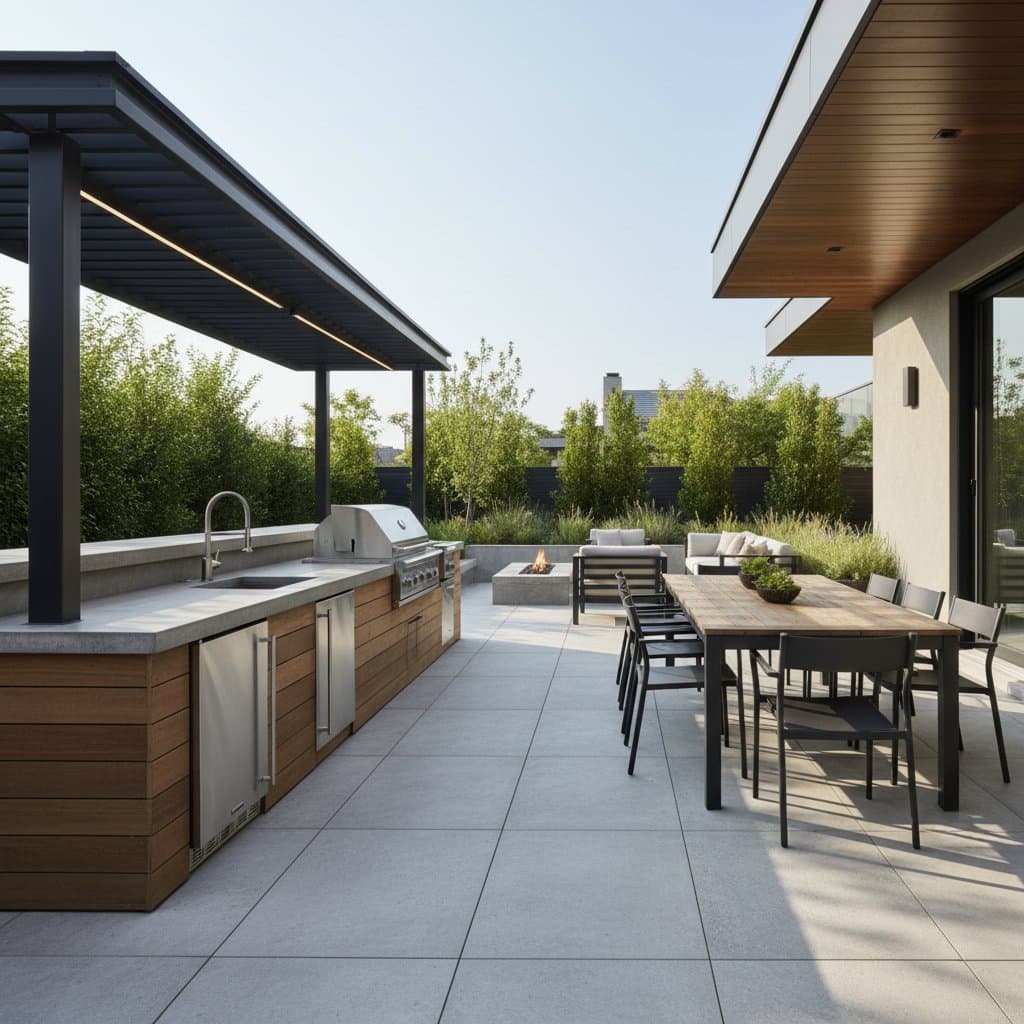
Entry-level designs focus on essential functions like grilling and prep areas. Expect costs to include a standard grill, countertop, and basic cabinetry. Materials such as concrete counters and powder-coated steel keep expenses low.
Installation often involves minimal site work, such as leveling a patio. Labor accounts for 40 to 60 percent of the total. These kitchens suit small backyards and casual use.
Mid-Range Outdoor Kitchen ($15,000 to $30,000)
Mid-tier options add appliances like sinks and refrigerators. Stone or tile countertops enhance aesthetics and functionality. Integration with existing patios reduces excavation costs.
Permits and utility connections, such as gas lines or electrical outlets, add $1,000 to $3,000. Professional design ensures compliance with local codes. This range balances comfort and value for frequent entertainers.
Luxury Outdoor Kitchen ($30,000 to $50,000+)
High-end builds feature custom cabinetry, built-in ovens, and pizza domes. Premium materials like granite surfaces and stainless steel appliances elevate the space. Lighting, audio systems, and weatherproof enclosures contribute to the higher price.
Complex installations may require foundation work and landscaping integration. Costs can exceed $50,000 with features like outdoor bars or fire pits. These designs create resort-like experiences in private settings.
Material Options and Their Impact on Budget
Choosing materials affects both initial costs and maintenance. Durable selections withstand outdoor conditions while fitting various budgets.
- Countertops: Concrete or butcher block options cost $30 to $50 per square foot. Granite or quartz ranges from $60 to $100, offering elegance and heat resistance.
- Appliances: Basic grills start at $500, while commercial-grade models reach $5,000. Energy-efficient choices reduce long-term utility bills.
- Cabinetry and Storage: Modular units in aluminum or teak cost $2,000 to $10,000. Weather-resistant finishes prevent warping from moisture.
- Flooring and Surfaces: Pavers or stamped concrete add $5 to $15 per square foot. These provide stable, slip-resistant bases.
Opt for UV-resistant and rust-proof elements to extend lifespan. Local suppliers often offer bundles that save 10 to 20 percent.
DIY Versus Professional Installation
Homeowners weigh self-installation against hiring experts based on skill and time. DIY approaches cut costs but demand careful planning.
Benefits of DIY
Basic projects allow savings of up to 50 percent on labor. Start with pre-fabricated kits that include assembly instructions. Tools like levels and saws suffice for straightforward builds.
- Assess your site for drainage and utilities.
- Purchase modular components from home centers.
- Follow safety guidelines for gas and electrical work.
However, errors in utility hookups can lead to costly repairs. Permits remain mandatory even for self-built structures.
When to Hire Professionals
Complex designs require licensed contractors for compliance and warranties. Pros handle permits, sourcing, and integration seamlessly. Expect $50 to $150 per hour for labor.
Vetting contractors involves checking references and insurance. Detailed contracts outline timelines and change orders. Professional input prevents issues like uneven foundations.
Planning and Permit Considerations
Effective planning starts with defining needs and space constraints. Sketch layouts to visualize flow between cooking and seating areas.
Budget 10 to 15 percent for unforeseen expenses like soil testing. Consult local zoning laws early; coastal areas may impose stricter wind-resistant standards.
- Secure permits for structural changes and utilities, costing $200 to $1,000.
- Factor in seasonal timing; spring installations avoid weather delays.
- Incorporate sustainable elements like solar lighting to lower ongoing costs.
Collaborate with designers for 3D renderings that refine choices. This step ensures the kitchen aligns with home architecture.
Maximizing Value and Longevity
A well-planned outdoor kitchen boosts home resale value by 5 to 10 percent. Focus on versatile designs that adapt to family growth.
Regular maintenance, such as sealing surfaces annually, preserves appearance. Cover appliances during off-seasons to shield from elements.
Invest in quality to enjoy years of use. This addition transforms ordinary backyards into vibrant social centers, enhancing daily living.