Future-Proof Your Kitchen: Gas to Induction by 2026
Upgrading from gas to induction cooking represents more than a style choice. This shift involves technical adjustments and financial planning to align with household requirements. Homeowners increasingly pursue this change to modernize kitchens, enhance energy efficiency, and minimize indoor air pollution. The transition extends beyond replacing appliances; it demands updates to electrical systems, reevaluation of ventilation, and potential structural alterations.
Defining the Gas-to-Induction Conversion
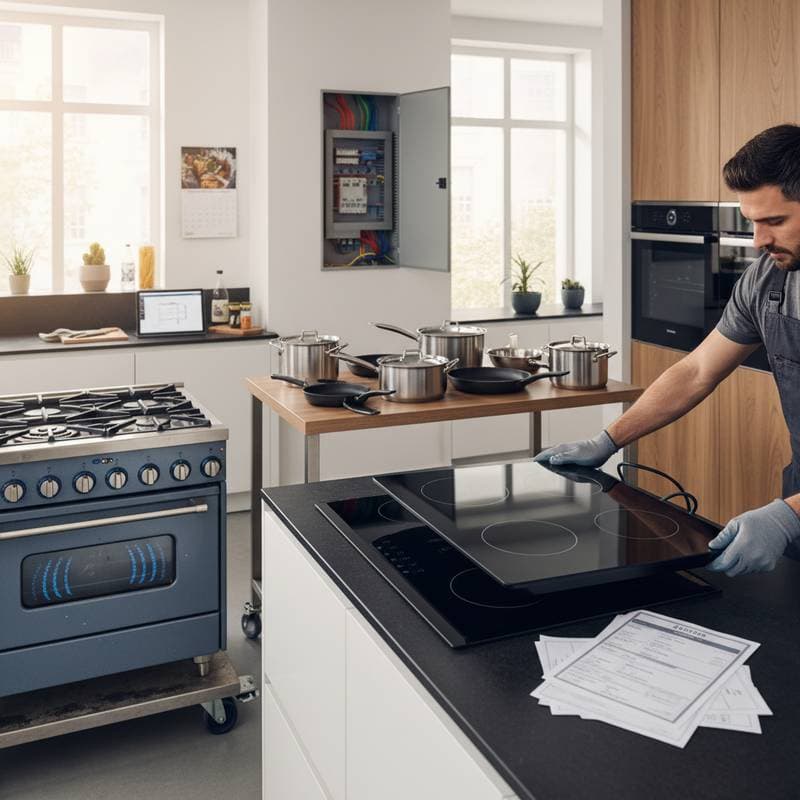
A gas-to-induction conversion substitutes a gas-powered cooktop or range with an electric induction model that employs magnetic fields to heat pots and pans directly. These units eliminate open flames and achieve precise temperatures more rapidly than gas burners. The procedure generally includes rewiring for electricity, upgrading circuits, and capping or removing gas lines. Ventilation may also need adjustment, as induction generates less surrounding heat yet requires adequate airflow for optimal operation.
Homeowners often integrate this upgrade into comprehensive kitchen renovations. Base decisions on thorough evaluations rather than promotional influences. Grasping the complete project scope prevents unexpected expenses down the line.
Cost Structure and Financial Considerations
Costs for converting from gas to induction fluctuate based on the home's age, existing wiring, and chosen appliances. Break down expenses into key areas:
- Electrical work: A dedicated 240-volt circuit installation typically ranges from $500 to $1,500. Homes built before 1980 might require a full electrical panel upgrade, pushing costs to $2,000 or more.
- Appliance purchase: Basic induction cooktops start at $800, while high-end models with multiple zones and smart features exceed $3,000.
- Gas line capping or removal: Licensed professionals charge $200 to $600 to safely disconnect and seal lines, ensuring adherence to building codes.
- Cookware replacement: Induction demands ferromagnetic materials; incompatible sets may necessitate spending $300 to $1,000 on new items like cast iron or magnetic stainless steel.
Factor in ongoing savings when calculating the overall outlay. Induction cooking consumes 20 to 30 percent less energy than gas, potentially lowering monthly bills by $50 to $100 annually, depending on local rates and cooking frequency. Track these variables to project realistic returns.
The Conversion Process Step by Step
Follow these steps to execute the conversion efficiently:
- Initial assessment: Hire a licensed electrician and plumber to examine your kitchen's electrical load and gas infrastructure. They will identify if your service panel supports the additional 40 to 50 amps needed for induction.
- Planning and permitting: Check local regulations; many areas mandate permits for electrical alterations and gas shutdowns, costing $100 to $300. Secure approvals early to avoid fines or delays.
- Infrastructure upgrade: The electrician installs a new circuit breaker and wiring, routing power from the panel to the cooktop location. This phase may take one to two days.
- Appliance installation: Position the induction unit, connect it to the fresh circuit, and calibrate settings. Test for even heating across all burners.
- Final inspection: Schedule a code compliance check to verify safe operation and gas line integrity. Address any issues immediately to resume cooking.
Multiple contractors can cause overlaps in schedules, so designate a project manager or use a general contractor. This coordination minimizes kitchen disruptions, often limiting them to a single weekend.
Coverage Gaps and Common Misunderstandings
Homeowners frequently believe that appliance warranties extend to installation challenges. In reality, these policies cover only the unit itself, excluding wiring or plumbing modifications. Extended service plans from utilities or insurers might reimburse partial upgrade costs, but review terms to confirm eligibility.
Cookware compatibility presents another pitfall. Non-magnetic items, such as aluminum or copper without induction bases, will not heat properly. Use a refrigerator magnet to test your collection in advance; replace non-responders to avoid inefficiency after installation.
Evaluating Long-Term Value
Induction systems deliver reduced maintenance over time. Cleaning involves wiping a seamless glass top, free from grates or igniters. Without flames, kitchens accumulate less grease and odor.
Value hinges on daily habits. Select cookware with flat bottoms for maximum contact and energy transfer. Protect against power fluctuations with a surge protector to extend the unit's lifespan beyond the standard 10 years.
Protecting Your Investment
Document every aspect of the conversion to safeguard your expenditure. Obtain itemized quotes from at least three contractors, specifying labor hours, materials, and timelines. Negotiate inclusions like old appliance disposal to control totals.
For resale, highlight the upgrade in listings as a modern, eco-friendly feature. Retain invoices, permits, and inspection reports; these documents verify quality work and can increase home value by 1 to 2 percent in energy-conscious markets.
Aligning Upgrades with Energy Goals
Approach the gas-to-induction shift methodically to maximize benefits. Conduct compatibility checks, secure professional input, and budget for contingencies like unforeseen wiring issues. This preparation ensures superior cooking precision, lower emissions, and sustained cost efficiencies in your home.