Invest in Wildfire Protection: 2026 Home Costs and ROI
Homeowners in fire-prone areas face escalating wildfire threats that influence property management decisions. Protection measures, including fire-resistant materials, structural hardening, and defensible space creation, involve upfront expenses alongside substantial long-term benefits. This analysis examines these investments to highlight their role in preserving home value, lowering insurance premiums, and enhancing overall security.
Core Elements of Wildfire Protection
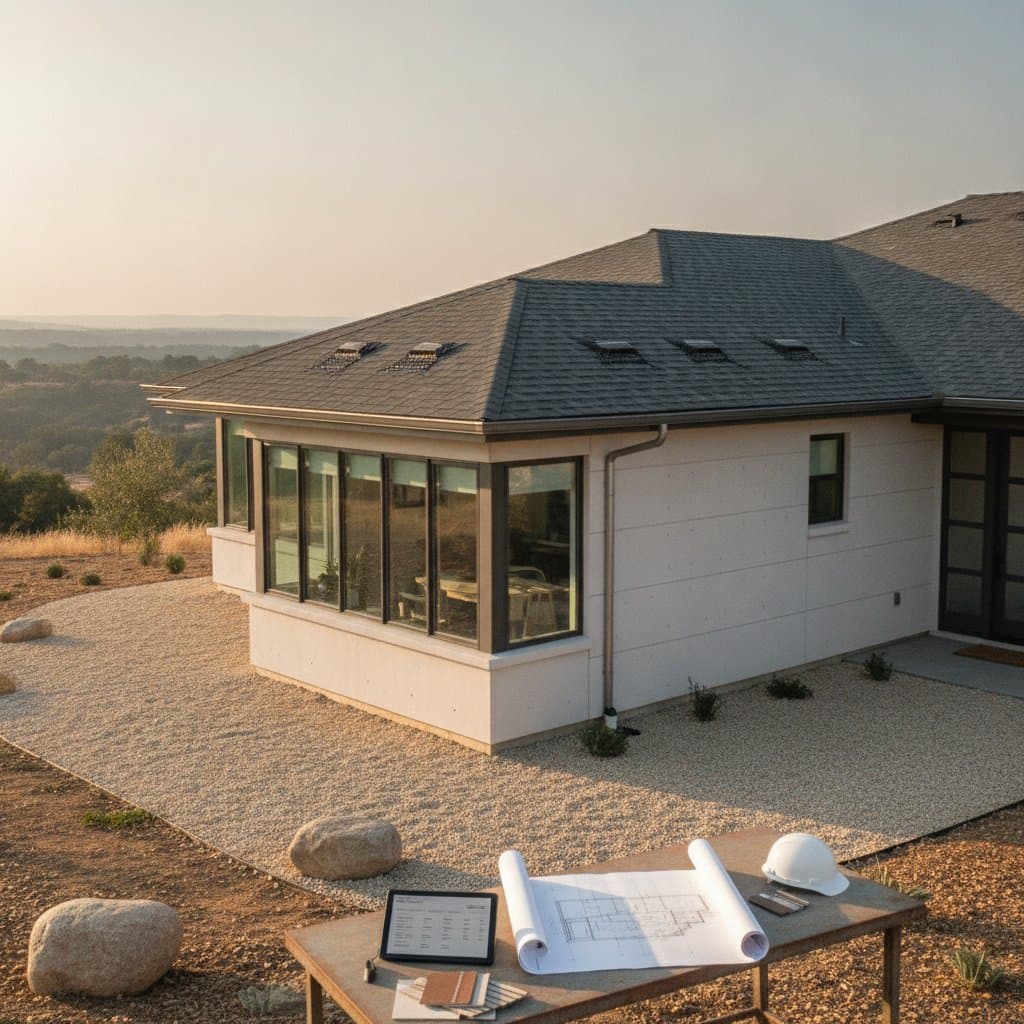
Wildfire protection strategies aim to reduce damage from flames, embers, and radiant heat. Essential components include upgrading roofs and siding with fire-rated materials, installing ember-resistant vent screens, and using non-combustible decking. Additional features, such as fire-retardant coatings, tempered glass windows, and automated exterior sprinklers, further bolster defenses.
Property specifics dictate the approach. Homes on urban fringes demand tailored solutions compared to isolated rural structures. Start with a certified risk assessment to pinpoint weaknesses in construction, landscaping, and emergency access. This evaluation forms the basis of a multi-layered system that halts fire progression toward the building.
Breaking Down Costs by Service Tier
Projects fall into three tiers: basic, mid-level, and premium, each with defined costs and benefits. Basic options focus on essential upgrades, while premium plans offer comprehensive coverage.
| Tier | Cost Range | Labor and Materials | Included Protections | Notable Exclusions |
|---|---|---|---|---|
| Basic | $3,000–$8,000 | Contractor-dependent | Roof venting and partial roofing | Landscaping and coatings |
| Mid-Level | $9,000–$18,000 | Standard rates for labor and supplies | Siding reinforcements and window seals | Sprinkler installations |
| Premium | $20,000–$35,000+ | Expert installation with inspections | Complete envelope sealing | Extensive vegetation clearing |
Costs vary with home square footage, regional material prices, and contractor availability. Fire-rated asphalt shingles or cement board siding can increase expenses by 20–25 percent in supply-constrained areas. Peak season labor shortages often elevate rates by 15 percent or more.
Implementation Steps
- Schedule Consultation: Engage a mitigation expert for an on-site inspection of materials, exposure risks, and layout.
- Receive Assessment: Obtain a report detailing vulnerabilities, upgrade recommendations, and cost projections, including a landscape clearance evaluation.
- Select and Approve: Choose a tier aligned with budget and needs; ensure contracts detail materials, warranties, and timelines.
- Execute Upgrades: Teams install reinforcements, apply treatments, and verify code compliance through final checks.
- Plan Maintenance: Opt for yearly inspections to monitor vents, clear debris, and maintain vegetation buffers.
This sequence minimizes disruptions and maximizes effectiveness.
Unseen Expenses and Insurance Dynamics
Beyond base costs, factor in permits, which range from $200 to $1,000, and potential inspection fees of $150–$500. Temporary housing during major work might add $2,000 or more for a week-long project.
Insurance benefits offset these outlays. Certified upgrades often yield 5–15 percent premium reductions, depending on the provider. Submit contractor certifications and inspection reports for verification; consistent maintenance preserves eligibility. Neglect, such as overgrown brush, risks claim denials or policy cancellations.
Policy Boundaries and Claim Risks
Service agreements have defined scopes. Pre-existing issues, like worn roofing, typically fall outside coverage. Detached elements, such as garages or outbuildings, may require separate add-ons.
Claims fail due to unauthorized changes, skipped upkeep, or timing issues. Review caps on reimbursements, often $10,000–$50,000 annually, to understand personal liability thresholds.
Calculating Investment Returns
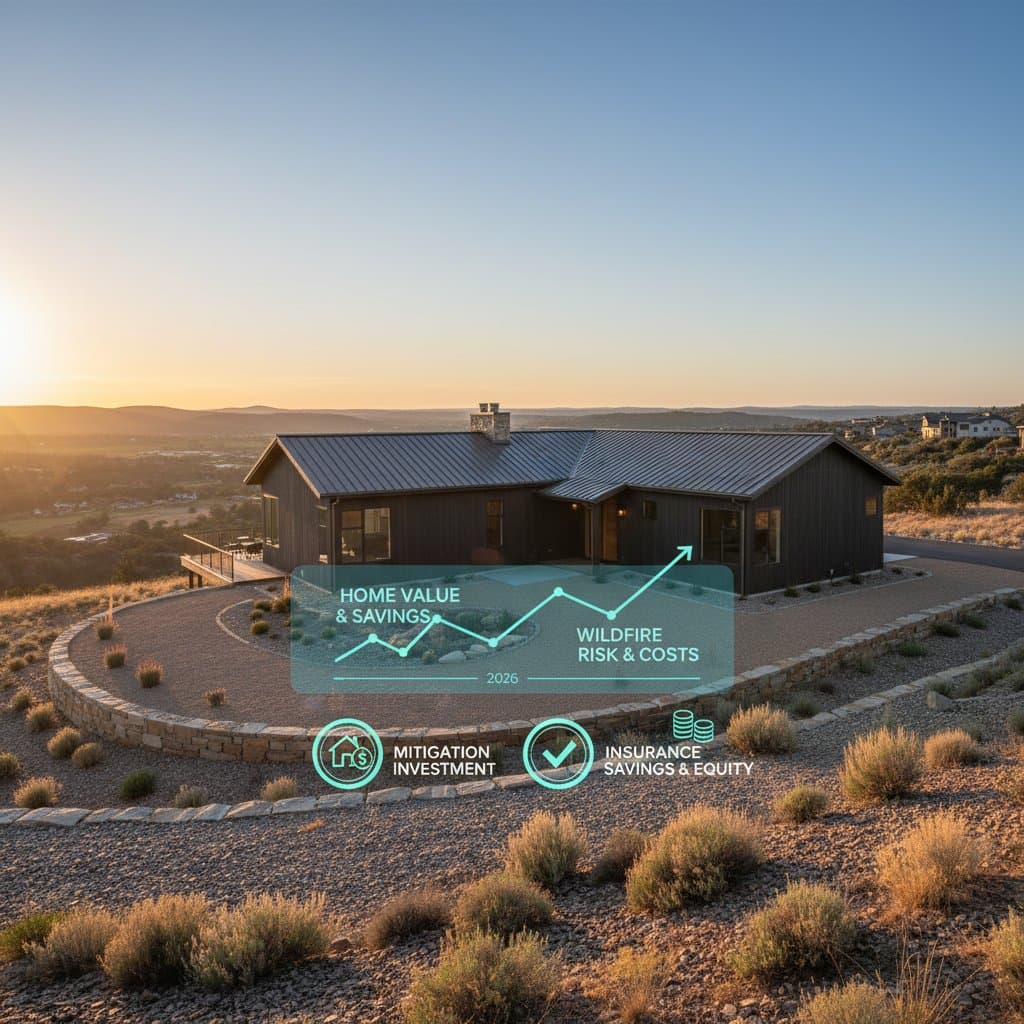
Returns manifest in prevented losses, premium cuts, and elevated property appeal. In risk zones, mitigated homes sell 10–20 percent above comparable untreated properties, as buyers prioritize safety documentation.
For a $15,000 mid-level upgrade securing a 12 percent premium drop on a $2,000 annual policy, payback occurs in eight to ten years. During a fire, even 50 percent structure retention slashes rebuild costs from $300,000 to $150,000, amplifying ROI exponentially.
Selecting Reliable Providers
Vet contractors through license checks, insurance verification, and reference reviews. Demand warranties covering materials for 10–20 years and labor for at least five.
Request sample reports and scrutinize exclusions, such as fees for urgent repairs. Transparent providers outline all charges upfront, avoiding post-project surprises.
Sustaining Protection Over Time
Ongoing care preserves investment efficacy. Clear gutters quarterly, inspect screens biannually, and prune vegetation to 100-foot defensible zones per local codes.
Reapply coatings every three to five years and scan for material wear annually. Documented inspections support insurance compliance and early issue detection.
Securing Your Home Against Wildfires
Approach wildfire investments with precision: compare at least three bids, dissect contract terms, and align choices with personal risk profiles. These steps transform costs into enduring assets.
Structural enhancements and landscape management deliver more than safety; they fortify financial resilience and instill assurance in preparedness.