Multigenerational Remodel: $80K–$250K Budget Guide
Multigenerational Remodel Costs: What to Expect in 2026
Quick Take
- Budget for $80,000 to $250,000 based on project scope, home size, and material selections.
- Repurposing existing areas proves more economical than constructing additional square footage.
- Anticipate elevated expenses for plumbing modifications, accessibility enhancements, and permitting processes.
Understanding Multigenerational Remodeling
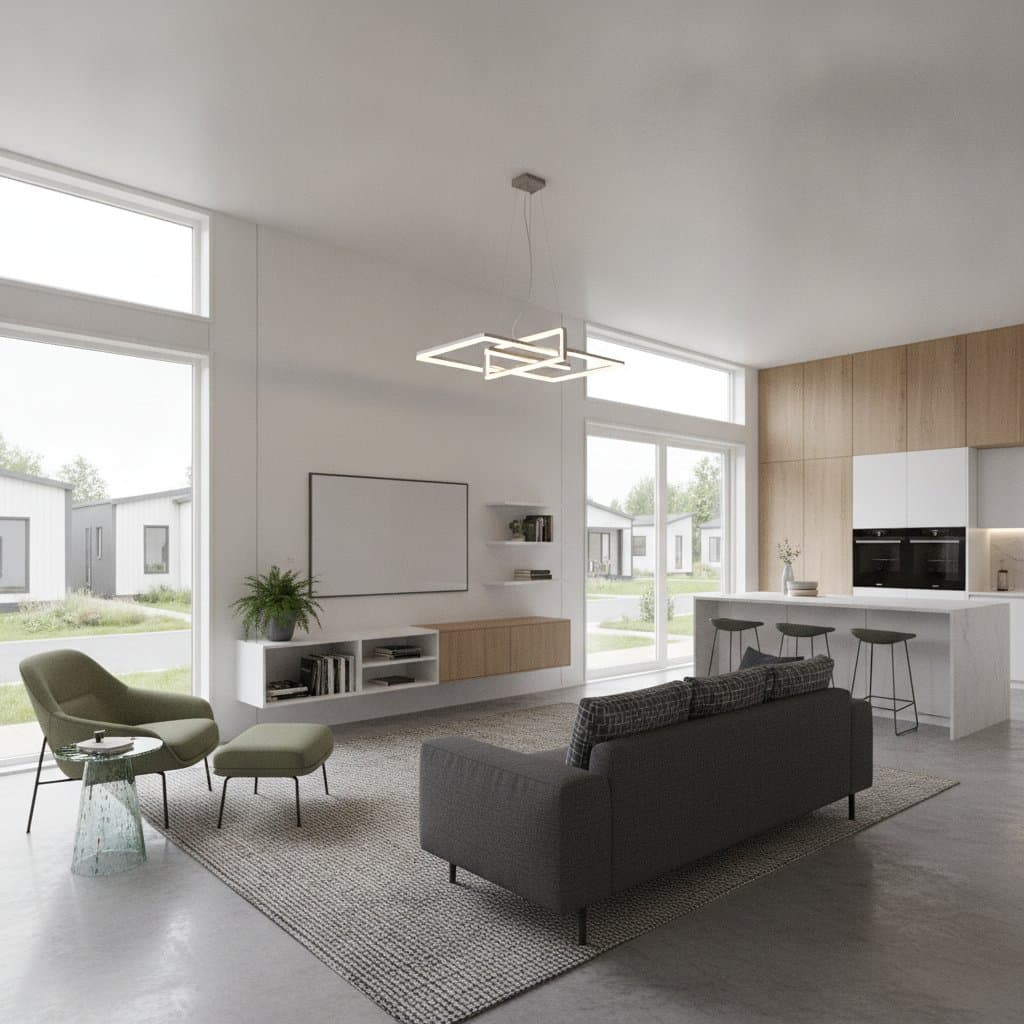
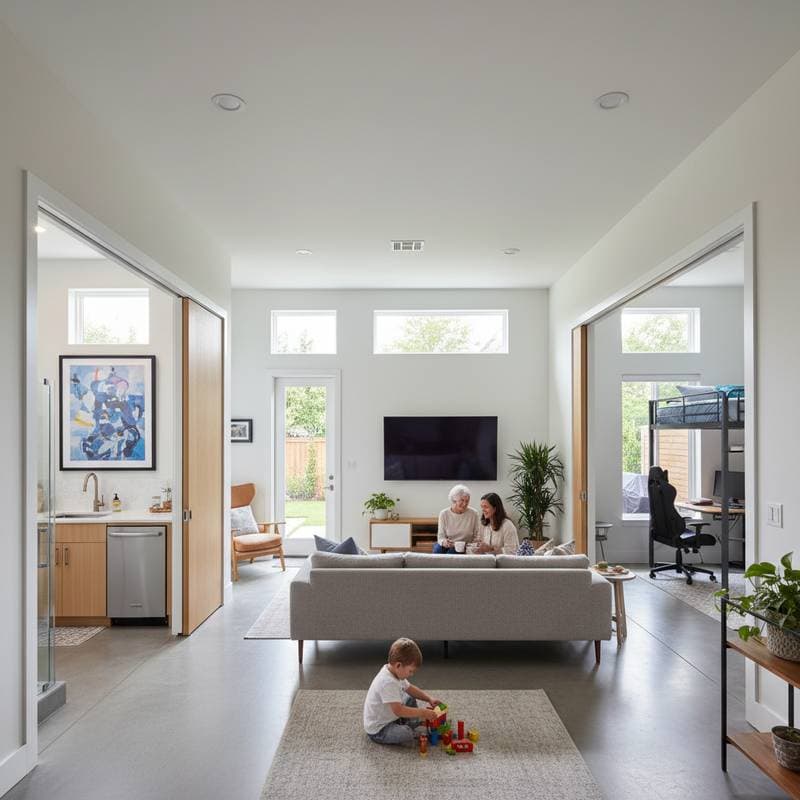
Multigenerational remodeling involves designing living spaces within a single residence to accommodate multiple generations. Common approaches include constructing an in-law suite, transforming a basement into an independent apartment, or reconfiguring the primary level to improve accessibility. The primary objectives remain ensuring individual privacy, promoting overall comfort, and optimizing shared amenities.
Such projects foster family proximity while addressing practical needs like independent living quarters. Homeowners often prioritize flexible layouts that adapt to evolving family dynamics over time.
Advantages and Challenges
Advantages
- Maintains close family bonds and minimizes expenses associated with external long-term care facilities.
- Enhances the property's market value and provides versatile usage options for future occupants.
- Consolidates utility usage and eliminates redundant household expenditures.
Challenges
- Involves substantial initial investments and extended construction periods.
- Regulatory codes and zoning restrictions frequently complicate and prolong permit approvals.
- Customized configurations may influence the home's appeal to potential future buyers.
Scenarios for Success and Potential Pitfalls
Scenarios for Success
- Ample unused space or available land facilitates seamless expansions.
- Household members seek a balance of autonomy and accessibility within the same property.
- Long-term residency plans justify the investment in tailored modifications.
Potential Pitfalls
- Limited lot size prevents installation of distinct entrances or additional parking.
- Extensive plumbing or heating, ventilation, and air conditioning upgrades surpass financial limits.
- Stringent local regulations prohibit secondary kitchens or auxiliary dwelling units.
Step-by-Step Guide to Planning Your Multigenerational Remodel
Essential Tools and Preparation
- Tape measure for accurate dimensions.
- Graph paper or introductory design software for sketching concepts.
- Flashlight to evaluate attics, crawl spaces, and other concealed areas.
- Calculator and notebook to track estimates and notes.
- Protective equipment, such as gloves and safety glasses, for on-site inspections.
Preparation requires one to two months prior to soliciting contractor bids. The process demands moderate effort and familiarity with basic home assessment techniques.
-
Evaluate the Existing Layout
Conduct a thorough walkthrough of the property and document underutilized zones. Record measurements for ceiling heights, window positions, and doorway clearances. Verify proximity to existing plumbing for proposed bathroom or kitchen locations. -
Outline Functional Zones
Specify shared communal areas versus private retreats. Determine necessities like independent entrances, dedicated kitchens, or separate laundry facilities based on family requirements. -
Review Local Regulations
Contact the municipal building department to inquire about rules for accessory dwelling units, duplicate kitchens, and fire safety separations. Certain jurisdictions mandate extra approvals for new plumbing installations or emergency egress windows. -
Develop an Initial Budget
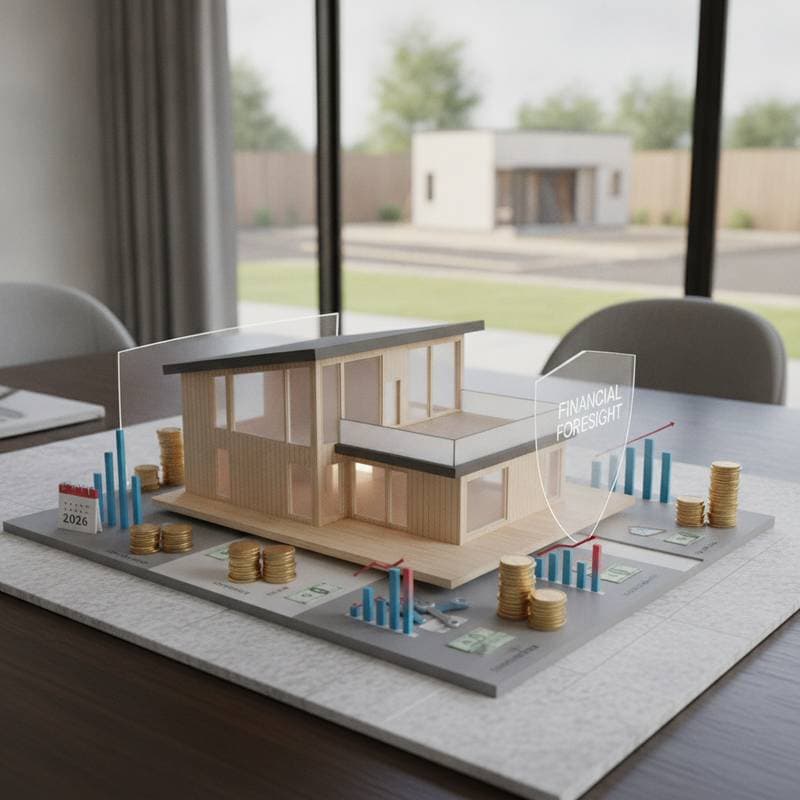
Apply per-square-foot cost benchmarks for projections. Simple space conversions typically range from $150 per square foot, while comprehensive additions or standalone suites may surpass $300 per square foot. -
Consult Professionals
Engage a residential designer or architect to produce detailed layout plans. Request itemized quotes from general contractors covering permits, materials, labor, and contingencies. -
Arrange Funding
Evaluate options such as home equity lines of credit, cash-out refinancing, or specialized renovation loans. Include allowances for inspection fees and property appraisals in the total. -
Coordinate Construction Timeline
Arrange alternative accommodations if essential spaces like kitchens or bathrooms become unavailable during the work. -
Monitor Progress
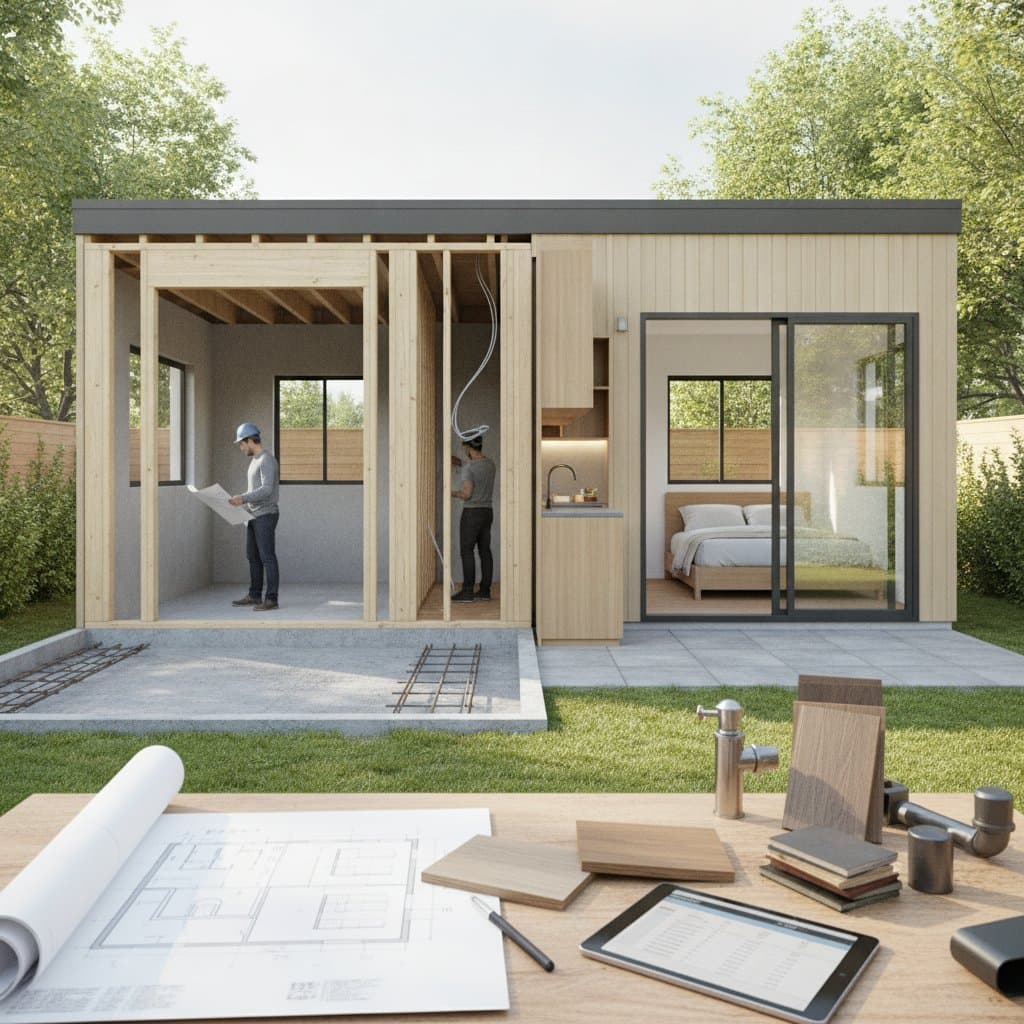
Perform weekly site visits to oversee advancements. Inspect framing, electrical wiring, and plumbing installations prior to enclosing with drywall. Obtain photographic documentation of concealed elements for personal records. -
Conduct Final Inspection
Test the operation of doors, electrical outlets, and plumbing fixtures. Secure all warranties and retain copies of permits to support future property transactions.
Detailed Cost Breakdown
The standard cost spectrum spans $80,000 to $250,000, influenced by project specifics and regional labor rates.
Elements That Increase Expenses
- Foundation reinforcements or significant structural alterations.
- Premium materials, including bespoke cabinetry and intricate tile installations.
- Independent heating, ventilation, and air conditioning units or enhanced electrical service panels.
- Mobility aids such as entry ramps and expanded hallway widths.
Elements That Reduce Expenses
- Leveraging current plumbing and electrical infrastructure.
- Adapting garage or basement areas without major excavations.
- Opting for standard-grade finishes and straightforward design adjustments.
Choosing Replacement Over Repair
In cases where aging sections exhibit foundation fissures, obsolete wiring, or persistent water intrusion, a complete rebuild often proves more secure and cost-effective than incremental fixes. This approach eliminates recurring maintenance issues and aligns with modern safety standards.
DIY Options Versus Professional Services
Suitable DIY Tasks
- Applying paint, laying flooring, installing trim, and performing non-load-bearing demolition.
- Mounting standard cabinetry or fixtures, provided prior experience exists.
- Handling landscaping adjustments or basic exterior maintenance.
Tasks Requiring Professional Expertise
- Relocating walls, modifying load-bearing supports, or altering roof structures.
- Extending plumbing lines or electrical systems into expanded zones.
- Navigating permitting, fire code adherence, and official inspections.
Professional Advantages
Licensed contractors oversee regulatory compliance, synchronize subcontractor schedules, and deliver comprehensive insurance protection. Their involvement safeguards the project through rigorous safety protocols and quality assurance measures.
Ongoing Maintenance Strategies
Perform inspections biannually to sustain the remodel's integrity.
Recommended Tasks
- Replace heating, ventilation, and air conditioning filters and clean shared ductwork.
- Verify functionality of smoke detectors and carbon monoxide alarms across all living areas.
- Examine exterior sealants, roof flashing, and site grading to prevent water infiltration.
- Use a hygrometer to track and control basement moisture levels.
Expected Benefits
Regular maintenance mitigates risks of dampness-related deterioration, enhances indoor air circulation, and averts unexpected repair demands.
Alternative Remodeling Approaches
Accessory Dwelling Unit
This option suits properties with sufficient land for an attached or detached secondary structure. It delivers complete autonomy but incurs steeper permitting fees and utility connections.
Basement Apartment Conversion
Appropriate for homes featuring accessible lower levels and nearby plumbing. This method offers the lowest cost entry point, though it necessitates egress windows and robust dampness prevention.
Main Floor Suite Adaptation
Well-suited for addressing mobility limitations or elder care needs. It centralizes essential functions on a single level, facilitating effortless integration with communal spaces.
Frequently Asked Questions
Does a multigenerational suite require a dedicated entrance?
Local ordinances determine this requirement. Jurisdictions often mandate private access when including a full kitchen, though shared entries may suffice with proof of familial ties.
Which accessibility modifications merit inclusion?
Incorporate flush entry thresholds, 36-inch-wide doorways, lever-style handles, and barrier-free showers. Install reinforcement blocking in walls to accommodate potential grab bar additions later.
Will property taxes increase following the remodel?
Major upgrades typically trigger reassessments that elevate valuations. Consult the local tax authority for projections on fiscal impacts prior to commencement.
Is future rental of the space permissible?
Zoning laws govern this possibility. Numerous areas impose restrictions on leasing accessory units or demand distinct rental licensing.
Must additional parking be provided?
Affirmative in most locales, where one extra off-street spot per autonomous unit becomes mandatory.
Pre-Project Decision Checklist
- Validate zoning allowances and permitting prerequisites.
- Document and diagram the present home configuration.
- Establish boundaries for shared and exclusive areas.
- Establish a budget incorporating a 10 percent buffer for unforeseen costs.
- Obtain a minimum of three detailed bids from qualified professionals.
- Explore financing avenues at the outset.
- Assess potential resale implications through consultation with a local real estate expert.
- Arrange for interim housing and schedule requisite inspections.
Realizing Your Family-Centered Home Vision
A thoughtfully executed multigenerational remodel delivers enduring adaptability and well-being for all residents. Prioritize designs that harmonize personal retreats with collective gathering spots, while adhering to safety protocols and financial parameters.
Commence by mapping individual usage patterns within the space. Align selections with budgetary constraints and regulatory guidelines to sidestep disruptions. Upon completion, the result transcends mere additions; it cultivates an environment that nurtures autonomy, security, and intergenerational bonds for decades ahead.