Understanding Greywater Systems
Greywater refers to wastewater from household sources such as sinks, showers, and washing machines, excluding toilet waste. These systems collect and redirect this water for non-potable uses like garden irrigation or toilet flushing. By implementing a greywater system, homeowners can significantly decrease reliance on municipal water supplies.
The potential for savings is substantial. A typical household might save between $20 and $80 per month on water bills, depending on usage patterns and local rates. This reduction stems from recycling approximately 30 to 50 percent of indoor water consumption. In water-scarce regions, such systems also contribute to broader conservation efforts.
Benefits of Greywater Recycling
One primary advantage lies in water conservation. Households generate thousands of gallons of greywater annually, much of which goes unused after a single flush or rinse. Redirecting this volume prevents it from entering sewers, easing the load on treatment facilities.
Financial gains follow closely. Beyond bill reductions, greywater systems can lower septic system maintenance costs by diverting flow away from tanks. Over time, the initial investment pays off through cumulative savings, often within five to seven years.
Environmentally, these setups promote sustainability. They reduce freshwater demand and minimize runoff pollution. Plants irrigated with greywater often thrive due to the nutrients present, fostering healthier landscapes without additional fertilizers.
Types of Greywater Systems
Systems vary by complexity and application. Basic laundry-to-landscape designs connect washing machine outlets directly to garden beds via gravity-fed hoses. These suit small-scale needs and cost around $2,000 to install.
More advanced branched drain systems collect water from multiple fixtures, such as showers and sinks, using a central diverter. These require pumps for distribution and range from $5,000 to $10,000, depending on filtration levels.
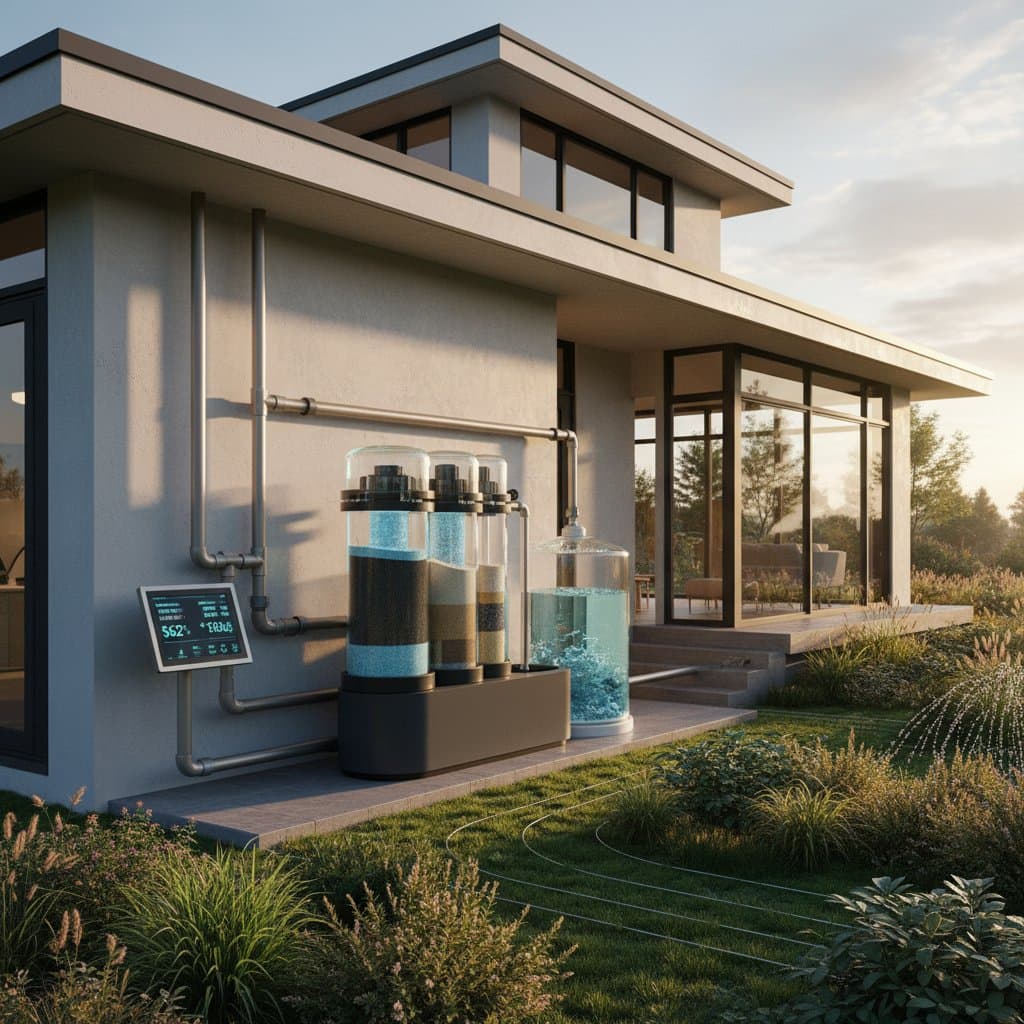
Constructed wetland or tank-based systems treat greywater through natural filtration, suitable for larger properties. Prices climb to $15,000 or more, but they enable reuse for toilet flushing, maximizing savings.
Choose based on household size, water usage, and yard layout. For example, families with heavy laundry loads benefit from simple diverters, while eco-conscious homeowners might opt for treated systems.
Navigating Permits and Regulations
Local building codes govern greywater installations to ensure safety and efficacy. Most areas classify these as alternative plumbing systems, requiring permits before work begins.
Key requirements include:
- Backflow prevention devices to isolate greywater from drinking water lines.
- Setbacks of at least 1.5 feet from property boundaries and 3 feet from structures.
- Prohibition of surface ponding, pooling, or overhead spray to avoid health risks.
- Clear labeling on all diverter valves for easy identification.
- Mandatory on-site inspections prior to system activation.
Building departments typically request a basic schematic depicting pipe paths, discharge points, and compliance distances. In some jurisdictions, connections to existing drains necessitate a licensed plumber. Contact your local authority early to verify rules and avoid fines.
Installation Considerations
Planning forms the foundation of a successful setup. Assess your home's plumbing, soil type, and climate. Sandy soils absorb greywater quickly, while clay-heavy ground may need amended basins.
For DIY projects, start with a laundry system. Disconnect the machine's drain hose and route it through a filter to mulch-filled trenches. Use three-quarter-inch tubing rated for outdoor exposure.
Professional installations handle complexities like pump integration or multi-source collection. Expect quotes to include material sourcing, labor, and permit fees. Timeline varies from one day for basics to a week for custom designs.
Test the system post-installation by running cycles and monitoring distribution. Adjust outlets if water favors certain areas unevenly.
Maintenance Essentials
Regular upkeep ensures longevity and performance. Schedule checks every three to six months to address wear proactively.
Essential tasks encompass:
- Cleaning filters and screens to prevent clogs.
- Inspecting valve seals for leaks or degradation.
- Flushing lines with fresh water if flow diminishes.
- Examining mulch basins for sediment accumulation or odors.
- Replacing any brittle or cracked tubing.
These steps maintain a hygienic, efficient system that operates for 10 to 15 years. Maintain a log of service dates and notes to identify trends, such as recurring blockages, early on.
Address issues promptly. For instance, unusual smells signal bacterial overgrowth, resolvable by enhanced aeration or line cleaning.
Frequently Asked Questions
Is greywater suitable for vegetable gardens?
Use it on fruit trees or ornamental plants. For edibles, incorporate advanced filtration and disinfection to minimize contamination risks. Direct contact with harvestable parts remains inadvisable.
Will greywater produce odors?
Proper design prevents smells by ensuring rapid soil absorption and filtration. Stagnation from blockages or overload leads to issues; routine maintenance mitigates this.
Can greywater be stored long-term?
Codes generally restrict storage to 24 hours maximum. Prolonged holding encourages bacterial proliferation and quality decline.
What cleaning products are compatible?
Select biodegradable, low-sodium options free of bleach or boron. These break down without harming soil microbes or plants.
How does it integrate with septic systems?
It complements them by reducing inflow volume. Diverting laundry or shower water extends tank intervals between pump-outs.
Does installation require electricity?
Gravity-based systems operate without power. Pump-equipped versions need a grounded outlet with ground fault circuit interrupter protection.
Implementing Your Greywater Solution
Begin with a modest approach, such as a laundry diverter, to gauge benefits before scaling up. This allows experimentation with minimal risk and cost.
Tailor the system to your environment. In arid climates, prioritize irrigation efficiency; in wetter areas, focus on treatment for reuse.
Document every phase, from permits to inspections, for resale value. Future owners appreciate verified sustainable features.
Through thoughtful design, consistent care, and balanced DIY with expert input, a greywater system integrates seamlessly into daily life. It delivers ongoing savings, enhances self-reliance, and aligns your home with water-wise practices, all while preserving modern comforts.