Understanding Home Battery Warranties
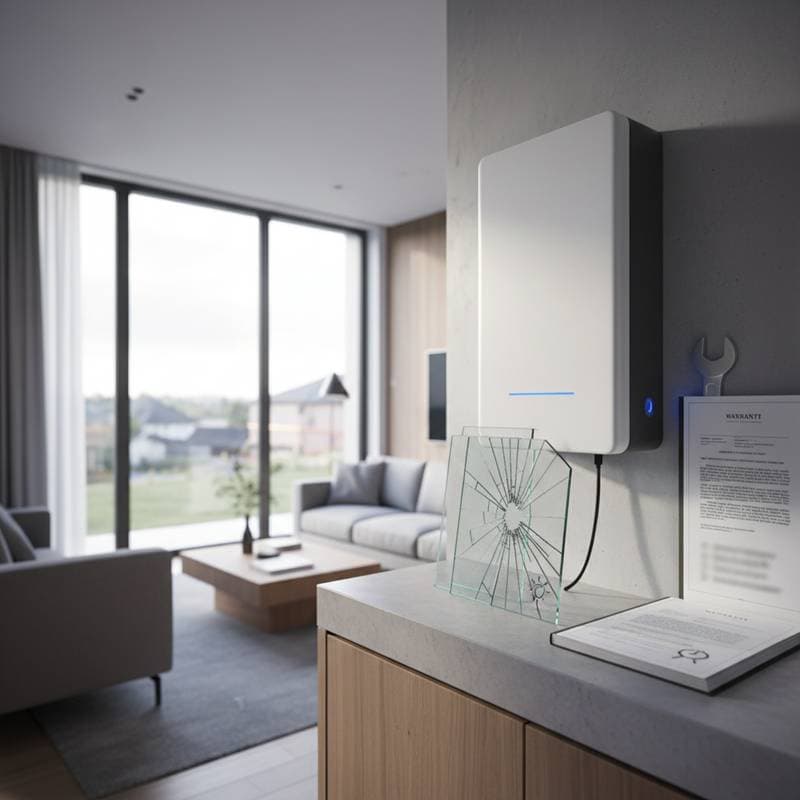
Home battery systems offer reliable backup power and energy independence, yet their warranties often contain overlooked limitations that can undermine protection. Manufacturers provide coverage for defects and performance degradation, but fine print details such as throughput caps, installation stipulations, and exclusion clauses create potential vulnerabilities. Homeowners must examine these elements closely to avoid unexpected expenses during repairs or replacements.
Warranties typically span 10 to 25 years, guaranteeing a minimum capacity retention level, often 70 percent after a decade. However, real-world usage patterns influence how quickly a system approaches warranty thresholds. Factors like frequent deep discharges or extreme environmental conditions accelerate wear, prompting claims that may face denial if not aligned with policy terms.
Key Coverage Gaps
Throughput and Cycle Limitations
Throughput represents the total energy processed by the battery over its life, with many warranties imposing a maximum limit, such as 10 megawatt-hours. Exceeding this threshold voids coverage, even if the battery retains capacity. Cycles, defined as complete charge-discharge sequences, also factor in; policies might restrict users to 3,000 to 6,000 cycles before warranty expiration, regardless of calendar time.
To mitigate this, monitor usage via the battery management system and adjust habits, such as limiting depth of discharge to 80 percent for daily operations. This approach extends effective lifespan and preserves warranty eligibility.
Installation and Certification Requirements
Improper installation frequently leads to warranty invalidation. Most policies mandate certified installers who adhere to local electrical codes, including permits and inspections. Systems must meet UL listing standards for safety, with batteries positioned per fire codes, often outside living spaces or away from vehicle garages.
Installer requirements extend to ongoing monitoring; some warranties demand grid connection for remote diagnostics. Off-grid configurations may fall outside coverage, as manufacturers design systems primarily for utility-tied applications. Verify installer credentials and retain documentation to support future claims.
Labor and Maintenance Exclusions
Warranties cover battery components but often exclude labor costs for removal, reinstallation, or site preparation. In regions with stringent codes, additional expenses arise from required fire barriers or utility approvals. Maintenance tasks, like firmware updates or cleaning, remain the owner's responsibility; neglect can trigger denials.
Plan for these gaps by budgeting for certified service providers and scheduling annual inspections. Digital records of maintenance logs strengthen claim validity.
Regional and Environmental Influences on Warranty Performance
Local conditions impact battery longevity and warranty outcomes, as extreme climates stress components beyond standard testing.
Climate-Specific Challenges
In hot-humid zones, elevated temperatures degrade lithium iron phosphate cells faster than nickel-manganese alternatives. Opt for shaded, ventilated enclosures to maintain optimal operating ranges and uphold warranty conditions.
Cold climates demand models with integrated heaters or insulated setups to prevent freezing, which could otherwise cause capacity loss and claim complications. Arid environments require sealed units against dust, while marine areas necessitate corrosion-resistant hardware to avoid premature failure.
Code Compliance Variations
Regional building codes vary; some locales enforce extra spacing from walls or fire-resistant barriers for energy storage. Grid-tied installations often require utility permission, and non-compliance risks warranty forfeiture. Time installations for mild seasons to facilitate smooth inspections and commissioning, ensuring full coverage activation.
Material choices matter: lithium iron phosphate batteries offer superior thermal stability, suiting warmer regions and aligning with warranty performance guarantees.
Glossary of Essential Terms
- Capacity Retention: Percentage of initial energy storage capacity remaining after extended use.
- Cycle: Complete process of charging and discharging the battery once.
- Depth of Discharge (DoD): Portion of stored energy utilized prior to recharging, expressed as a percentage.
- Throughput: Cumulative energy transferred through the battery during its operational life.
- Inverter: Equipment converting direct current from the battery to alternating current for household appliances.
- BMS (Battery Management System): Electronic system overseeing charging, discharging, and safety protocols.
- Firmware: Embedded software directing battery functions and data recording.
- UL Listing: Certification verifying compliance with safety standards for electrical devices.
- State of Charge (SOC): Current energy level in the battery, measured in percentage.
- Transferability: Provision allowing warranty transfer to subsequent property owners.
- Throughput Limit: Upper bound of energy processing covered under the warranty.
- Off-Grid Mode: Battery operation independent of utility grid supply.
Steps to Secure Your Warranty
Review the warranty document thoroughly before purchase, noting restrictions on capacity, throughput, and labor. Select certified installers and confirm system compatibility with local codes to prevent voids.
Maintain meticulous records, including receipts, serial numbers, and service history, stored digitally for easy access. Schedule regular firmware updates and BMS checks to demonstrate proactive care.
Adjust usage patterns to respect DoD and cycle limits, prioritizing shallow discharges for routine needs. For resale, verify transferability clauses to preserve value.
Protecting Your Investment Long-Term
Awareness of warranty intricacies empowers informed decisions on system selection and operation. By addressing installation, usage, and regional factors proactively, homeowners extend battery reliability and minimize financial risks. This diligence ensures sustained energy security and operational efficiency for the home.