
Articles tagged with greywater-system-cost
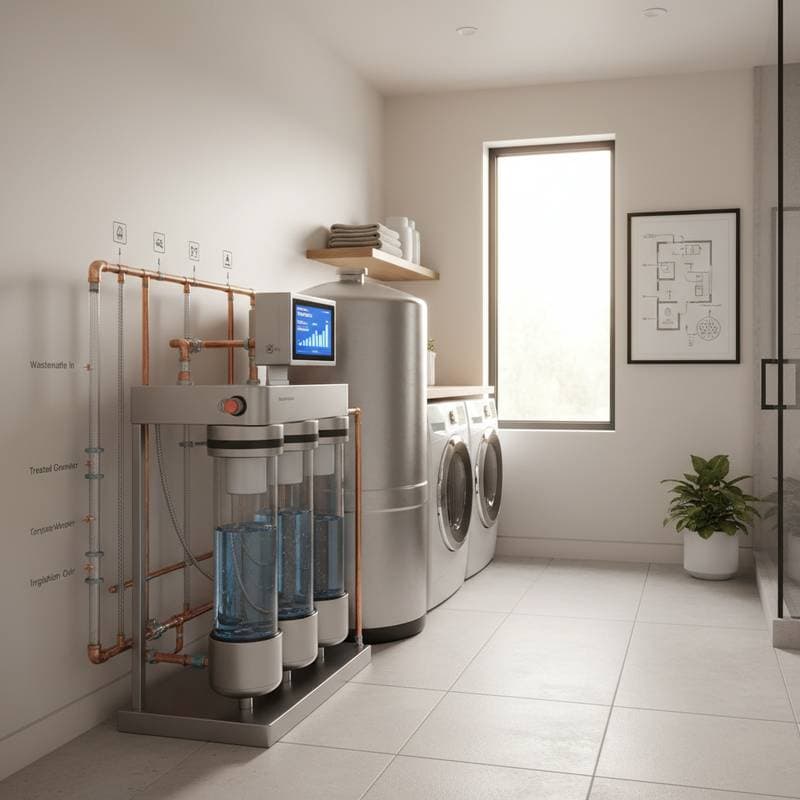
Home greywater systems recycle household water for reuse at a cost of $2,800 to $9,500. Professional installation improves efficiency, compliance, and property value while DIY options carry added risk.
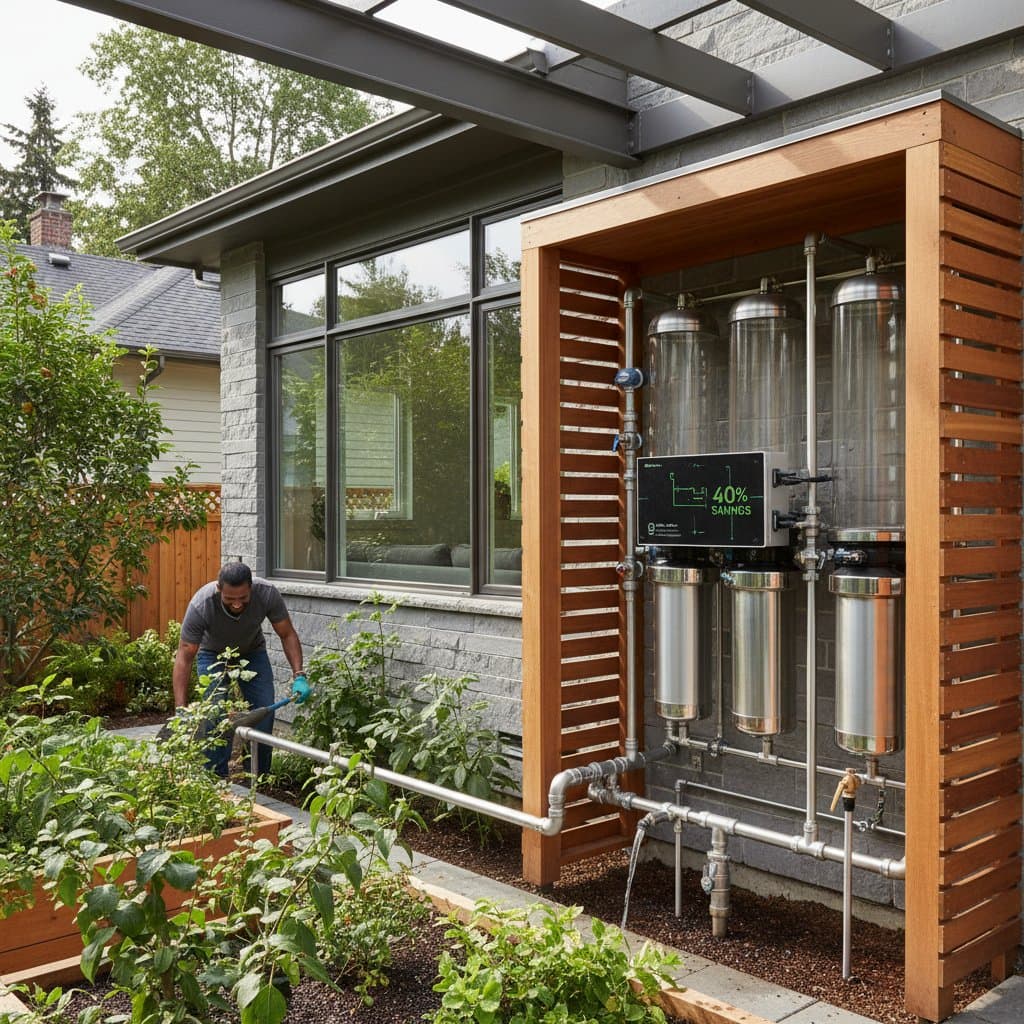
Greywater systems repurpose household wastewater to decrease outdoor water needs by up to 40%. Installations average $5,200, varying by scale, filtration, and permits. From $1,800 DIY options to $9,500 advanced units, discover strategies for savings, essential permits, and professional setup for optimal efficiency and enduring benefits.
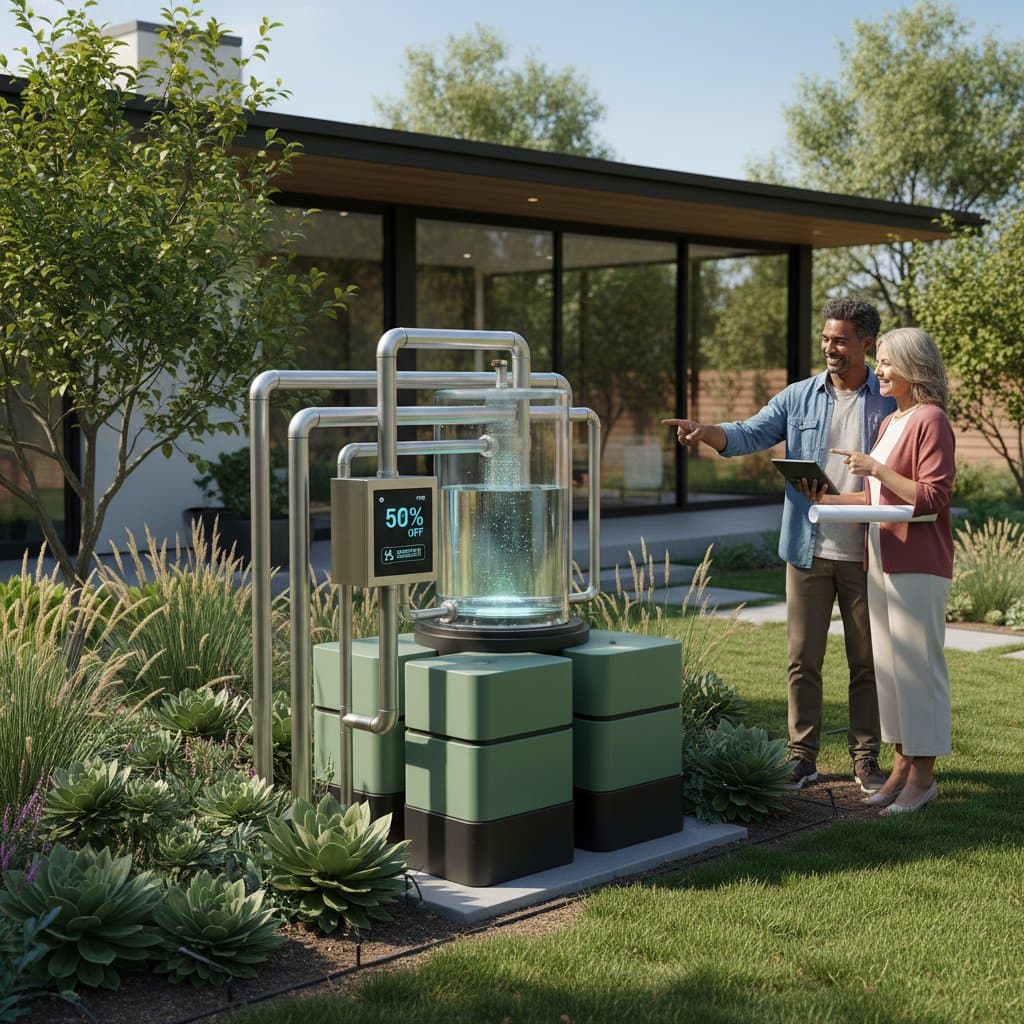
2026 rebates cut greywater system expenses by up to 50%, enhancing affordability for water recycling solutions. This resource covers system design, installation options, rebate qualifications, and practical advice on permits, upkeep, and deciding between DIY approaches or hiring experts to reduce irrigation use, lower costs, and strengthen resilience against water shortages.
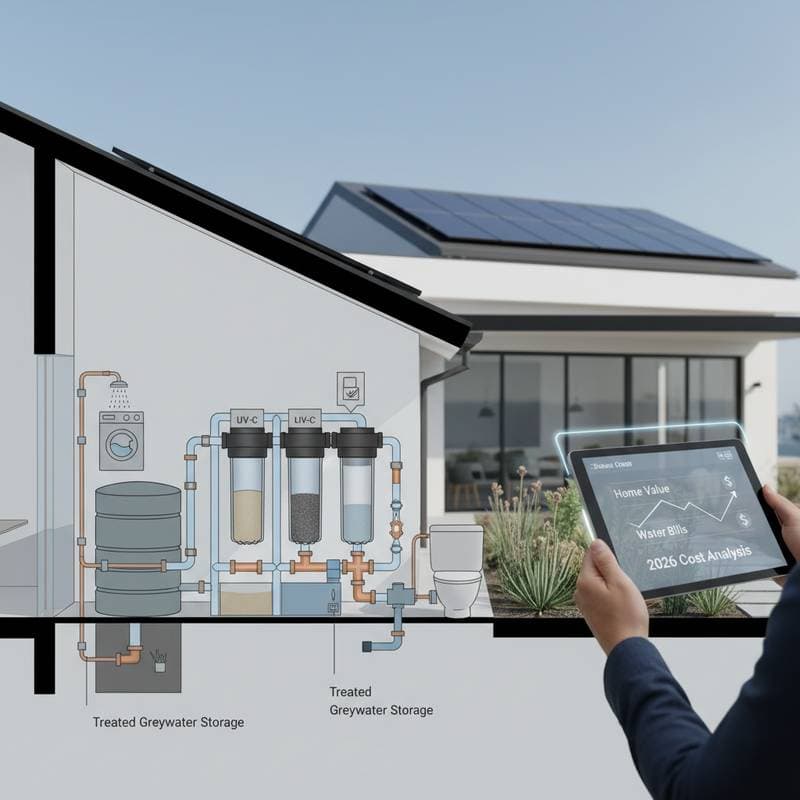
This 2026 guide details greywater systems, including installation costs, permitting processes, DIY options versus professional services, and strategies for cost savings. Understand how project scale, materials, and site factors influence expenses, along with code compliance and maintenance for sustained water conservation and property value gains.
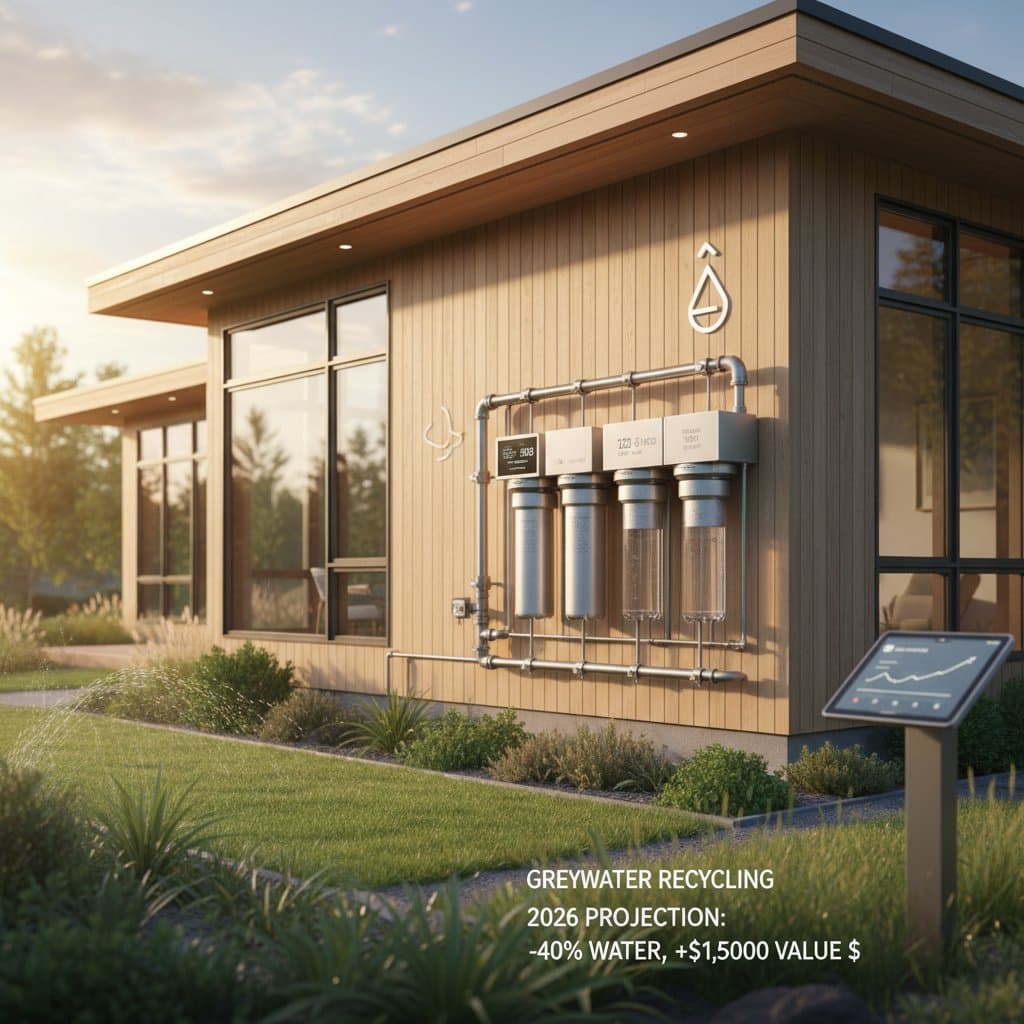
Greywater systems reuse household water to slash usage by 40%, averaging $5,800 to install in 2026. Costs depend on size, features, and location, yet rebates and savings make them a smart choice. Discover breakdowns, DIY options, and tips to optimize efficiency and reduce expenses.
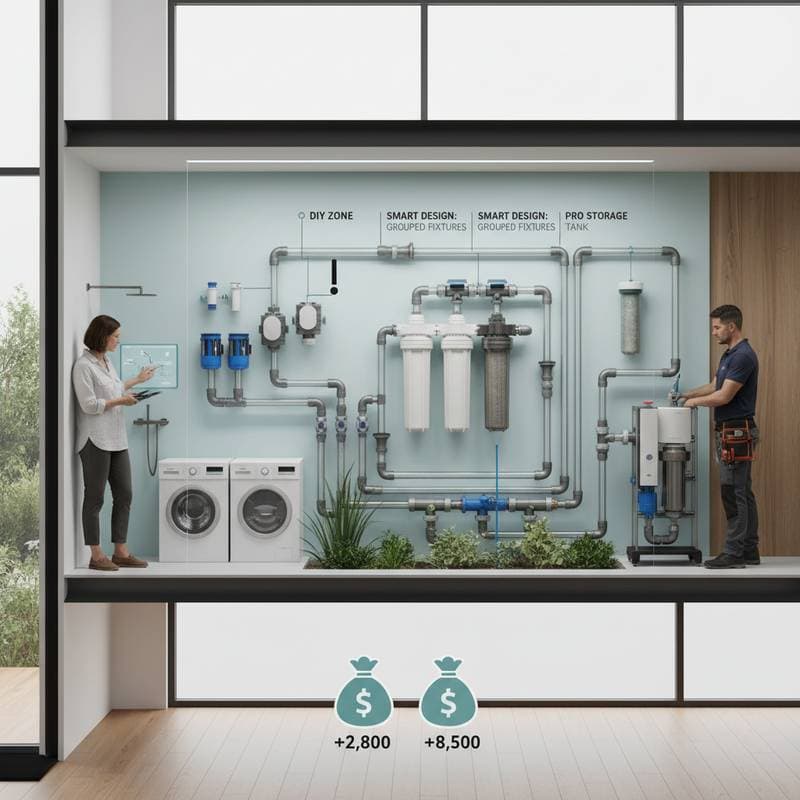
Considering a greywater system in 2026? Budget ranges from $2,800 to $8,500 based on system complexity, filtration options, and professional labor. Discover DIY opportunities, expert recommendations, and design strategies like fixture clustering or tankless setups to optimize expenses and maximize water conservation benefits.
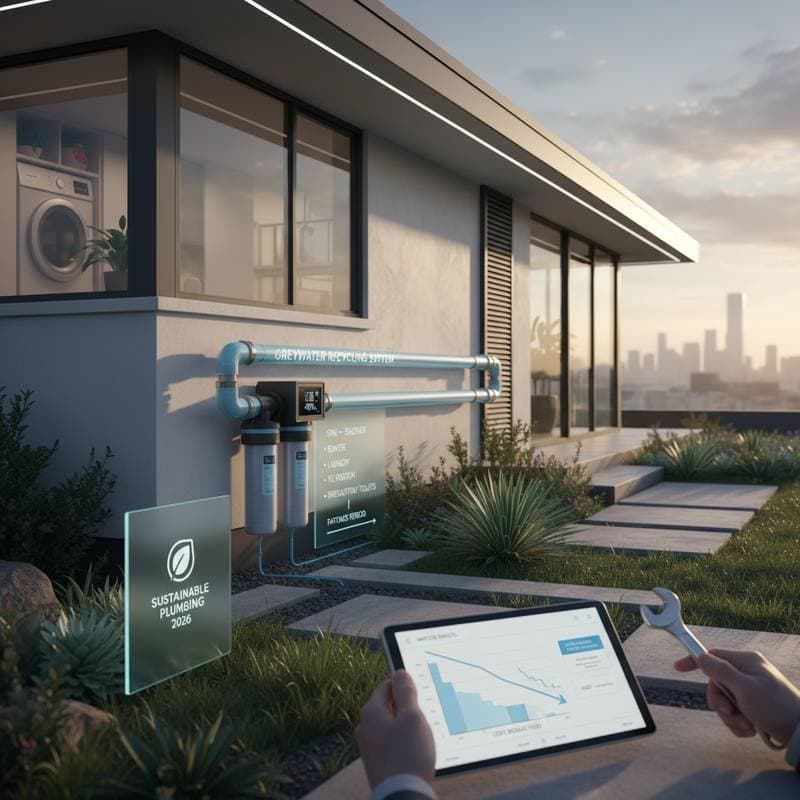
Discover how to install a greywater system that recycles sink, shower, and laundry water for irrigation or toilets. Learn cost ranges from $600 to $12,000, permit requirements, installation steps, and maintenance tips. Understand DIY versus professional options to save water, reduce bills, and stay compliant in 2026.
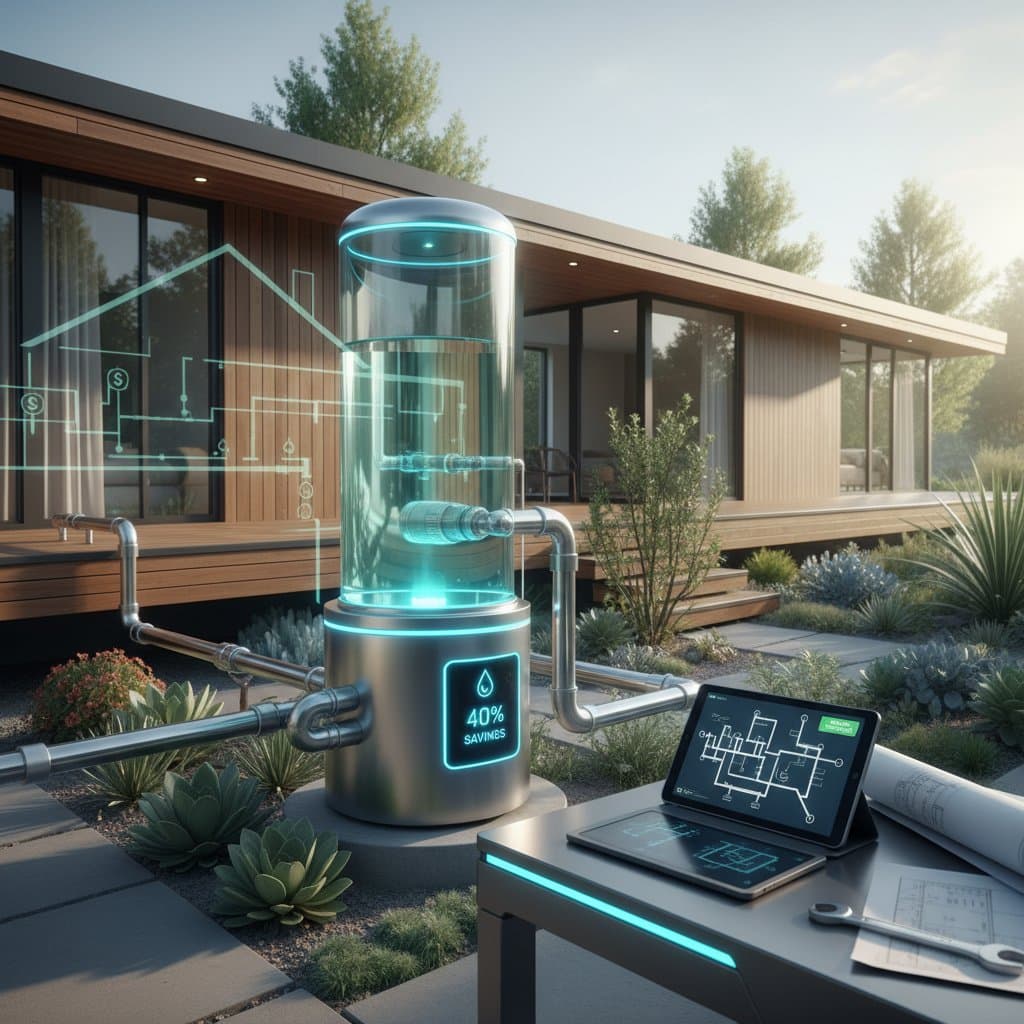
Greywater systems offer homeowners a path to lower water bills and greater sustainability, potentially saving up to 40% on usage. This guide details installation costs, permit processes, maintenance essentials, and strategies for maximizing returns on investment.
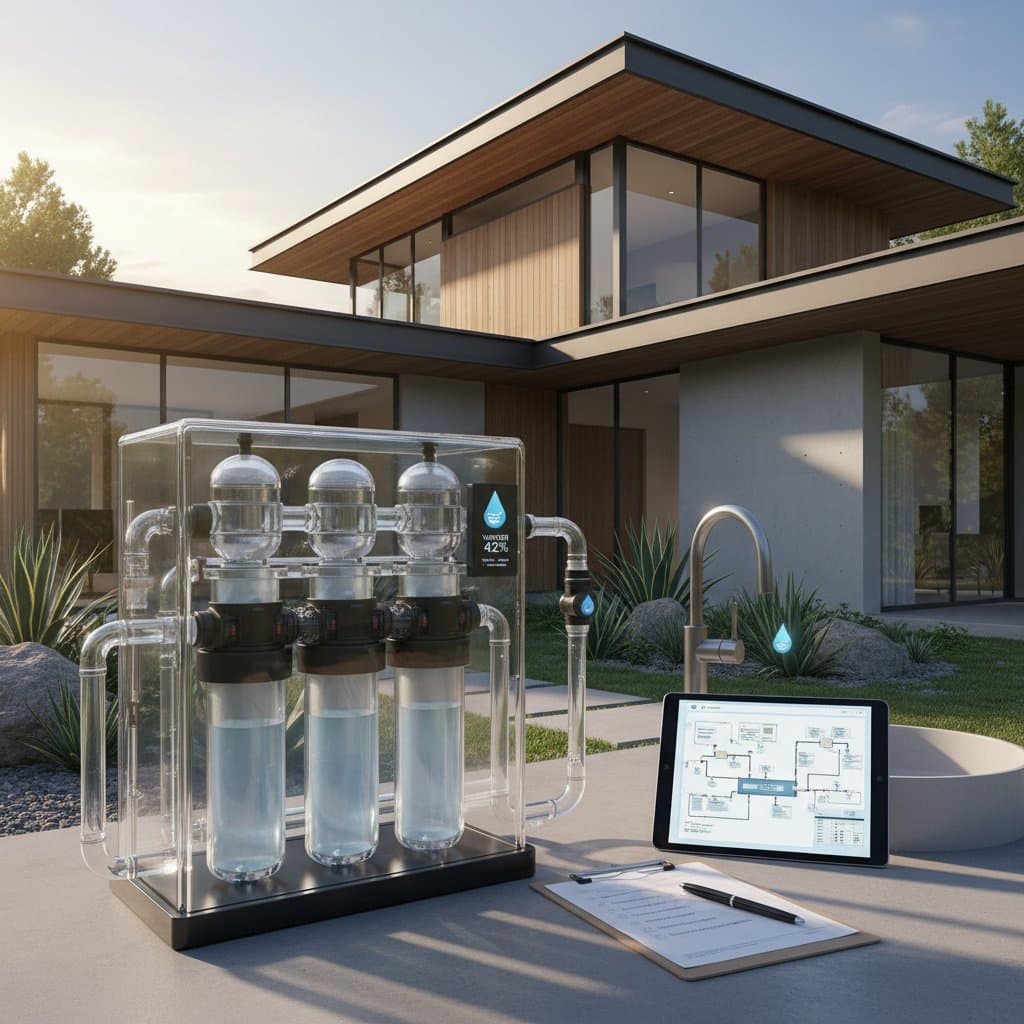
Uncover the essential costs, permits, and planning for 2026 greywater systems. Reuse household water safely to meet regulations, choose between DIY and professional options, and avoid pitfalls. This guide provides budgeting, maintenance tips, and strategies for efficient, legal water savings.
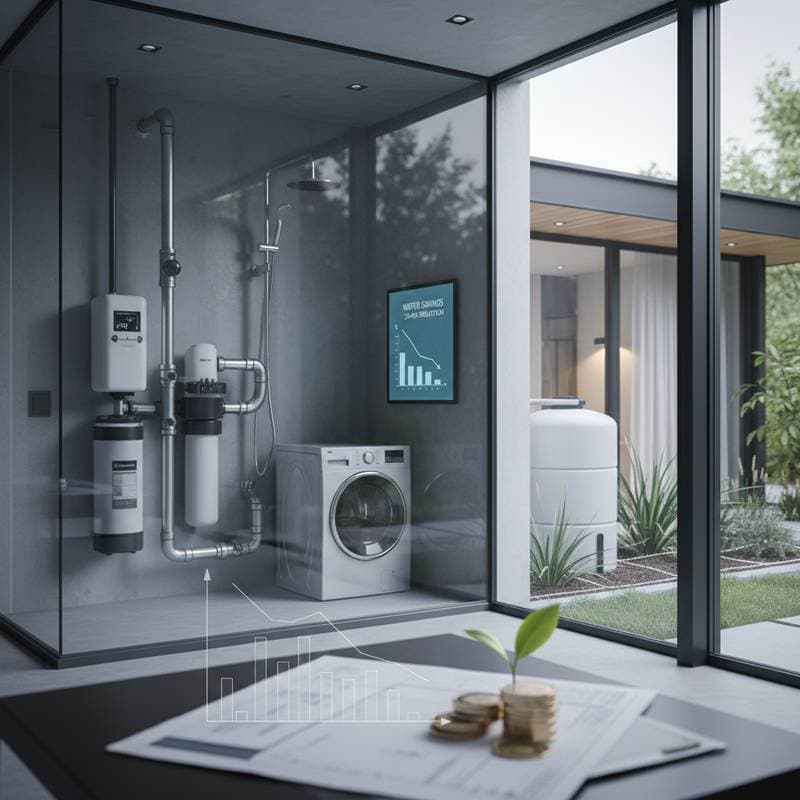
Examine the true expenses of installing a greywater system in 2026, ranging from basic laundry configurations to comprehensive home-wide setups. Discover the influence of rebates, water conservation benefits, and strategic design decisions on return-on-investment timelines, along with essential guidance on maintenance, regulatory compliance, and do-it-yourself approaches to help property owners economize while preserving vital water supplies.
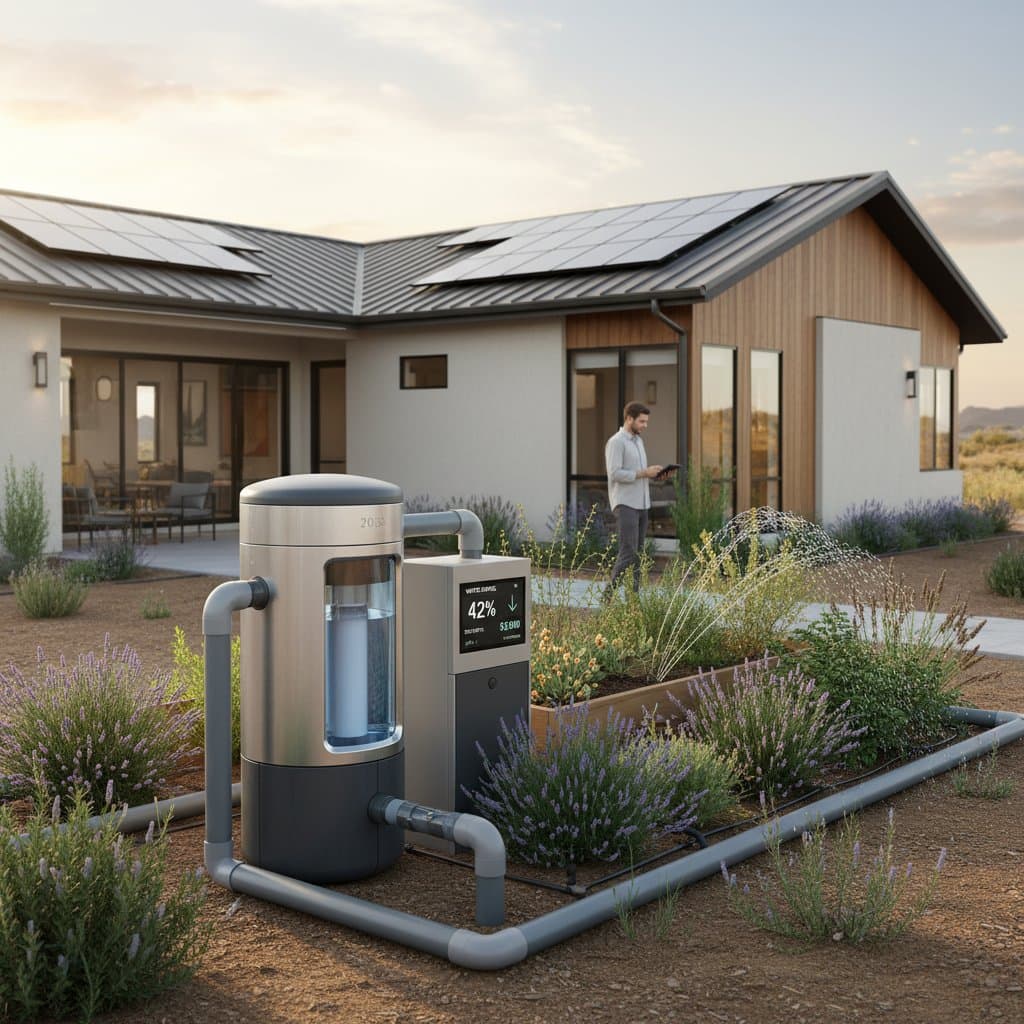
In 2026, greywater systems average $4,200 in cost, ranging from $2,500 to $7,800, with rebates offsetting up to 50 percent of expenses. These installations enable homeowners to decrease water bills by 40 percent, increase home value, and opt for either DIY or professional approaches. Strategic planning, off-season installation, and rebate utilization deliver sustainable financial benefits.
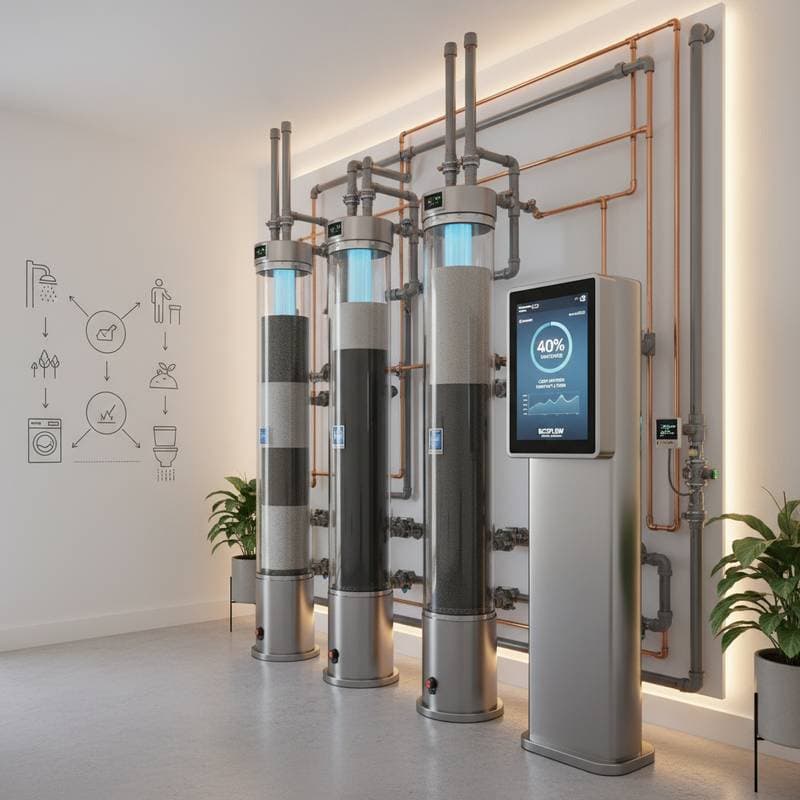
In 2026, greywater systems range from $3,000 to $9,000 based on size, filtration, and plumbing needs. Professional setups average $5,800 and deliver 40% water savings, code compliance, and warranties up to 10 years, promoting sustainability and property value for homeowners.
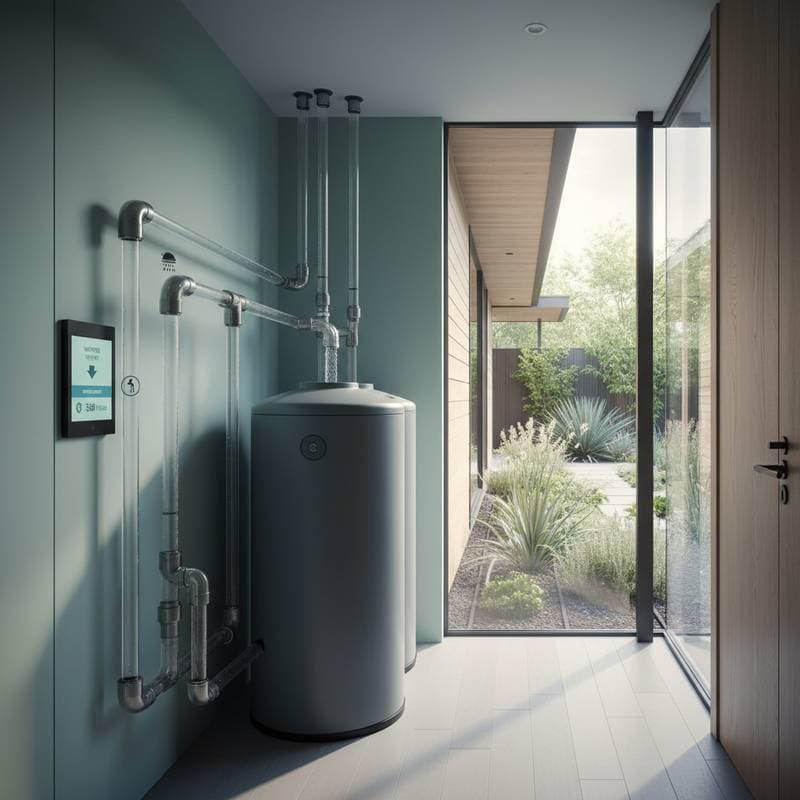
Greywater systems offer a practical way to lower water bills and enhance home sustainability, with installation costs typically between $1,500 and $6,000. These systems repurpose water from sinks, showers, and laundry for irrigation or other uses, potentially saving homeowners $100 to $400 each year. This guide covers key factors influencing costs, permit requirements, DIY options, and maintenance strategies to maximize benefits.
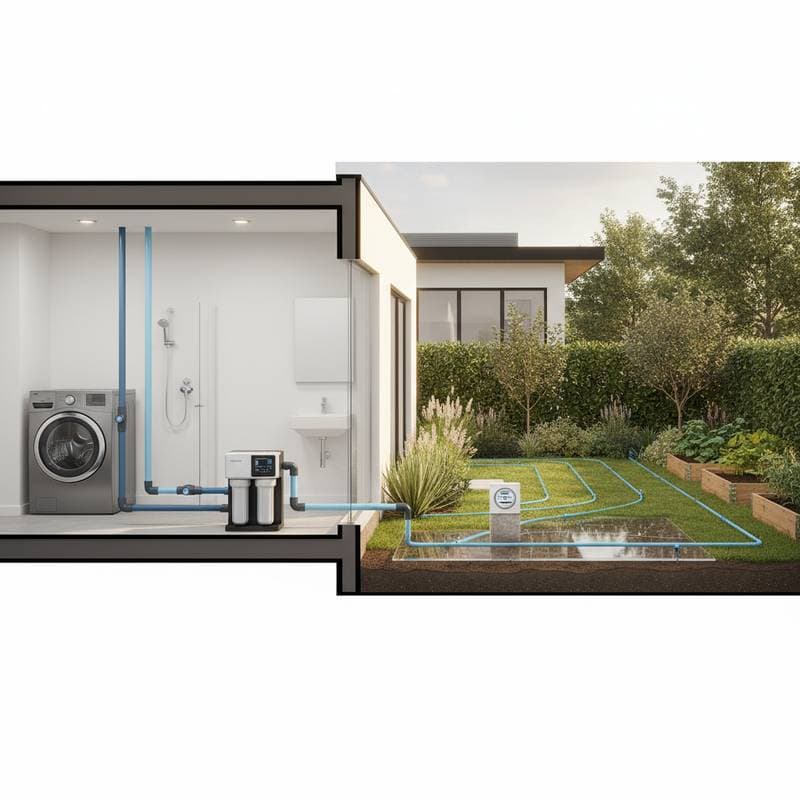
Greywater systems repurpose water from household sources like sinks, showers, and laundry for irrigation or flushing, potentially reducing water consumption by up to 40 percent. Installation costs vary from $2,000 to $8,000, including permits, yet long-term savings and ecological advantages frequently justify the investment. This guide covers installation procedures, regulatory requirements, and tips for effective wastewater management.
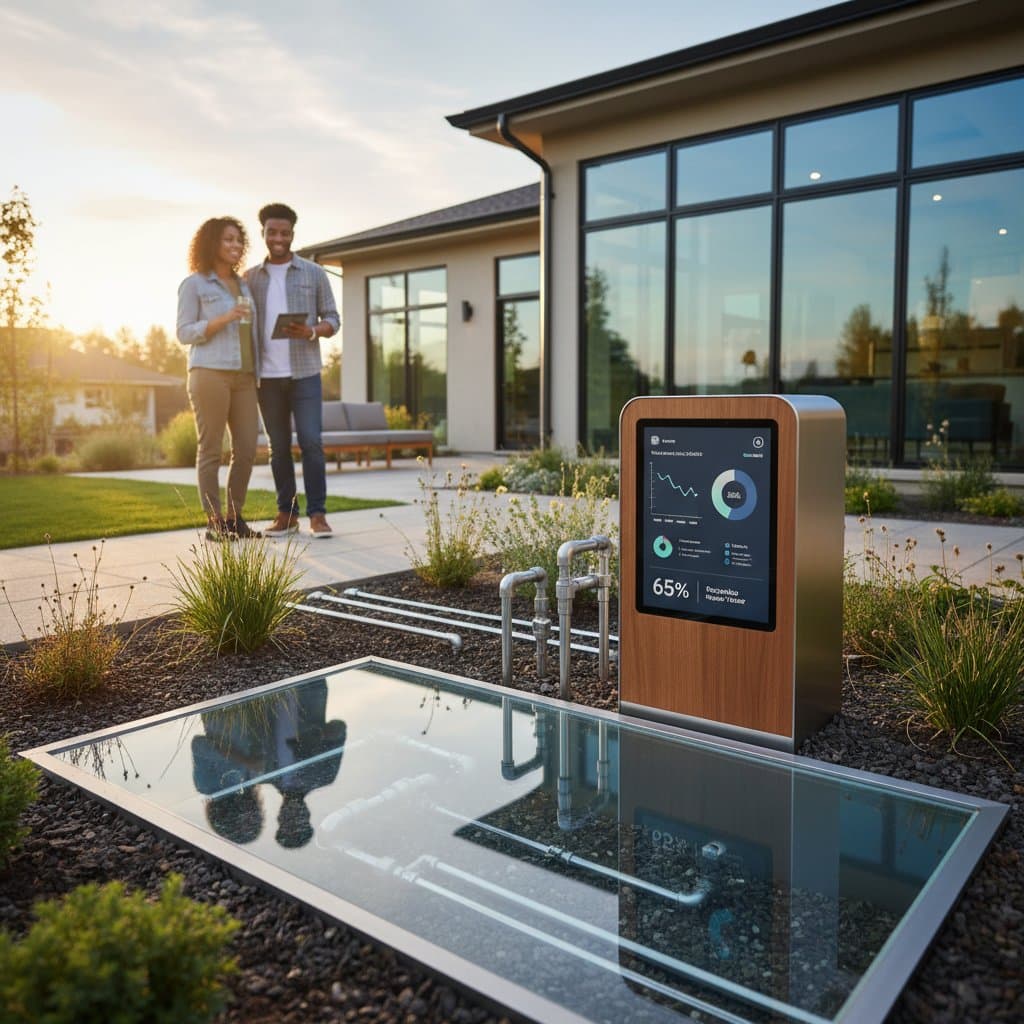
Greywater systems offer a smart way to reduce water use and bills by 2026. This guide details installation costs, rebate options, and maintenance needs, empowering homeowners to select systems that align with their budget and sustainability goals.
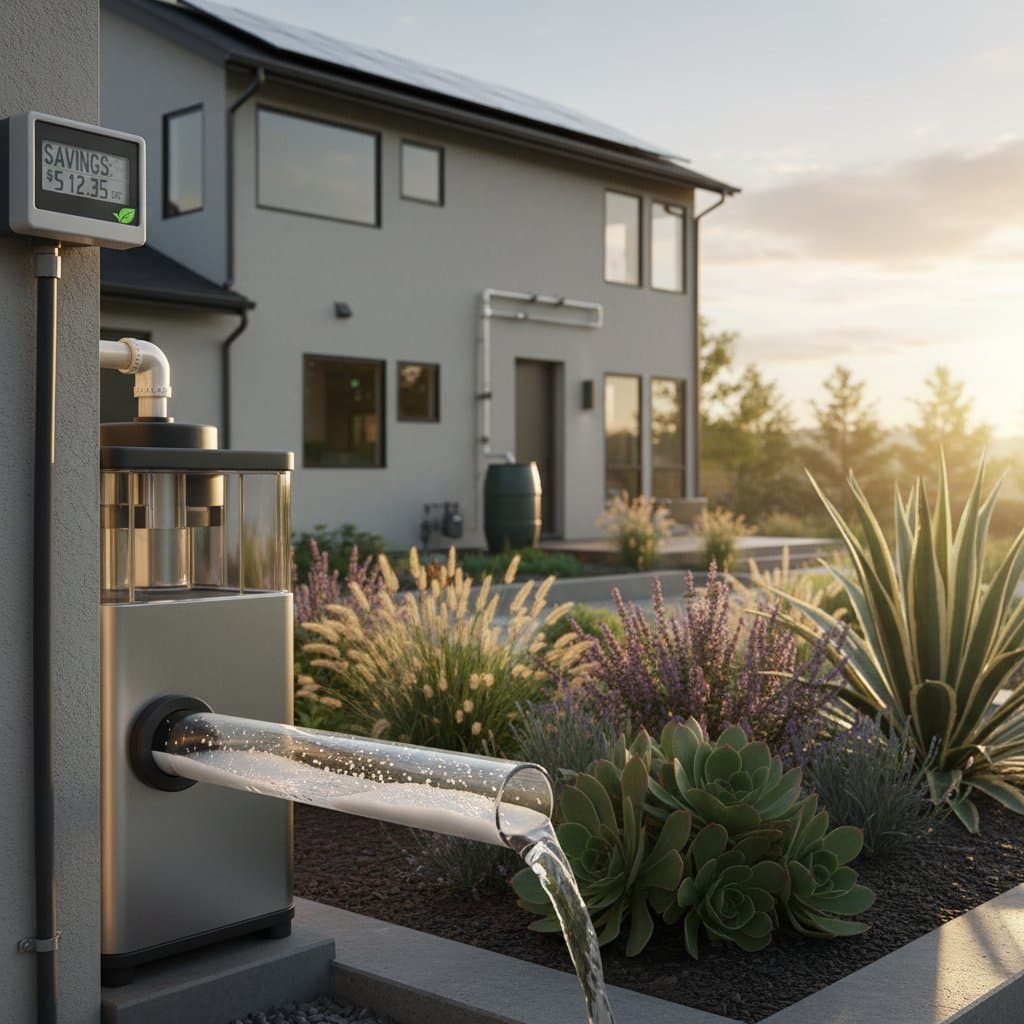
Greywater systems redirect household wastewater for irrigation, slashing water bills by more than $500 annually. This guide details installation costs, DIY versus professional approaches, essential savings tips, and factors influencing expenses, from permits to plumbing details. Gain insights into efficient, value-adding solutions that support environmental goals.
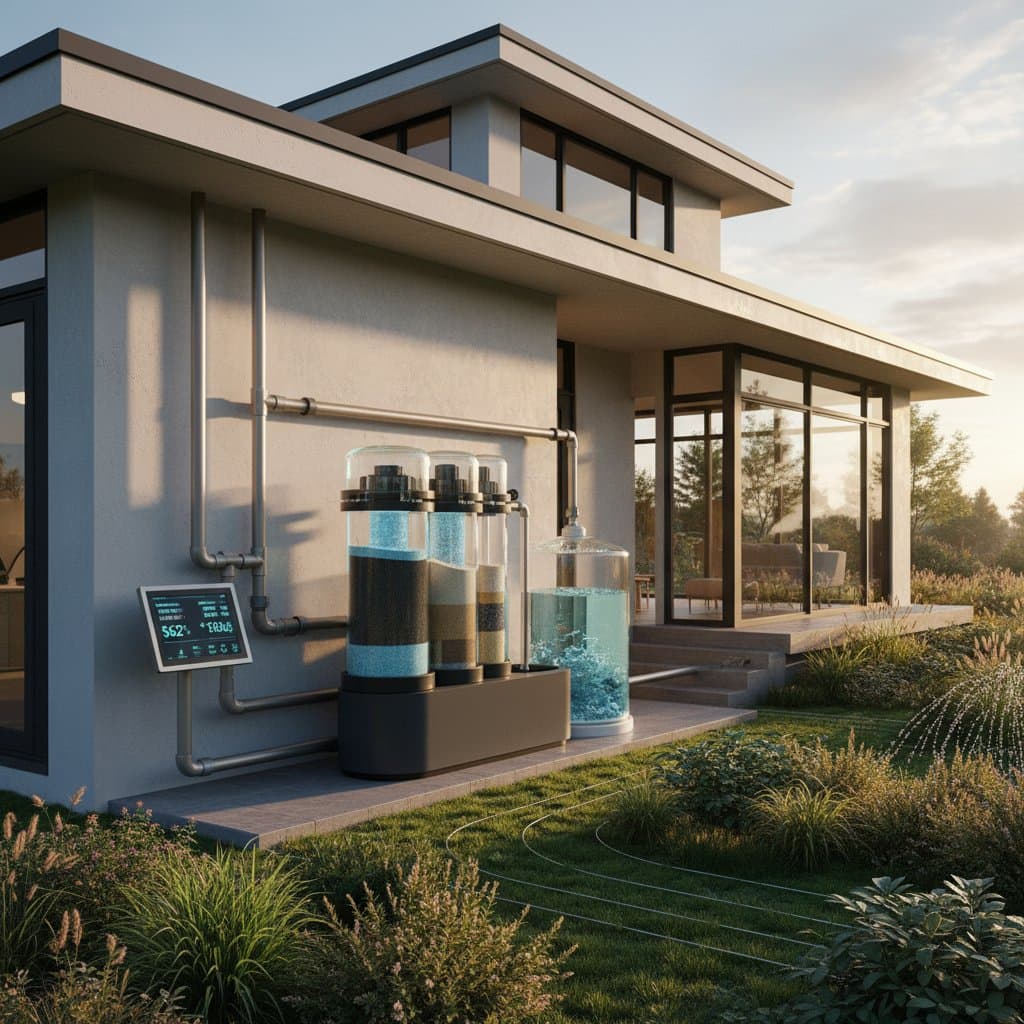
Greywater systems repurpose household wastewater for irrigation or toilet flushing, potentially reducing water use by up to 40 percent. Installation costs vary from $2,000 for basic setups to $15,000 for advanced systems, influenced by design complexity and local permits. Simple laundry-to-landscape designs work well for DIY projects, whereas multi-fixture systems require professional expertise. Understand how system design, building codes, and ongoing maintenance impact performance, cost savings, and environmental benefits.
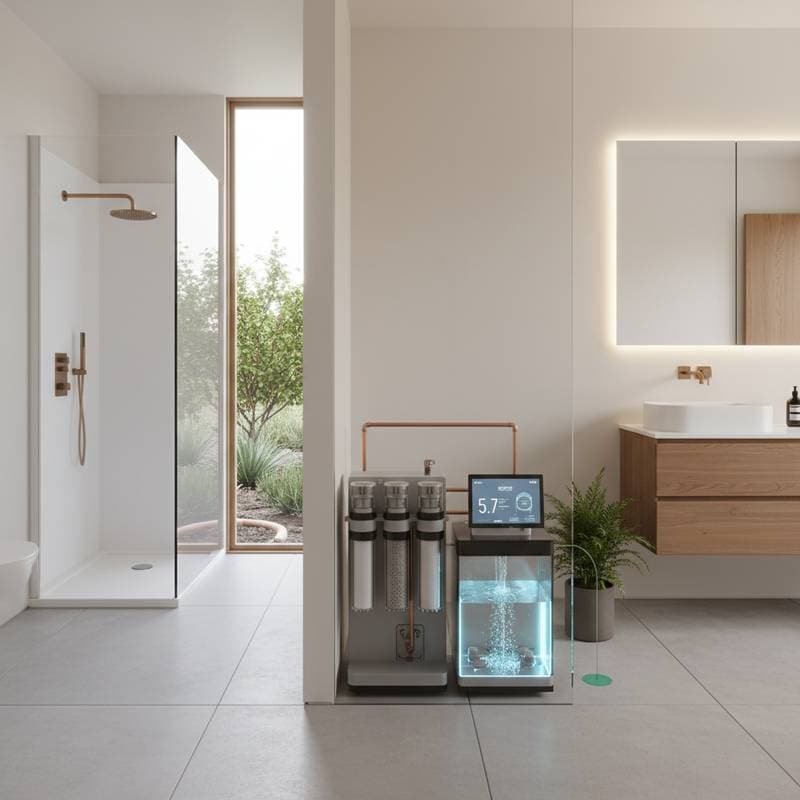
With rising water costs and increasing drought restrictions, greywater systems provide homeowners an effective method to lower expenses and conserve resources. This 2026 guide details system varieties, installation expenses, return on investment periods, setup procedures, and upkeep requirements, assisting in determining if greywater recycling suits your home, finances, and sustainability objectives.
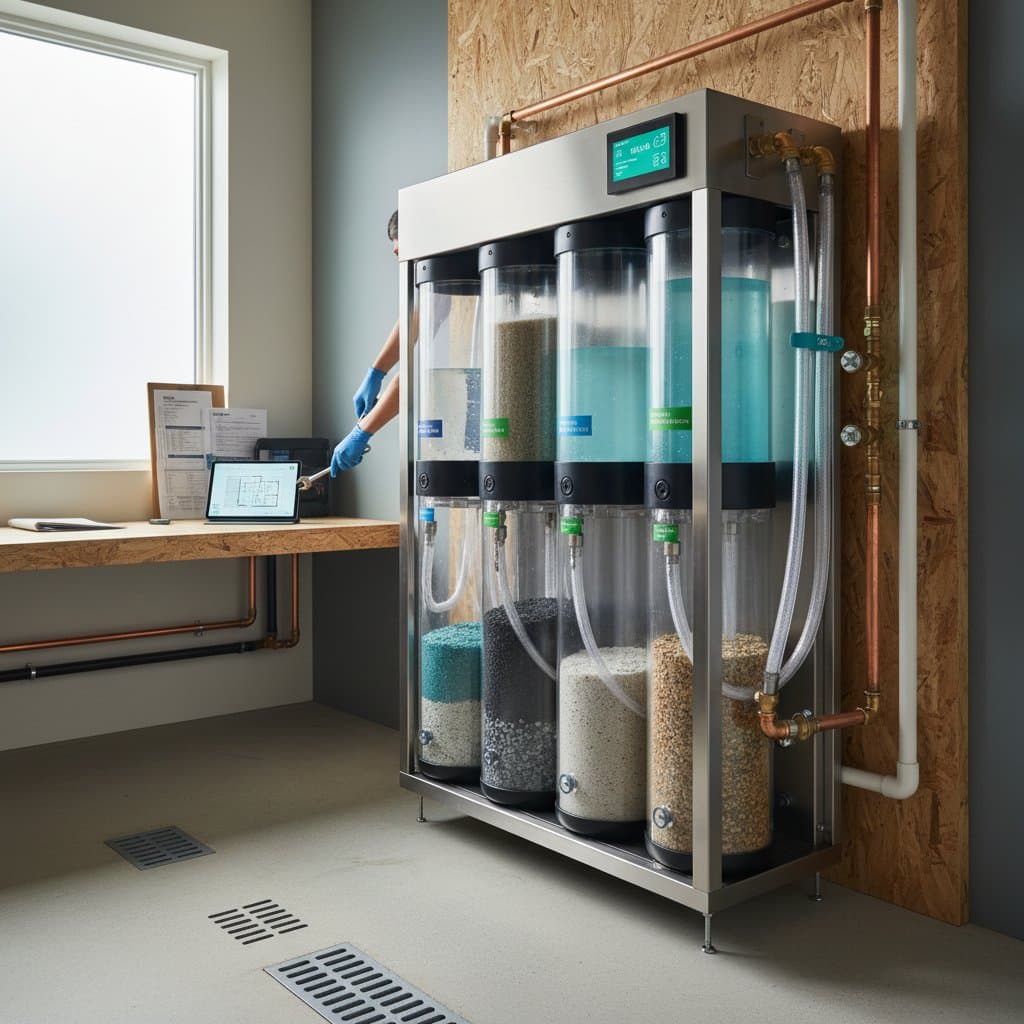
Uncover the true expenses of greywater systems in 2025, from basic $600 DIY options to advanced $15,000 whole-home setups. This guide details how system complexity, local regulations, and property features influence pricing, alongside practical advice for installation, upkeep, and maximizing water conservation benefits.
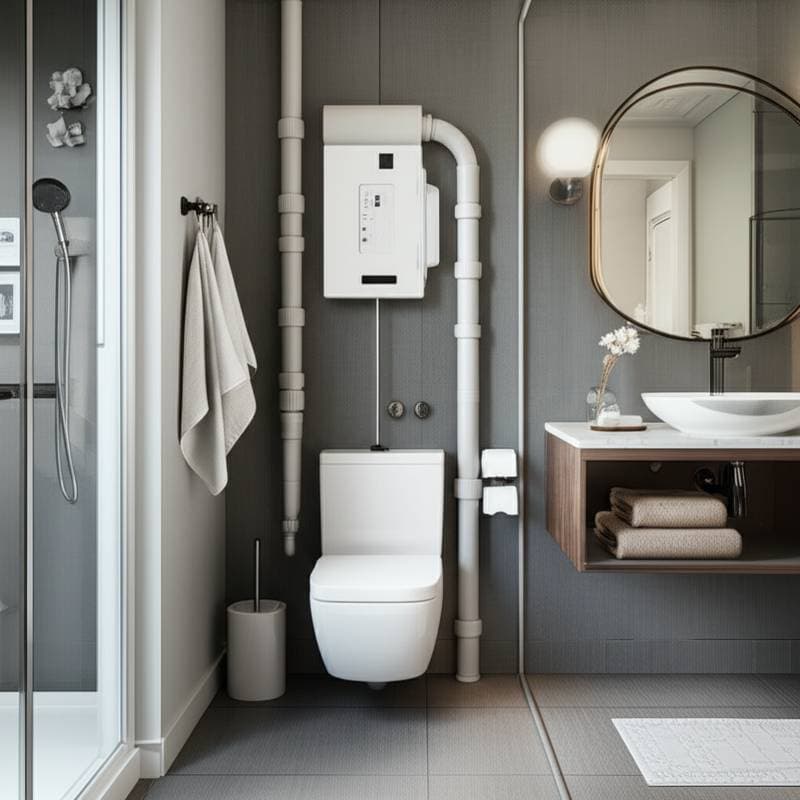
Greywater systems in 2025 cost 30% less, averaging $5,800 for installation and saving up to 45% on water. Modular designs, incentives, and monitoring tech simplify adoption, enhancing home value, cutting bills, and minimizing environmental footprint.