Understanding Granny Pods and Their Rising Appeal
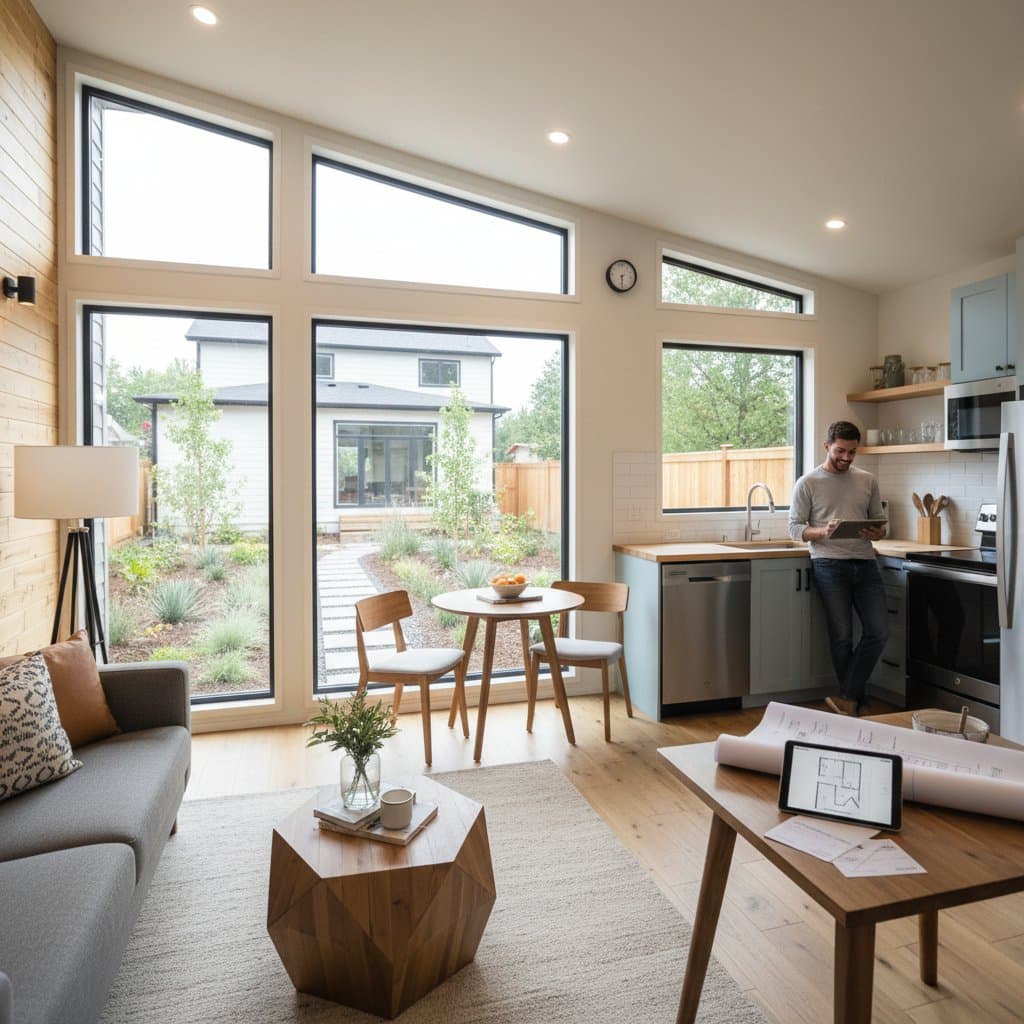
Granny pods, known formally as accessory dwelling units or ADUs, provide a practical solution for families seeking to accommodate aging relatives without sacrificing personal space. These compact, independent structures typically sit in the backyard and include essential amenities like a kitchenette, bedroom, and bathroom. As housing costs escalate, granny pods emerge as a cost-effective alternative to extensive home renovations or institutional care.
By 2026, projections indicate that granny pod construction costs will fall below those of traditional main home additions, which often exceed $200,000 due to structural integrations and larger footprints. This shift stems from advancements in prefabrication, streamlined zoning policies in many areas, and increased demand driving economies of scale. Homeowners benefit from lower upfront investments while gaining long-term flexibility for family needs or rental income.
Comprehensive Cost Breakdown for 2026
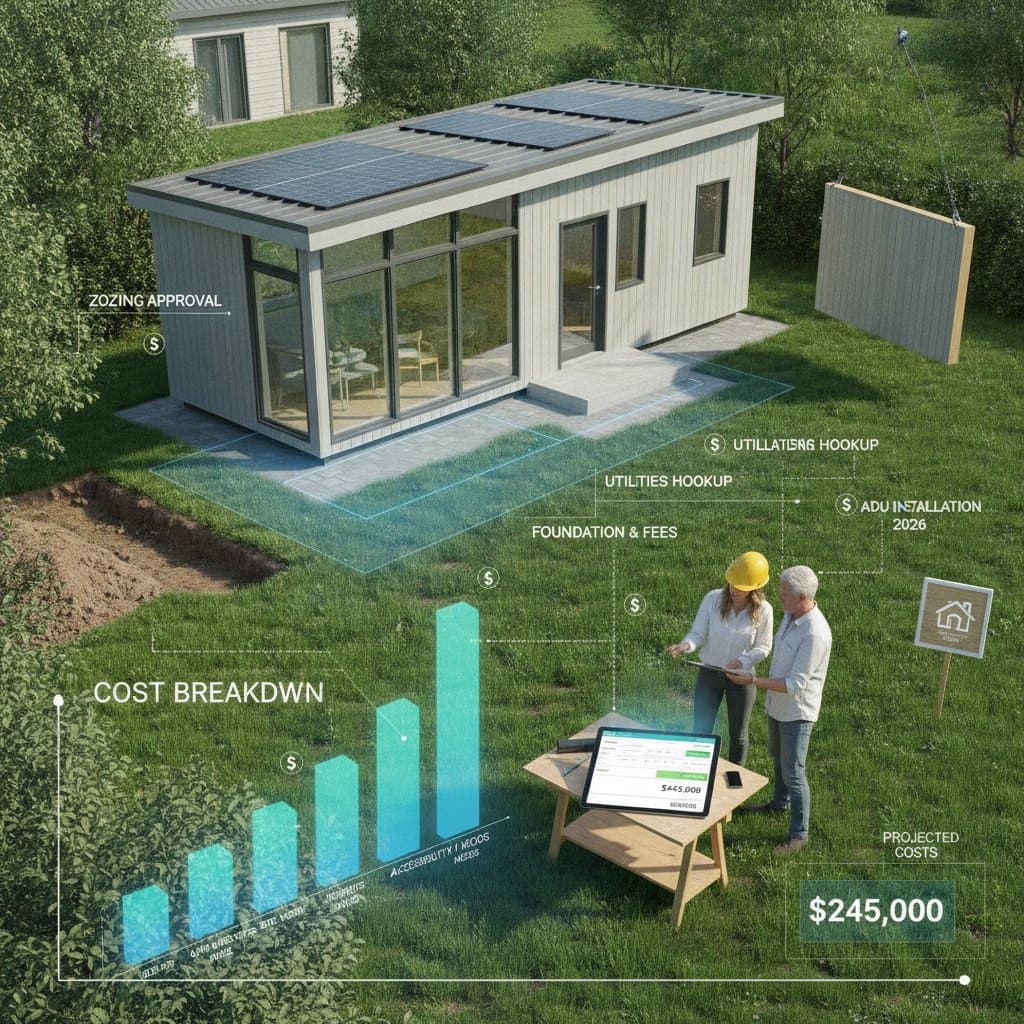
Several elements influence the final price of a granny pod, including unit size, material quality, site preparation challenges, and regional labor variations. Prefabricated models offer significant savings over custom designs by reducing on-site assembly time and material waste. Expect base prices to range from $85,000 for a basic 400-square-foot unit to $175,000 for a more elaborate setup, with premiums for luxury finishes or difficult terrain pushing totals toward $225,000.
The table below outlines key components, providing ranges based on national averages adjusted for 2026 inflation and efficiency gains.
| Scope Item | Material Cost Range | Labor Cost Range | Total Range | Notes on Key Drivers |
|---|---|---|---|---|
| Foundation and Site Prep | $6,000 - $15,000 | $5,000 - $12,000 | $11,000 - $27,000 | Soil stability, grading needs, and utility connections vary costs significantly. |
| Structure Shell and Framing | $25,000 - $45,000 | $15,000 - $30,000 | $40,000 - $75,000 | Prefab options cut labor by up to 40 percent through factory assembly. |
| Interior Finishes | $10,000 - $25,000 | $8,000 - $18,000 | $18,000 - $43,000 | Choices in flooring, countertops, and lighting directly impact expenses. |
| Plumbing, Electrical, HVAC | $12,000 - $20,000 | $10,000 - $16,000 | $22,000 - $36,000 | Proximity to existing utilities reduces piping and wiring lengths. |
| Permits, Design, Inspections | $3,000 - $10,000 | N/A | $3,000 - $10,000 | Local regulations and professional plan stamping fees differ by municipality. |
Three primary factors drive these costs: the grade of materials selected, the complexity of labor required, and the site's access conditions. For instance, opting for energy-efficient insulation adds $2,000 to $5,000 initially but yields savings on utility bills over time. Homeowners in urban areas may face higher permit fees, while rural properties benefit from simpler zoning approvals.
Compared to main home additions, which integrate seamlessly with existing structures and demand reinforced foundations, granny pods avoid these complexities. A typical addition might cost $150 to $300 per square foot, versus $200 to $400 for granny pods, but the standalone nature keeps overall expenses 20 to 30 percent lower in 2026.
Navigating Zoning Rules and Permits
Zoning regulations form the cornerstone of any granny pod project, determining whether your property qualifies. Most jurisdictions now permit ADUs in residential zones, but restrictions on size, height, and setbacks from property lines apply. For example, units cannot exceed 800 square feet in many cities, and they must maintain a 10-foot buffer from neighboring boundaries.
Begin by consulting your local planning department to review zoning maps and ordinances. Some areas require owner-occupancy, meaning the primary homeowner must reside on the property. Others impose parking mandates or aesthetic guidelines to blend the pod with the main home's style. Non-compliance risks fines or demolition orders, so early verification proves essential.
Permitting involves submitting detailed plans, often prepared by a licensed architect or engineer. Fees cover building, electrical, plumbing, and zoning reviews, with timelines ranging from four to twelve weeks. In progressive states like California, expedited processes for ADUs cut approval times by half. Always factor in inspections at foundation, framing, and final stages to ensure code adherence.
Step-by-Step Construction Guide
Building a granny pod demands careful planning to balance efficiency and quality. Professionals recommend starting with a feasibility assessment to confirm site suitability. The process unfolds in phases, each building on the previous for a secure, habitable result.
-
Conduct Site Evaluation. Survey the backyard for dimensions, slopes, and utility access points. Verify setbacks and test soil for load-bearing capacity, which influences foundation type.
-
Develop Design and Secure Permits. Collaborate with a draftsperson to create compliant blueprints, including elevations and utility schematics. Submit for approval, addressing any revisions promptly.
-
Prepare Foundation. Excavate and pour a concrete slab or install pier foundations based on local frost lines and soil reports. Ensure proper drainage to prevent water accumulation.
-
Erect Framing and Shell. Assemble the structural frame using treated lumber or place a prefabricated module via crane. Secure against wind and seismic activity per code.
-
Install Rough-Ins. Route plumbing lines, electrical conduits, and ductwork before enclosing walls. Connect to the main home's systems where feasible to minimize digging.
-
Apply Insulation and Drywall. Install minimum R-13 wall insulation and R-30 ceiling insulation for energy efficiency. Hang and tape drywall sheets for a smooth interior surface.
-
Complete Interior Finishes. Fit kitchen cabinets, bathroom fixtures, and flooring materials. Paint walls and install lighting to create a welcoming space.
-
Undergo Final Inspection. Invite inspectors to verify all systems function correctly. Obtain a certificate of occupancy to legalize use.
A dedicated DIY approach suits handy individuals with construction experience, spanning 10 to 16 weeks part-time. Hiring a professional team accelerates completion to 6 to 10 weeks, though it increases labor costs by 20 to 30 percent. Weather delays and supply chain issues remain potential hurdles, so schedule during dry seasons.
Essential Maintenance for Longevity
Quality-constructed granny pods endure 25 to 40 years with routine upkeep, mirroring that of a standard small home. Proactive care prevents costly repairs and preserves structural integrity.
Immediately after installation, inspect site grading and downspouts to direct water away from the foundation. Perform seasonal tasks such as gutter cleaning, HVAC filter replacements, and smoke detector tests to maintain safety and efficiency.
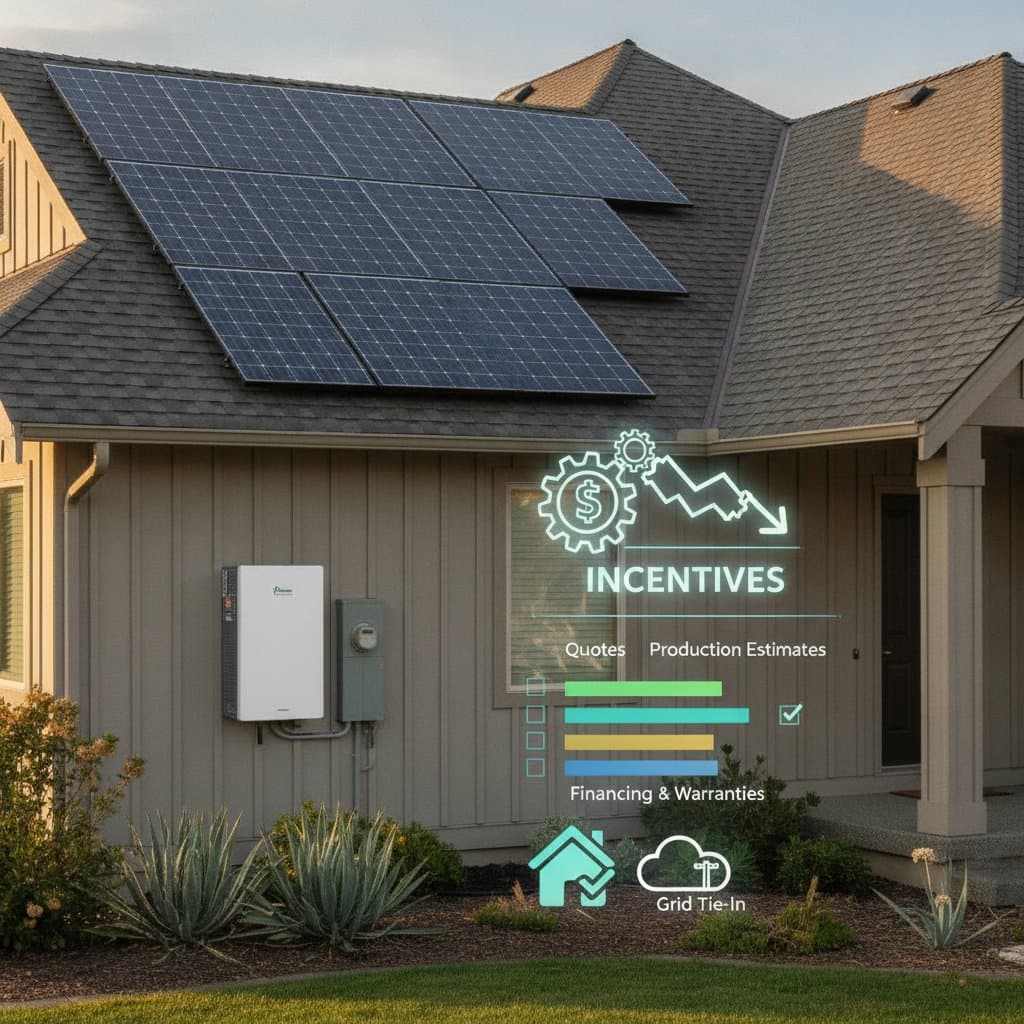
Annually, examine caulking around windows, roof fasteners for looseness, and foundation vents for blockages. At the 20- to 30-year mark, budget for replacements like siding, roofing, and windows to extend the unit's life. Energy-efficient upgrades, such as solar panels, enhance sustainability and may qualify for rebates.
Readiness Checklist for Your Project
- Confirm local zoning allows ADUs and review size/height limits.
- Assess site for utilities, setbacks, and soil conditions.
- Gather quotes from prefab suppliers and contractors for cost comparisons.
- Prepare stamped plans and apply for all required permits early.
- Select materials balancing budget and durability, prioritizing insulation.
- Plan maintenance schedule from day one to ensure long-term value.
- Consult family needs to customize layout for comfort and accessibility.
Realizing Multigenerational Benefits
Investing in a granny pod not only controls costs compared to home additions but also fosters family closeness and independence. By addressing zoning hurdles upfront and following a structured build process, homeowners create a versatile space that adapts to evolving needs. This approach delivers immediate practical value, from simplified caregiving to potential income generation, securing a brighter future for all involved.