The True Costs of Installing a Granny Pod in 2026
Summary Box
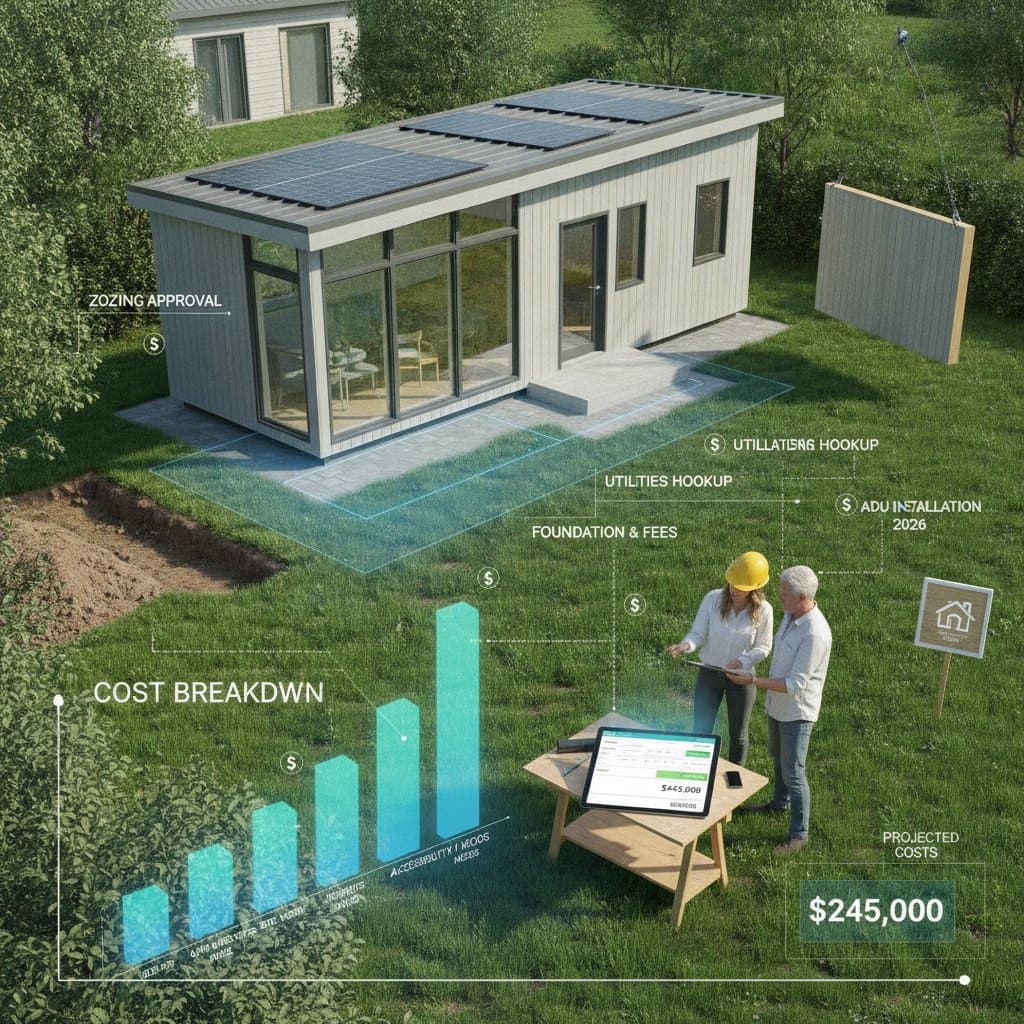
National average cost: $145,000
Typical range: $90,000 to $210,000
Low end and high end: $60,000 prefab shell to $300,000 custom build
Time to complete: 10 to 20 weeks
DIY or Pro: Licensed contractor required
ROI or resale impact: 60 to 80 percent depending on market
Updated: April 2026
Cost Breakdown
| Item | Unit cost | Typical quantity | Line total | Notes |
|---|---|---|---|---|
| Foundation and site prep | $10 to $18 per sq ft | 400 sq ft | $4,000 to $7,200 | Includes grading, trenching, footings |
| Structure shell | $100 to $180 per sq ft | 400 sq ft | $40,000 to $72,000 | Prefab or stick-built frame with insulation |
| Interior finishes | $60 to $120 per sq ft | 400 sq ft | $24,000 to $48,000 | Drywall, flooring, cabinetry, trim |
| Plumbing and electrical | Lump sum | - | $12,000 to $20,000 | Includes fixtures, wiring, panel tie-in |
| HVAC and ventilation | Lump sum | - | $6,000 to $10,000 | Mini-split or compact duct system |
| Permits and utility fees | Flat fee | - | $2,000 to $5,000 | Varies by local code |
| Delivery or crane set | Lump sum | - | $3,000 to $6,000 | For prefab units |
| Contingency | 10 percent | - | $10,000 to $20,000 | Covers design changes or delays |
Typical total: $90,000 to $210,000
Add-ons and Allowances
- Accessibility upgrades: $5,000 to $15,000 for ramps, wider doors, roll-in shower
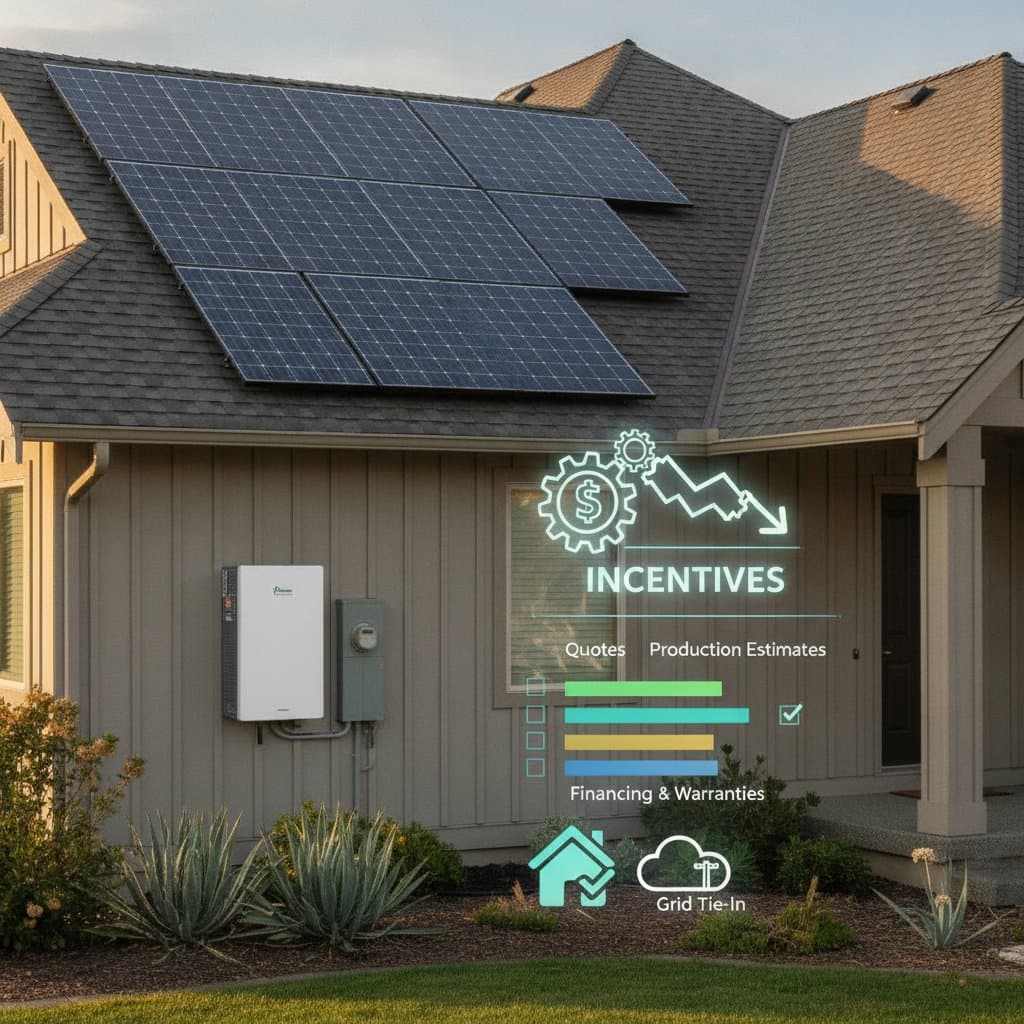
- Solar or energy storage: $8,000 to $25,000
- Landscaping and fencing: $3,000 to $10,000
- Appliances and furnishings: $5,000 to $12,000
Key Factors Influencing Costs
The scope and size of the granny pod play a central role in determining expenses. Units typically measure between 250 and 600 square feet. Larger designs reduce the cost per square foot yet demand more extensive utility connections.
Material choices and finish levels also affect the budget significantly. Opt for basic vinyl flooring and laminate counters to maintain lower costs. Selecting premium options such as tile, stone surfaces, or custom cabinetry increases expenses by 20 to 40 percent.
Site conditions present another variable. Sloped terrain, the need for tree removal, or restricted access can elevate excavation and delivery charges substantially.
Labor markets vary widely. In high-demand metropolitan areas, rates often exceed national averages by 15 to 25 percent.
Custom features add complexity and cost. Elements like built-in storage, vaulted ceilings, or integrated smart home systems elevate both design fees and permitting requirements.
Professional Installation Versus DIY Elements
Homeowners with relevant skills may tackle tasks such as interior painting, flooring installation, or trim work after the shell and utilities stand complete. However, foundations, framing, plumbing, and electrical systems necessitate licensed professionals. Connections to the primary residence for water, sewer, or power must comply with local codes and undergo inspections.
Failure to secure permits can lead to substantial fines and complications during property resale.
Prefabricated granny pods arrive as modular units that require minimal on-site assembly. Even so, placement demands heavy machinery and precise alignment with existing utilities. Engage a general contractor to oversee trade coordination and ensure all inspections pass.
Strategies to Control Costs Effectively
Select a prefabricated model featuring standard finishes to eliminate unnecessary design expenses.
Opt for a straightforward layout, such as a single-room studio with an efficient bathroom, to reduce overall outlays by thousands of dollars.
Coordinate the project with concurrent site improvements, including driveway expansions or utility trenching, to share resources and minimize disruption.
Obtain quotes from at least three contractors. Inquire specifically about inclusions for site access, crane rentals, and permit processing.
Finalize all design decisions before construction begins. Modifications after framing commence introduce delays and additional charges.
Project Timeline and Planning Essentials
Allocate four to six weeks for initial design development and permit approvals. Follow with six to ten weeks for site preparation and assembly. Prefabricated options accelerate on-site labor but may involve extended manufacturing lead times of several months.
Clear scheduling prevents surprises. Consult local authorities early to understand zoning rules and utility connection protocols.
Long-Term Maintenance for Durability
A properly constructed granny pod endures as long as the main residence with routine care. Conduct annual inspections of the roof, siding, and foundation to identify issues promptly.
Service HVAC filters every three months and monitor plumbing for leaks. Refresh exterior caulk and paint applications every five to seven years to protect against weather damage.
Investing in preventive measures extends the unit's lifespan and preserves its value.
Sources of Cost Estimates
These figures draw from current national and regional data, insights from contractor consultations, and records of completed accessory dwelling unit projects. Actual prices fluctuate based on location, labor availability, and material supplies.
Steps to Maximize Value from Your Investment
Begin by assessing your property's zoning and utility capacity to confirm feasibility. Engage an architect or designer familiar with accessory dwellings to create a plan that balances comfort and budget.
Prioritize energy-efficient features during planning to lower ongoing utility bills. Document all permits and warranties for future reference.
Ultimately, a well-executed granny pod enhances family living arrangements while potentially boosting property equity through improved resale appeal.