
Articles tagged with system
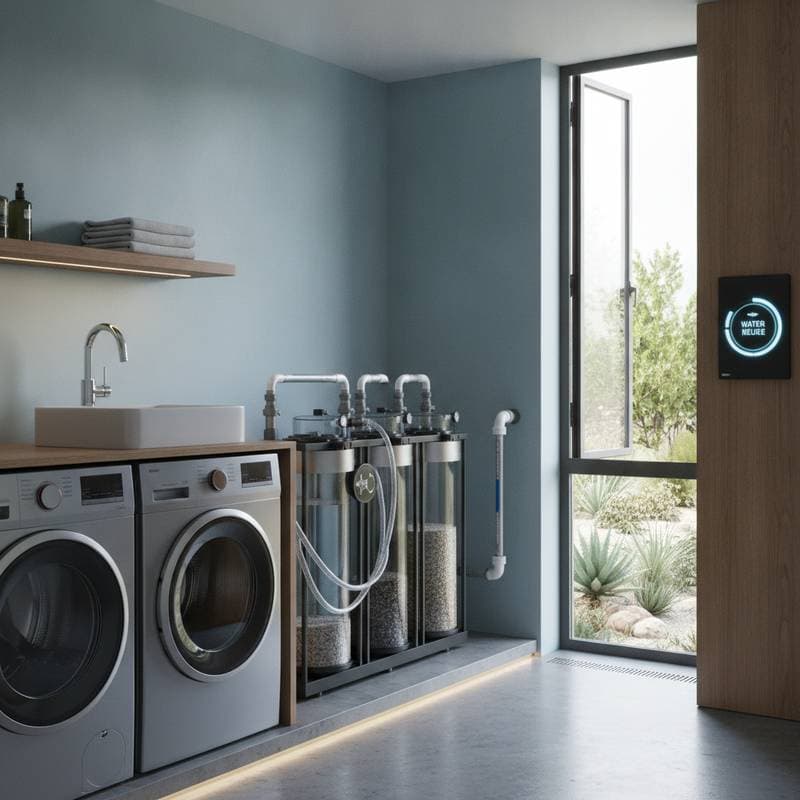
Greywater recycling reuses water from sinks, showers, and laundry to irrigate landscapes and save resources. This guide covers permits, safe installation, filtration, and maintenance essentials. Learn when DIY works, when to hire a pro, and how proper planning prevents contamination while maximizing sustainability, efficiency, and compliance with local regulations.

Homeowners across the country now face average septic replacement costs of 15000 due to higher material, labor, and permit expenses. The work requires licensed installers, proper design, and inspections to avoid contamination. Find out what influences pricing, when replacement becomes necessary, and how to extend system life.
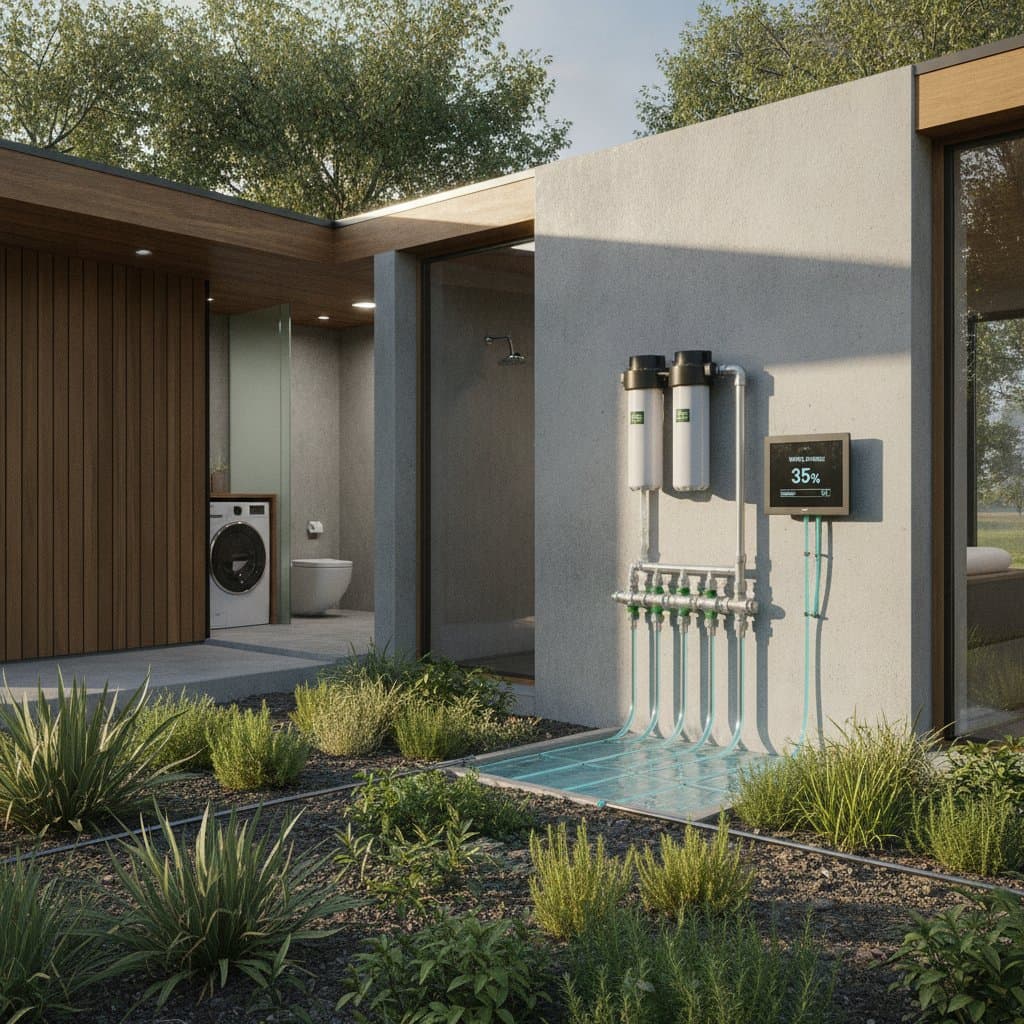
Install a legal greywater system to reuse water from sinks, showers, and laundry. Compare system types, review costs from 800 to 6000 dollars, follow permit steps, and achieve up to 50 percent lower household water use.

Home warranties in 2026 cover solar systems connected to household wiring yet often exclude panels and batteries without add ons. Clear details on limits, maintenance rules, and verification steps help protect your investment.
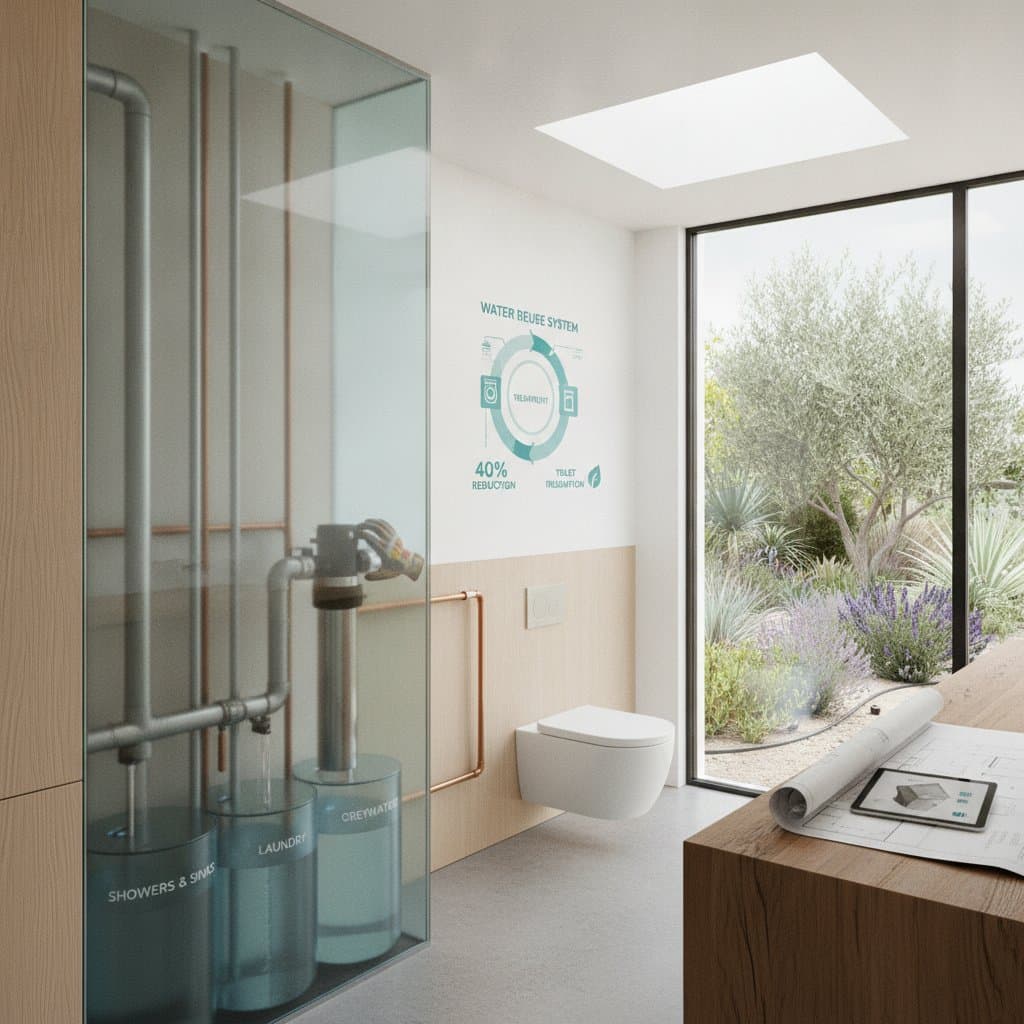
Greywater systems capture water from sinks, showers, and laundry for garden irrigation and toilet flushing. This guide covers system options, costs, installation, safety requirements, and upkeep to help homeowners lower consumption while meeting local codes.
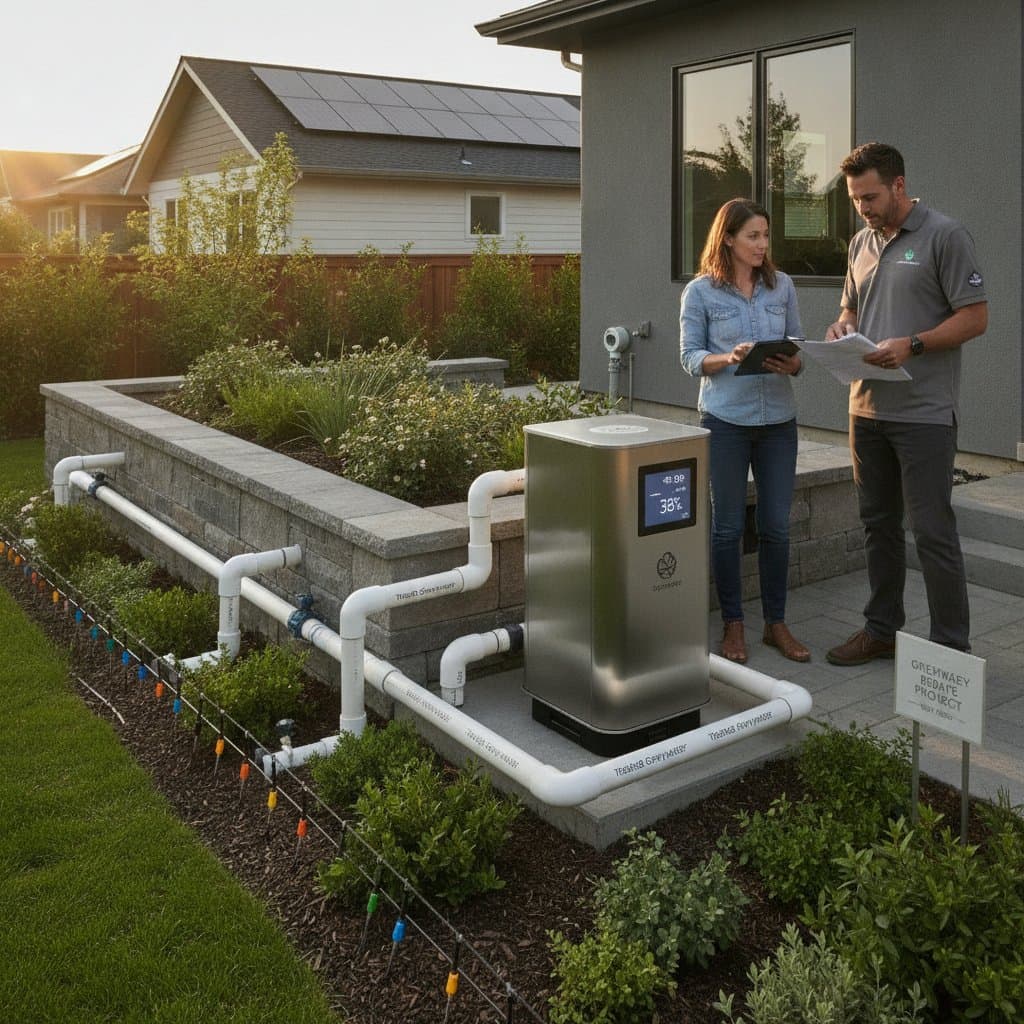
Greywater systems average 4800 dollars to install and cut outdoor water use by up to 40 percent. Explore costs, rebates, and practical steps for efficient water reuse.

AI-monitored warranties use real-time performance data to verify system health, speed up claims, and prevent disputes. With sensors, cloud analytics, and smart alerts, they turn maintenance logs into coverage proof. Learn costs, setup steps, and when professional installation ensures full protection for your smart home investment and warranty confidence.
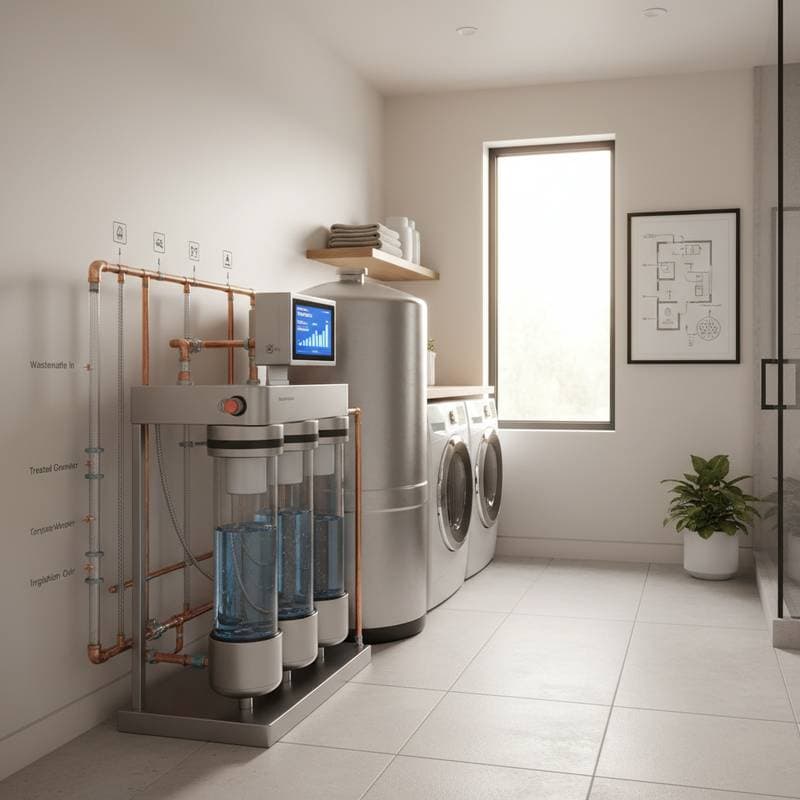
Home greywater systems recycle household water for reuse at a cost of $2,800 to $9,500. Professional installation improves efficiency, compliance, and property value while DIY options carry added risk.
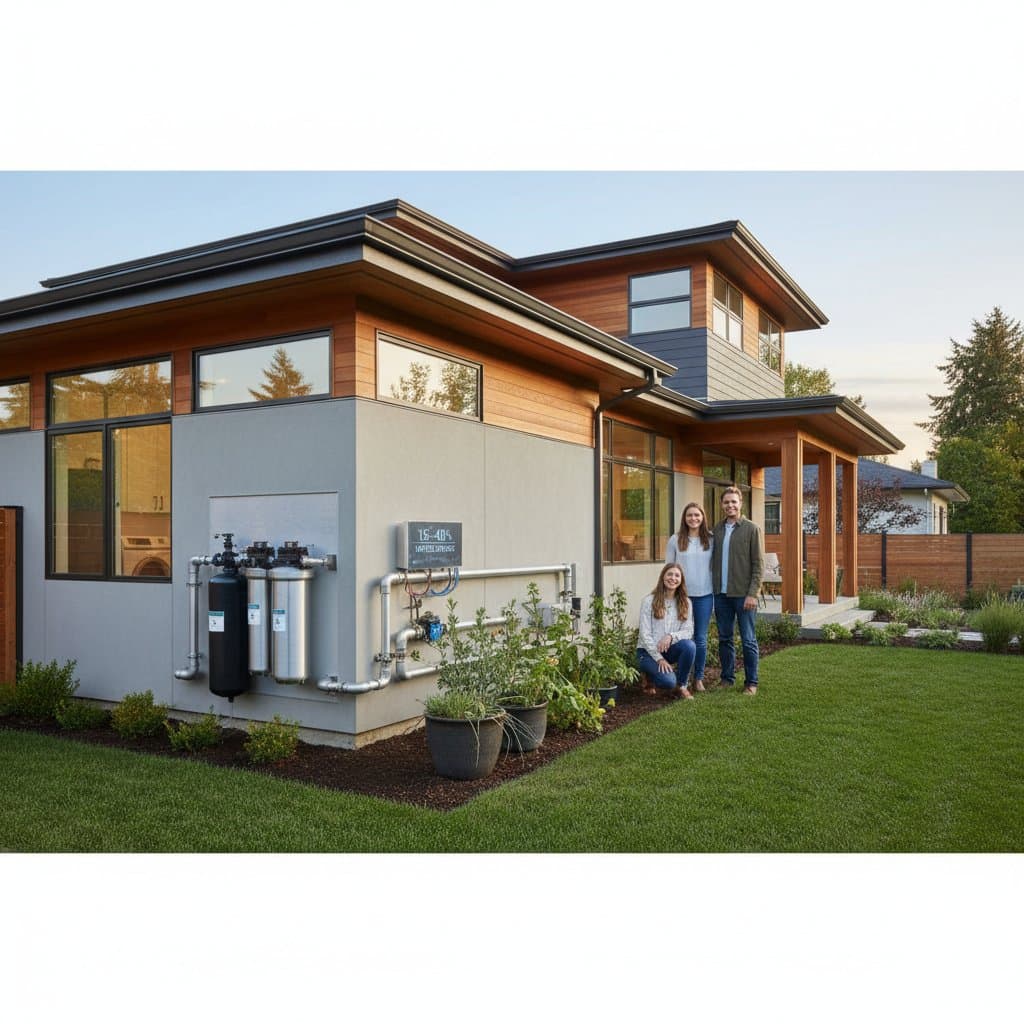
Greywater systems installed in 2026 range from 2000 to 7000 dollars and deliver 15 to 40 percent reductions in outdoor water use. Options span simple laundry setups to full house systems. Learn how design, labor, and site conditions shape total expense and long term returns.
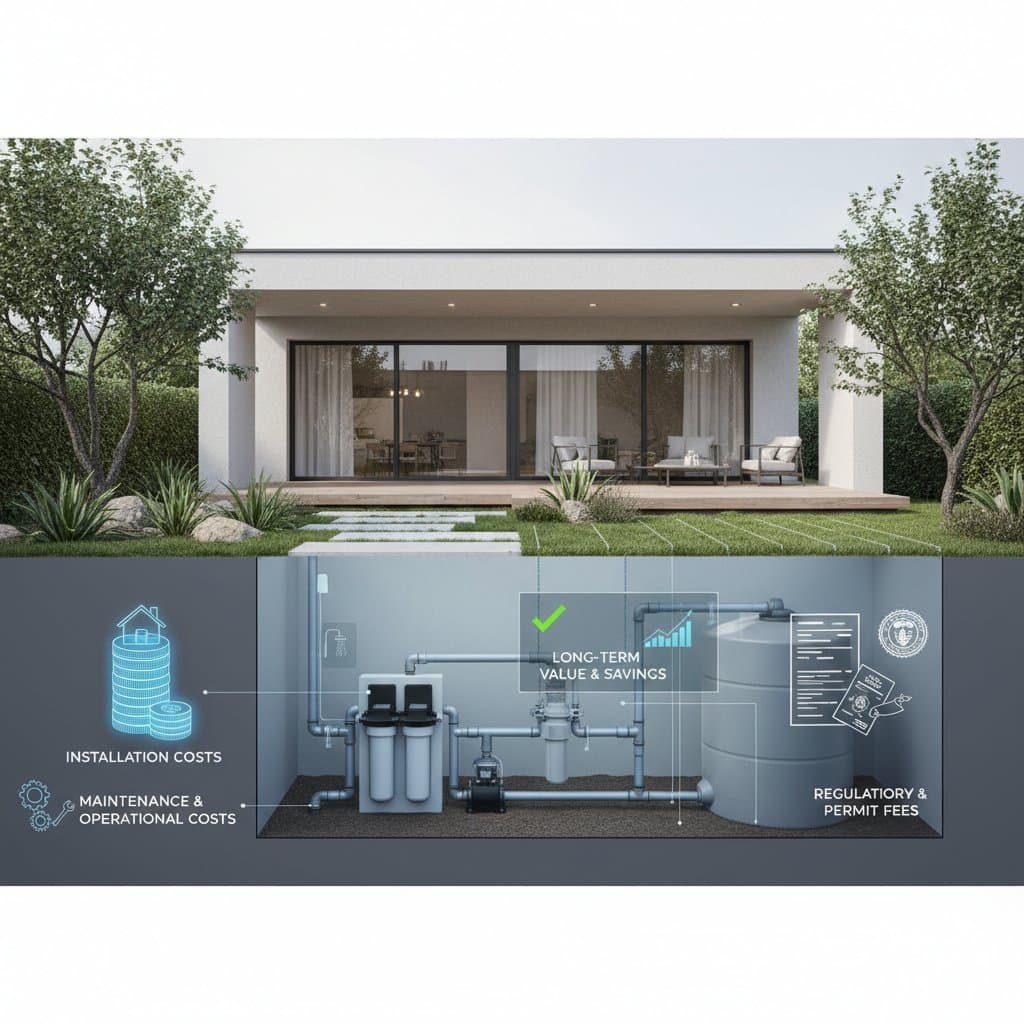
Greywater systems reduce water bills through reuse, yet total expenses involve design, permits, and upkeep. Homeowners who review options carefully gain reliable performance and lasting savings.

Solar warranties form layered agreements that outline responsibilities when issues arise. This guide examines product, performance, and workmanship coverage, uncovers potential costs, and details claim processes to help homeowners secure their solar systems confidently.
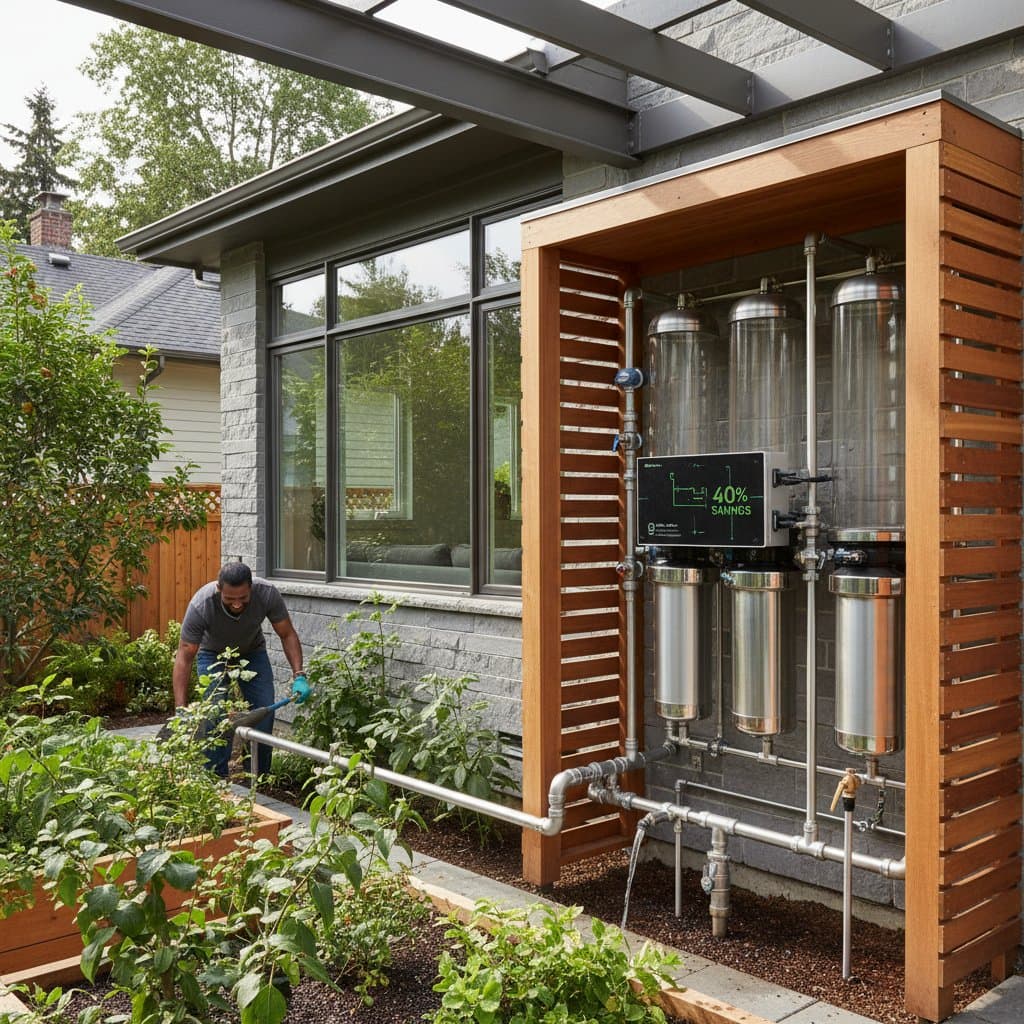
Greywater systems repurpose household wastewater to decrease outdoor water needs by up to 40%. Installations average $5,200, varying by scale, filtration, and permits. From $1,800 DIY options to $9,500 advanced units, discover strategies for savings, essential permits, and professional setup for optimal efficiency and enduring benefits.
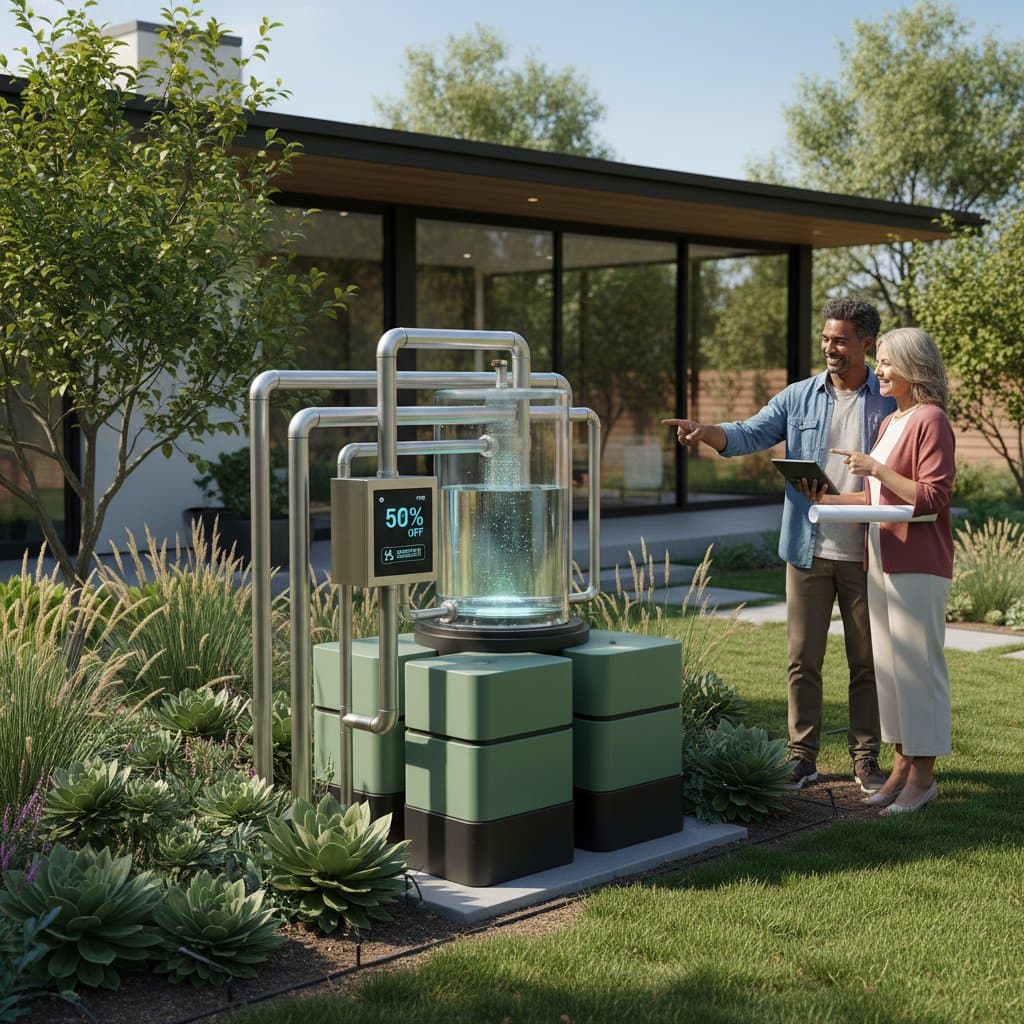
2026 rebates cut greywater system expenses by up to 50%, enhancing affordability for water recycling solutions. This resource covers system design, installation options, rebate qualifications, and practical advice on permits, upkeep, and deciding between DIY approaches or hiring experts to reduce irrigation use, lower costs, and strengthen resilience against water shortages.

Solar warranties in 2026 safeguard your investment with guarantees on performance and product quality, yet specifics on labor, roof repairs, and defects differ across manufacturers and installers. Grasping exclusions, upkeep obligations, and filing procedures secures reliable protection, efficient fixes, and optimal system performance. Determine precisely who covers costs and under what conditions.
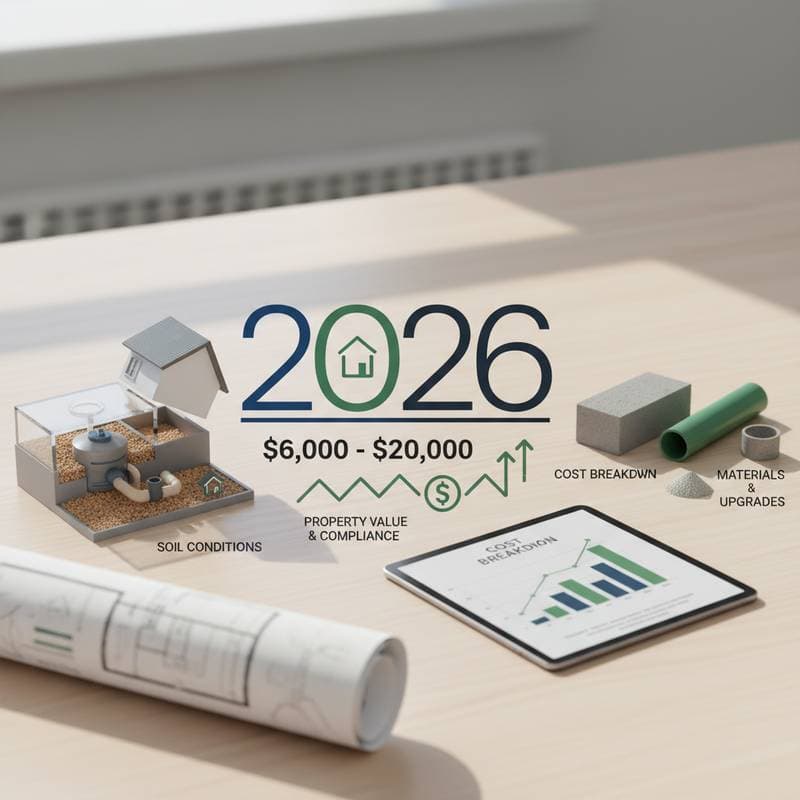
Septic system replacement in 2026 averages $12,500, with costs from $6,000 to $20,000 based on size, soil, and materials. This guide details pricing breakdowns, professional vs. DIY options, savings strategies, and maintenance for reliable performance and increased home value.
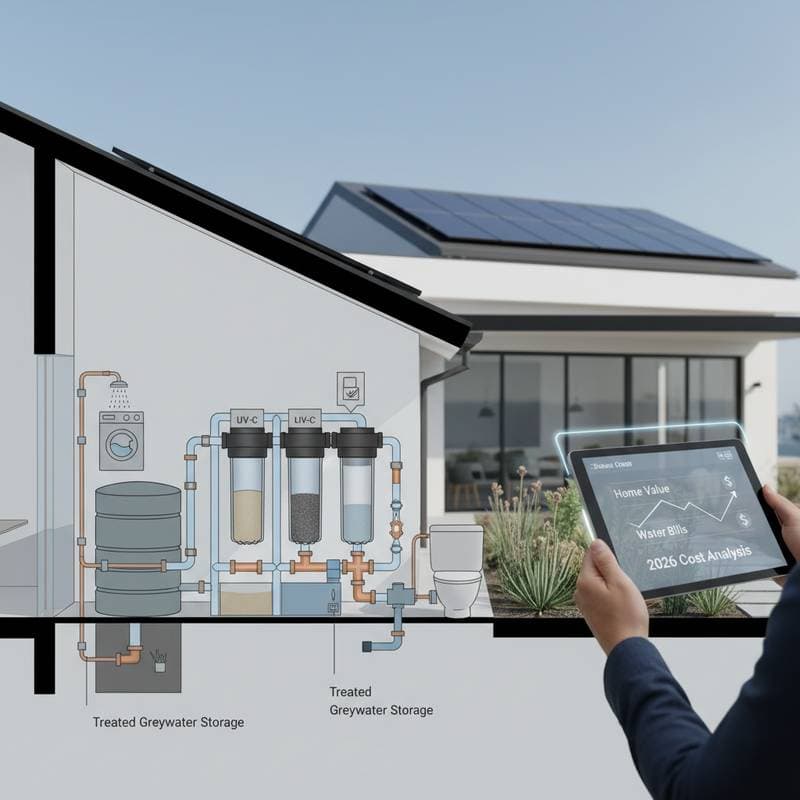
This 2026 guide details greywater systems, including installation costs, permitting processes, DIY options versus professional services, and strategies for cost savings. Understand how project scale, materials, and site factors influence expenses, along with code compliance and maintenance for sustained water conservation and property value gains.
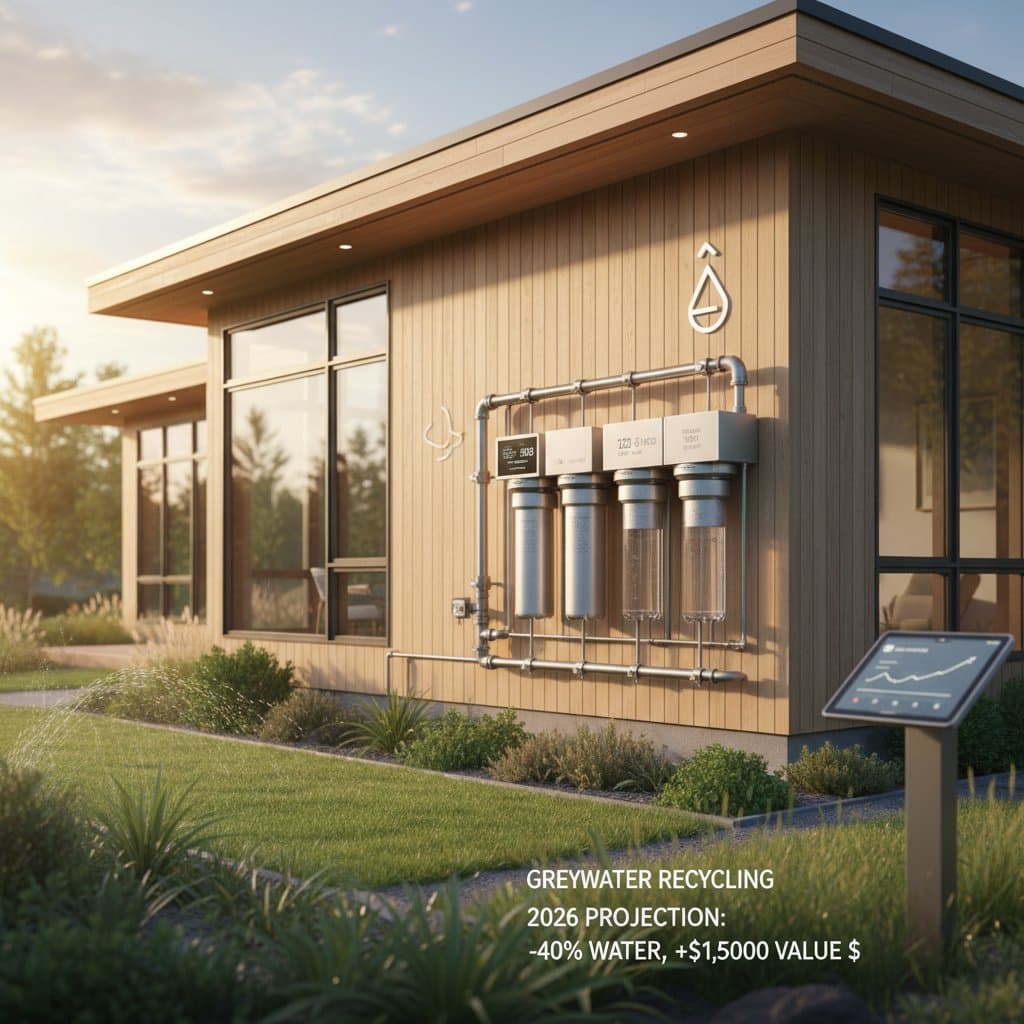
Greywater systems reuse household water to slash usage by 40%, averaging $5,800 to install in 2026. Costs depend on size, features, and location, yet rebates and savings make them a smart choice. Discover breakdowns, DIY options, and tips to optimize efficiency and reduce expenses.
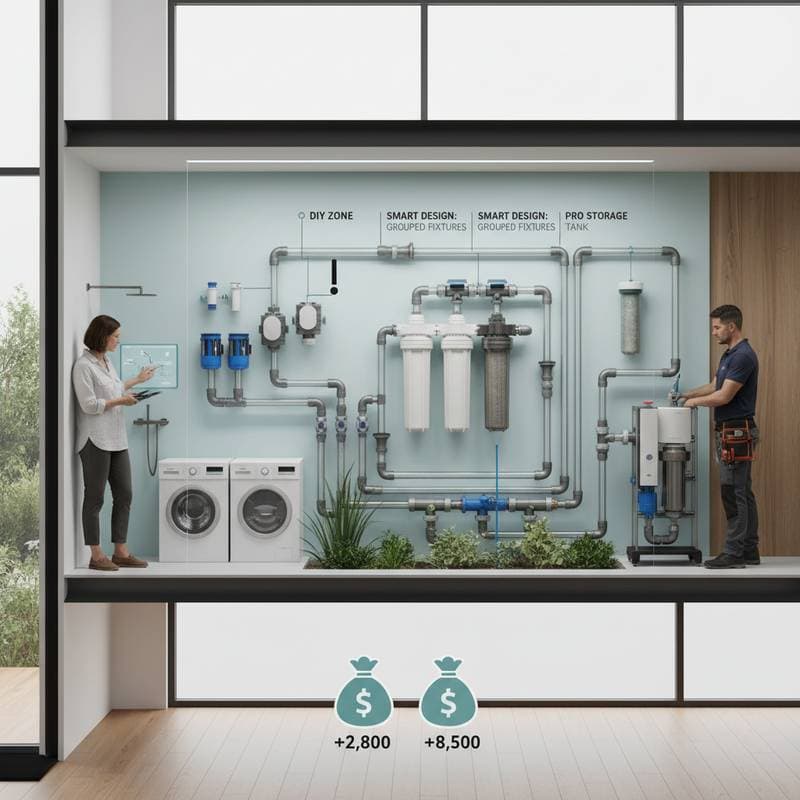
Considering a greywater system in 2026? Budget ranges from $2,800 to $8,500 based on system complexity, filtration options, and professional labor. Discover DIY opportunities, expert recommendations, and design strategies like fixture clustering or tankless setups to optimize expenses and maximize water conservation benefits.

AI home systems represent a significant investment, with warranties providing essential protection against failures in hardware, software, and integration. Standard manufacturer coverage lasts one to two years, but extended plans range from $100 to $400 per year. Explore how to evaluate options, understand claim processes, and select installers to ensure comprehensive safeguarding for your smart home setup.
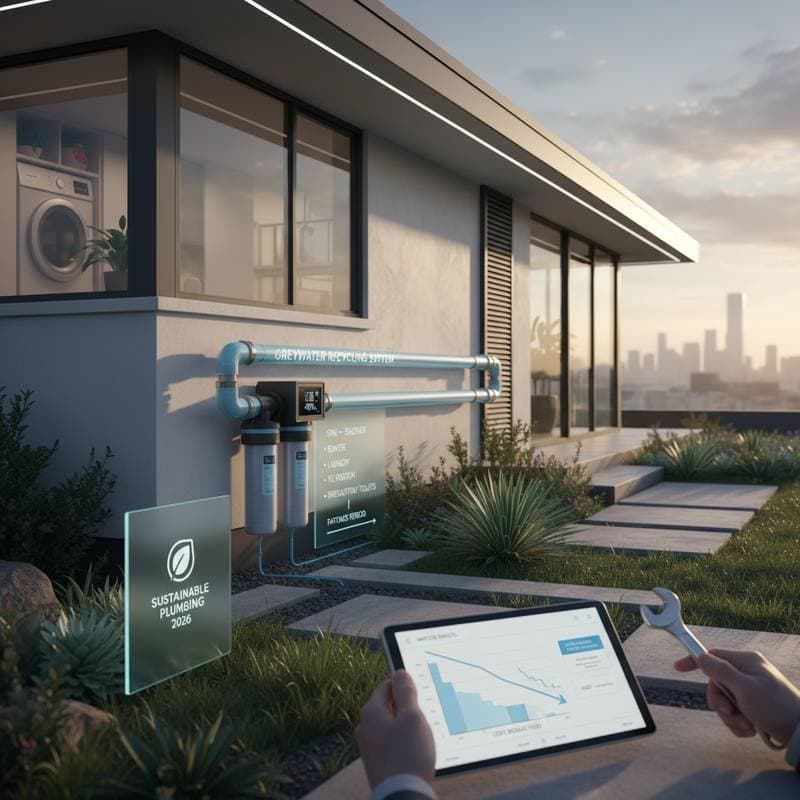
Discover how to install a greywater system that recycles sink, shower, and laundry water for irrigation or toilets. Learn cost ranges from $600 to $12,000, permit requirements, installation steps, and maintenance tips. Understand DIY versus professional options to save water, reduce bills, and stay compliant in 2026.