AMS Home Guides Logo
Home
Remodeling Cost ComparisonsAbout
AMS Home Guides Logo

Your comprehensive resource for home guides, cost guides, and home warranty information.

HomeAboutAll ArticlesSearchPrivacyTerms

© 2026 AMS Home Guides. All rights reserved.

  1. Home
  2. /
  3. Room-by-Room Guides
  4. /
  5. Gas to Induction: 2026 Kitchen Costs and Payoffs
Room-by-Room Guides

Gas to Induction: 2026 Kitchen Costs and Payoffs

byMelissa Flowers
2026-06-18 05:48:24June 18, 2026
6 min read
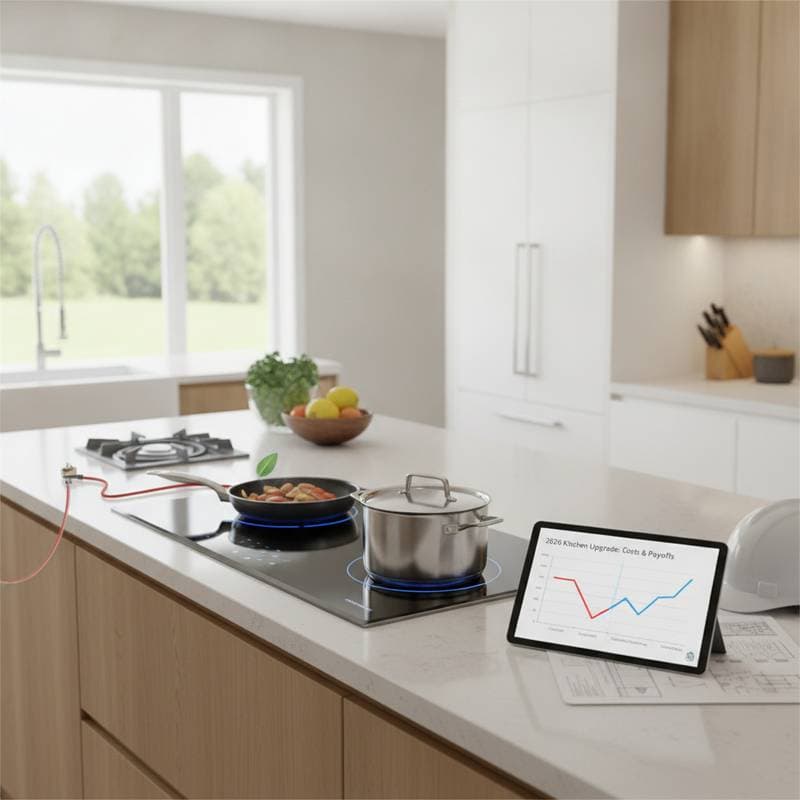
Featured image for Gas to Induction: 2026 Kitchen Costs and Payoffs
2026-06-18 05:48:24
AMS - Home Guides, Cost Guides, Home Warranty

Gas to Induction: 2026 Kitchen Costs and Payoffs

Switching from a gas cooktop to induction changes how a kitchen performs, feels, and costs to run. Induction cooking uses magnetic energy to heat the pan directly. The result is faster boiling, cooler kitchens, and fewer indoor emissions. The conversion often involves new wiring, cookware, and sometimes panel upgrades.

Summary Box

What it is:
Replacing a gas range or cooktop with an electric induction model.

Why it matters:
Cuts indoor air pollution, improves efficiency, and reduces carbon emissions.

Typical cost and what changes it:
$2,800 to $8,500 total, depending on electrical work, appliance choice, and cabinetry.

When to hire a pro:
Always if new wiring, panel upgrades, or gas line capping is needed.

How long it takes:
One to three days for basic swaps, up to two weeks for full electrical upgrades.

Maintenance interval:
Clean the glass top after each use. Check electrical connections every few years.

Anatomy of an Induction Conversion

An induction conversion touches several systems. Knowing what each does helps with planning and budgeting.

  1. Induction cooktop or range: The appliance itself, typically 30 or 36 inches wide. Prices run from $1,200 to $4,000 depending on brand and features.
  2. Electrical circuit: A dedicated 240-volt line, usually 40 to 50 amps, supplies the power.
  3. Breaker panel: Some homes need a panel upgrade if existing capacity is full or undersized.
  4. Cookware: Induction requires magnetic pans. Stainless steel and cast iron usually work. Aluminum or copper do not unless they have magnetic bases.
  5. Countertop or cabinet adjustments: Measurements and trim kits may be needed when switching from a drop-in gas cooktop to a freestanding induction range.
  6. Gas line termination: The old gas line must be capped safely by a licensed plumber.

Each part influences cost, timeline, and safety. The electrical system is usually the biggest unknown. Getting that assessed early prevents surprises.

Step-by-Step Conversion Process

1. Evaluate electrical capacity
Check the main service panel. Induction ranges need a 240-volt circuit rated for 40 or 50 amps. If the panel is full or undersized, plan for an upgrade. A licensed electrician can confirm what is possible.

2. Choose the appliance type
Decide between a freestanding range that combines oven and cooktop or a cooktop-only model. Freestanding units often replace gas ranges directly. Cooktops fit into countertops and may sit above separate wall ovens.

3. Verify cookware compatibility
Use a magnet test. If it sticks firmly to the bottom of the pan, it will work. Non-magnetic cookware must be replaced.

4. Cap and test the gas line
A plumber or licensed gas technician should disconnect and cap the gas line. The line must be pressure-tested to ensure no leaks.

5. Run new wiring
An electrician installs a dedicated 240-volt circuit from the panel to the appliance location. In older homes, conduit or wall patching may add time and cost.

6. Install and test the induction unit
Once powered, test each burner for response and verify circuit load. Some units require software setup or calibration.

7. Final clean-up and safety check
Confirm that the gas line is sealed, the breaker is labeled, and the cooktop is level and secure.

A straightforward swap can finish in one day. If a panel upgrade is needed, expect one to two weeks including inspection scheduling.

DIY vs Pro Conversion

Factor DIY Pro
Skill level Intermediate for appliance swap, advanced for wiring Licensed electrician and plumber
Safety risk High due to electrical and gas work Low when done by qualified pros
Tools required Multimeter, wire strippers, wrenches, gas plug Professional test gauges and meters
Permit or code Electrical and plumbing permits often required Pros handle permitting and inspection
Time required 1 to 3 days with experience 1 to 2 days average
Warranty impact DIY installs can void warranty Professional installs usually protect warranty

Recommendation: Only handle surface cleaning or old appliance removal yourself. All wiring and gas work should be done by licensed professionals for safety and compliance.

Maintenance and Lifespan

Induction cooktops last 10 to 15 years with normal use. Glass tops resist staining but can scratch if heavy pans slide across them. Use non-abrasive cleaners and wipe spills promptly.

Keep vents and fans clear of grease. Inspect electrical cords and outlets every few years. If a burner stops responding, service modules are replaceable without changing the entire unit.

Unlike gas burners, induction has no open flame or jets to clean, so maintenance is minimal. Typical upkeep costs stay under $50 per year for cleaning supplies and occasional service checks.

FAQs

Can I plug an induction cooktop into a regular outlet?
No. Most induction units need a 240-volt dedicated circuit, not a standard 120-volt outlet.

Will my existing pans work?
If a magnet sticks to the bottom, they will. Non-magnetic cookware must be replaced.

Does induction cooking use more electricity?
It uses similar total energy as gas but converts more of it to heat in the pan, making it more efficient overall.

How fast does induction boil water compared to gas?
A medium pot boils about twice as fast because energy transfer is direct.

Is it safe for people with pacemakers?
Manufacturers design induction units within electromagnetic safety limits, but users with pacemakers should confirm with their doctor.

What happens during a power outage?
Induction appliances stop working since they rely on electricity. Keep a backup plan such as a portable butane burner for emergencies.

Can I place foil or paper on the cooktop?
No. Metal foil can heat rapidly and damage the surface. Paper can scorch.

Do I still need a range hood?
Yes. Cooking vapors and moisture still need ventilation even without gas combustion.

Next Steps for Your Kitchen

Converting from gas to induction is a practical way to modernize a kitchen, reduce emissions, and gain faster, steadier heat. The key is planning for electrical needs first, then choosing the right appliance.

Start by getting an electrician to assess the panel. Confirm that the gas line can be capped safely. Shop for an induction model that fits cooking habits and space.

Once installed, quieter operation, easier cleaning, and cooler air while cooking become noticeable. With fewer emissions and higher efficiency, induction becomes both a comfort and health upgrade. The upfront cost pays off through lower maintenance, safer air, and a kitchen that performs better every day.
You may also like

Image for Garage ADU Conversions Now Cost $90K to $200K

Garage ADU Conversions Now Cost $90K to $200K

June 14, 2026
Image for Smart Layouts That Let Generations Share One Home

Smart Layouts That Let Generations Share One Home

June 14, 2026
Image for Balancing Privacy and Proximity Under One Roof

Balancing Privacy and Proximity Under One Roof

June 14, 2026

Tagged:

kitchen,upgrades,cooking,conversion,electric,electrification,gas,induction,gas-to-electric-kitchen,induction-cooking-conversion

Recent Articles by Melissa Flowers

Image for ADU Costs Range $120K to $350K in 2026

ADU Costs Range $120K to $350K in 2026

June 17, 2026
Image for What Granny Pod Installation Actually Costs

What Granny Pod Installation Actually Costs

June 16, 2026
Image for AI-HVAC Warranties Run $600-1,200 Per Year

AI-HVAC Warranties Run $600-1,200 Per Year

June 15, 2026

Related: kitchen

Image for Most Outdoor Kitchens Cost $8K to $25K in 2026

Most Outdoor Kitchens Cost $8K to $25K in 2026

June 14, 2026
Image for Hidden Fees Add 10-25% to Kitchen Renovation Costs

Hidden Fees Add 10-25% to Kitchen Renovation Costs

June 11, 2026
Image for Converting Gas to Electric: A Capital Investment Approach

Converting Gas to Electric: A Capital Investment Approach

June 10, 2026
Image for Kitchen Island Costs: Base to Premium Breakdown

Kitchen Island Costs: Base to Premium Breakdown

June 3, 2026
Image for Kitchen Islands Return Strong Value With Smart Planning

Kitchen Islands Return Strong Value With Smart Planning

May 24, 2026

Room-by-Room Guides

Kitchen Island Costs: Base to Premium Breakdown

Learn exact kitchen island costs in 2026. This guide details material choices, labor fees, and hidden expenses so you can budget accurately and protect long term value.

June 3, 2026

Soundproofing a Home Office Costs $1K–$6K in 2026

In 2026, soundproofing a home office enhances concentration, safeguards privacy, and elevates property value by minimizing distractions. Costs typically fall between $1,000 and $6,000, delivering substantial returns through improved productivity and comfort. This guide covers essential materials, methods, installation options, and factors influencing acoustic effectiveness and investment value.

May 3, 2026

Home Office Soundproofing: $800-$3,500 in 2026

In 2026, soundproofing a home office typically costs $800 to $3,500, influenced by factors such as room dimensions, chosen materials, and professional labor. Options like acoustic panels and insulated walls improve concentration and maintain professionalism. This guide provides cost-effective DIY approaches, expert recommendations, and maintenance techniques for a serene, efficient workspace.

April 27, 2026

Home Office Conversion: $4K-$20K Cost Breakdown

Converting unused spaces into home offices in 2026 typically costs $4,000 to $20,000 and requires 1 to 6 weeks. Address essentials like insulation, lighting, ergonomics, and permits to create a productive environment that enhances comfort and boosts resale potential. This guide covers cost influences, DIY strategies, timelines, and return on investment.

April 18, 2026

Home Office Soundproofing Averages $2,100 in 2026

Soundproofing your home office in 2026 typically costs between $1,200 and $3,800, with a national average of $2,100. This guide details factors influencing expenses, practical DIY methods to lower costs, professional recommendations, and upgrades that enhance quiet, comfort, and property value for remote workers.

March 16, 2026

Gas to Induction: What the 2026 Switch Really Costs

Transitioning from gas to induction by 2026 promises precise cooking, reduced emissions, and utility savings, yet requires strategic planning. Explore essential steps like electrical assessments, permitting, and cookware checks to navigate costs and achieve a seamless upgrade.

March 13, 2026

Home Office Remodels Return 60-75% at Resale

Converting unused space into a dedicated home office improves daily comfort, enhances productivity, and increases resale value. In 2026, thoughtful remodels achieve 60 to 75 percent ROI by integrating smart design, modern technology, and broad buyer appeal. This guide covers cost estimates, layout strategies, and practical steps to create a workspace that serves you now and adds lasting value to your property.

March 6, 2026

Home Office Permits: What Actually Triggers Inspection

Transforming a room into a code-compliant home office in 2026 demands careful planning, permits, and budgeting. Costs range from $3,000 to $25,000, depending on complexity. Learn when DIY works, when to hire pros, and how zoning, inspections, and smart design choices can maximize comfort, safety, and long-term property value.

February 20, 2026

Home Office Soundproofing Costs $800 to $3,000

Convert a distracting home office into a focused haven with soundproofing. This comprehensive guide covers cost breakdowns, DIY techniques, professional options, timelines, and strategies to enhance productivity, comfort, and property appeal.

February 19, 2026

Home Office Tax Deductions: Direct vs Indirect Costs

Turn your home office into a tax-efficient powerhouse. This guide covers 2026 setup expenses, deduction categories, budgeting tips, and compliance essentials to document costs effectively, claim precise deductions, and align renovations with sustained savings for enhanced productivity and financial gains.

February 7, 2026

Master Sound Control in Your Remote Office Space

Elevate your remote work environment by minimizing noise distractions. This comprehensive guide details blocking and absorbing techniques, including gap sealing, mass-loaded vinyl, and panel installations, to enhance productivity, privacy, and audio quality affordably.

January 26, 2026

Soundproofing a Home Office Costs $3-$6 Per Square Foot

Learn the essentials of soundproofing a home office in 2026, from budget breakdowns and material options to DIY guidance and professional advice for achieving a distraction-free environment.

January 16, 2026

Soundproofing Is a System Not a Single Product

Elevate remote work productivity by viewing soundproofing as an integrated system rather than isolated products. This guide covers noise types, cost breakdowns, provider evaluation, and long-term benefits to create a focused, private home office that adds lasting value.

January 9, 2026

Laundry Remodels Return Up to 75% at Resale

Elevate your laundry room with targeted 2025 upgrades that deliver up to 75% resale return. This guide covers efficient layouts, energy-saving appliances, smart technology, and practical storage solutions, including costs, timelines, and strategies for DIY or professional execution to maximize comfort, safety, and market appeal.

December 22, 2025

Hidden Expenses Behind Home Office Renovations

Converting a room into a home office promises better focus and efficiency, yet it often brings unexpected costs beyond basic furnishings.

December 21, 2025

Home Office Conversions Cost 35% More in 2025

Home office conversions face a projected 35% cost increase in 2025, pushing national averages to around $22,000. Factors such as escalating labor rates, premium material demands, and the persistence of hybrid work arrangements fuel this rise. This guide details key cost drivers, DIY opportunities versus professional needs, and proven tactics to control expenses while enhancing comfort and property value.

December 18, 2025

Hidden Permit Costs in Home Office Conversions

Converting unused areas into home offices involves more than aesthetics; it requires navigating permits, budgeting for upgrades, and ensuring code compliance. From power enhancements to climate controls, grasp the necessities to sidestep penalties and build a secure, effective workspace.

December 18, 2025

Home Office to Guest Room: $1,200 to $9,000 in 2025

In 2025, converting a home office to a guest room typically costs $1,200 to $9,000, based on the scope of updates. Projects often take 3 to 10 days and improve both daily comfort and potential resale value. This guide covers cost details, DIY options, and design ideas for a versatile, welcoming space.

December 17, 2025

Soundproofing Costs vs Productivity Gains at Home

Soundproofing a home office transcends mere silence; it fosters superior focus, professional demeanor, and elevated property worth. Ranging from affordable do-it-yourself seals to advanced acoustic systems, these investments yield returns via boosted efficiency, secured privacy, and sustained comfort. Discover targeted materials, installation techniques, and upkeep strategies that convert noise management into tangible benefits.

December 10, 2025

Home Office Tax Rules That Actually Save Money

Uncover 2025 home office trends affecting finances and taxes. This guide details construction expenses, deduction options, eligibility rules, and planning tips to optimize productivity, ensure compliance, and achieve sustainable savings in your remote workspace.

December 9, 2025

Categories

Appliance & System Coverage
Cost Guides
Home Guides
Home Warranty Basics
Outdoor & Exterior Guides
Remodeling Cost Comparisons
Room-by-Room Guides