2026 Home Office Setup: Permits, Codes & True Costs
Quick Take
- Most home office conversions need at least one permit if you add wiring, plumbing, or new walls.
- Expect total costs from $3,000 to $25,000 depending on size, finish, and professional help.
- Check local zoning before you start, and plan inspections for electrical and structural changes.
Pros and Cons
Pros
- Cuts commute costs and time.
- Raises resale appeal if designed as a multipurpose room.
- Allows tax deductions when used as a primary workspace.
Cons
- May trigger zoning limits on business use.
- Involves permits and inspections that add time and cost.
- Permanent changes can reduce flexibility for future use.
Step-by-Step: Converting a Room to a Code-Compliant Home Office
Tools and Materials
- Tape measure, stud finder, level, and circuit tester
- Electrical boxes, wire, outlets, and cover plates
- Drywall, paint, trim, and flooring materials
- Insulation and acoustic panels
- Safety gear: gloves, goggles, dust mask
Time: 3 to 10 days of labor depending on scope
Difficulty: Moderate to advanced
-
Plan and Measure
Decide on the layout and measure the space. Note outlet locations, windows, and any HVAC registers. Confirm that the room meets minimum ceiling height and egress rules. -
Check Codes and Permits
Visit your city’s building department website or office. Find the permit type that matches your work, such as electrical, mechanical, or structural. Get written approval before demolition. -
Prep the Space
Clear furniture and cover floors. Shut off power at the breaker. Test outlets to confirm power is off. -
Run Electrical and Data Lines
Add outlets every 6 to 12 feet of wall space. Use grounded circuits for computers and printers. If you add lighting or ceiling fans, follow local wiring codes and plan inspection before closing walls. -
Insulate and Drywall
Install insulation for comfort and sound control. Hang drywall, tape seams, and sand smooth. -
Paint and Finish
Choose low-glare paint for video calls. Install trim and flooring that match the rest of the home. -
Set Up Work Surfaces
Anchor heavy desks to studs. Add shelving rated for the weight of equipment. -
Inspect and Approve
Schedule final inspections for any electrical or structural work. Keep all permits and inspection records for resale or insurance.
DIY vs Pro
Safe for DIY
- Painting, flooring, and assembling furniture
- Hanging shelves or basic lighting with existing wiring
- Installing acoustic panels or non-load-bearing partitions
Hire a pro when:
- You need new electrical circuits or subpanels
- You alter framing, insulation, or HVAC vents
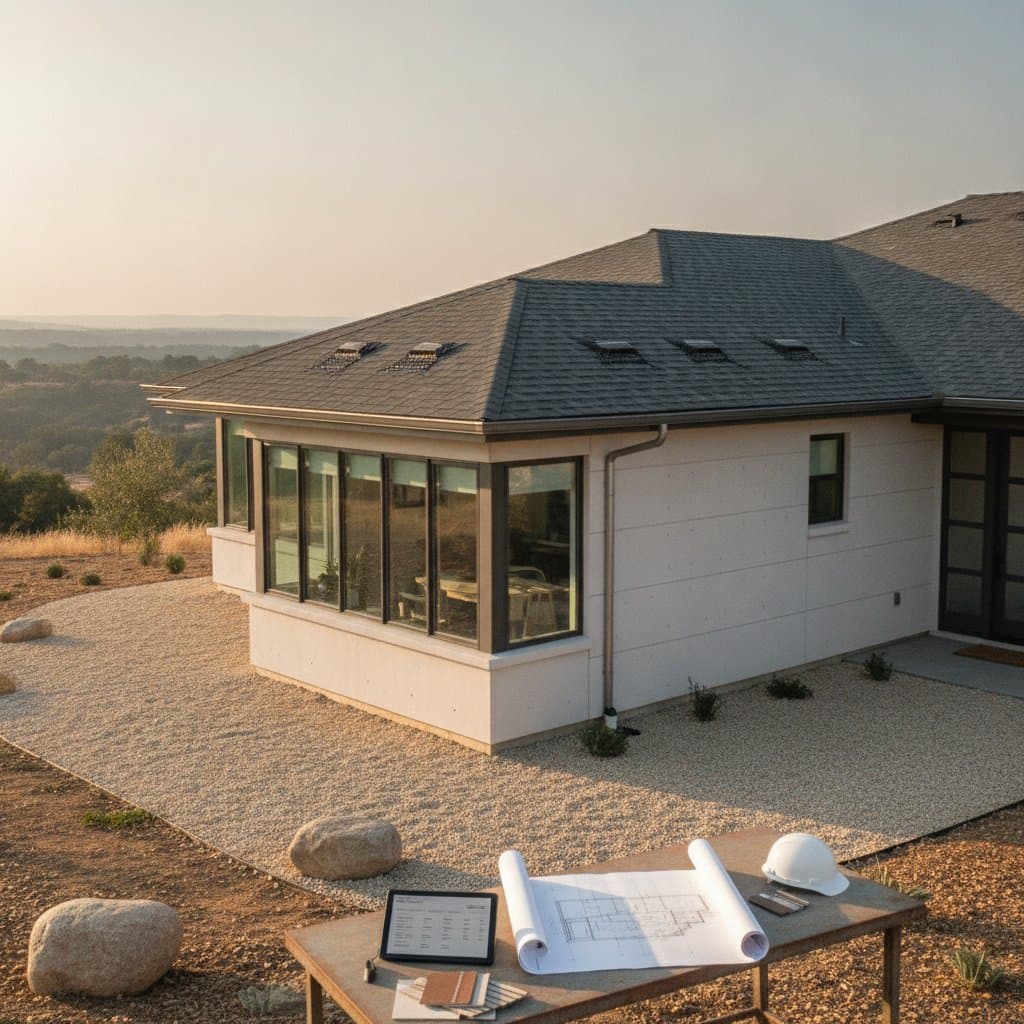
- You build a detached or accessory office structure
What the pro will do differently
A licensed contractor will pull required permits, calculate load requirements, and ensure all electrical and ventilation systems meet code. They can also coordinate inspections to avoid delays.
Alternatives
Corner Work Zone
Best for small spaces. No permit needed. Use a desk and task lighting in a quiet corner.
Converted Garage or Shed
Good for privacy and separation. May need full permits for electrical, insulation, and ventilation.
Finished Basement Office
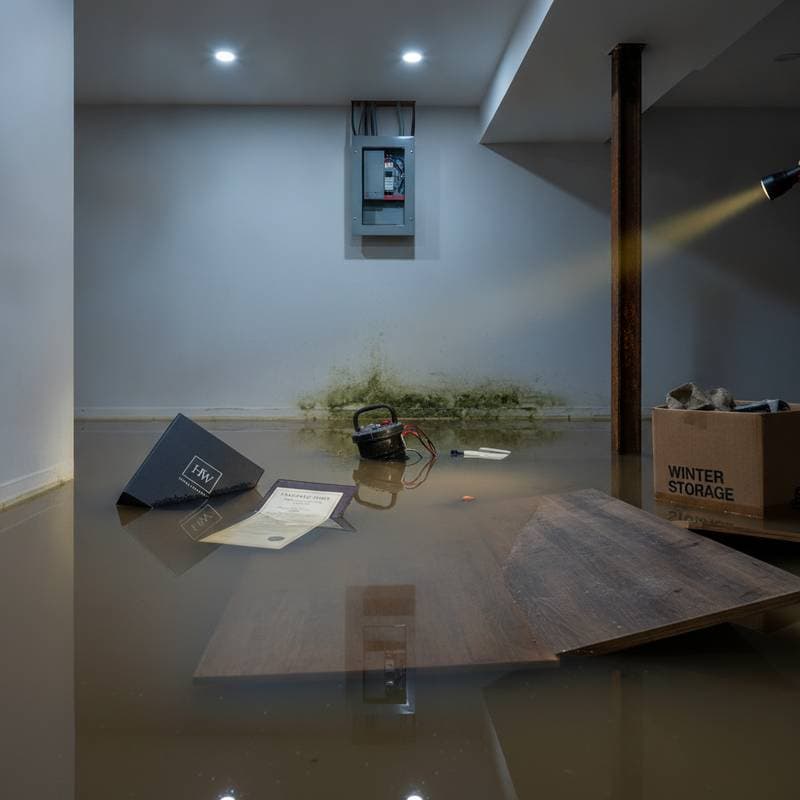
Offers stable temperature and space for storage, but needs dehumidifiers and egress windows for safety.
Each option has a different cost and code threshold. Always confirm local rules before construction.
Checklist: Before You Start
- Measure your chosen room and sketch layout.
- Verify zoning and permit needs with your local office.
- Set a realistic budget that includes inspection fees.
- Plan electrical circuits and lighting locations.
- Schedule any structural or electrical work with licensed pros.
- Buy materials rated for residential use.
- Keep permits and receipts for future resale or tax records.
Making It Happen
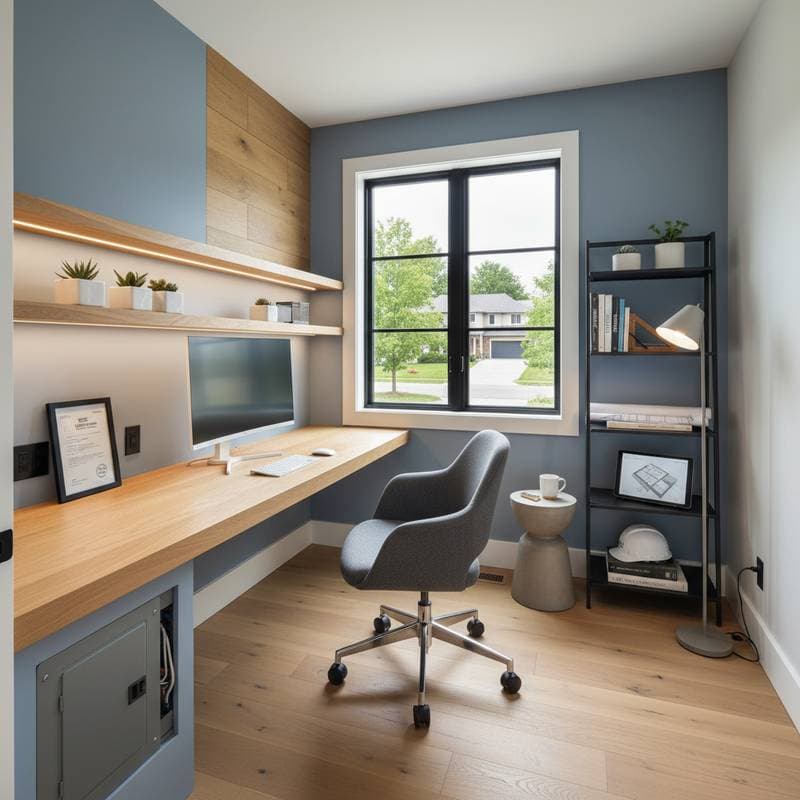
A home office that meets code is safer, more comfortable, and easier to insure. Start by confirming what work triggers permits, then match your design to those limits. Handle cosmetic work yourself, but let pros wire circuits and manage inspections. Keep records in one folder for taxes and resale.
When you finish, you will have a workspace built to last, with clean power, solid lighting, and code-compliant safety. That peace of mind is the real return on your investment.