Understanding 2026 Costs to Convert Gas Appliances to Electric
Converting gas appliances to electric involves infrastructure changes, safety inspections, and electrical system upgrades. Homeowners should approach this shift like a capital investment. They need detailed cost analysis and a clear understanding of potential savings over time.
Defining the Scope of Conversion
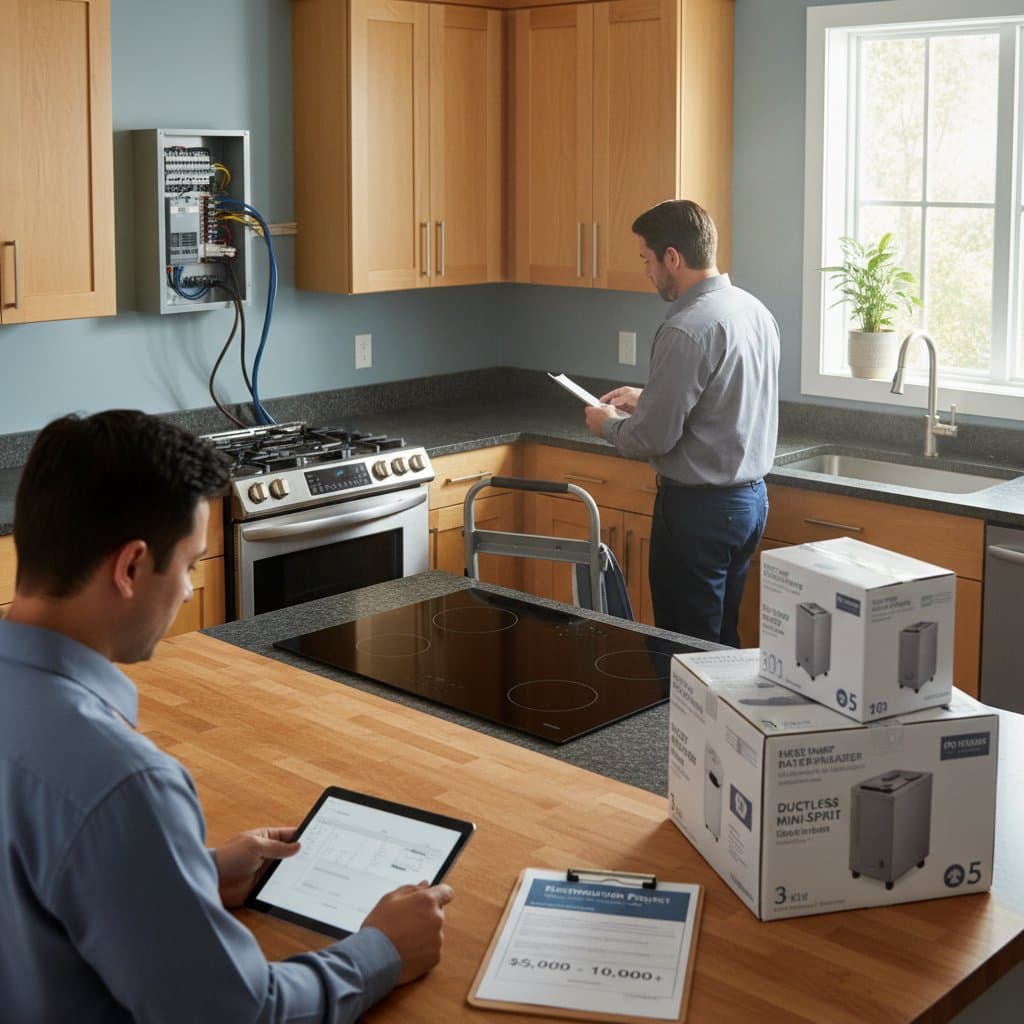
A gas-to-electric conversion typically includes replacing major appliances such as stoves, ovens, water heaters, and dryers. It can also involve updating ventilation systems and ensuring that the electrical panel can handle higher amperage demands. Utility companies may need to verify service capacity before final approval. Each appliance type carries its own cost structure. Installation complexity varies by home layout, age, and wiring condition.
Analyzing Core Cost Components
Homeowners should separate conversion expenses into three main categories: appliance purchase, electrical upgrades, and labor.
- Appliance replacement usually represents the largest portion of the budget. Electric ranges and induction cooktops range from $800 to $2,500. Heat pump water heaters can exceed $3,000 before installation.
- Electrical upgrades often include panel expansion or rewiring. A new 200-amp panel can cost $1,500 to $3,000 depending on accessibility and permitting requirements.
- Labor and permitting fees vary widely. Electricians may charge $75 to $150 per hour. Local permits can add several hundred dollars to the total project cost.
When all elements are combined, full household conversions can range between $6,000 and $15,000 depending on appliance selection and infrastructure needs.
Evaluating Service Process and Professional Involvement
The conversion process follows a defined sequence that helps control safety and compliance risks.
- Initial assessment involves an electrician inspecting the existing gas and electrical systems. The goal is to confirm whether the current panel supports added loads.
- Utility coordination may be required if service capacity is limited.
- Permitting and approvals ensure that work meets building codes.
- Installation phase covers appliance removal, wiring, and connection testing.
- Verification and testing confirm that all circuits operate within safe limits and that ventilation changes meet code standards.
Each step adds time and potential cost. Delays often result from outdated wiring or unexpected structural barriers behind walls or floors.
Coverage Limitations and Hidden Expenses
Conversion projects frequently encounter scope creep. Older homes may require grounding upgrades or new outlets for modern appliances. Gas line capping and safe disposal of old units can also create unplanned charges. Extended warranties for new electric appliances may not include coverage for installation errors. Homeowners remain responsible for repair costs if initial wiring work fails. Hidden expenses often appear in the form of ancillary materials like breakers, conduits, and ventilation adapters.
Financial Implications and Long-Term Value
Although upfront costs can appear steep, many homeowners pursue conversion for long-term energy savings or environmental considerations. Electric appliances, particularly those using induction or heat pump technology, often deliver improved efficiency. The return on investment depends heavily on local electricity rates and usage patterns. A thorough total cost of ownership analysis should include energy consumption projections, maintenance expectations, and potential utility incentives.
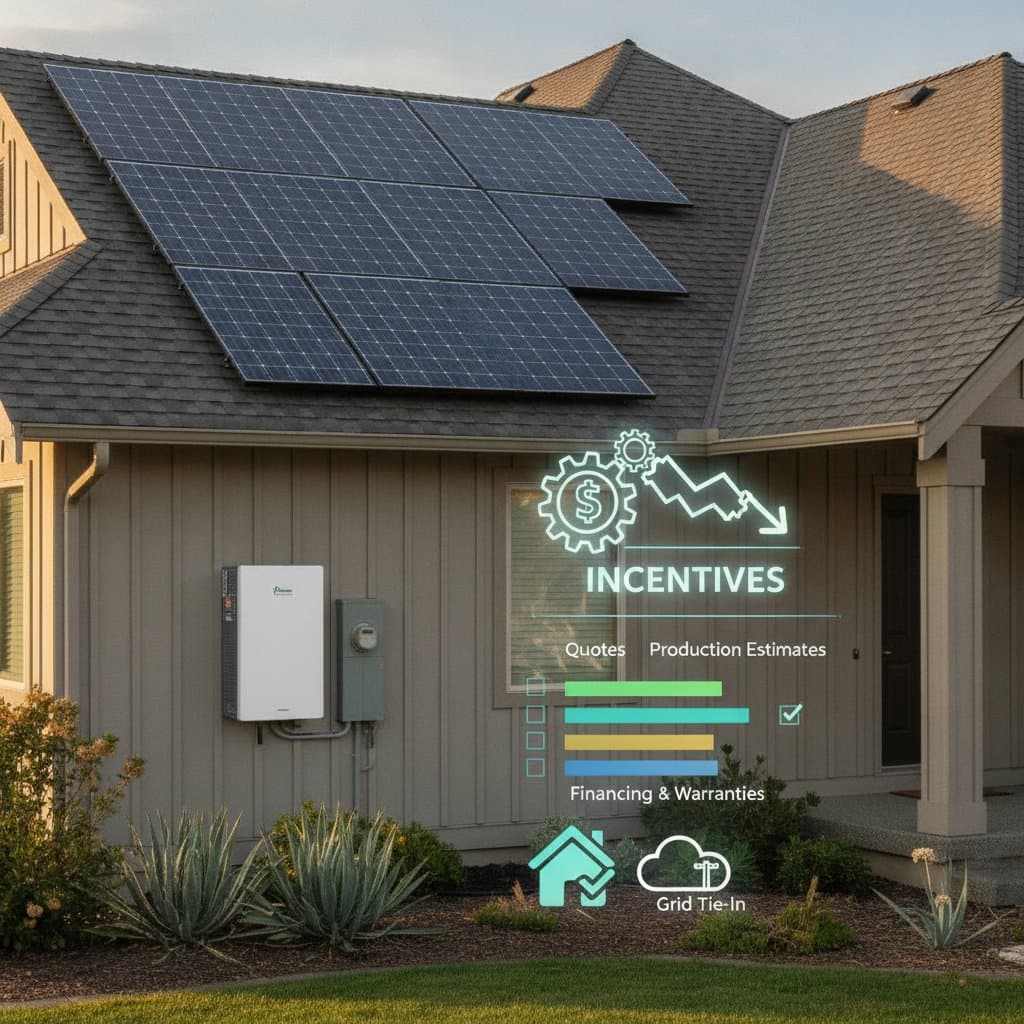
Some homeowners offset costs through rebates for electrification or energy-efficient upgrades. Evaluating these programs before committing to installation helps determine whether the project payback period fits household budgets. When incentives are available, they can reduce conversion costs by several thousand dollars.
Decision Framework for Comparing Options
Before making a decision, homeowners should compare three strategies: full conversion, phased replacement, or maintaining mixed-fuel systems. Full conversion provides uniform efficiency but requires the largest initial outlay. Phased replacement spreads costs over time. This approach allows electrical upgrades to coincide with natural appliance lifecycles. Mixed systems maintain flexibility but may complicate future maintenance and create uneven operating costs.
Protecting Your Investment
Consumer protection begins with careful vetting of contractors and suppliers. Always verify licenses, insurance coverage, and references before work begins. Request written estimates that itemize appliance costs, labor, and materials. Confirm warranty terms for both equipment and workmanship. Keep copies of all permits and inspection reports.
Energy upgrades often attract aggressive marketing. Not all service providers deliver transparent pricing. Reading contracts carefully and questioning vague language prevents unexpected surcharges or limited warranty coverage.
Planning Your Conversion Project
Gas-to-electric conversions require both technical insight and financial discipline. Systematic evaluation allows homeowners to balance environmental goals with economic responsibility.