Costs and Permits You Can't Ignore in Home Office Conversions
Homeowners often underestimate the regulatory hurdles in converting a spare room, garage, or attic into a functional home office. These projects alter the intended use of interior spaces, which activates local building codes, zoning regulations, and possible adjustments to insurance premiums or property tax assessments. Addressing these elements early ensures the transformation proceeds smoothly without unexpected delays or penalties.
Before initiating any structural changes, evaluate the full financial implications, identify permit necessities, and prioritize essential upgrades for both safety and legal adherence. This preparation not only safeguards against fines but also enhances the longevity and efficiency of the new workspace.
What a Home Office Conversion Involves
Home office conversions vary widely in complexity, from minor enhancements like installing additional power outlets to comprehensive overhauls that integrate climate control and structural modifications. The project's scale directly influences expenses and the extent of required approvals from local authorities.
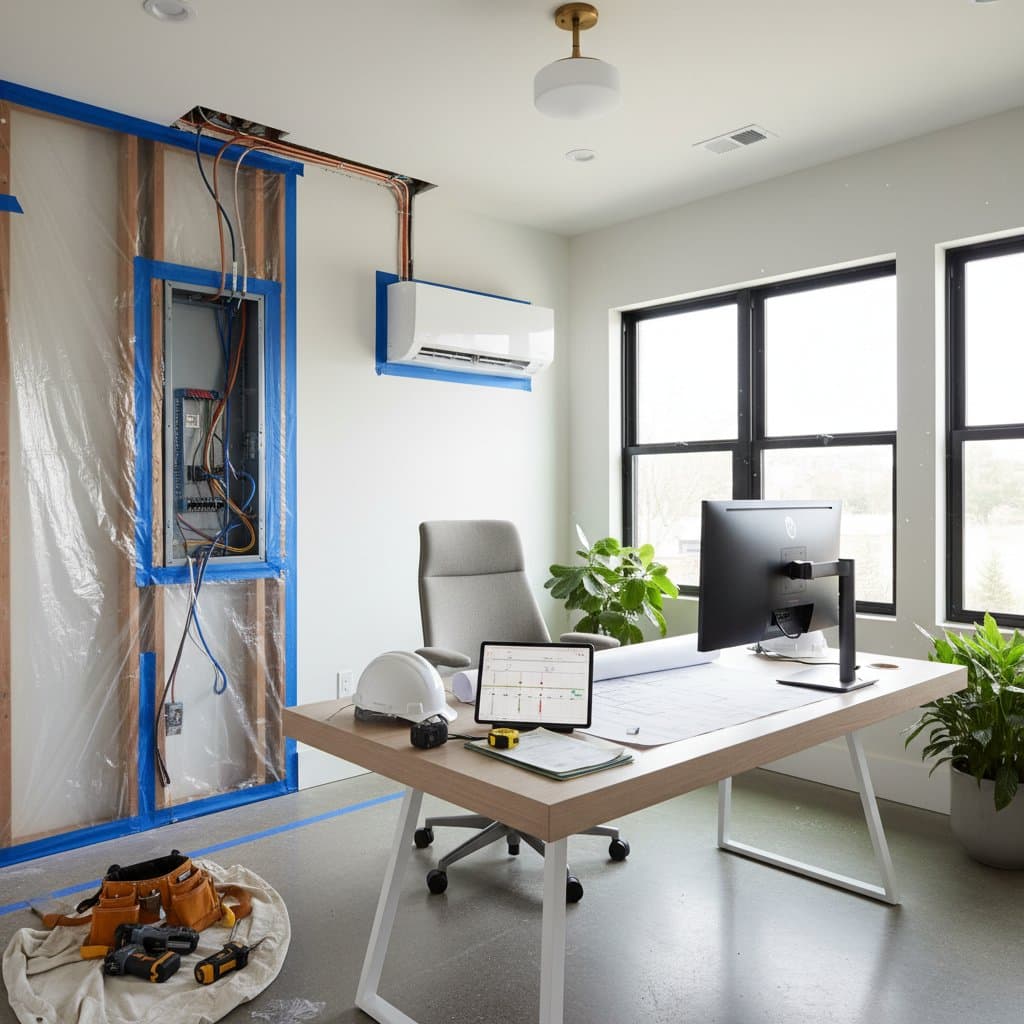
Key components typically encompass several critical areas. Electrical upgrades provide sufficient power for computers, printers, and other devices through added outlets or dedicated circuits. Insulation and drywall installation achieve thermal efficiency and soundproofing to support focused work environments. HVAC modifications, such as extending existing ductwork or installing independent heating and cooling units, maintain consistent temperatures throughout the year.
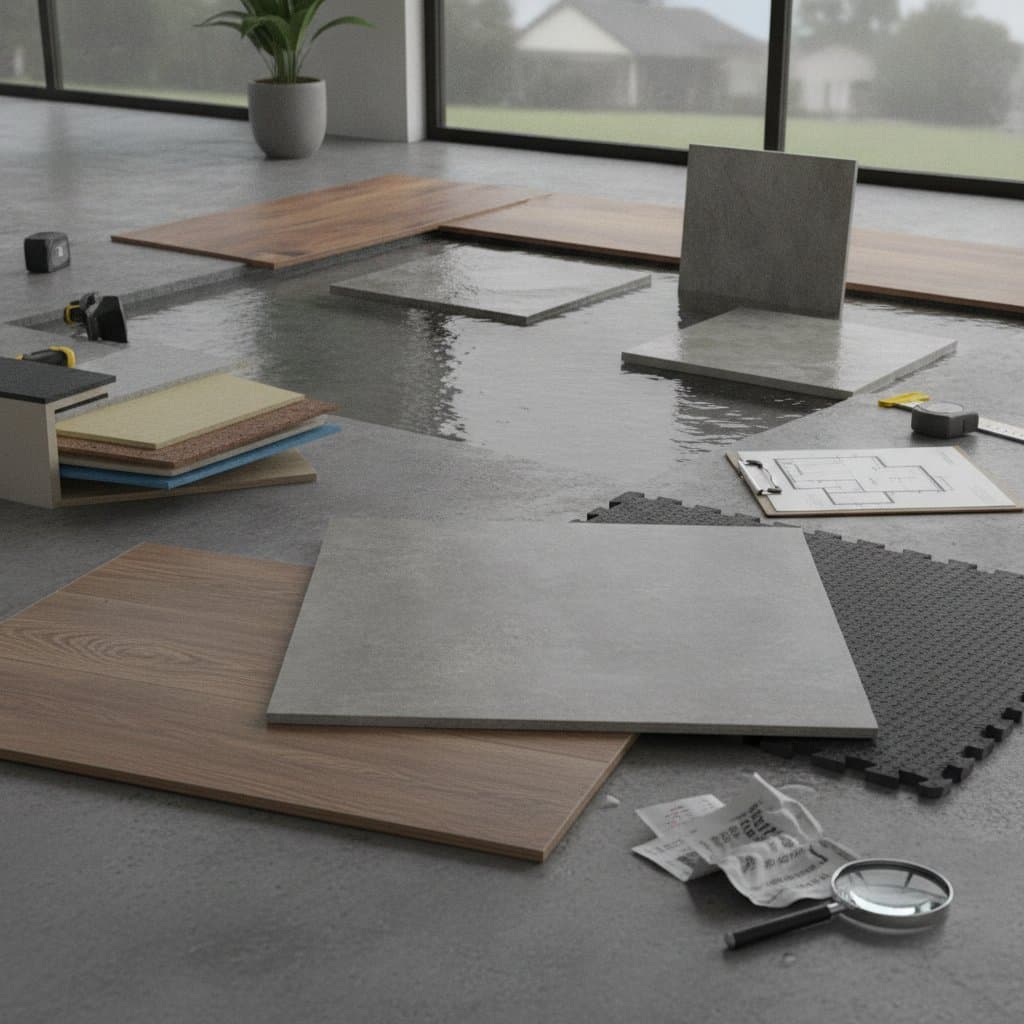
Flooring selections focus on resilient materials that withstand daily traffic from office chairs and equipment. Windows and emergency egress paths comply with safety standards, ensuring natural illumination and safe evacuation routes where applicable. Finally, data infrastructure, including Ethernet cabling, supports stable internet connectivity essential for remote professional tasks.
Local building codes dictate inspection needs for each element, so consulting jurisdiction-specific guidelines proves invaluable from the outset.
Step-by-Step: From Planning to Final Inspection
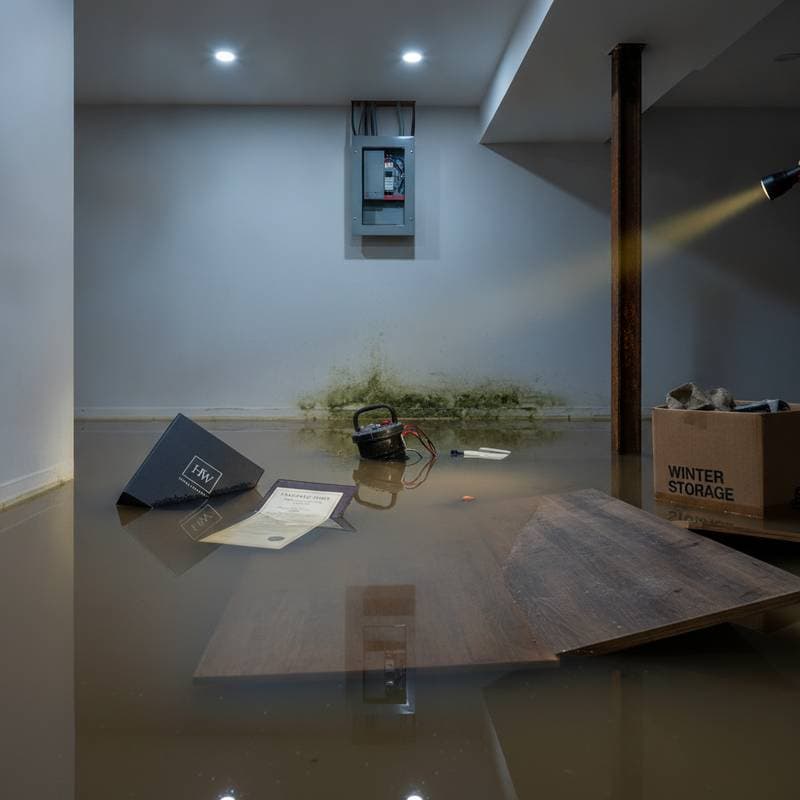
Effective planning forms the foundation of a successful home office conversion. Begin by selecting a suitable area that offers reliable electrical service, sufficient overhead clearance, and proper airflow circulation. Steer clear of locations prone to dampness, as these complicate compliance and comfort.
Next, draft a detailed layout incorporating workstation positioning, illumination sources, and organizational features. This visualization reveals potential requirements for new electrical points or ventilation adjustments, streamlining subsequent decisions.
Research applicable regulations by accessing your municipal or county online resources or contacting the permitting department directly. Inquire specifically about shifts in occupancy status and any mandates for additional off-street parking to accommodate business-related vehicles.
Obtain multiple cost projections from qualified professionals, including electricians, general contractors, and heating specialists. Ensure these estimates account for permitting expenses and mandatory on-site evaluations to avoid budgetary surprises.
Submit formal applications with schematic drawings and details on involved subcontractors. Permit charges generally cover administrative reviews and concluding assessments to verify adherence to standards.
Execute the construction phases sequentially: structural framing first, followed by electrical installations, insulation application, drywall finishing, and surface treatments. This order minimizes disruptions and facilitates inspector access at key intervals.
Conclude with a thorough final review by the assigned official, confirming all modifications align with approved plans. Retain comprehensive documentation for future property transactions or coverage claims under homeowner policies.
DIY vs Professional Assistance
Deciding between self-directed efforts and expert involvement hinges on project demands and personal expertise. The table below compares essential considerations to guide this choice.
| Factor | DIY | Professional Assistance |
|---|---|---|
| Required Skills | Moderate for surface treatments; expert for electrical tasks | Certified experts mandatory for code-restricted elements |
| Safety Concerns | Elevated potential for hazards | Mitigated via regulatory oversight and best practices |
| Equipment Needs | Standard tools for woodworking and finishing | Advanced gear for electrical, climate, and verification processes |
| Regulatory Handling | Essential for substantive alterations | Managed seamlessly by licensed providers |
| Timeline | Several weekends, spread over months | Condensed to weeks with coordinated scheduling |
| Coverage Benefits | Lacks formal assurances | Includes guarantees and protection against liabilities |
In summary, self-managed approaches suit cosmetic updates like painting or basic assembly, potentially reducing outlays. Engage specialists for interventions affecting the home's core systems, structural integrity, or utility integrations, as errors here risk policy invalidation or regulatory rejection.
Ongoing Maintenance and Long-Term Durability
A completed home office demands routine attention to preserve functionality and value. Annual testing of electrical receptacles, coupled with timely replacement of frayed cables, prevents overloads and fire hazards. Biannual filter cleaning in HVAC systems, alongside airflow verification, sustains optimal indoor conditions.
Surface upkeep involves refreshing wall coatings every five to seven years to optimize brightness and aesthetics. Periodic examination of seals around fenestration elements identifies drafts early, averting energy loss and structural wear.
With diligent oversight, these spaces endure for generations, requiring only periodic refreshes rather than major interventions. Proactive measures transform initial investments into enduring assets that adapt to evolving professional needs.
Frequently Asked Questions
Does a basic office arrangement in an existing bedroom necessitate a building permit? No, if changes limit to movable items or plug-in lights. Affirmative if alterations involve permanent wiring modifications or climate system expansions.
Does transforming a garage into an office influence property tax obligations? Indeed, as habitable additions typically elevate the overall valuation for taxation purposes.
Budgeting for Compliance and Comfort
Integrate permit foresight into your financial blueprint to realize a compliant, efficient home office without setbacks. By anticipating regulatory and upgrade expenses, homeowners secure a productive environment that aligns with both personal goals and community standards. This strategic approach not only averts avoidable costs but also elevates daily work satisfaction through reliable, safe design.