Soundproof Your Home Office for 2026 Remote Success
Remote work has transformed household dynamics, making a dedicated home office essential for sustained productivity. Noise disruptions, however, often undermine focus and efficiency. Soundproofing emerges as a vital upgrade that preserves concentration, ensures privacy, and elevates property appeal. Homeowners achieve optimal outcomes by designing soundproofing as a cohesive system, integrating multiple elements for comprehensive results.
Understanding the Scope of Soundproofing Services
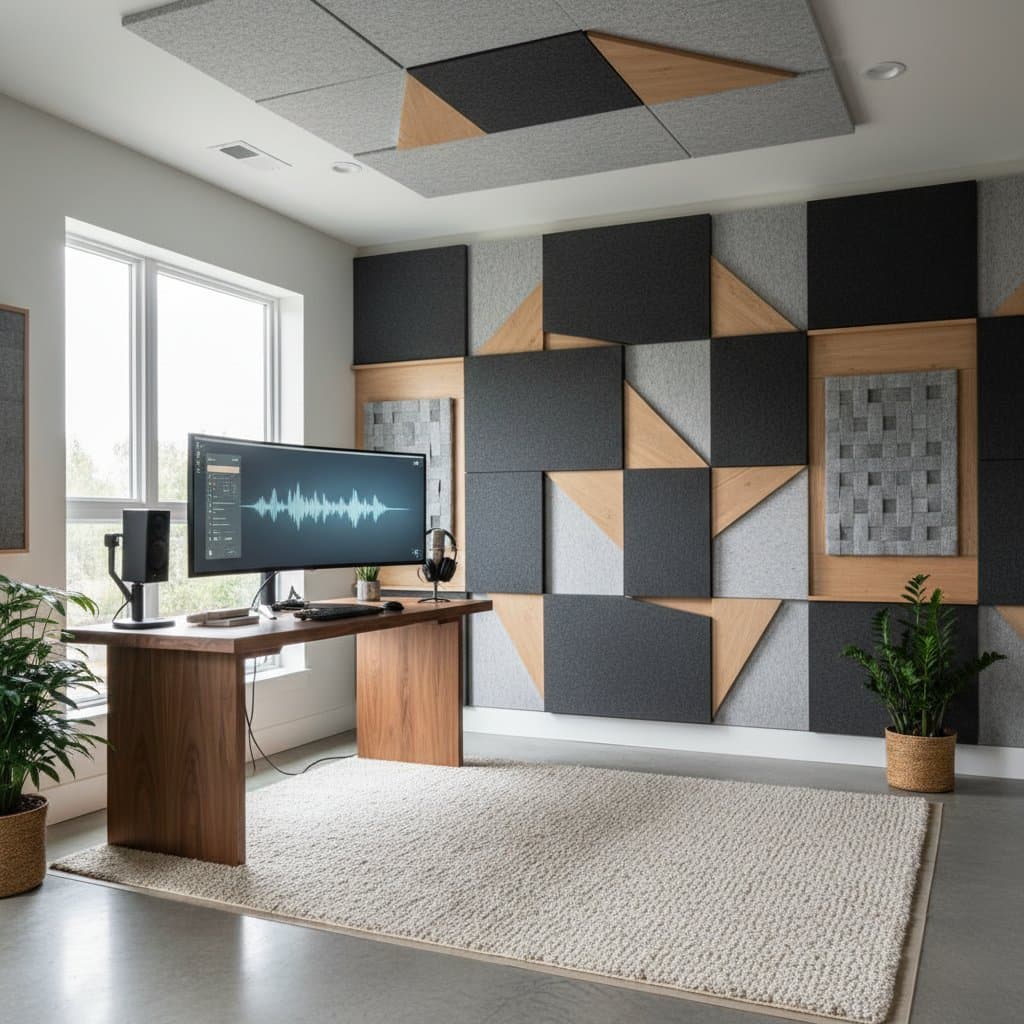
Effective soundproofing addresses airborne noise, such as conversations or street sounds, and structural noise that vibrates through building elements like walls and floors. Comprehensive services incorporate high-density insulation, absorptive acoustic panels, perimeter seals for doors and windows, and resilient underlayments for flooring. Providers vary in approach: some offer full-service packages with custom design and professional installation, while others provide expert consultations to guide DIY efforts.
Homeowners benefit from obtaining a detailed written proposal that outlines every component, from material selections to installation timelines and expected noise reduction levels. Verify that the provider includes labor in their offerings, as material-only sales can lead to suboptimal results without proper application techniques. Clear contracts prevent misunderstandings and ensure alignment with specific needs, such as targeting echoes in open-plan spaces or isolating external traffic rumble.
Breaking Down the Cost Structure
Expenses for soundproofing reflect room dimensions, chosen materials, and installation demands. Acoustic panels typically cost $50 to $100 each, with labor adding $200 to $500 for a standard 150-square-foot office. Sealing doors and windows incurs $300 to $600, depending on the number of openings and required custom fittings. Providers may bill per square foot at $10 to $20 or offer fixed prices for entire projects, simplifying budgeting.
Account for ancillary costs like surface refinishing or electrical adjustments post-installation, which can add 20 percent to the total. Request breakdowns separating materials, labor, and extras to spot inflated charges. Multiple quotes reveal value differences; for instance, premium mass-loaded vinyl outperforms basic foam at a modest premium, yielding better long-term savings through superior durability.
The Soundproofing Process Step by Step
A methodical approach guarantees consistent quality and measurable improvements. The journey begins with initial consultation, where technicians measure the space, inspect construction details, and note prevalent noise sources like HVAC hum or neighbor activity.
Next, acoustic assessments employ tools such as sound level meters to map transmission points and quantify issues in decibels. Homeowners then approve designs, including material samples and simulations of post-installation acoustics.
Installation follows, with teams layering insulation in cavities, securing panels to strategic surfaces, and applying airtight seals. Final verification involves re-testing to confirm reductions, often achieving 30 to 50 decibels of isolation, alongside care instructions for upkeep.
Thorough records from each phase, including before-and-after metrics, empower homeowners to enforce warranties if performance falls short.
Coverage Limitations and Common Oversights
Panels alone handle internal echoes but fail against penetrating external sounds without integrated barriers. Untreated gaps in walls or single-pane windows allow noise leakage, diminishing even high-end investments. Homeowners must pair absorption with blocking techniques, such as double-glazing or decoupled wall assemblies, for true isolation.
Warranties frequently omit coverage for settling foundations or humidity-related degradation, focusing instead on manufacturing flaws. Labor guarantees might span one year, while materials endure longer. Seek policies with quantifiable benchmarks, like sustained 40-decibel reductions, and clarify adjustment protocols for evolving needs, such as adding smart home devices.
Analyzing Long-Term Financial Impact
Beyond immediate comfort, soundproofing enhances daily output by minimizing interruptions, potentially increasing work efficiency by 20 percent according to productivity studies. Initial outlays recoup through reduced relocation costs and stress-related health expenses over time.
For resale, a documented soundproofed office appeals to remote professionals, adding 5 to 10 percent to home value in competitive markets. Durable systems, backed by certifications, outperform makeshift fixes; for example, resilient channels in ceilings provide verifiable upgrades that appraisers recognize.
Building a Reliable Decision Framework
Select providers using these criteria for informed choices:
- Verify licensing, insurance, and acoustic certifications from bodies like the Acoustical Society of America.
- Examine material datasheets for STC ratings above 50 and fire safety compliance.
- Review warranty terms for duration and remedy processes.
- Analyze verified reviews on platforms like Better Business Bureau for resolution patterns.
- Demand transparent pricing without hidden markups.
- Confirm ongoing support, including annual tune-ups.
Steer clear of vague assurances; insist on specifics like origin-sourced, eco-friendly composites to match ethical standards.
Securing Lasting Acoustic Performance
Treat soundproofing as an evolving system requiring vigilance. Annual checks on seals and panels prevent degradation from daily use or renovations.
Robust contracts delineate expectations, timelines, and recourse options, fostering trust. Through diligent planning, transparent dealings, and proactive maintenance, homeowners forge a sanctuary that sustains remote excellence and appreciates in worth.