Soundproofing a Home Office: 2026 Cost Insights
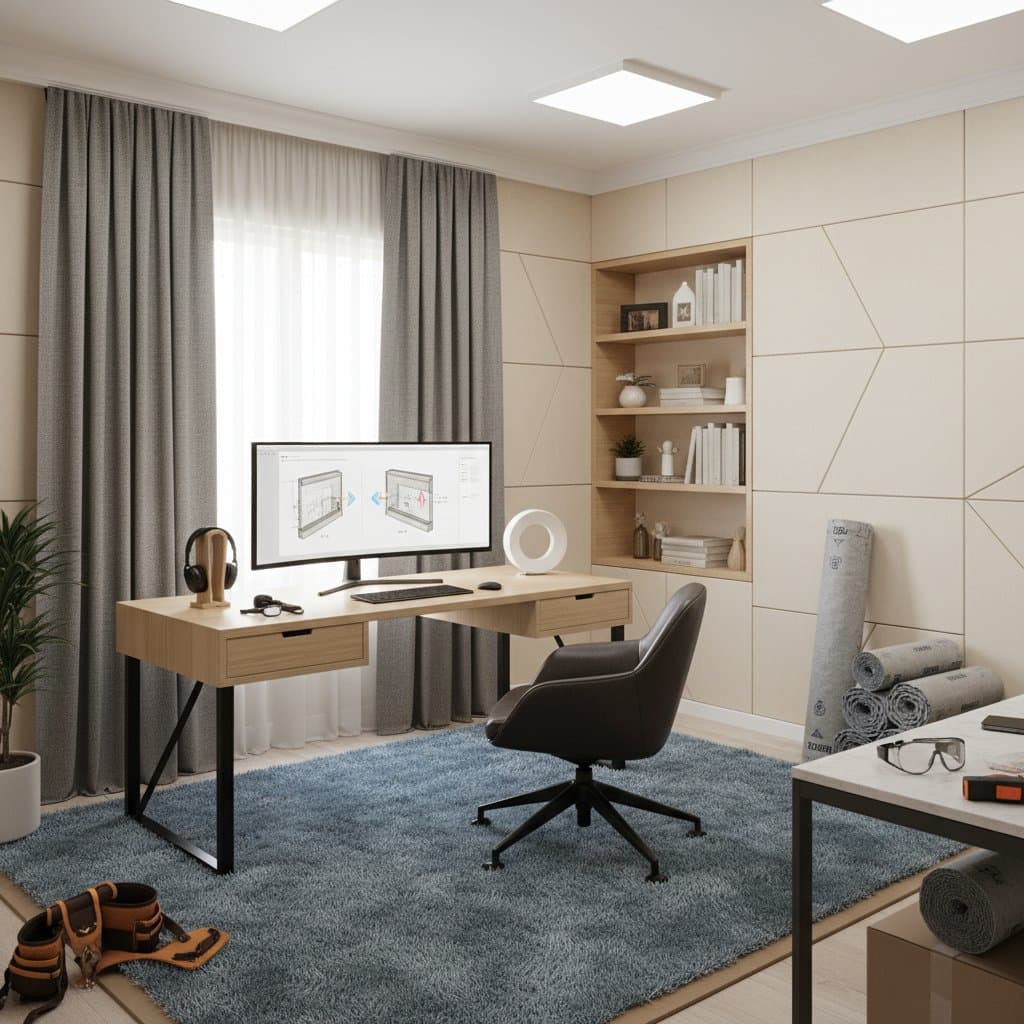
Establishing a serene home office requires more than basic adjustments like adding curtains or shutting windows. Effective soundproofing prevents external disturbances from intruding while containing internal sounds, such as video calls or keyboard typing. This comprehensive guide details proven methods, expense factors, and implementation strategies to achieve optimal noise reduction.
Understanding Soundproofing and Its Applications
Soundproofing involves techniques that minimize sound transmission across walls, floors, ceilings, and entry points. Unlike acoustic treatments, which primarily absorb echoes within a room, soundproofing focuses on blocking noise ingress and egress. Professionals recommend it for home offices adjacent to high-traffic areas, neighboring living spaces, or mechanical systems like air handlers that generate persistent hums.
Benefits, Drawbacks, and Ideal Use Cases
Benefits
- Enhances confidentiality during sensitive discussions or content creation.
- Potentially elevates property resale value through compliant, high-quality installations.
- Mitigates stress and improves concentration by eliminating disruptive ambient sounds.
Drawbacks
- Selected materials may increase wall thickness, affecting room aesthetics or furniture placement.
- Inadequate airflow planning can lead to overheating in enclosed spaces.
- Inexpensive acoustic foams often fail to provide meaningful sound isolation.
This approach suits spaces with identifiable noise pathways, such as shared partitions or overhead routes, where distractions significantly impair productivity.
Detailed Cost Analysis and Influencing Factors
Expenses for soundproofing vary based on chosen products, installation demands, and environmental constraints. The following table outlines common components for a standard room, assuming average dimensions of 150 to 200 square feet.
| Component | Material Cost Range | Labor Cost Range | Total Cost Range | Key Cost Influences |
|---|---|---|---|---|
| Mass-loaded vinyl (MLV) on walls | $2 to $4 per sq. ft. | $1 to $2 per sq. ft. | $3 to $6 per sq. ft. | Density and thickness of vinyl determine low-frequency blocking effectiveness. |
| Resilient channels with double drywall | $3 to $5 per sq. ft. | $2 to $3 per sq. ft. | $5 to $8 per sq. ft. | Boosts sound transmission class (STC) ratings by 10 to 15 points for superior isolation. |
| Acoustic sealant and caulking | $40 to $80 per room | $50 to $100 per room | $90 to $180 per room | Essential for sealing penetrations like electrical outlets and molding edges. |
| Soundproof door or solid-core replacement | $200 to $400 | $150 to $250 | $350 to $650 | Perimeter gaskets and core density directly impact airborne sound reduction. |
| Acoustic window inserts | $250 to $500 | $100 to $200 | $350 to $700 | Precision custom fabrication increases expenses for irregular window shapes. |
Three primary elements drive overall pricing:
- Material Quality: Opt for denser options like 1-pound-per-square-foot MLV for robust performance, though they command higher prices.
- Installation Challenges: Retrofitting in historic structures with irregular studs or lath-and-plaster finishes extends labor hours.
- Access and Logistics: Projects in multi-story homes or confined corridors require additional equipment, inflating costs by 20 to 30 percent.
For a full-room treatment covering 400 square feet of surfaces, expect totals from $1,200 to $3,200, excluding major structural changes.
Implementation Guide: Step-by-Step
Before starting, gather personal protective equipment including dust masks, eye protection, and work gloves, especially during material cutting.
- Evaluate Sound Sources: Map out vulnerable areas by playing test tones or using a decibel meter to pinpoint walls, floors, or fixtures transmitting noise.
- Secure Perimeter Gaps: Apply non-hardening acoustic caulk to edges of electrical boxes, switch plates, and floor transitions to eliminate flanking paths.
- Incorporate Mass Layers: Affix MLV sheets to studs before layering drywall, or sandwich damping compounds like Green Glue between two drywall sheets for vibration control.
- Isolate Structural Elements: Mount resilient channels or isolation clips to studs, creating a floating assembly that decouples new surfaces from the building frame.
- Fortify Entry Points: Install heavy solid-core doors with automatic drop seals; for windows, fit acrylic inserts that create an airtight secondary barrier.
- Address Vertical Transmission: Lay mass-underlayment mats beneath flooring or suspend ceilings with spring isolators if footsteps or HVAC rumble travels from above.
A dedicated DIY enthusiast might complete a basic wall and door upgrade over two to four weekends, while licensed installers often finish in one to two days using specialized tools.
Compliance, Safety, and Regulatory Considerations
Most soundproofing projects evade permit requirements unless they involve load-bearing modifications or wiring reroutes. Preserve existing fire-resistance ratings by selecting UL-listed drywall and intumescent sealants for any breaches. Steer clear of insulating over junction boxes to prevent fire hazards, and verify that alterations do not compromise heating, ventilation, or air conditioning system guarantees.
Common Pitfalls and Prevention Strategies
- Relying on decorative foam for structural blocking, which absorbs rather than isolates sound.
- Overlooking unsealed fixtures like light switches or HVAC registers, allowing sound leakage.
- Neglecting under-door sweeps or perimeter thresholds, common weak points for noise entry.
- Impeding airflow paths, which strains systems and raises energy bills.
To sidestep these, conduct a post-installation sound test and adjust as needed.
Long-Term Care and Durability Expectations
Immediately after completion, verify that seals remain pliable and inserts fit snugly without gaps. Perform quarterly visual checks on caulked joints for wear, reapplying as cracks appear. Annually, secure any loosened hardware around outlets and frames to maintain integrity.
High-caliber installations endure 20 to 30 years with minimal intervention, though rubber gaskets may require replacement every five to seven years to restore compression.
Deciding Between DIY and Professional Help
Assess your project using these criteria:
- Experience Level: Proceed with DIY if comfortable handling power tools, measuring precisely, and following schematics; otherwise, consult experts.
- Risk Assessment: Engage professionals for tasks near live electrical lines, plumbing, or multi-unit building interfaces to avoid hazards.
- Resource Check: Ensure access to essentials like laser levels, insulation blowers, or noise analyzers; rentals cost $50 to $150 daily.
Professionals excel in comprehensive overhauls, including ceiling decouplings or integrations with smart home audio systems.
Readiness Checklist for Your Project
- Measure room dimensions and identify primary noise sources.
- Budget for materials plus 20 percent contingency for unforeseen issues.
- Source fire-rated supplies and review local codes.
- Schedule a consultation if hiring, or test tools for DIY.
- Plan for temporary relocation of office contents during work.
Achieving Lasting Workspace Serenity
Soundproofing transforms a chaotic home office into a sanctuary for deep work and clear communication. By selecting durable solutions and following methodical steps, you invest in sustained productivity and well-being. Start with targeted assessments to tailor your approach, ensuring every dollar spent yields measurable quietude.