Home Office Conversions to Cost 35% More in 2025: Essential Budgeting Insights
Project Overview
National average cost: $22,000
Typical range: $12,000 to $38,000
Low end and high end: $6,000 for a small basic setup; $50,000 for a premium custom build
Time to complete: 2 to 6 weeks
DIY or Pro: A combination works best, with professional help essential for finish work
ROI or resale impact: 50% to 65%, influenced by finish quality and layout adaptability
Updated: March 2025
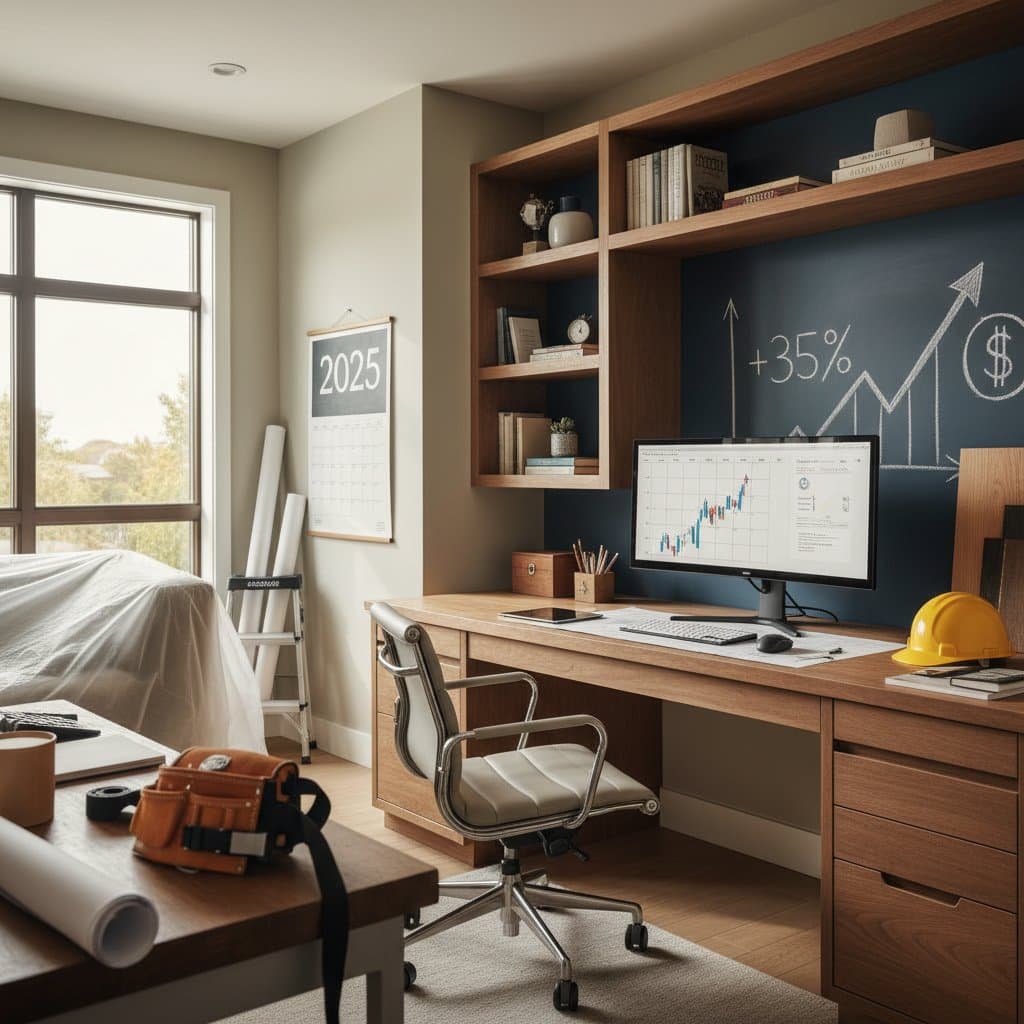
Home office conversions have become a staple for modern living, especially with hybrid work models solidifying their place in daily routines. As demand grows, so do expenses, with projections indicating a 35% uptick in 2025. This surge stems from higher labor costs, advanced material specifications, and the need for versatile, long-lasting designs. Understanding these elements equips homeowners to plan effectively and avoid budget overruns.
Detailed Cost Breakdown
The following table outlines a typical 200-square-foot home office conversion, separating materials from labor where applicable. Costs reflect 2025 estimates, accounting for inflation in key areas like lumber and skilled trades.
| Item | Unit Cost | Typical Quantity | Line Total | Notes |
|---|---|---|---|---|
| Framing and drywall | $2.50 per sq. ft. | 200 sq. ft. | $500 | Covers studs, drywall installation, and basic finishing |
| Insulation | $1.25 per sq. ft. | 200 sq. ft. | $250 | R13 to R19 fiberglass batts for energy efficiency |
| Electrical and lighting | $125 per outlet | 6 outlets | $750 | Encompasses wiring, GFCI outlets, and LED fixtures |
| Flooring | $5.00 per sq. ft. | 200 sq. ft. | $1,000 | Midrange options like vinyl plank or laminate for durability |
| Paint and trim | $3.00 per sq. ft. | 200 sq. ft. | $600 | Includes two coats of paint and installation of baseboards |
| Built-ins and cabinetry | $200 per linear ft. | 10 ft. | $2,000 | Custom desk units and shelving for storage optimization |
| HVAC extension | $1,800 each | 1 | $1,800 | Ductwork modifications for consistent climate control |
| Permits and disposal | Flat fee | — | $500 | Local building permits and waste management fees |
Total typical project cost: Approximately $7,400 for materials and $14,600 for labor, totaling $22,000. Labor rates vary by region, with urban areas often 20% higher due to demand.
Optional Add-Ons
Consider these enhancements to tailor your space, but factor in their impact on the overall budget:
- Soundproofing panels: $8 to $15 per square foot, ideal for reducing noise in shared homes.
- Smart lighting and data cabling: $1,000 to $2,500, integrating voice controls and high-speed Ethernet for productivity.
- Window replacement: $500 to $900 per window, ensuring natural light and compliance with energy codes.
These additions can elevate functionality but may extend timelines by 1 to 2 weeks if custom ordering is involved.
Key Factors Influencing Costs
Several variables determine the final price tag for your home office project. Addressing them upfront helps in creating a realistic financial plan.
- Scope and size: Expanding beyond 200 square feet or incorporating elements like new walls, additional windows, or an en-suite bathroom can increase expenses by 40% or more.
- Material grade and finish: Opting for premium selections, such as solid hardwood flooring, intricate built-in millwork, or bespoke cabinetry, often doubles the finishing budget compared to standard alternatives.
- Site conditions and accessibility: Projects in challenging locations, like basements or attics, demand extra work for framing adjustments, enhanced insulation, or structural reinforcements to meet safety standards.
- Labor market and seasonal timing: In regions with labor shortages, hourly rates climb 20% to 35%. Scheduling during off-peak seasons, such as winter, may yield better pricing.
- Custom work and change orders: Design alterations during construction lead to additional labor hours and material inefficiencies, potentially adding 10% to 15% to the total.
By evaluating these factors early, homeowners can prioritize essentials and allocate funds wisely.
Balancing DIY and Professional Expertise
A hybrid approach maximizes savings while ensuring quality and safety. Identify tasks based on your skill level and the project's complexity.
Suitable DIY tasks:
- Applying paint and installing baseboards for a fresh look.
- Laying minor flooring sections and assembling ready-to-install furniture.
- Mounting blinds, plug-in lighting, and decorative elements.
Essential professional tasks:
- Handling electrical wiring, circuit installations, and outlet placements to code.
- Extending HVAC systems and performing structural framing modifications.
- Crafting precision built-ins that align with room dimensions.
Safety considerations: Amateur attempts at electrical or load-bearing work pose risks of fire hazards or structural failures. Always engage licensed professionals for these aspects, verifying credentials through local licensing boards. This not only protects your investment but also maintains insurance coverage.
Strategies to Control Costs Effectively
Achieving a functional home office without financial strain requires strategic planning. Focus on efficiency from the outset to preserve your budget.
- Leverage existing spaces: Transform an underused guest room or nook rather than tackling an attic overhaul, potentially saving $5,000 to $10,000 on framing and structural work.
- Choose practical mid-grade materials: Select resilient vinyl or laminate flooring paired with painted MDF trim over luxury hardwood and ornate millwork for comparable aesthetics at half the price.
- Optimize layout in advance: Position outlets, lighting, and cable runs thoughtfully to minimize wiring lengths and reduce electrician time by up to 20%.
- Combine with broader renovations: Align your office project with other home updates, like kitchen refreshes, to share contractor mobilization and permitting costs.
- Secure multiple quotes: Obtain bids from at least three contractors to benchmark pricing and negotiate terms.
Essential Quote Comparison Checklist
When reviewing proposals, use this framework to ensure transparency and value:
- Itemized scope of work with clear deliverables.
- Specified material grades, brands, and sourcing details.
- Inclusion of surface preparation, daily cleanup, and final touches.
- Coverage of permits, inspections, and debris disposal.
- Defined warranty periods, expected timelines, and contingency plans.
- Milestone-based payment structure to align progress with disbursements.
This diligence prevents surprises and fosters accountability.
Project Timeline and Coordination
Efficient scheduling keeps disruptions minimal and costs in check. Anticipate these phases for a smooth execution.
- Material procurement: Allow 2 to 4 weeks for ordering cabinetry, specialty lighting, and custom elements to avoid delays.
- On-site construction: Expect 10 to 15 working days for core activities, including framing, electrical rough-ins, drywall hanging, and finishing touches.
- Inspection milestones: Schedule checks for rough electrical, insulation integrity, and final occupancy to comply with regulations and catch issues early.
Coordinate with your contractor to align these steps with your household routine, perhaps working weekends to accelerate progress.
Long-Term Maintenance for Durability
A well-maintained home office extends its lifespan and preserves value. Implement these habits to keep the space performing optimally.
- Vacuum floors weekly and inspect for wear to safeguard against scratches and dents.
- Clean surfaces with a gentle, non-abrasive solution to maintain paint vibrancy and prevent buildup.
- Reapply caulk around trim and windows every 2 to 3 years to seal gaps and improve energy efficiency.
Regular upkeep not only enhances daily usability but also supports higher resale appeal by demonstrating care.
Steps to Launch Your Project Successfully
With hybrid work trends enduring, the demand for dedicated home offices will continue to elevate costs. Begin by assessing your available square footage and defining must-have features. Establish a buffer in your budget for unforeseen adjustments, then solicit detailed quotes emphasizing labor specifics. Proceed methodically to create a space that boosts productivity and adds lasting value to your home.