Home Office Remodels: Achieving Strong ROI and Resale Value in 2026
Remote work has become a standard practice in numerous households, reshaping how people utilize their living spaces. A thoughtfully designed home office not only elevates everyday functionality but also enhances the overall property value upon sale. Homeowners who convert spare rooms, attics, or basements into productive offices often realize significant financial benefits alongside improved quality of life.
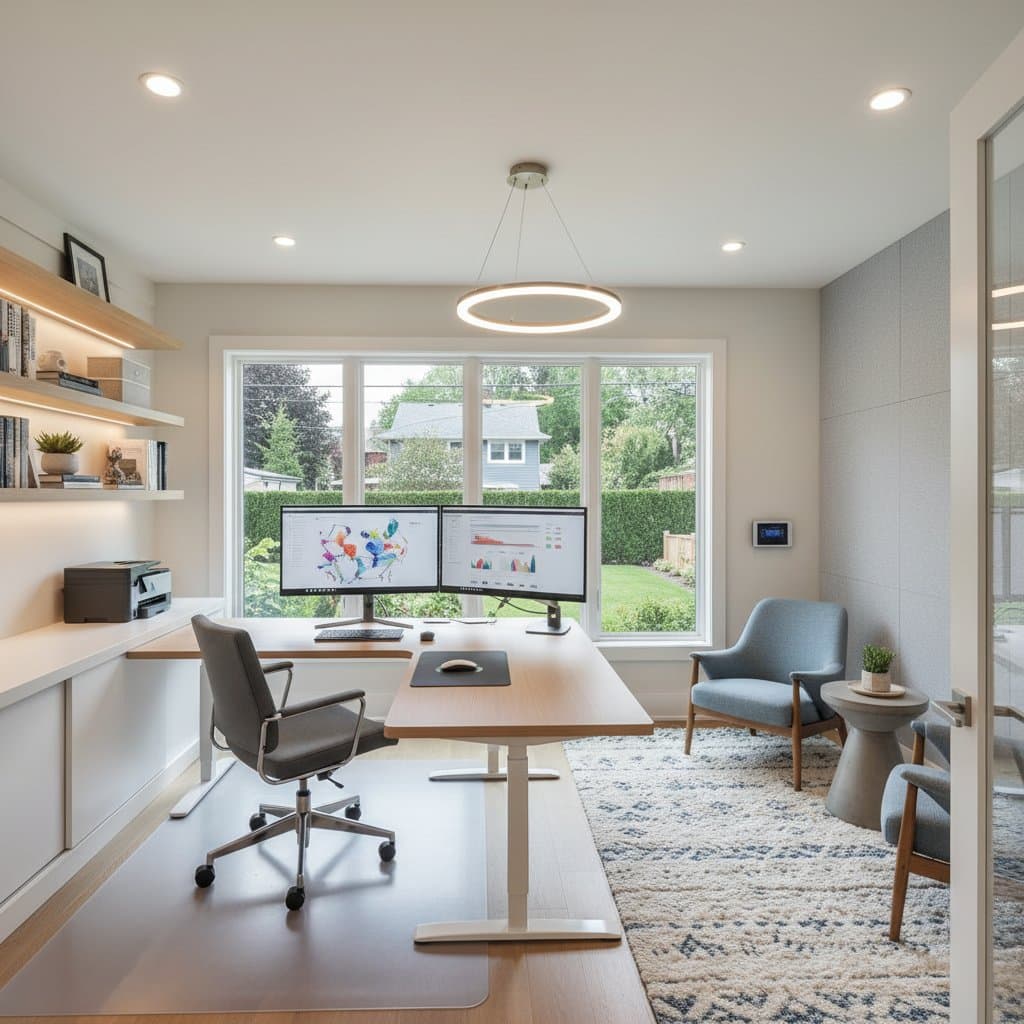
Projects that prioritize ergonomic design, ample natural light, and versatile layouts tend to yield the highest returns. For instance, incorporating built-in storage and energy-efficient lighting can appeal to future buyers seeking turnkey solutions. As market trends evolve, dedicated workspaces remain a desirable feature in residential properties.
Quick Answer: A well-executed home office remodel typically returns 60 to 75 percent of the investment upon resale. Optimal outcomes arise from designs that emphasize user comfort, workflow efficiency, and neutral aesthetics that attract a wide range of potential buyers.
Evaluating Home Office Conversion Options
Selecting the right space for your home office requires careful consideration of your current needs and future resale potential. Each option presents unique advantages and challenges, influenced by factors such as budget, location within the home, and local real estate preferences. Below is a comparison to guide your decision.
| Option | Description | Pros | Cons |
|---|---|---|---|
| Bedroom Conversion | Repurpose an existing spare bedroom | Lower upfront costs; quicker completion time | Potential decrease in perceived bedroom count, which may deter family-oriented buyers |
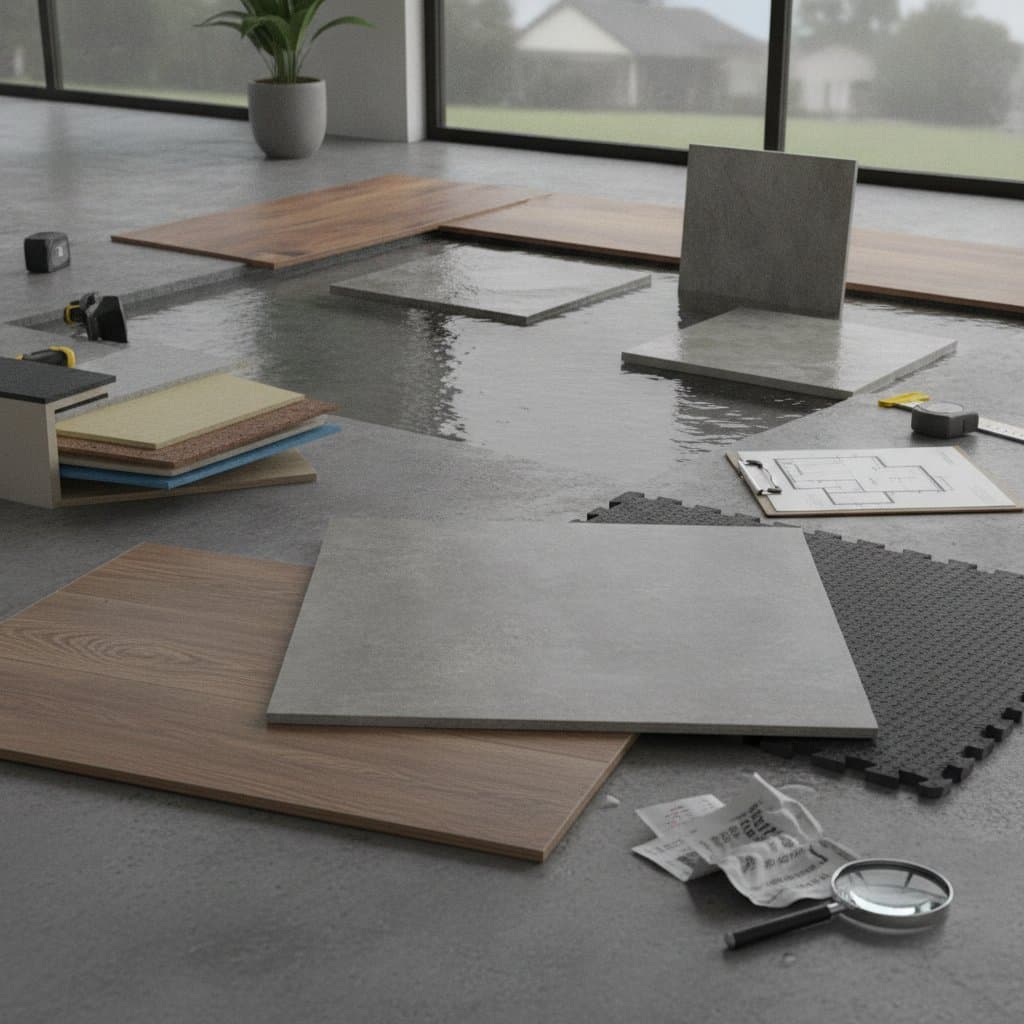
| Basement Office | Develop an unfinished basement area | Provides seclusion and minimal interference with main living areas | Requires attention to insulation, waterproofing, and ventilation to prevent dampness issues |
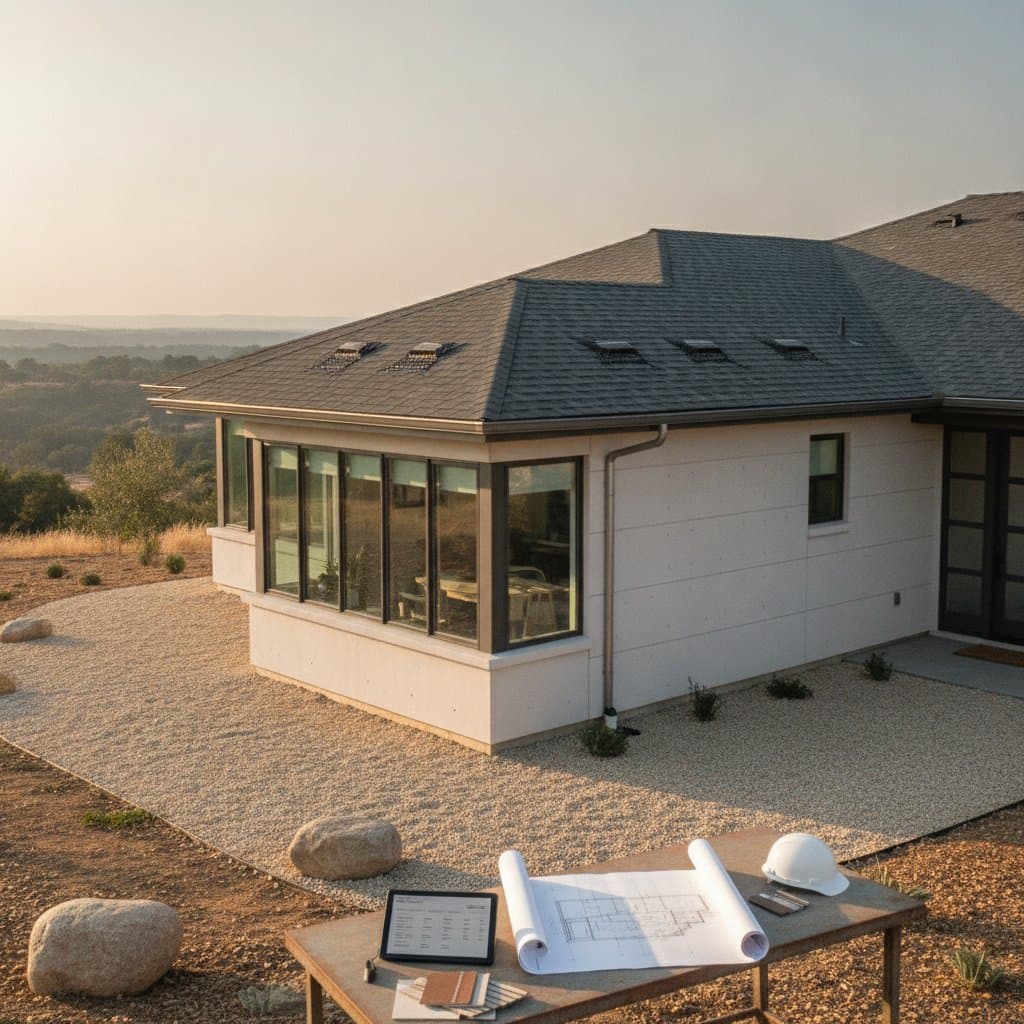
| Garage Conversion | Transform an attached or detached garage | Offers expansive space for custom layouts and equipment | Involves installing proper heating, cooling systems, and obtaining necessary building permits |
| Built-in Nook | Integrate a compact workstation into a living or dining room | Economical approach with little structural change | Offers limited privacy and may contribute less to overall property value |
Key Decision Insight: If resale is imminent, preserve essential features like bedrooms or garages unless market data indicates a premium for specialized office spaces. Consult local real estate reports to align your project with buyer demands in your area.
Project Timeline and Step-by-Step Execution
Most home office conversions span 2 to 6 weeks, varying with the project's complexity and any unforeseen structural needs. A structured approach ensures smooth progress and minimizes disruptions to daily routines. Following a logical sequence helps maintain quality while controlling costs.
-
Planning and Assessment: Measure the space precisely, evaluate existing electrical outlets, and assess natural lighting conditions. Sketch initial layouts to visualize furniture placement and workflow patterns.
-
Space Preparation: Remove outdated fixtures or clutter, repair wall imperfections, and prepare the subfloor for new coverings. This phase addresses any foundational issues early to avoid delays.
-
Electrical and Climate Systems: Install additional power outlets for devices, upgrade lighting to LED options, and integrate HVAC adjustments for consistent temperature control. Hire licensed professionals for compliance with building codes.
-
Surface Finishing: Apply fresh paint in neutral tones, lay durable flooring such as vinyl planks, and add trim along edges for a polished appearance. These elements contribute to a professional ambiance.
-
Furniture and Storage Integration: Mount wall shelves for organization, position an ergonomic desk, and select supportive seating. Ensure all pieces fit the scale of the room to optimize space usage.
-
Final Enhancements: Incorporate task lighting, decorative elements for personalization, and organized cable routing to reduce visual clutter. Test the setup for functionality before full use.
Adhering to this order prevents rework and allows for progressive improvements. For larger projects, allocate buffer time for material deliveries or inspections.
Essential Materials and Tools
Gathering the right supplies upfront streamlines the remodeling process and helps avoid mid-project purchases. Focus on durable, low-maintenance options that enhance longevity and appeal.
Core Materials:
- High-quality interior paint or moisture-resistant wall panels for easy updates.
- Vinyl plank or laminate flooring, covering approximately 100 to 200 square feet depending on room size.
- Trim molding, caulk sealant, and corrosion-resistant fasteners for secure installations.
- Modular shelving units or custom cabinetry to maximize vertical storage.
- Recessed or adjustable lighting fixtures to improve illumination without overwhelming the space.
Recommended Tools:
- Cordless drill and precision screwdriver set for efficient assembly.
- Digital level and electronic stud finder to ensure accurate alignments.
- Professional-grade paint rollers, trays, and angled brushes for smooth application.
- Miter saw or compact circular saw for custom cuts on trim and shelving.
- Retractable tape measure, along with safety glasses, gloves, and dust masks for protection.
Budget approximately 20 percent extra for tools and materials to account for variations in project scope.
Adapting to Regional and Climate Factors
Local environmental conditions play a crucial role in material selection and design choices. Tailoring your remodel to these elements ensures durability and comfort year-round.
In regions with high humidity, such as coastal areas, opt for vinyl or ceramic tile flooring that resists warping and mold growth. Colder climates demand enhanced insulation in walls and floors, particularly for basement or garage conversions, along with supplemental heating units to maintain warmth.
Natural light boosts productivity, yet in sunny, hot locales, install UV-protective blinds or tinted window films to manage glare and temperature spikes. For urban settings with limited outdoor access, emphasize artificial lighting layers to mimic daylight. Always verify local zoning regulations regarding space conversions to avoid compliance issues.
Cost Breakdown and Maximizing ROI
Home office remodels range from $5,000 for basic updates to $25,000 for comprehensive conversions, with ROI influenced by quality and market alignment. Bedroom conversions often cost under $10,000, focusing on paint, lighting, and furniture, while garage projects may exceed $15,000 due to structural modifications.
To maximize returns, allocate 40 percent of the budget to structural essentials like electrical work, 30 percent to finishes and flooring, and 30 percent to furnishings. Neutral color schemes and multifunctional furniture broaden appeal, potentially increasing resale offers by 5 to 10 percent in office-friendly markets.
Track expenses meticulously and consider energy-efficient upgrades, such as smart thermostats, which qualify for rebates and enhance long-term value.
Building a Lasting Workspace Investment
Embark on your home office remodel by assessing your immediate priorities, whether comfort or future sale potential. Begin with foundational improvements like enhanced lighting and organization to realize quick gains in productivity. As you progress, integrate flexible elements that adapt to evolving work habits.
A strategic remodel transforms underutilized areas into assets that benefit your lifestyle today and strengthen your property's market position tomorrow. By focusing on practical design and quality execution, you create a space that delivers enduring value for years to come.