Home Warranties Now Cover Solar and Battery Storage Systems
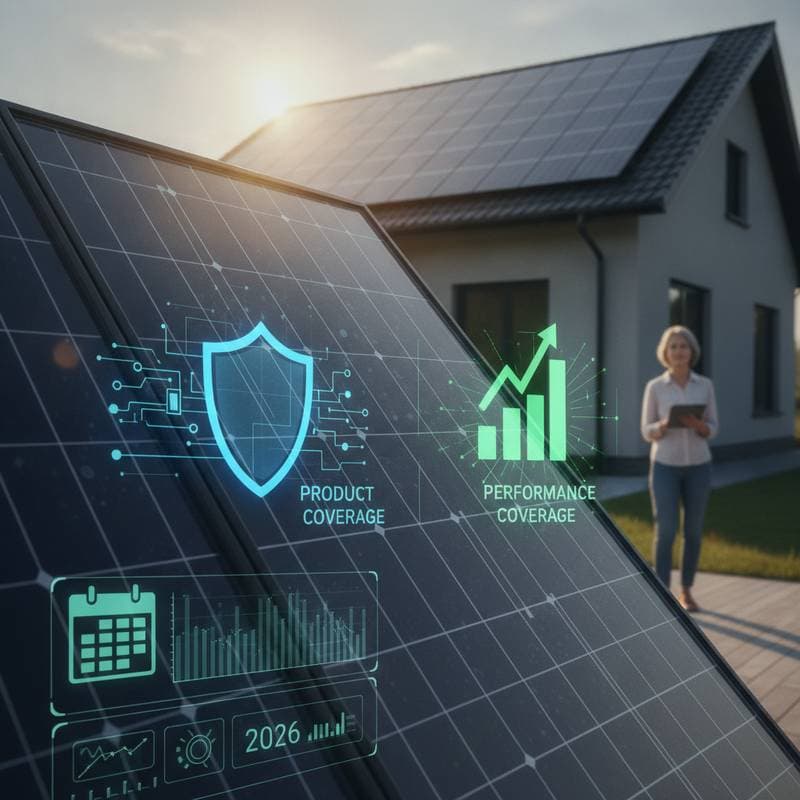
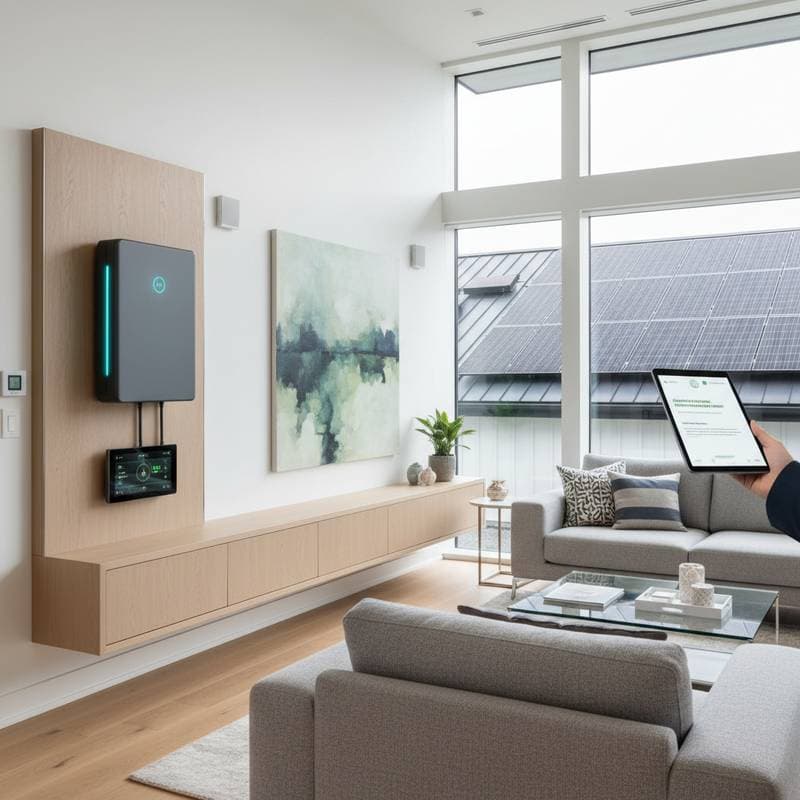
Home warranty providers increasingly offer coverage for solar panels, battery storage units, and smart climate control systems. This expansion allows homeowners to protect renewable energy installations and connected technologies under one comprehensive policy, eliminating the need for multiple separate contracts. As homes integrate more advanced energy solutions, these warranties address maintenance, repair, and replacement needs while supporting long-term financial planning.
This article provides practical guidance to help you evaluate whether such a warranty suits your property. It covers policy details, associated costs, claim processes, and key factors for selection, enabling informed decisions that protect investments in sustainable home features.
Benefits, Drawbacks, and Ideal Applications
Benefits
- Unified protection simplifies management by combining renewable energy and home system coverage, reducing administrative hassle.
- Providers often partner with certified solar and HVAC specialists, ensuring repairs meet industry standards and local codes.
- Transferable policies enhance home resale appeal, as potential buyers benefit from ongoing protection for high-value installations.
- Faster claim resolutions minimize energy system disruptions, maintaining household efficiency during outages or failures.
Drawbacks
- Coverage typically excludes structural issues, such as roof leaks affecting solar panel mounts, requiring separate homeowner insurance.
- Battery storage claims may face restrictions based on usage cycles or capacity degradation beyond manufacturer thresholds.
- Smart climate devices demand verification of up-to-date firmware and compatible integrations for claim validity.
- Adding premium features like advanced inverters or large-scale batteries increases annual premiums by 20 to 50 percent.
Ideal Applications
- Properties equipped with solar arrays exceeding 4 kilowatts, where repair costs for panels or inverters can exceed $1,000 per incident.
- Residences featuring interconnected smart HVAC systems or zoned climate controls that integrate with energy storage.
- Long-term homeowners planning to remain in the property for at least five years, allowing full amortization of policy costs against potential savings.
Guide to Adding Coverage
Follow these steps to integrate solar and climate technology into your home warranty effectively.
- Compile Equipment Specifications. Document the manufacturer, model numbers, serial identifiers, and installation dates for solar panels, inverters, batteries, and smart devices.
- Evaluate Current Protections. Review manufacturer warranties, which often extend 10 to 25 years for panels and 5 to 10 years for batteries, to identify overlaps and gaps.
- Obtain Multiple Quotes. Contact at least three reputable providers and request breakdowns of coverage limits, deductibles, and any add-on fees for renewable components.
- Verify Contractor Qualifications. Confirm the provider's network includes NABCEP-certified solar installers and NATE-certified HVAC technicians for specialized service.
- Examine Payout Limitations. Note annual caps, typically $1,500 to $5,000 per system, and per-incident maximums that may not cover full replacements.
- Arrange a Professional Inspection. Schedule a site visit to ensure installations comply with NEC standards and local building codes before policy activation.
- Organize Records Securely. Maintain digital and physical files of invoices, permits, warranties, and inspection reports for seamless claim submissions.
Common Pitfalls and Prevention Strategies
Avoid these frequent errors to maximize warranty value and prevent claim denials.
- Neglecting Initial Inspections. Policies activate only after verification; uninspected systems risk full exclusion from coverage.
- Misinterpreting Scope. Warranties safeguard equipment functionality but not underlying structures like roofs or wiring conduits.
- Ignoring Firmware Requirements. Outdated software on smart thermostats or controllers can invalidate claims; update quarterly via manufacturer apps.
- Engaging Unqualified Workers. Repairs by non-licensed electricians trigger voids; always use provider-approved contractors.
- Overlooking Financial Limits. Payout caps may cover only 50 to 75 percent of inverter or battery replacement costs, leaving out-of-pocket expenses.
Professional Service Versus Self-Maintenance Guidelines
Assess these criteria to determine the appropriate approach for warranty-related tasks.
| Factor | Suitable for Self-Maintenance | Requires Professional Intervention |
|---|---|---|
| Technical Expertise | Familiarity with low-voltage diagnostics | Involvement with high-voltage components |
| Risk Level | Routine visual inspections or app-based resets | Access to rooftops or energized circuits |
| Equipment Needs | Standard multimeter and cleaning supplies | Diagnostic software or hydraulic lifts |
Self-maintenance works for tasks like panel cleaning, error code readings, or firmware updates, which take under 30 minutes and pose minimal hazards. Engage professionals for structural adjustments, electrical modifications, or system integrations to comply with warranty terms and safety regulations.
Preparation Checklist for Maintenance and Claims
Essential Tools
- Digital voltage tester for circuit verification.
- Stable ladder for ground-level panel assessments.
- Personal protective equipment, including insulated gloves, safety goggles, and sturdy footwear.
Required Knowledge
- Fundamental principles of DC and AC electrical systems.
- Interpretation of equipment manuals and diagnostic displays.
Safety Measures
- Insulated tools to prevent shocks.
- Harness systems for any elevated inspections.
- Ground fault circuit interrupter usage near water sources.
Permit Considerations
- No permits needed for routine checks.
- Local electrical permits mandatory for circuit alterations or expansions.
Preliminary Actions
- Disconnect power sources prior to examinations.
- Analyze inverter logs for performance anomalies.
- Capture timestamped photographs of system conditions.
Environmental Factors
- Conduct work during clear, dry weather to avoid slips.
- Postpone roof-related activities in gusty or wet conditions.
Resolving Typical System Issues
Address these frequent problems systematically to restore functionality and support warranty claims.
Reduced Solar Production
- Examine the inverter screen for diagnostic alerts and cross-reference with the user manual.
- Clear panels of dust, bird droppings, or overhanging foliage that blocks sunlight.
- Ensure the dedicated breaker remains in the on position within the electrical panel.
Battery Charging Failures
- Test communication links between the inverter and battery management system via diagnostic ports.
- Inspect internal fuses and external disconnects for signs of wear or tripping.
- Consult a technician if charge levels drop below 80 percent of rated capacity.
Smart Thermostat Connectivity Loss
- Reestablish Wi-Fi pairing through the device's setup menu.
- Trace power supply from the central HVAC unit to the control module.
- Perform a factory reset if app controls remain unresponsive.
Maintain a detailed service journal, noting dates, actions, and outcomes. This record strengthens claim submissions and demonstrates proactive care.
Optimizing Warranty Utilization
- Enroll All Components Promptly. Submit registration forms to both equipment makers and warranty administrators within 30 days of installation.
- Conduct Yearly Evaluations. Hire certified inspectors to assess system integrity, creating a audit trail for future reference.
- Extend Coverage Seamlessly. Renew policies 45 days before expiration to avoid reinstatement fees or coverage interruptions.
Implementing Coverage for Energy Efficiency
Integrating solar and climate technology into a home warranty transforms potential vulnerabilities into managed assets. Review your existing setups against these insights to identify enhancement opportunities. Reach out to specialized providers today to secure quotes tailored to your home's configuration.
With organized records and routine upkeep, this protection not only mitigates repair expenses but also sustains optimal performance, contributing to reduced utility bills and environmental benefits over time.