Hurricane-Proof Roofing: 2026 Costs and Warranties
Summary Box
Definition: Hurricane-proof roofing employs materials certified for high wind resistance and impact durability to maintain integrity amid intense storms.
Importance: This roofing shields the home from uplift forces, moisture penetration, and debris impacts, preserving the building envelope.
Projected 2026 cost: $12 to $28 per square foot for full installation, varying by material type, labor rates, and geographic location.
Professional involvement: Essential for projects requiring structural reinforcements, code-compliant fasteners, or permitting.
Installation timeline: Four to eight days for complete replacement, encompassing demolition, preparation, and final checks.
Maintenance schedule: Conduct inspections biannually, plus immediately following significant weather events.
Key Components of a Hurricane-Proof Roof
A well-constructed hurricane-proof roof relies on interconnected layers that collectively resist extreme conditions. Each element contributes to overall stability and weatherproofing.
Roof deck foundation: Typically composed of 5/8-inch plywood or oriented strand board, secured with enhanced fasteners like ring-shank nails spaced at six-inch intervals along edges for superior anchorage.
Waterproof underlayment: A self-adhering synthetic membrane, such as peel-and-stick variants, forms a secondary barrier to block leaks even if outer layers shift during high winds.
Starter course: Pre-sealed strips along eaves and rakes provide a firm base for subsequent rows, minimizing wind-driven uplift at vulnerable edges.
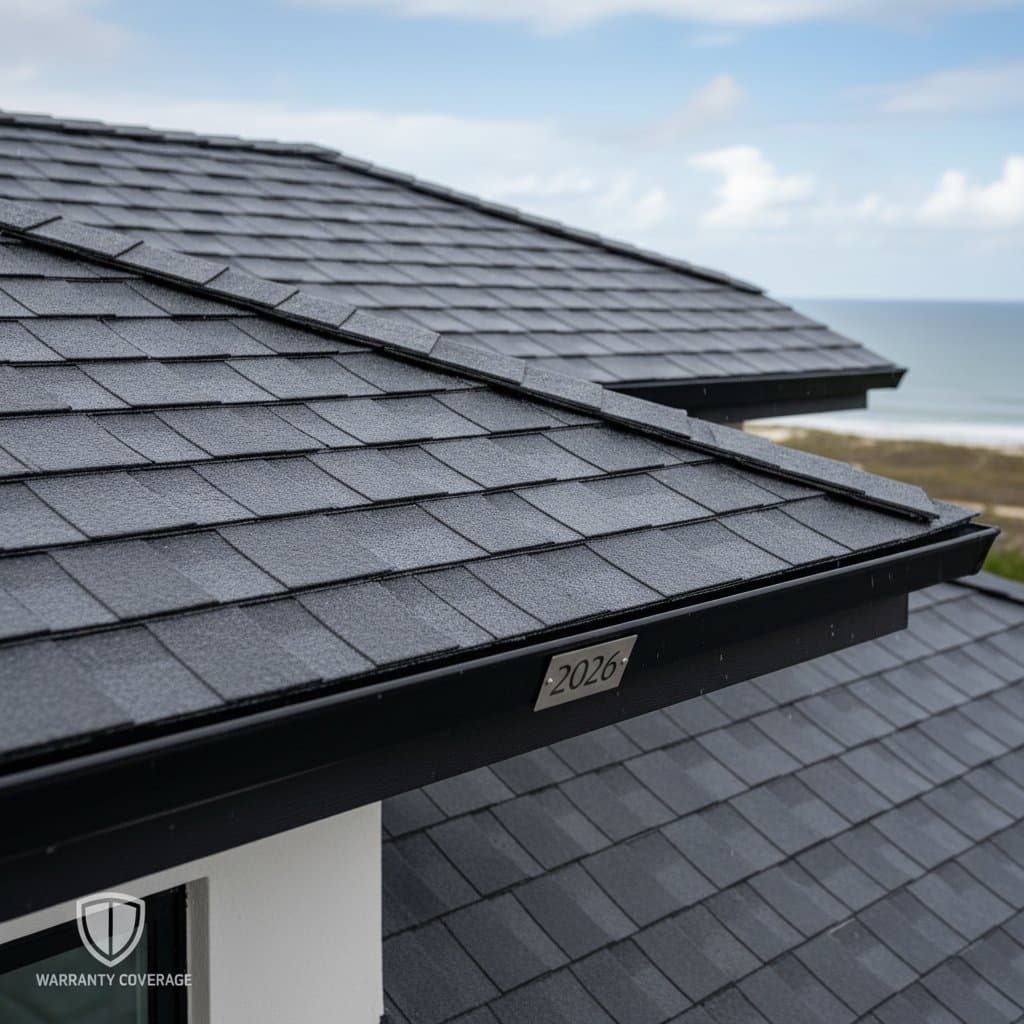
Primary covering: Options include asphalt shingles with Class H wind ratings, metal panels engineered for 150 mph gusts, or concrete tiles tested for impact from flying objects up to two-inch diameters.
Ridge and ventilation elements: Sealed ridge caps paired with baffled vents maintain attic airflow while eliminating potential entry points for rain or wind.
Edge protections: Galvanized flashing and high-adhesion sealants surround chimneys, vents, and valleys to direct water away and seal against penetration.
Failure in any single component can compromise the entire system, leading to partial or total roof loss in severe events. Selecting materials tested to standards like those from the International Building Code ensures reliability.
Detailed Process for Upgrading to Hurricane-Proof Roofing
Upgrading involves systematic evaluation and reinforcement to meet evolving building codes. Professionals follow precise protocols to achieve compliance and performance.
-
Initial evaluation: Engage a certified roofer to assess existing deck condition, measure fastener density, and identify underlayment degradation using tools like moisture meters.
-
Material removal strategy: Determine if full tear-off is necessary for damaged substrates or if code permits overlay on stable, undamaged surfaces to reduce costs.
-
Deck reinforcement: Re-secure the deck with screws or nails per local wind zone specifications, often requiring clips or hurricane ties at rafter connections for added uplift resistance.
-
Barrier application: Roll out and adhere synthetic underlayment across the entire surface, overlapping seams by six inches and sealing with compatible adhesives.
-
Perimeter detailing: Install drip edges, valley flashing, and counter-flashing around all projections, using corrosion-resistant metals like aluminum or copper.
-
Surface installation: Affix the chosen covering with corrosion-resistant fasteners in patterns certified for 150 mph winds, such as six nails per shingle in high-velocity hurricane zones.
-
Final verification: Schedule a municipal inspection to validate adherence to wind-load standards, followed by documentation for warranty activation.
This sequence typically spans one week for a standard 2,000-square-foot roof, though larger or complex designs may extend to ten days. Weather delays can influence the schedule, so plan during off-season periods.
DIY Considerations Versus Professional Installation
While minor tasks appeal to handy homeowners, hurricane-proof upgrades demand expertise due to safety and regulatory demands.
| Aspect | DIY Approach | Professional Approach |
|---|---|---|
| Required Expertise | Advanced skills in framing and sealing | Licensed certification in wind-resistant systems |
| Safety Concerns | Elevated risks from heights and tools | Equipped with harnesses, scaffolding, and insurance |
| Equipment Needs | Ladders, pneumatic tools, safety harnesses | Industrial lifts, power tools, and protective gear |
| Regulatory Compliance | Permits often mandatory but hard to navigate | Handles all permitting and inspections seamlessly |
| Duration | 10 to 14 days for solo efforts | 4 to 8 days with a skilled crew |
| Warranty Effects | Typically invalidates product guarantees | Preserves full manufacturer coverage |
Code mandates professional oversight for structural modifications in hurricane zones. Homeowners may handle preparatory cleaning or minor sealant touch-ups, but core installation requires licensed contractors to uphold warranties and safety.
Warranties: Coverage and Expectations for 2026
Warranties provide financial assurance against defects and storm-related failures, with terms varying by manufacturer and installation quality. In 2026, expect enhanced coverage due to advanced material testing.
Material warranties often span 30 to 50 years for core integrity, covering delamination or fading but excluding improper installation. Labor warranties from contractors range from five to ten years, focusing on workmanship issues like leaks from poor sealing.
To activate full protection, retain proof of certified installation and annual inspections. Prorated adjustments apply after the initial decade, reducing payout based on remaining lifespan. Select products from reputable brands offering transferable warranties to boost resale value.
Regional factors influence warranty validity; coastal areas may require additional endorsements for salt corrosion resistance. Review fine print for exclusions, such as unmaintained roofs or non-code-compliant modifications.
Maintenance Strategies and Expected Lifespan
Proper upkeep extends the durability of hurricane-proof roofs to 25 through 50 years, depending on material selection and environmental exposure. Routine checks prevent minor issues from escalating into major repairs.
Schedule comprehensive inspections every six months: one pre-storm season to tighten fasteners and reseal edges, and one post-event to detect hidden damage like granule erosion on shingles.
For metal roofs, examine coatings annually for scratches that could lead to rust; concrete tiles benefit from bracket inspections every three years to ensure secure attachment. Asphalt systems require gentle, low-pressure rinsing to remove debris without accelerating wear.
Address issues promptly: replace cracked sealants or bent flashing to maintain the barrier against future assaults. Document all maintenance to support warranty claims and track performance over time.
Frequently Asked Questions
What factors drive 2026 cost increases for hurricane-proof roofing? Projections account for rising material prices due to supply chain demands and stricter code requirements, adding 10 to 15 percent over 2025 averages. Labor in high-risk zones also contributes to the $12 to $28 per square foot range.
Do warranties cover damage from actual hurricanes? Standard policies protect against manufacturing defects and wind uplift up to rated speeds but exclude acts of nature beyond design limits. Enhanced policies may offer partial reimbursement for verified storm impacts.
Can I install hurricane-proof features on an existing roof? Yes, overlays or reinforcements are feasible if the deck remains sound, though full replacements yield better long-term performance and warranty eligibility.
How do I choose the right material for my region? Consult local codes; asphalt suits moderate zones, while metal or tile excels in extreme coastal areas for superior impact resistance.
What role do building codes play in these upgrades? Codes dictate minimum wind ratings and fastener specs, ensuring roofs withstand regional hazards. Non-compliance voids insurance and warranties.
Sustaining Protection Through Ongoing Care
A hurricane-proof roof demands consistent vigilance to deliver decades of service. Clear gutters quarterly, monitor for early wear signs, and engage professionals for in-depth reviews. This proactive approach not only upholds warranties but also fortifies your home's resilience, securing peace of mind amid unpredictable weather patterns.