Safeguard Your Home Against Floods: Essential Strategies for 2026
Floods pose a significant threat to homes, especially in regions prone to heavy rainfall, storm surges, or rising water tables. Proactive measures can prevent extensive damage to structures, belongings, and finances. This guide outlines practical flood mitigation strategies, including cost estimates, DIY options, and professional recommendations tailored for the coming year.
Homeowners face varying risks based on location, soil type, and construction age. Understanding these factors allows for targeted protections that enhance resilience. By implementing these steps, individuals secure their properties against water intrusion and minimize recovery costs.
Key Flood Mitigation Options and Costs
Investing in flood defenses requires careful budgeting. Costs depend on the scope of work, materials, and local conditions. Below are common upgrades with approximate price ranges for 2026 installations.
- Foundation waterproofing: Exterior systems using membranes and drains range from $4,000 to $12,000. These barriers redirect water away from basement walls.
- Flood vents: Each vent costs $200 to $400, plus labor for installation. They allow water to flow through foundations without structural pressure buildup.
- Dry flood barriers: Deployable shields for doors and windows cost $800 to $3,000, based on the number and size of openings.
- Home elevation: Raising the structure on pilings or new foundations runs $30,000 to $100,000 or higher, influenced by building size and soil stability.
- Backflow valve installation: Devices preventing sewer backups cost $900 to $2,500, including plumbing modifications.
Several elements can increase expenses. Limited site access complicates equipment delivery. Heavy clay soils demand specialized excavation. High water tables require deeper drainage solutions. Additionally, permits and engineering assessments add to the total, particularly for homes constructed before modern floodplain regulations.
DIY Versus Professional Implementation
Not all flood protections demand expert involvement. Homeowners with varying skill levels can tackle certain tasks, while others necessitate licensed contractors for safety and compliance.
Beginner-Friendly Projects
These options suit those new to home improvement and require basic tools.
- Regrade small yard areas using a shovel, rake, and wheelbarrow to ensure water flows away from the house.
- Seal minor foundation cracks with hydraulic cement, following product instructions for mixing and application.
- Extend downspouts with flexible pipes to channel rainwater at least 6 to 10 feet from the foundation perimeter.
Intermediate-Level Endeavors
Projects here involve more planning and materials but remain manageable for handy individuals.
- Construct a basic French drain or curtain drain with perforated pipe, gravel, and filter fabric to intercept subsurface water.
- Assemble a sump pump system using a preformed basin, pump, and check valve, ensuring proper electrical outlet proximity.
Tasks Requiring Professionals
Complex work demands certified expertise to avoid liability and ensure effectiveness.
- Integrate new drainage lines with municipal sewer systems, which involves permits and inspections.
- Elevate the home or install flood vents that interface with load-bearing elements.
- Handle electrical wiring for sump pumps or generator backups.
- Apply comprehensive exterior waterproofing, such as full-perimeter membranes or bentonite clay panels.
Essential Safety Guidelines
Prioritize protection during any project. Locate and mark buried utility lines before excavation to prevent accidents. Don protective gear, including gloves, eye protection, and waterproof boots. In confined spaces like basements or crawl spaces, provide adequate ventilation to mitigate exposure to mold or radon. Avoid contact with standing water adjacent to electrical fixtures.
Ongoing Maintenance for Lasting Protection
Effective flood defenses require regular upkeep to function optimally. Establish a routine schedule aligned with seasons to identify issues early.
- Spring preparations: Examine yard grading and restore any settled or eroded areas with fresh soil.
- Summer checks: Operate sump pumps monthly and remove debris from intake screens. Flush drains with water to verify unobstructed flow.
- Fall inspections: Remove leaves and sediment from gutters and downspouts ahead of storm season. Inspect sealants around foundations for deterioration.
- Winter reviews: Clear snow, ice, or blockages from discharge pipes and flood vents to maintain functionality.
Components have defined service lives, influenced by installation quality and environmental exposure.
- Grading and landscaping adjustments last 10 to 20 years, with periodic reshaping.
- French drains endure 15 to 25 years when equipped with filter fabric to prevent clogging.
- Sump pumps operate for 5 to 10 years, varying with runtime and water volume.
- Foundation sealants hold for 5 to 15 years until recoating becomes necessary.
- Flood barriers and vents persist beyond 20 years with routine cleaning and secure storage.
Timely interventions, such as pump replacements or crack repairs, prove far more economical than post-flood restorations.
Long-Term Benefits and Insurance Considerations
Flood mitigation investments yield substantial returns over time. These enhancements avert insurance claims, which often exceed thousands in damages. Properties featuring verified protections command higher market values, as discerning buyers prioritize flood-resistant features.
Certain insurance providers recognize these efforts with reduced premiums for installations like backflow valves or certified flood vents. Beyond finances, a well-protected home shields critical systems from harm. Dry conditions prevent corrosion in electrical panels, mold growth in walls, and inefficiency in HVAC units, thereby reducing future repair expenses.
Eco-Friendly Flood Management Techniques
Integrate environmental stewardship into flood strategies for dual benefits. Natural approaches manage water flow while supporting ecosystem health.
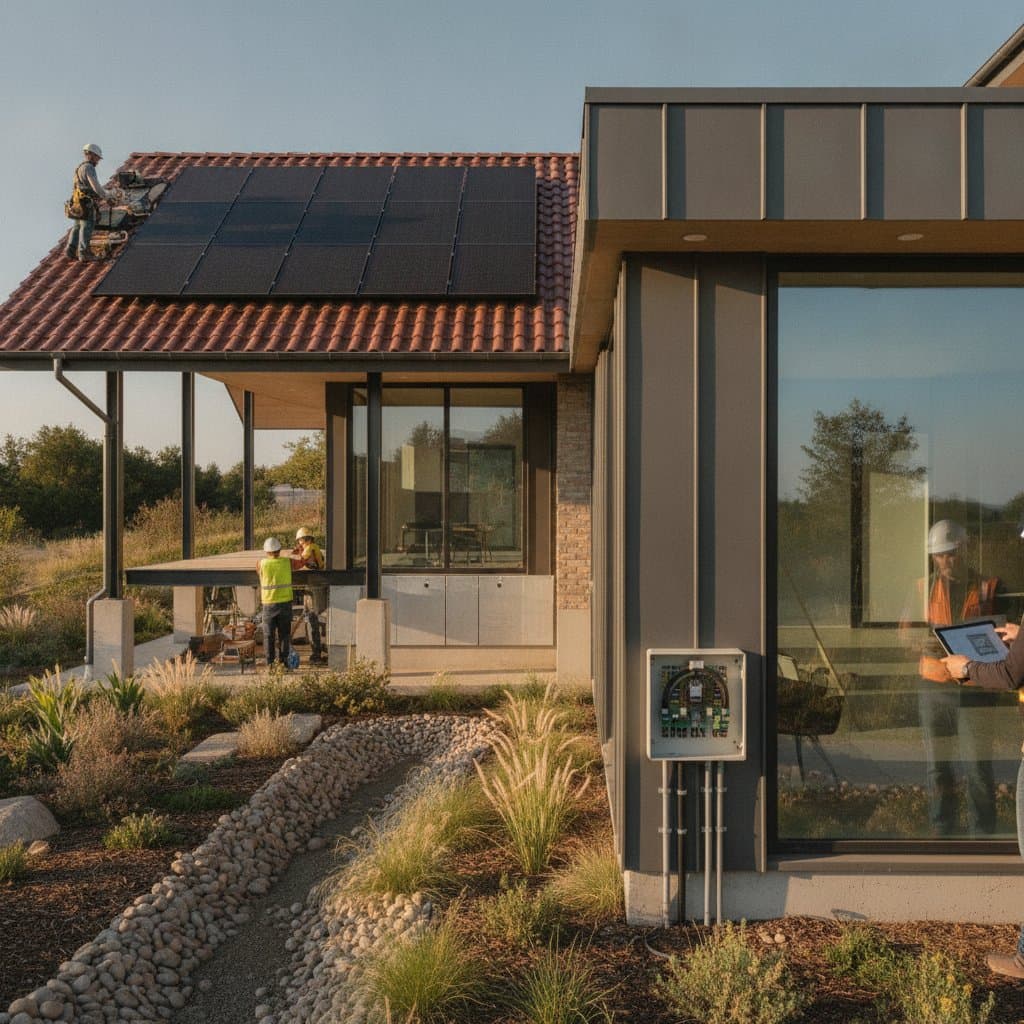
- Design rain gardens or swales to capture and infiltrate runoff, replenishing aquifers.
- Install permeable pavers on driveways and walkways, allowing stormwater to percolate rather than accumulate.
- Incorporate recycled aggregates, such as crushed concrete or gravel, into drainage trenches for cost savings and waste reduction.
- Plant native vegetation with robust root systems to stabilize soil and curb erosion.
Such methods diminish peak runoff during storms and enhance landscape aesthetics alongside ecological diversity.
Frequently Asked Questions
How much slope does a yard need for effective drainage?
Target a minimum 1-inch decline per foot over the initial 6 feet from the foundation. Clay-heavy soils may require steeper gradients to facilitate water movement.
Is interior basement waterproofing sufficient?
Surface coatings address superficial dampness, yet persistent leaks demand exterior interventions like drainage planes and membranes for comprehensive resolution.
What backup options exist for sump pumps?
Battery-powered units or water-driven alternatives maintain performance during outages. Select according to household water pressure and pump specifications.
Steps to Secure Your Property Today
Begin assessing your home's vulnerabilities with a site walkaround, noting drainage patterns and low-lying areas. Consult local flood maps to gauge risks accurately. For immediate action, start with low-cost DIY measures like grading and downspout extensions. As needs escalate, engage professionals for durable solutions. These proactive efforts ensure your home remains a safe haven, resilient against the uncertainties of weather.