Navigating Solar Panel Warranties for 2026 Installations
Solar panel installations represent a significant commitment to sustainable energy and long-term cost savings. Selecting the right warranty framework ensures protection against potential failures and maintains system efficiency over time. This guide examines essential warranty elements, helping homeowners make informed choices before committing to a 2026 project.
Core Components of Solar Warranties
Solar warranties typically encompass multiple layers of protection, each addressing specific risks associated with panels, installation, and overall performance. Manufacturers provide standard coverage as part of the purchase, while installers add complementary guarantees. Familiarity with these components allows for better evaluation of system proposals.
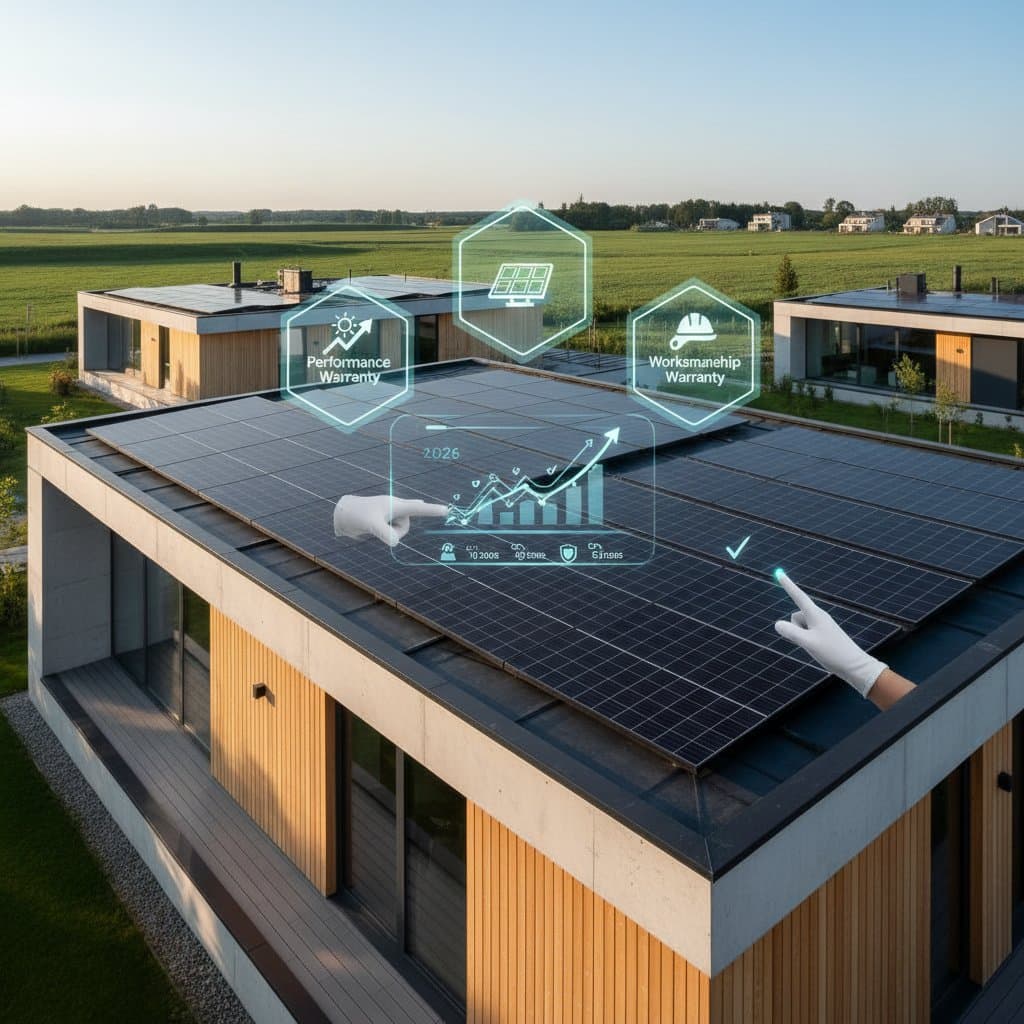
Product warranties focus on the physical integrity of solar panels. These guarantees shield against manufacturing defects, material degradation, or faults arising during production. For instance, a robust product warranty might cover delamination, where panel layers separate due to environmental stress, or microcracks from handling errors. Coverage periods often range from 10 to 25 years, with premium brands extending protection to 30 years for enhanced durability.
Performance warranties address output efficiency over the system's lifespan. They assure that panels retain a minimum percentage of their initial power rating, commonly 80 to 90 percent after 25 years. This metric accounts for natural degradation from factors like ultraviolet exposure or thermal cycling. Exceeding these thresholds triggers compensation, such as free replacements or prorated refunds based on lost production.
Workmanship warranties, provided by installers, safeguard against errors in assembly or mounting. These cover issues like improper racking that leads to leaks or unstable arrays vulnerable to wind. Durations vary from 5 to 12 years, emphasizing the importance of choosing certified professionals. Inverter warranties, often separate, protect conversion components and may last 10 to 15 years, with some models including labor for repairs.
Transferability remains a critical feature for homeowners planning to relocate. Many warranties allow seamless handover to new owners, preserving value during property sales. Review contract fine print to confirm conditions, such as notification requirements within 30 days of transfer.
Evaluating Costs and Added Value
Basic warranties come included in the initial system price, eliminating upfront fees for standard protection. However, opting for extended coverage through third-party providers or manufacturer upgrades incurs additional expenses. For a standard residential setup of 5 to 10 kilowatts, these extensions range from $300 to $600 annually, depending on scope.
Bundling protection for inverters, batteries, or monitoring systems increases costs proportionally. Inverter coverage alone might add $200 to $400, while comprehensive packages encompassing all components could reach $1,000 over the warranty term. Premium solar panels with superior warranties command a 10 to 15 percent higher purchase price, yet they mitigate future repair expenses and boost home resale appeal by up to 4 percent.
Assess value by calculating potential savings. A warranty covering full labor and parts prevents out-of-pocket costs that could exceed $5,000 for major repairs. Prioritize options with clear escalation clauses, where compensation rises if performance falls below guaranteed levels. This strategic approach transforms warranties from mere assurances into tangible financial safeguards.
Balancing DIY Maintenance with Professional Expertise
Regular upkeep preserves warranty validity and optimizes energy yield. Homeowners can handle basic inspections without specialized tools, but certain tasks demand professional intervention to avoid voiding coverage or posing hazards.
Safe DIY activities include ground-level visual checks for dirt accumulation or shading from nearby growth. Use a monitoring app to track daily output against expected norms; deviations over 5 percent warrant further scrutiny. Cleaning involves a soft-bristle brush and low-pressure hose to remove dust or pollen, performed during cooler morning hours to prevent thermal shock.
Professional services become essential for electrical diagnostics or structural assessments. Technicians use multimeters to measure voltage and current, identifying underperforming modules early. Roof-based work, such as tightening brackets or resealing penetrations, requires certified experts to comply with safety standards and warranty stipulations. Schedule annual professional inspections, costing $150 to $300, to document system health and support future claims.
Distinguishing these responsibilities ensures compliance. Unauthorized modifications, like adding unapproved accessories, can nullify warranties. Always consult installer guidelines before any adjustments.
Essential Tools and Materials for Upkeep
Equipping yourself properly facilitates effective maintenance routines. Focus on items that promote safety and precision without complicating the process.
- Soft-bristle brush or microfiber cloth for gentle surface cleaning.
- Garden hose equipped with an adjustable nozzle set to low pressure.
- Digital monitoring device or smartphone app for real-time performance data.
- Notebook or digital log for recording inspection dates and observations.
- Access to warranty paperwork, preferably in a cloud-based storage for quick retrieval.
Professionals may require additional gear, such as insulated gloves, voltage testers, and fall protection harnesses. Stock these only if qualified; otherwise, rely on service providers.
Strategies for Maintenance and Extended System Life
Proactive care directly influences warranty outcomes and overall longevity. Debris like leaves or bird droppings reduces efficiency by up to 20 percent if left unchecked. Conduct cleanings two to four times yearly, more frequently in arid or polluted areas.
Monitor environmental factors that accelerate wear. Heavy snow loads demand bracket reinforcements, while coastal salt exposure calls for corrosion-resistant coatings. Quarterly visual scans should target seals around frames and junctions for cracks or loosening.
Track performance trends meticulously. A gradual 0.5 percent annual degradation rate is normal, but sudden drops signal issues like hot spots from partial shading. Log these metrics to build a claim case if thresholds are breached.
Integrate maintenance into broader home routines. Pair solar checks with gutter cleaning or tree trimming to address shading proactively. This holistic approach not only upholds warranties but also maximizes return on investment through sustained high output.
Securing Claims and System Protection
Effective warranty management hinges on preparation and prompt action. Register your system immediately upon installation to activate coverage; most manufacturers require online submission within 30 days.
When filing a claim, gather evidence systematically. Photographs of defects, output logs from monitoring software, and dated maintenance records strengthen your position. Contact the responsible party—manufacturer for product issues, installer for workmanship—via designated channels, often a dedicated hotline or portal.
Anticipate timelines: inspections may take 4 to 6 weeks, with resolutions following shortly after. While warranties cover parts and labor, shipping fees or temporary production losses might remain your responsibility. To minimize disruptions, maintain backup power options if integrating batteries.
Ultimately, diligent oversight transforms solar ownership into a reliable asset. By mastering warranty details and committing to routine care, homeowners secure efficient, cost-effective energy for generations, aligning environmental goals with financial prudence.