Solar Roof Costs: Essential Changes for 2026
Quick Overview
- Stricter efficiency regulations will introduce new product classifications, influencing overall pricing structures.
- Fluctuations in supply chains and labor markets are likely to elevate comprehensive project expenses.
- Available incentives and modifications to regional building codes may mitigate portions of these cost escalations.
Defining Solar Roofs
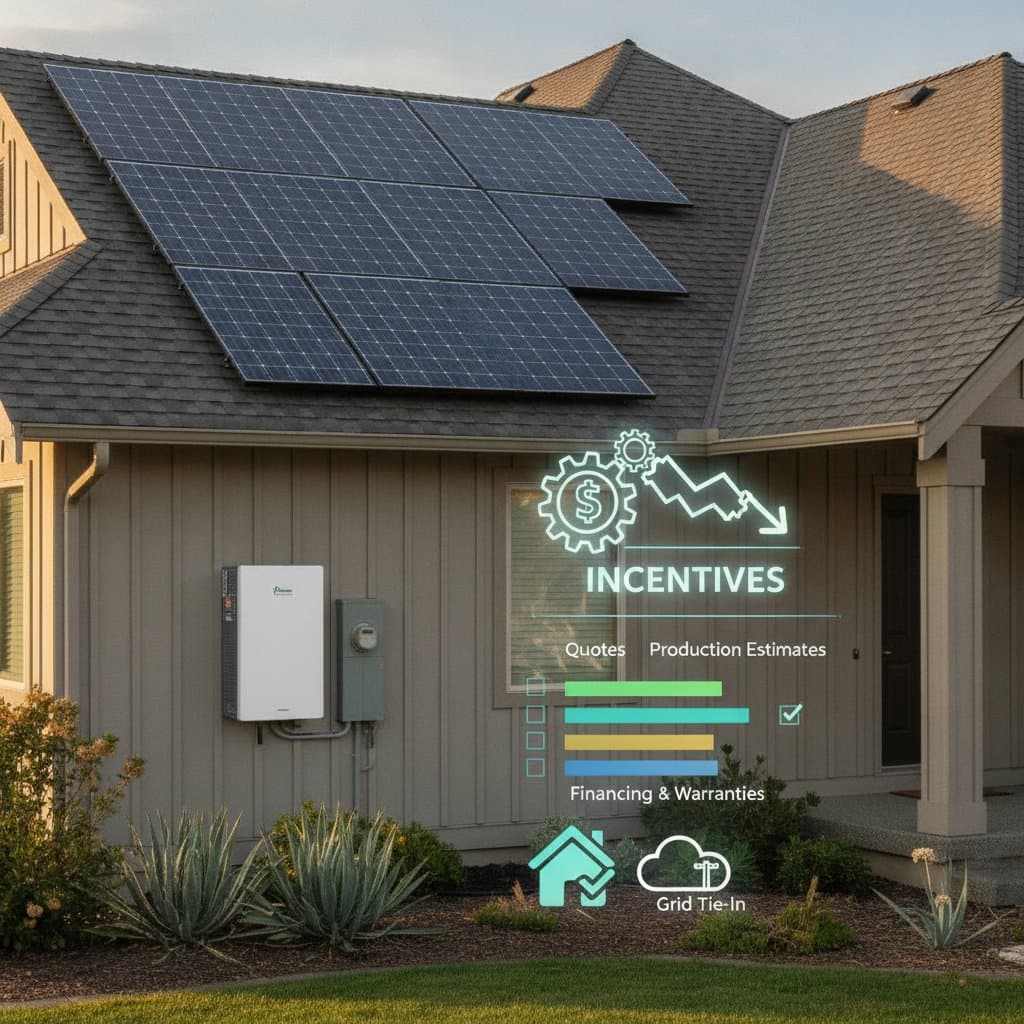
A solar roof integrates photovoltaic cells directly into roofing materials, forming a unified surface that generates electricity while serving as the home's protective covering. This system supplants conventional shingles or tiles and delivers a seamless appearance without visible mounting hardware. Many installations incorporate sophisticated monitoring tools and inverters for optimal energy management.
Advantages and Drawbacks
Advantages
- Provides a streamlined aesthetic without protruding racks or frames.
- Offers durability comparable to high-end roofing, often spanning 25 years or more.
- Reduces utility expenses over time and can enhance resale value through energy-efficient features.
- Qualifies for various federal, state, and utility-based renewable energy rebates.
Drawbacks
- Involves a greater initial investment compared to a basic roof replacement combined with separate panel additions.
- Requires expert technicians for any repairs or full replacements due to specialized components.
- Options for sourcing and servicing differ significantly across geographic areas.
- Restricts future modifications to roof configurations without substantial rework.
Ideal Applications and Limitations
Solar roofs excel in scenarios where:
- The existing roof approaches the end of its service life, allowing for integrated replacement.
- Long-term residency enables recouping the investment through sustained energy production.
- Community guidelines or local regulations favor concealed solar integrations over traditional setups.
Challenges arise when:
- The roof experiences excessive shading or suboptimal orientation that hampers sunlight capture.
- Financial constraints prioritize more affordable panel-over-roof solutions.
- Urgency for setup or impending relocation diminishes the appeal of extended payback periods.
Installation Process
Required tools and materials: Sturdy ladder, safety harness with fall arrest system, cordless drill, torque wrench for precise fastening, compatible sealant, and multimeter for voltage checks.
Estimated duration: Three to five days for a standard residential roof.
Skill level: Advanced, demanding expertise in both roofing and electrical systems.
- Conduct thorough inspection and measurements. Evaluate roof pitch, compass direction, and load-bearing capacity to ensure compatibility.
- Clear away existing coverings. Remove shingles or tiles, inspect underlying decking for damage, and reinforce any weakened areas.
- Apply protective underlayment. Install vapor-permeable barriers specifically designed to accommodate solar-integrated roofing.
- Position and secure solar tiles. Align and fasten interlocking modules, then route and connect electrical harnesses according to manufacturer specifications.
- Integrate inverters and grid connection. Adhere to prevailing electrical codes, obtain necessary permits, and link the system to the home's power supply.
- Validate system performance. Measure energy output against projected figures using diagnostic tools.
- Finalize with sealing. Apply flashing around penetrations and edges to safeguard against water intrusion.
Pricing Breakdown
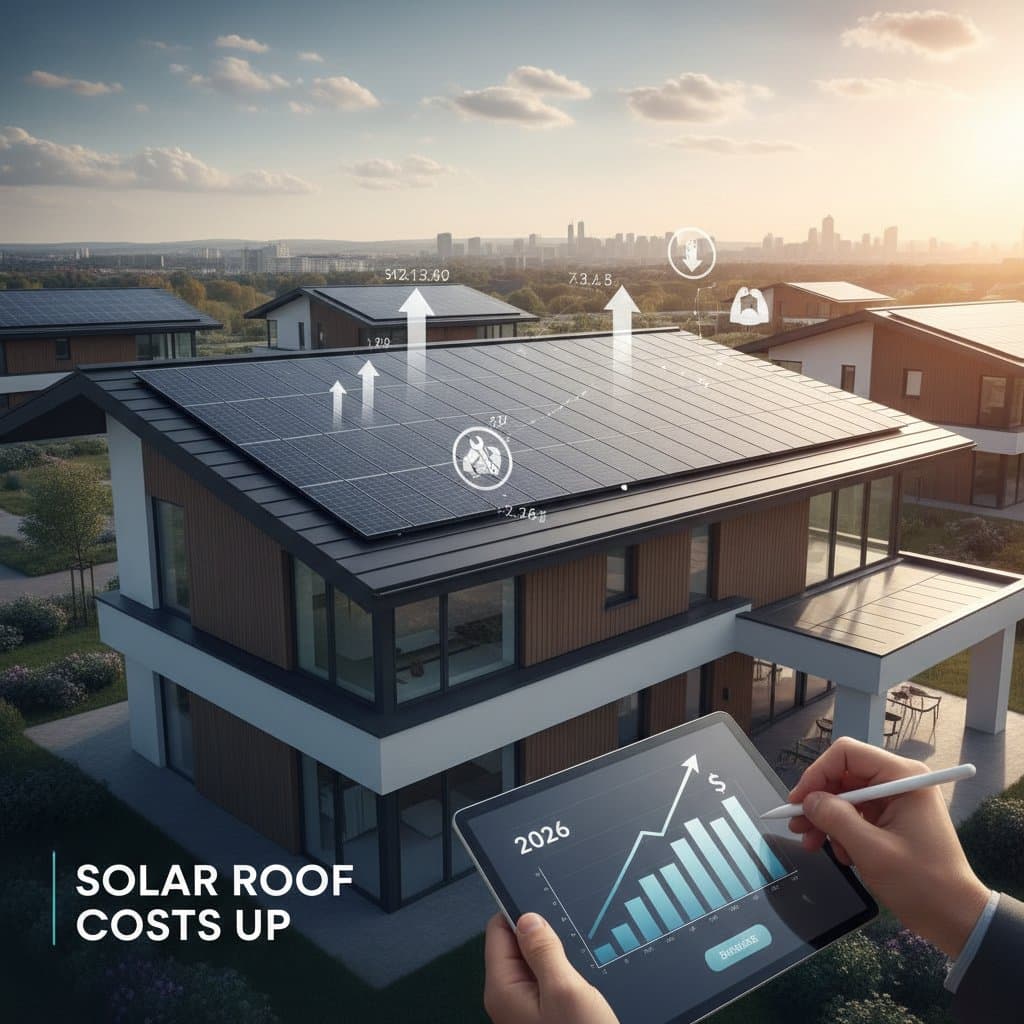
Standard pricing spectrum: Between $45,000 and $75,000 for a complete residential installation, depending on system scale.
Factors driving higher expenses: Expansive roof surfaces, challenging steep angles, scarcity of skilled labor in the area, or intricate electrical configurations.
Opportunities for cost reduction: Compact roof dimensions, straightforward designs, application of regional rebates, or bundled permitting for roofing and solar work.
Strategic replacement over patching: Opt for full renewal when over one-third of tiles malfunction or when output falls below guaranteed efficiency thresholds.
DIY Options Versus Professional Services
Suitable for DIY efforts: Routine tasks such as clearing debris from surfaces, monitoring production levels, or addressing minor sealant issues.
Essential to engage professionals: For initial setup, grid interconnections, and compliance verifications.
Rationale: These systems involve elevated electrical voltages alongside roofing hazards; certified contractors guarantee adherence to standards and preserve manufacturer warranties.
Upkeep and Proactive Measures
- Perform biannual examinations to identify accumulated debris or fractured tiles.
- Clean surfaces using lukewarm water blended with a gentle, non-abrasive cleanser.
- Monitor generation data via dedicated app or dashboard interfaces.
- Maintain unobstructed gutters to avoid moisture accumulation and potential seepage.
Comparable Solutions
Conventional solar panels: Present lower entry costs, facilitate straightforward maintenance, though they feature noticeable hardware.
Solar shingles: Employ modular segments for easier individual swaps and repairs.
Integrated metal roofing systems: Deliver exceptional longevity, particularly suited to areas with frequent precipitation.
Planning Your Installation
Solicit bids from no fewer than three NABCEP-certified contractors to compare options. Review warranty provisions covering both structural integrity and energy performance. Verify alignment with local ordinances regarding wiring separations and fire safety. If your roof nears replacement age, synchronize the project to consolidate labor and streamline approvals, fostering reliable energy independence for years ahead.