Factors Influencing Overall Costs
Several elements determine the final expense of a multigenerational home project. Finish levels play a significant role; standard materials cost less than custom cabinetry or premium tiles. Labor availability also affects pricing, as regions with strong demand for skilled tradespeople experience elevated rates.
Comparing Design and Construction Options
Families benefit from evaluating various approaches to multigenerational living spaces. Each choice aligns with specific needs, budgets, and property constraints. The table below outlines key options, including cost estimates, advantages, and challenges.
| Option | Typical Cost Range | Pros | Cons |
|---|---|---|---|
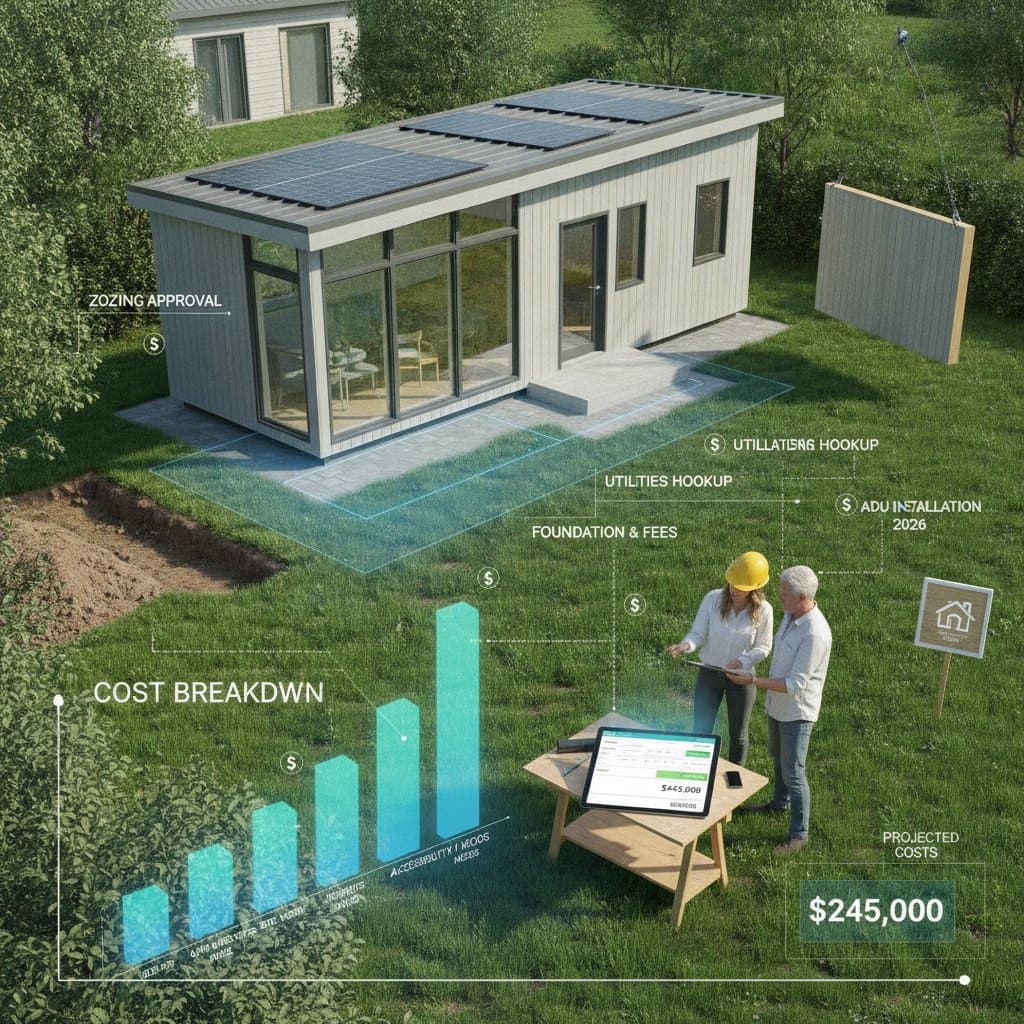
| Detached ADU | $150,000 to $350,000 | Provides full privacy; increases property value; allows separate utilities | Demands a larger lot; incurs higher permitting fees |
| Attached addition | $100,000 to $250,000 | Offers convenient access; shares existing systems | Causes more disruption to the primary residence; alters exterior aesthetics |
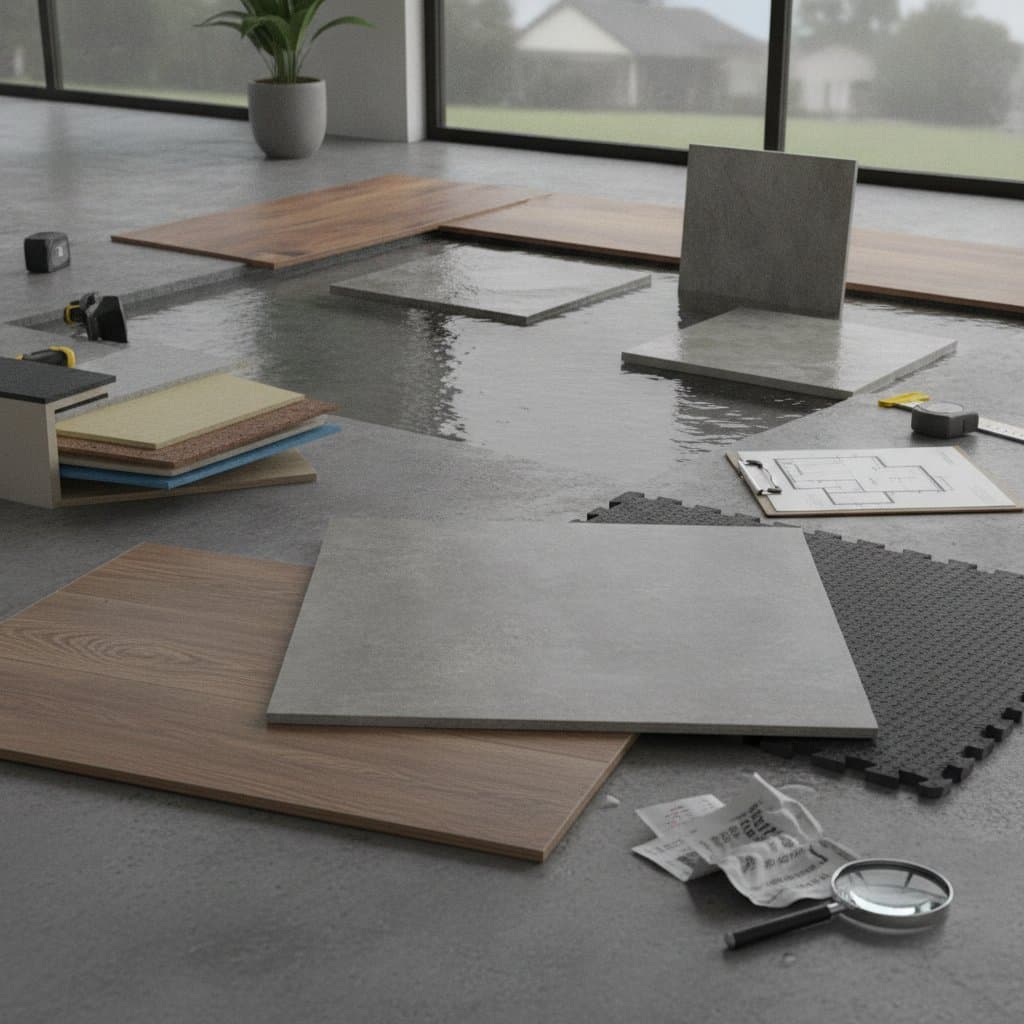
| Basement suite | $80,000 to $180,000 | Utilizes existing foundation; ideal for aging family members | Requires moisture management and proper egress, which add expenses |
| Garage conversion | $60,000 to $150,000 | Represents the quickest method; leverages current structure | Faces limitations in ceiling height; necessitates insulation improvements |
| Interior reconfiguration | $40,000 to $120,000 | Serves as the most affordable choice; maintains family proximity | Offers limited privacy; increases strain on communal areas |
Detached units suit scenarios where privacy ranks highest. Basement conversions and interior adjustments fit smaller budgets or compact urban properties effectively.
Detailed Cost Breakdown
Understanding expense allocation aids in precise financial planning. The percentages listed represent common distributions across projects.
- Site preparation and foundation: 10 to 15 percent
- Framing and structural elements: 15 to 20 percent
- Plumbing, electrical, and HVAC systems: 20 to 25 percent
- Insulation, drywall, and finishes: 20 to 30 percent
- Design, permits, and associated fees: 10 to 15 percent
- Contingency reserve: 10 percent at minimum
New detached constructions typically range from $180 to $350 per square foot. Additions and conversions generally fall between $120 and $250 per square foot. Initiatives involving new utility connections or intricate drainage solutions may surpass these figures.
Project Timeline and Sequence
A structured timeline minimizes errors and delays. Follow this order to maintain efficiency.
- Feasibility assessment: Examine zoning regulations, setback requirements, and utility capacities.
- Design and budget development: Engage a designer or architect to draft concepts and estimate costs.
- Permit submission: File plans and await approvals prior to contracting trades.
- Site preparation: Handle demolition, excavation, and foundation setup.
- Framing and rough-ins: Erect the structure and install initial plumbing, electrical, and HVAC components.
- Inspections: Conduct necessary reviews before proceeding to insulation and drywall.
- Finishing work: Install flooring, cabinetry, paint, and trim.
- Final approval and occupancy: Secure closing inspection and prepare for habitation.
Projects span 3 to 9 months from initial design through completion, influenced by scale and permitting efficiency.
DIY Tasks Versus Professional Services
Certain aspects of renovations allow homeowner involvement, yet professional expertise proves essential for most elements.
Tasks suitable for DIY:
- Painting, trim installation, and flooring placement
- Landscaping and simple deck construction
- Interior demolition after utility disconnection
Elements requiring professionals:
- Structural framing and foundation modifications
- Electrical, plumbing, and gas installations
- Roof integrations and exterior sealing
- Permit-dependent accessibility adaptations
Allocate 20 to 30 percent of the total budget to professional labor. Skimping on qualified trades or approvals risks safety hazards and diminishes property resale potential.
Essential Materials and Tools
Compile a comprehensive list to facilitate planning and contractor bids.
Structural and framing supplies:
- Dimensional lumber, engineered beams, subfloor panels
Finishing materials:
- Drywall, joint compound, paint, trim, flooring, cabinetry
System components:
- Electrical wiring, outlets, light fixtures, plumbing fixtures, ductwork, mini-split units
Required tools:
- Circular saw, drill, level, tape measure, safety goggles, respirator, gloves
Incorporate personal protective gear and ensure adequate ventilation for all interior activities.
Ongoing Maintenance and Durability
Multigenerational homes demand consistent upkeep to preserve functionality. Schedule the following:
- Annual reviews: Inspect for moisture, ventilation issues, and operational safety alarms
- Every five to ten years: Repaint surfaces, refinish floors, and reseal tile grout
- After fifteen years: Update HVAC systems or replace roof materials as required
Select resilient options such as vinyl plank flooring, quartz countertops, and fiberglass windows. These choices withstand increased usage and extend the home's service life.
Regional and Environmental Considerations
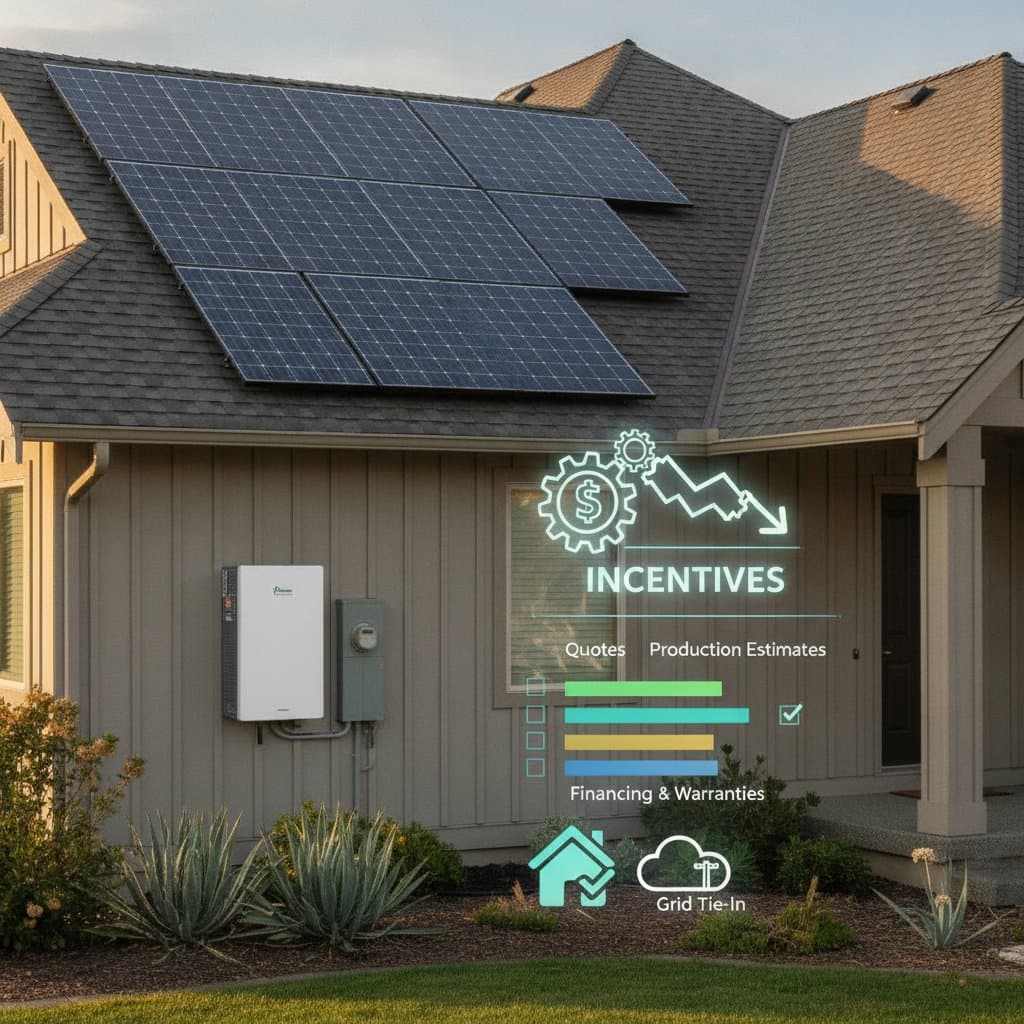
Expenses fluctuate based on location and weather patterns. Coastal zones and expanding urban centers command premium labor and permitting charges. Colder regions necessitate enhanced insulation and airtight windows, elevating material outlays. Warmer climates prioritize effective cooling mechanisms and shade solutions. Research local rebates for energy-efficient features to reduce upfront investments.
Frequently Asked Questions
Does a multigenerational home justify the expense?
In most cases, the answer is affirmative, particularly for long-term occupancy. Thoughtful designs recover 30 to 50 percent of costs upon resale and lower ongoing housing expenditures.
Is renting out an ADU feasible in the future?
This option exists in many areas, provided zoning permits and the space complies with rental standards. Consult the local planning department prior to building.
Should a separate entrance be included?
Most families value this feature for privacy and emergency access. Certain regulations mandate it for auxiliary units.
Steps to Launch Your Project
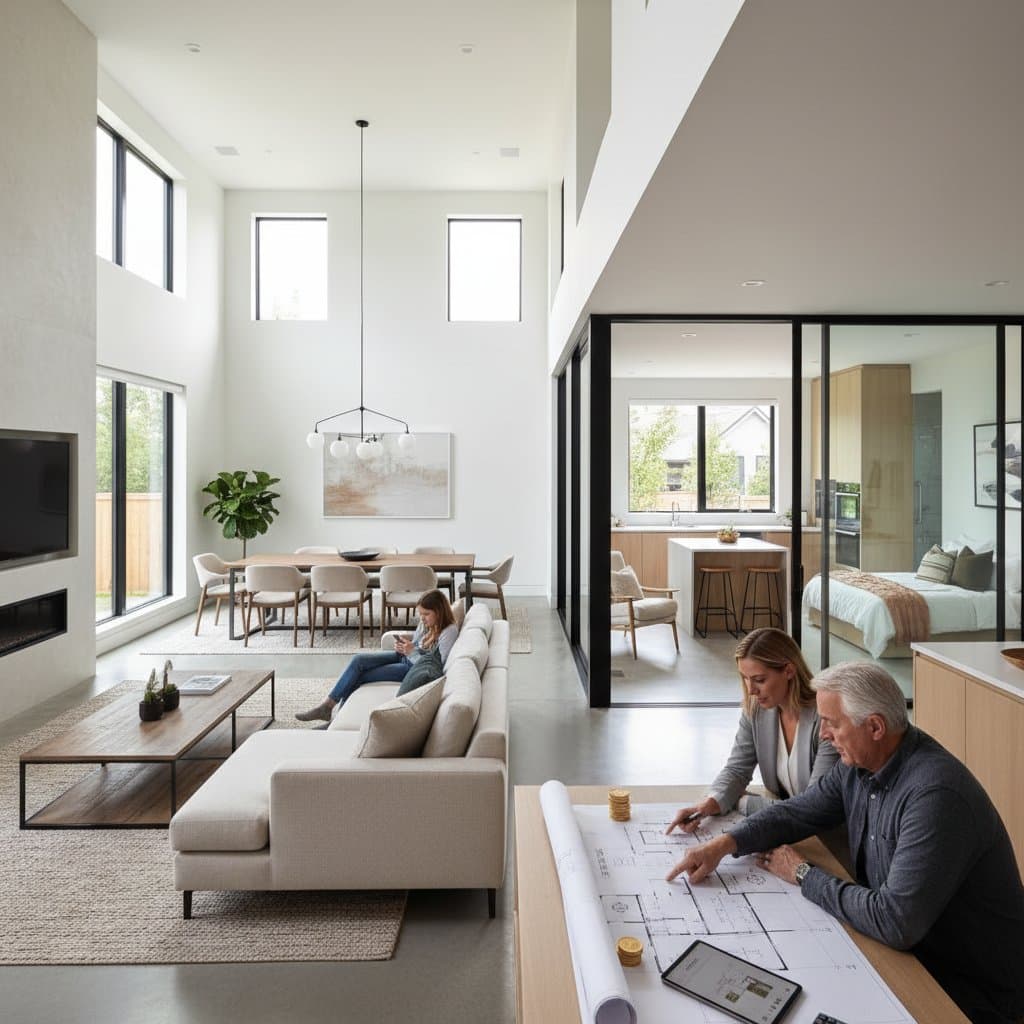
A multigenerational home fosters stronger family bonds and elevates daily living, provided planning remains thorough. Define a feasible project scope and include buffers for unforeseen costs. Solicit bids from licensed contractors and verify compliance with building codes. Consider future needs in accessibility, energy consumption, and upkeep. Such preparation yields a residence that promotes autonomy and unity while sustaining its worth over time.