2026 Granny Flat Costs: State-by-State Breakdown
Accessory dwelling units, known as granny flats, have become popular for generating rental income, supporting multigenerational households, or increasing property value. Costs vary significantly by state due to differences in labor rates, building codes, lot restrictions, and permitting processes. Homeowners benefit from examining these factors to budget accurately and assess overall viability.
This analysis provides a clear view of pricing drivers, including construction, regulations, financing, and maintenance. Readers gain practical tools to evaluate projects and optimize long-term returns.
Core Cost Components
Start by identifying the main elements that shape total expenses.
Construction Basics
Expect base costs of $250 to $600 per square foot, influenced by materials, site conditions, and design features. Opt for prefabricated units to stay toward the lower end; custom designs with premium finishes push costs higher. Factor in square footage needs, typically 400 to 800 square feet for most granny flats.
Supplementary Expenses
Account for these additional items:
- Permits and architectural designs: $3,000 to $15,000, depending on local requirements.
- Utility hookups for water, sewer, and electricity: Up to $20,000 in areas with limited infrastructure.
- Site work like grading or foundation preparation: $5,000 to $30,000, especially on sloped lots.
- Local impact fees: Often over $10,000 in high-density regions.
Financing Constraints
Lenders may limit ADU loans based on expected rental revenue or updated property appraisals. Verify if the unit supports home equity refinancing or demands a dedicated construction loan. Compare interest rates and terms from multiple sources to secure favorable conditions.
Step-by-Step Building Process
Follow this sequence to manage timelines and control costs effectively.
-
Feasibility Check: Contact your local building department to confirm zoning rules and lot suitability. Secure variances if needed for smaller properties.
-
Design and Approval: Hire an architect to create plans compliant with codes. Submit applications, paying review fees, and notify neighbors if required. Expect waits of weeks to months.
-
Site Evaluation: Engage contractors to test soil stability, access routes, and utility placements. Address drainage problems early to avoid later expenses.
-
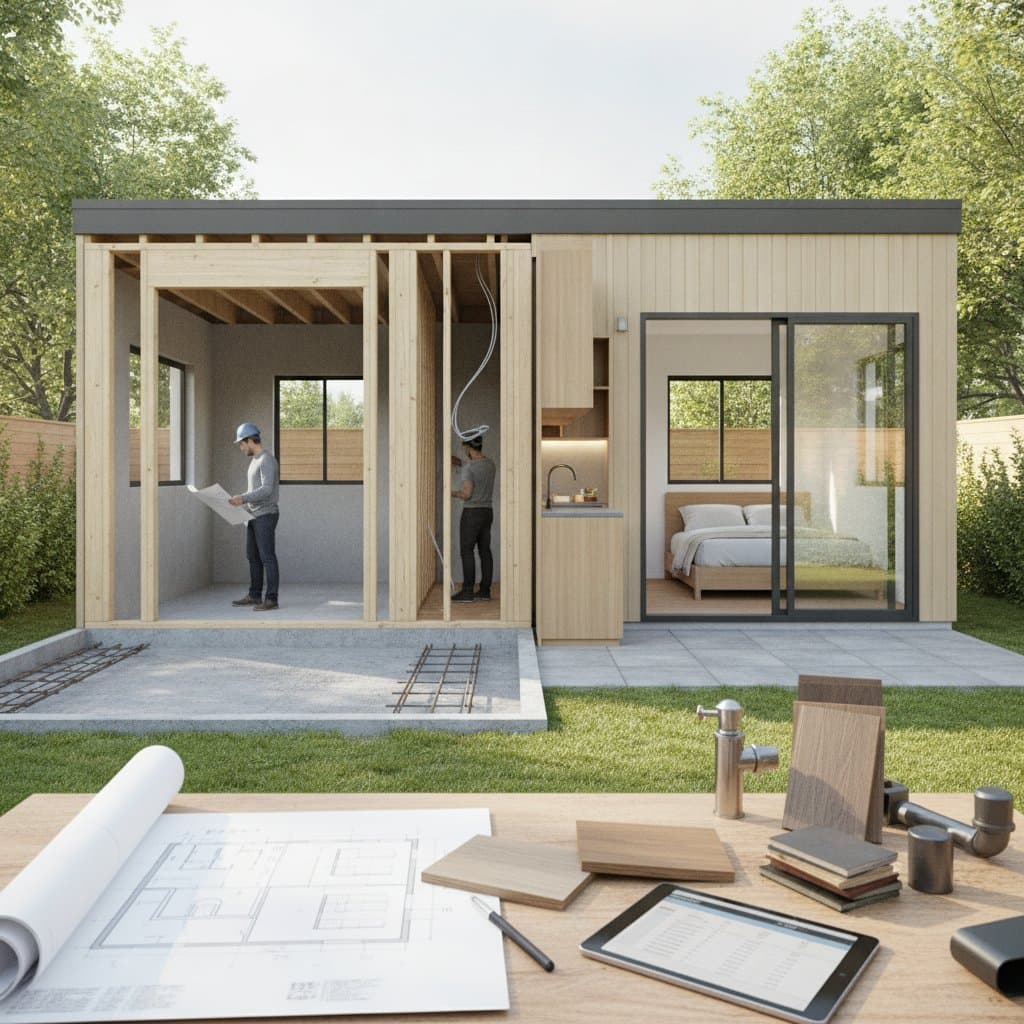
Building Phase: Proceed with construction after permit approval, scheduling inspections for key stages like foundation and wiring. Passing each checkpoint ensures progress without rework.
-
Occupancy Certification: Undergo a final inspection to obtain a certificate of occupancy. This step enables legal use or rental.
Anticipate delays in permitting or inspections to build buffer time into your schedule.
Total Ownership Expenses
Look beyond initial outlays to grasp full financial impact.
Upfront Total vs. Construction Alone
A $180,000 detached unit balloons to $220,000 to $250,000 with added design, utilities, landscaping, and furnishings. Use a spreadsheet to tally all line items for precision.
Ongoing Annual Costs
Budget for:
- Increased property taxes based on new assessments.
- Higher insurance rates covering the additional structure.
- Shared or separate utilities, depending on metering setup.
- Maintenance tasks like HVAC tune-ups and exterior repairs.
Revenue Potential and Recovery Time
Rental yields can recoup investments, but factor in vacancy risks, rent controls, and management costs. Calculate payback by subtracting annual expenses from income, then dividing total investment by net gains. Aim for a 5- to 10-year horizon in most markets.
Key Contract Elements
Solid agreements safeguard against unexpected costs.
Agreement Details
Require specifications for materials, schedules, and duties in writing. Set payment releases tied to milestones, such as 20% after foundation completion. Seek warranties covering workmanship for at least one year, with structural guarantees up to 10 years.
Handling Disputes
Watch for triggers like delays or scope changes. Prefer contracts with mediation options over arbitration for faster resolutions. Document all communications to support claims.
Risk Protections
Demand certificates of insurance for general liability and workers' compensation from builders. This shields you from accident-related liabilities during construction.
Homeowner Evaluation Steps
Use this framework to assess project fit.
-
Zoning Verification: Review local rules on setbacks, coverage ratios, and utility access.
-
Budget Projection: Estimate full costs against potential rental rates or value uplift.
-
Builder Vetting: Check licenses, past projects, and bonds; solicit itemized quotes from three providers.
-
Funding Options: Weigh home equity lines, personal loans, or seller financing for flexibility.
-
Contingency Planning: Reserve 10% to 15% extra for surprises like material price hikes.
-
Upkeep Projection: Forecast repair budgets over five years to ensure sustainability.
This method simplifies decision-making for confident proceeds.
Steering Clear of Typical Errors
Many projects stumble on overlooked details.
- Secure all permits upfront to prevent fines or stop-work orders.
- Scrutinize bids for hidden exclusions, avoiding mid-build add-ons.
- Vet contractors through state registries and client testimonials.
- Prioritize proper site drainage to avert foundation cracks.
- Adhere to every inspection to validate compliance.
Retain records of approvals and changes to mitigate disputes.
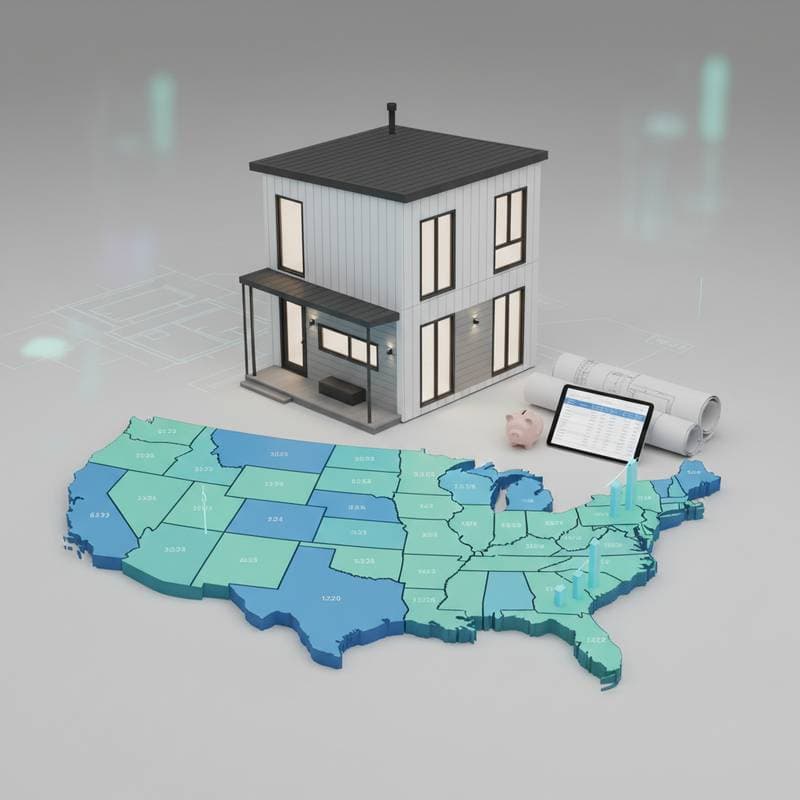
State-Specific Code Differences
Regulations shape costs uniquely per state.
-
California: Rigorous energy codes demand insulation and solar features, elevating builds by 10-20% but enabling rebates.
-
Texas: Relaxed setback rules and minimal design mandates keep expenses 15% below national averages.
-
Florida: Hurricane standards require impact windows and elevated foundations, adding $20,000 to $40,000.
-
Washington and Oregon: Sustainability mandates include low-flow fixtures, with extra inspections offset by tax credits.
-
New York: Multi-agency approvals and seismic considerations extend processes by 3-6 months.
Research your state's department of housing for precise guidelines.
Scrutinizing Contract Details
Examine these provisions closely:
- Clauses permitting price adjustments for supply chain fluctuations.
- Omissions covering non-structural elements like fencing.
- Warranty caps on environmental damages.
- Staged payments requiring progress proofs.
Negotiate revisions to align with your risk tolerance.
Safeguarding Your Granny Flat Asset
Sustain value through proactive measures post-build.
- Conduct yearly checks for structural integrity and system functionality.
- Update policies to encompass the full property.
- Store documentation for loan or sale verifications.
- Log financials for tax deductions on improvements.
View the granny flat as an integrated asset to secure enduring benefits. Thorough preparation and ongoing attention convert potential challenges into substantial property enhancements.