2026 Granny Pod Costs: Zoning Laws Decoded
Summary Box
What it is: A granny pod functions as a compact, independent dwelling unit situated on the property of a single-family home. Builders design these structures specifically for elderly family members or additional residents seeking autonomy.
Why it matters: Granny pods provide a balance of personal space and family closeness. They present a more economical alternative to full-scale assisted living facilities or separate housing acquisitions.
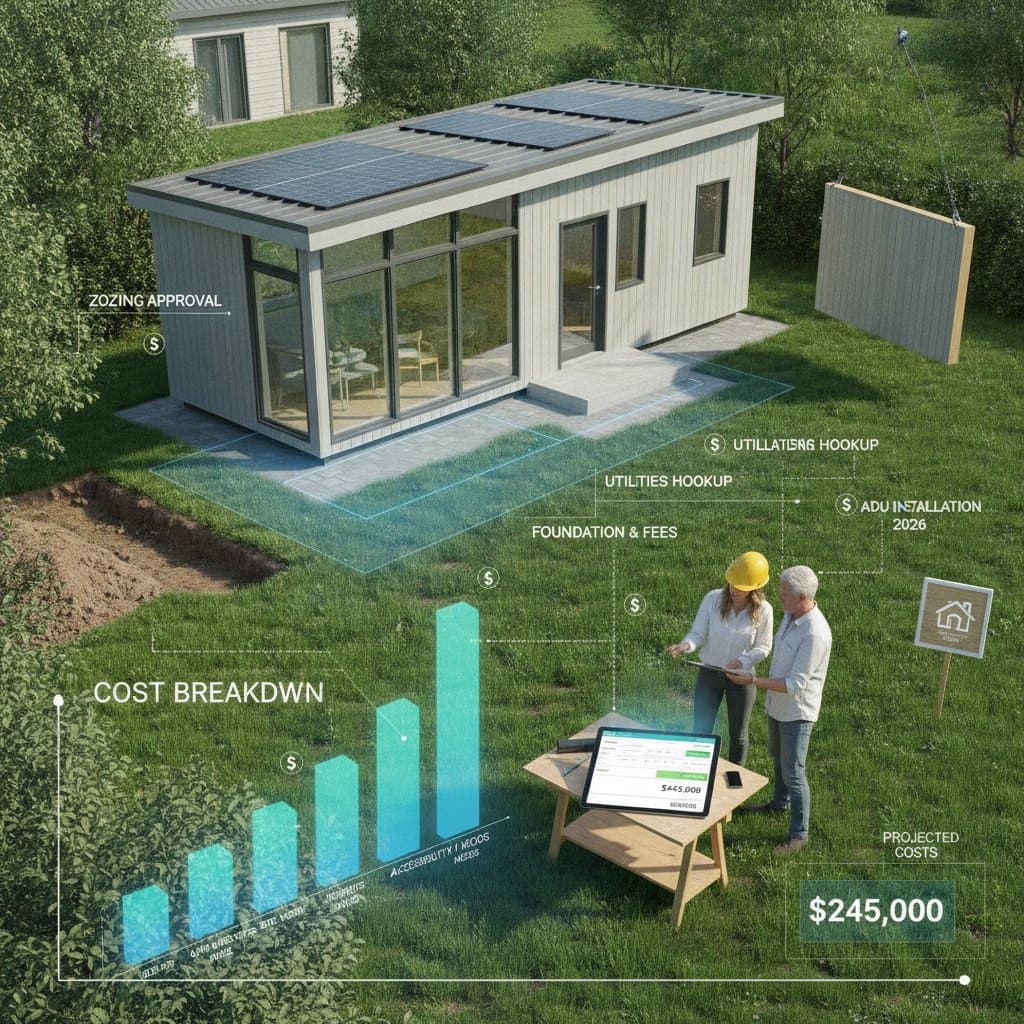
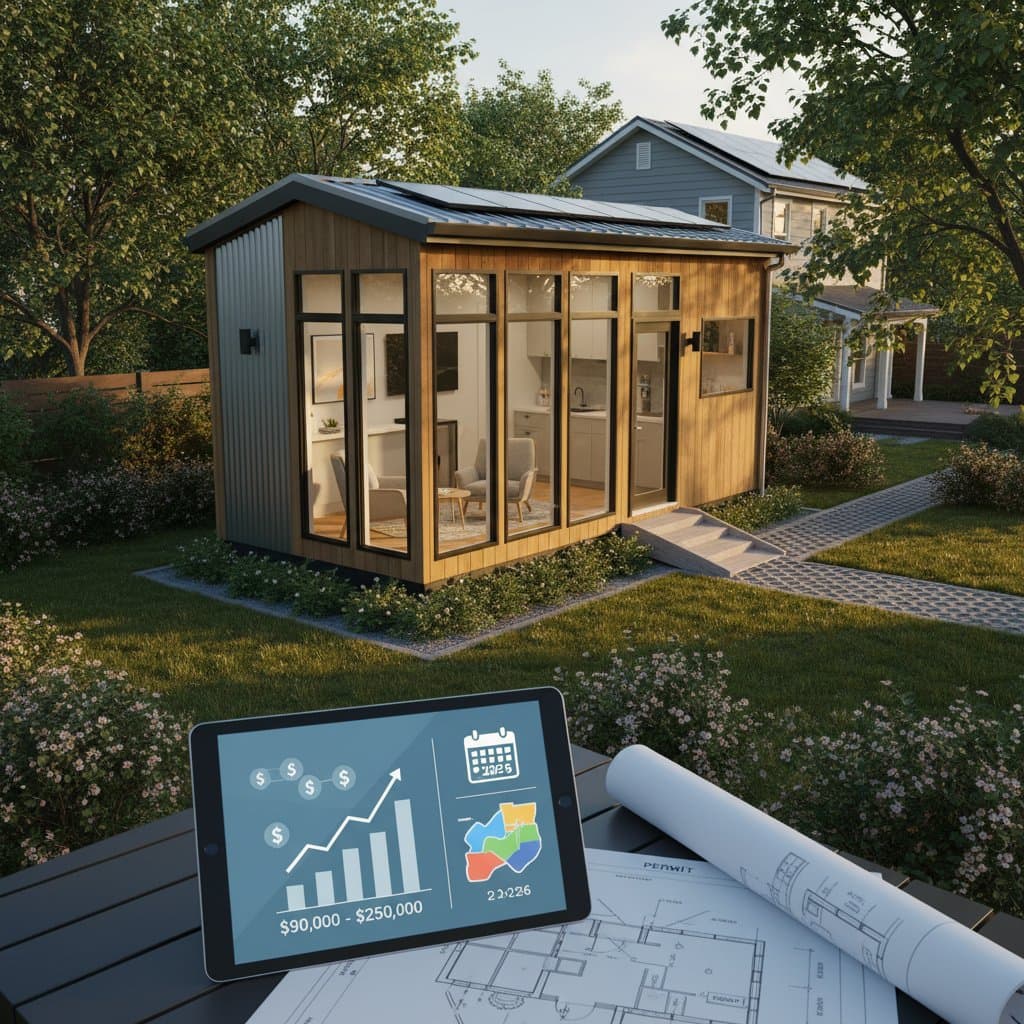
Typical cost and what changes it: The national average falls between $90,000 and $250,000. Variables such as unit dimensions, utility integrations, and material selections drive these differences.
When to hire a pro: Engage experts for tasks involving land leveling, plumbing integrations, or foundational reinforcements.
How long it takes: The full process spans 8 to 20 weeks, encompassing permit approvals, site preparation, unit delivery, and final assembly.
Maintenance interval: Conduct thorough checks of utilities and structural elements every 6 to 12 months.
Anatomy of a Granny Pod
Granny pods consist of several core components that ensure functionality and comfort. The foundation typically employs a concrete slab or elevated pier system to provide long-term stability against soil shifts and weather exposure. The exterior shell features framed walls insulated for energy efficiency, complemented by durable siding and energy-efficient windows that minimize heat loss.
Plumbing and electrical systems connect either to the primary residence's infrastructure or operate as standalone setups, depending on site conditions and local codes. Interior configurations often include a single bedroom or open studio arrangement, complete with a compact kitchenette for basic meal preparation and a full bathroom for daily needs. Accessibility remains a priority, incorporating features like threshold-free entries, strategically placed grab bars, doorways at least 36 inches wide, and roll-in showers to support mobility challenges.
Higher-end models integrate advanced technologies, such as remote health monitoring devices and automated lighting controls. These enhancements improve daily living but contribute to elevated expenses, often adding 10 to 20 percent to the base price.
Step-by-Step: How a Granny Pod Project Works
1. Check Local Zoning Rules
Begin by reviewing municipal regulations to verify compliance with lot size requirements, setback distances from property lines, and maximum occupancy allowances. Many areas restrict properties to a single accessory dwelling unit to prevent overcrowding. Consult your local planning department early to identify any homeowner association restrictions or environmental overlays that could affect approval.
2. Choose Pod Type
Select from prefabricated units, which manufacturers deliver nearly complete for quick on-site connections, modular designs assembled in sections off-site, or fully custom builds tailored to unique specifications. Prefabricated options reduce construction time by up to 50 percent but limit personalization. Custom projects allow for exact matches to family needs, though they demand more extensive permitting and oversight.
3. Design and Permitting
Develop detailed blueprints illustrating the pod's location, utility pathways, and entry points. Most authorities require these documents to bear the seal of a licensed architect or engineer to confirm adherence to building standards. Expect review periods of 4 to 8 weeks, during which officials assess impacts on neighborhood aesthetics and infrastructure capacity.
4. Prepare the Site
Clear away overgrown vegetation and debris to create a level workspace. Grade the terrain to ensure proper drainage and prevent water pooling around the foundation. Install underground conduits for utilities prior to pouring the concrete base, which cures over 7 to 14 days before further progress.
5. Install or Assemble the Pod
For prefabricated models, crews use cranes or wheeled transporters to position the unit precisely. Modular assemblies involve stacking and securing prefabricated sections on-site, followed by exterior sealing. Site-built options proceed through traditional framing, insulation installation, and interior outfitting phases, which extend the timeline but offer greater flexibility.
6. Connect Utilities
Licensed plumbers and electricians handle integrations with septic systems or municipal sewers, water supplies, and power grids. These connections must meet national and local codes for pressure, grounding, and backflow prevention to avoid hazards. Test all systems thoroughly before use to ensure reliability.
7. Final Inspection and Occupancy
Building inspectors evaluate fire safety measures, stormwater management, and energy efficiency ratings. Address any deficiencies promptly to obtain a certificate of occupancy, which authorizes residents to move in. This step confirms the pod meets habitability standards for long-term use.
DIY vs Pro
Homeowners might manage basic site clearing or decorative landscaping independently, yet granny pod projects generally require certified specialists for core installations. Attempting complex work without expertise risks code violations, structural failures, or voided warranties.
| Factor | DIY Level | Notes |
|---|---|---|
| Skill level | Advanced | Demands proficiency in construction techniques and utility systems |
| Safety risk | High | Involves potential dangers from electrical wiring and heavy machinery |
| Tools required | Heavy | Includes excavators, trenching equipment, and specialized power tools |
| Permit or code | Mandatory | All work must align with jurisdiction-specific building regulations |
| Time required | 8–20 weeks | Accounts for preparation, execution, and mandatory inspection phases |
| Warranty impact | Limited | Manufacturers provide full coverage only for professional installations |
Recommendation: Limit personal involvement to cosmetic finishes like painting or fixture selection. Delegate foundational, plumbing, and electrical tasks to qualified contractors to guarantee safety and compliance.
Maintenance and Lifespan
Quality-constructed granny pods endure for 25 to 40 years when owners follow a consistent upkeep schedule. Regular attention prevents minor issues from escalating into costly repairs, preserving both functionality and appearance.
Maintenance checklist:
- Examine the roof, siding, and weatherproof seals annually to detect early signs of wear or damage.
- Flush plumbing traps and verify ground fault circuit interrupter outlets semiannually to maintain hygiene and electrical safety.
- Apply fresh paint or sealant to exterior surfaces every five years to protect against moisture and UV degradation.
- Replace HVAC filters and test smoke and carbon monoxide detectors on a quarterly basis for optimal air quality and hazard detection.
Units with low-maintenance materials, such as vinyl siding and metal roofing, demand fewer interventions than those with wooden elements, which benefit from periodic staining or treatment.
FAQs
Can I rent out a granny pod?
Zoning ordinances in many locations permit accessory dwelling units for rental purposes, either short-term or long-term. Verify with local authorities to ensure your setup qualifies and avoids restrictions on income-generating uses.
Do granny pods increase property value?
These additions typically enhance market appeal by providing versatile living space and additional square footage. Appraisals often reflect a 5 to 15 percent uplift, depending on the pod's quality and local demand for multigenerational homes.
Are modular granny pods movable?
Certain designs support disassembly and relocation, though the process involves obtaining fresh permits and reestablishing utility links. Factor in transportation costs and site-specific adaptations for feasibility.
Do I need a separate address?
Regulations vary; some municipalities assign a distinct mailing address for billing utilities, while others link it directly to the primary residence. This detail affects emergency services and service provider access.
What size is typical?
Standard granny pods measure between 250 and 600 square feet, accommodating one or two occupants comfortably. Larger configurations suit families but may trigger stricter zoning reviews.
Are composting toilets or off-grid systems allowed?
Approval depends on local health and environmental codes, which often endorse sustainable options in rural or eco-conscious areas. Professional assessments confirm compatibility with water and waste management rules.
Planning Your Granny Pod Investment
Evaluate your property's suitability and budget constraints before proceeding. Consult zoning experts and contractors to outline a realistic timeline and cost breakdown. This preparation positions your project for success, delivering a secure, convenient home extension that supports family well-being for years ahead.