- Transport limitations: Module dimensions must comply with truck and roadway constraints.
- Design constraints: Significant alterations to rooflines or layouts increase expenses.
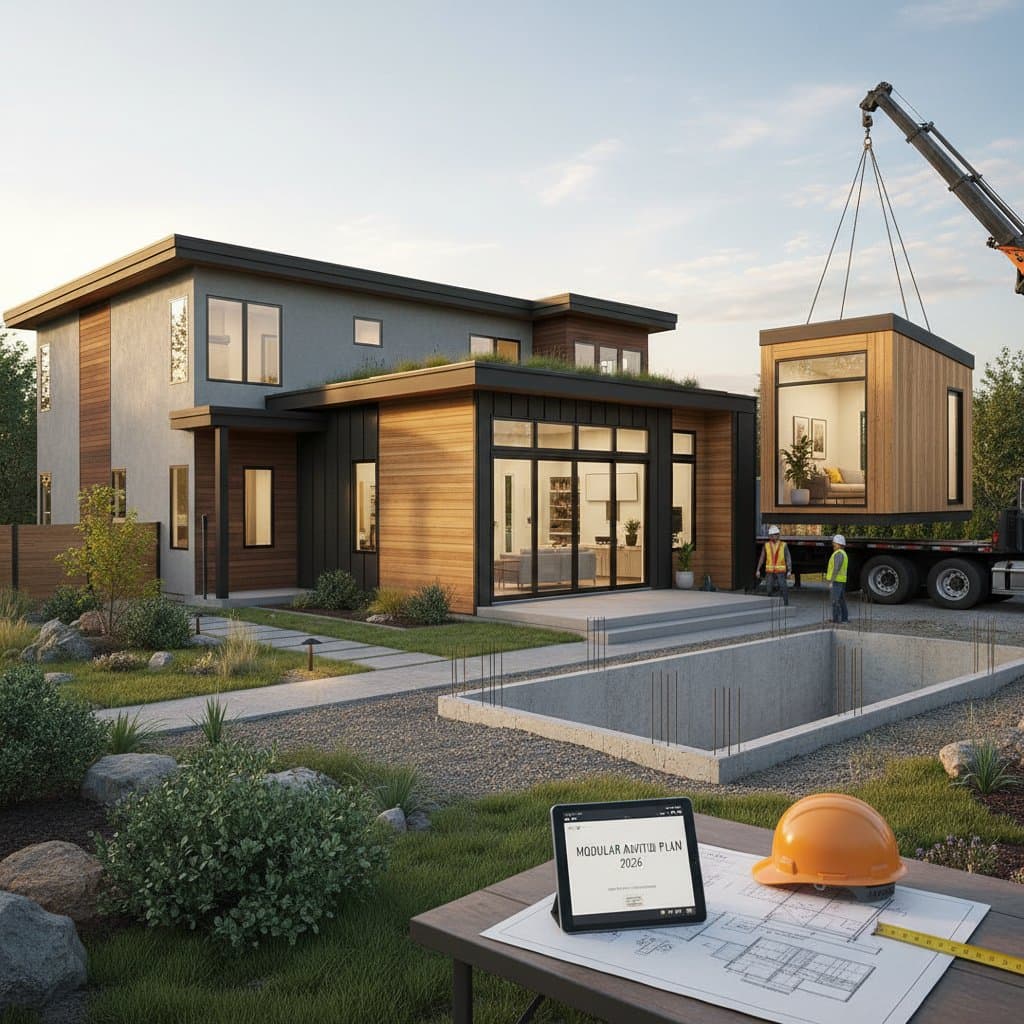
- Crane access: Adequate space is essential for module delivery and positioning.
- Finish matching: Exterior elements require careful selection to harmonize with the current home.
Step-by-Step: Planning and Building a Modular Addition
Tools and materials for homeowner preparation:
- Tape measure, camera, and notebook for documentation.
- Sketch paper or introductory design software for initial concepts.
- Flashlight to examine attic and crawl spaces thoroughly.
Time commitment: 4 to 10 months from start to completion.
Difficulty level: Moderate for initial planning; advanced for installation oversight.
1. Evaluate Your Home
Inspect the attachment area for structural integrity. Identify signs of rot, foundation settling, or joist sagging. Consult a structural engineer if cracks exceed a quarter inch in width or if uneven settling is evident. A stable foundation is crucial to support the additional load.
2. Define Your Goals
Determine the intended function of the space, such as a bedroom, family room, or accessory dwelling unit. Each option involves specific requirements for plumbing, electrical systems, and building codes. Compile a prioritized list including desired square footage, ceiling height, and number of windows.
3. Establish a Budget Range
Use $110 to $250 per square foot as a starting estimate. This figure covers factory production, transportation, and basic installation, but excludes site preparation, foundation work, and permitting fees. Allocate an additional 10 to 20 percent to account for regional variations in finishing materials and labor.
4. Select a Modular Builder
Prioritize builders experienced in integrating modules with existing residences, beyond standalone structures. Request client references, proof of insurance, and photographs of completed projects. Verify their capability to manage utility connections and coordinate code-compliant inspections.
5. Develop Design and Engineering Plans
Collaborate with the builder and manufacturer to produce detailed drawings for review. Examine elements such as floor layout, roof integration, exterior siding compatibility, and insulation details. Confirm adherence to local regulations regarding setbacks, maximum heights, and energy performance standards prior to approval.
6. Prepare the Site
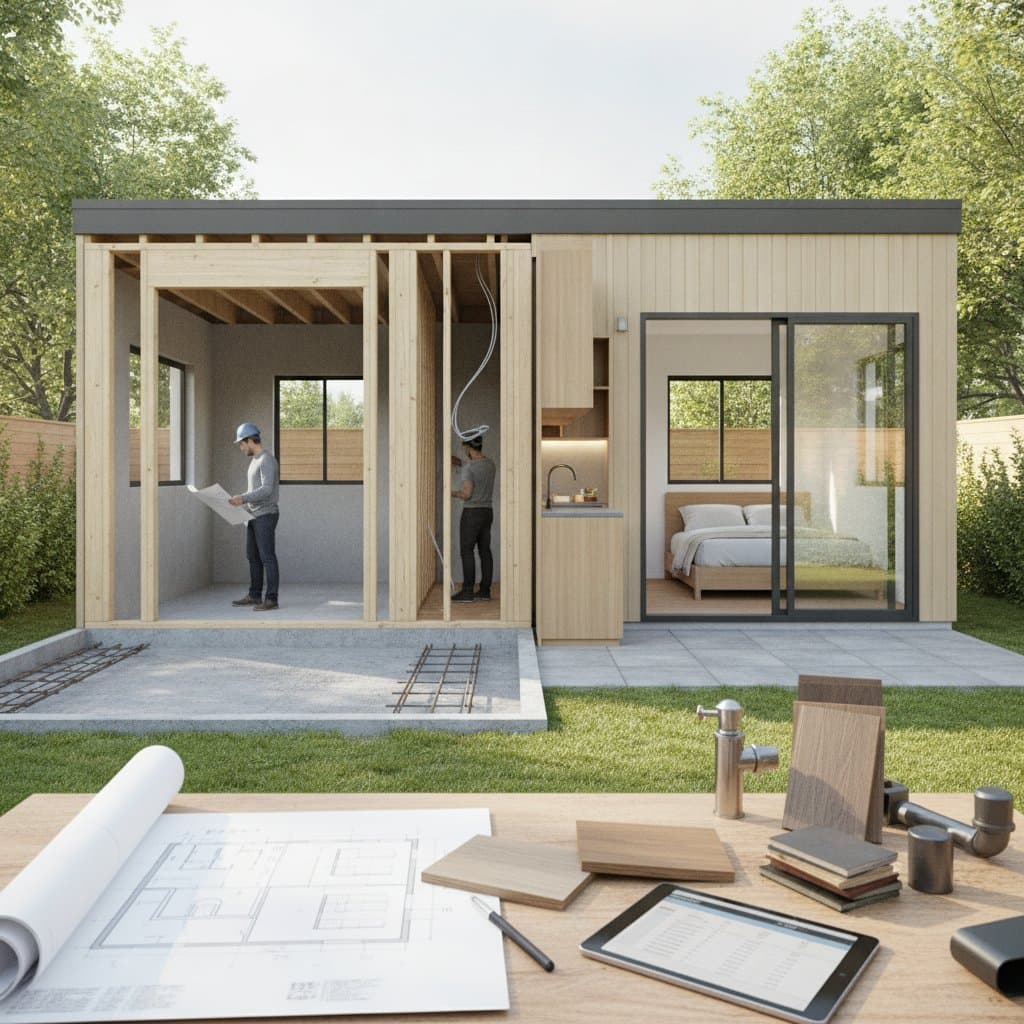
As modules undergo factory construction, the on-site contractor installs the foundation or slab, extends rough-in utilities, and secures the delivery area. This concurrent approach optimizes the project timeline.
7. Handle Delivery and Placement
Modules arrive via specialized trucks, where a crane facilitates positioning on the foundation. The process typically spans one to two days. Conduct a thorough inspection for any transport-related damage before crews proceed with seam sealing.
8. Complete Connections and Finishing
The contractor integrates electrical, plumbing, and HVAC systems with the main home. Interior seams receive closure treatment, followed by trim installation and exterior siding application to achieve uniformity. This phase requires two to six weeks, based on project intricacy.
9. Conduct Inspections and Achieve Occupancy
Local authorities review structural elements, electrical installations, plumbing, and energy efficiency. Upon passing all checks, the space becomes ready for furnishing and use.
10. Perform Final Cleanup
Dispose of debris responsibly to avoid environmental impact, and recycle usable materials where possible. Retain all permits and warranties as essential documentation for future property transactions.
DIY vs Professional Involvement
Suitable for DIY:
- Developing layouts and conducting preliminary measurements.
- Site clearing, including tree pruning or removal of minor landscaping.
- Interior tasks such as painting, flooring installation, or trim application post-inspection.
Require Professional Expertise When:
- Structural framing attachments or roofline modifications are necessary.
- Utility integrations connect to primary home systems.
- Building codes demand certified engineering plans or structural load assessments.
Professional Advantages:
Licensed builders oversee crane operations, guarantee precise module alignment, and apply effective weatherproofing to joints. They also navigate inspection processes, safeguarding warranties and bolstering resale appeal.
Alternatives to Modular Additions
Option A: Traditional Stick-Built Addition
Ideal for bespoke designs or intricate architectural features. Higher per-square-foot costs accommodate unlimited shapes and roof configurations, though timelines extend and on-site disturbances increase.
Option B: Prefabricated Panel Systems
Flat panels for walls and trusses arrive for assembly, offering quicker erection than stick-built methods and simpler transport than full modules. Suitable for properties with access challenges.
Option C: Detached Accessory Dwelling Unit or Backyard Suite
Provides opportunities for rental income or guest accommodations without main structure modifications. Requires independent foundation and utilities; verify zoning compliance for setbacks and parking provisions.
Frequently Asked Questions
Can a modular addition attach to any home?
In most cases, yes, provided the existing structure demonstrates stability. Properties with compromised foundations or unconventional layouts often necessitate preliminary reinforcements.
Will the addition visually match my current house?
Achievable through selection of comparable siding, roofing, and trim materials. Builders replicate most specifications, though subtle variations in color may occur due to aging and environmental exposure.
Is a permit required?
Affirmative. Jurisdictions generally classify modular additions equivalently to other construction, mandating approvals for structural, electrical, plumbing, and potential zoning elements.
What is the typical timeline?
Parallel factory production and site preparation compress the schedule relative to conventional builds. Anticipate several months from design initiation to project completion.
How does it impact resale value?
A properly integrated modular addition contributes equivalent per-square-foot value, particularly when enhancing livable area or incorporating bedrooms and bathrooms.
Are modular additions energy efficient?
Indeed. Factory construction yields superior insulation and sealing, frequently surpassing minimum code requirements.
Can financing options apply?
Certainly. Lenders view modular projects akin to standard home improvements or refinances. Request detailed cost summaries from builders to facilitate lender evaluations.
Project Preparation Checklist
- Assess home structure and foundation integrity.
- Define budget parameters and essential features.
- Identify local builders specializing in modular integrations.
- Confirm permitting needs and site accessibility.
- Review and approve designs and material selections promptly.
- Arrange site clearing and foundation work ahead of delivery.
- Examine modules upon arrival for any defects.
- Coordinate all required inspections and archive documentation.
- Ensure paint, siding, and trim achieve visual continuity.
- Schedule annual maintenance for joints and flashing.
Integrating Modular Expansion Effectively
A modular addition delivers expanded living space with minimized construction upheaval. Homeowners retain oversight of aesthetics, functionality, and schedule, while experts manage critical aspects like structural unions and regulatory compliance. Success hinges on thorough upfront planning: solicit competitive quotes, validate builder credentials, and document all financial agreements in detail.
Whether seeking additional family areas, private retreats, or income-generating units, modular solutions provide efficient paths to enhanced home functionality. Invest time in site evaluation and structural review, then partner with a specialist in seamless modular attachments. Diligent preparation yields reliable budgeting, swift completion, and enduring enhancements to property worth.