2026 Granny Pod Costs: Permits and Zoning Insights
Summary Box
National average cost: $125,000
Typical range: $80,000 to $180,000
Low end and high end: $50,000 for a basic prefab shell to $250,000 for a fully custom build
Time to complete: 3 to 6 months
DIY or Pro: Professional construction recommended, with opportunities for limited homeowner involvement in finishes
ROI or resale impact: 50% to 70% return on investment when properly permitted and integrated as a permanent structure
Updated: March 2026
Cost Factors
Scope and Size
Smaller granny pods, measuring 300 to 400 square feet, generally cost less than larger units exceeding 600 square feet that include full kitchens and bathrooms. For instance, a compact model with essential living areas keeps expenses under control, while expansions like a dedicated laundry space or an extended outdoor deck increase framing, roofing, and finishing requirements. Homeowners should assess their specific needs early to avoid unnecessary size upgrades that inflate budgets by 20% to 30%.
Material Grade and Finish
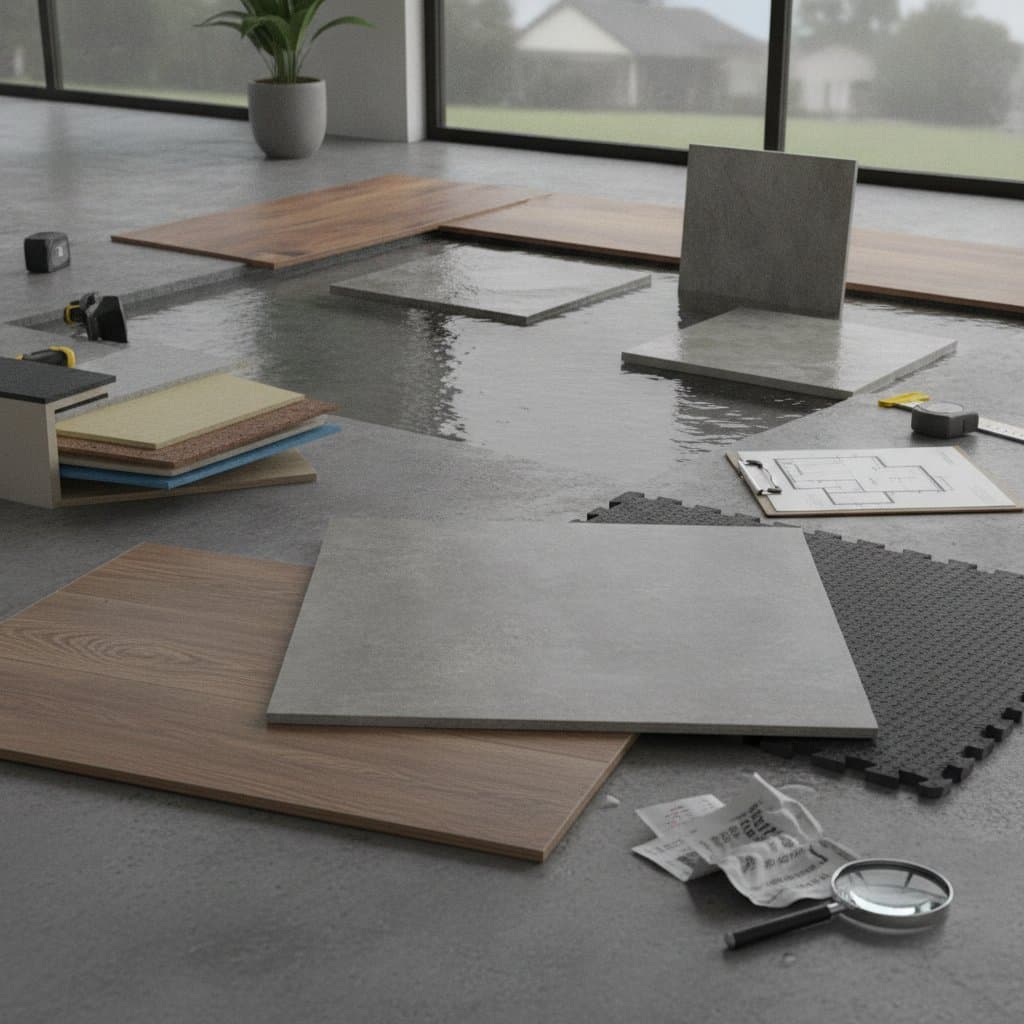
Budget-conscious choices such as vinyl siding paired with laminate flooring maintain lower overall costs. In contrast, durable options like fiber cement siding, quartz countertops, and ceramic tile showers elevate the price due to higher material quality and installation complexity. Prefabricated units offer standard and premium variants, where premium selections can raise costs by 20% or more through enhanced insulation and aesthetic upgrades.
Site Conditions and Accessibility
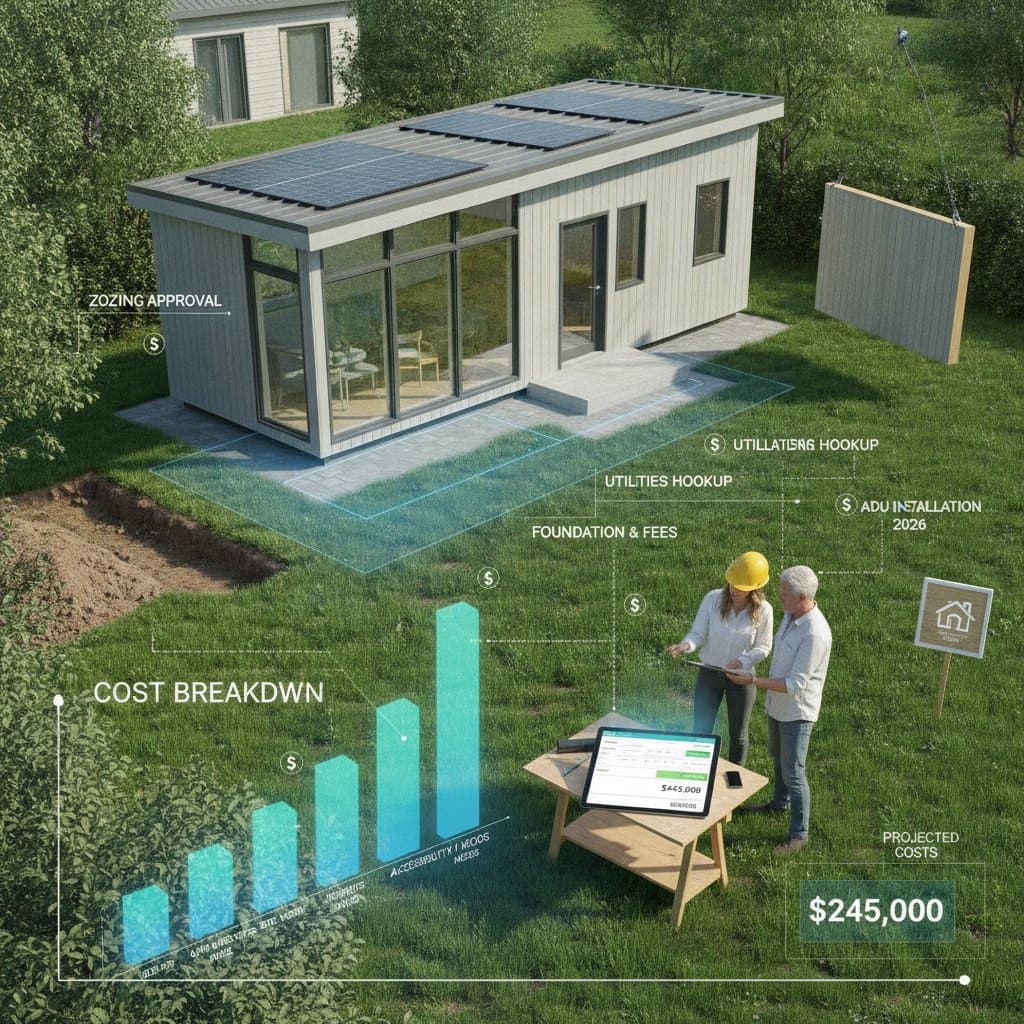
Properties with flat, open yards located near existing utility lines present the most straightforward and affordable setup scenarios. Challenging sites, including sloped terrain or densely wooded areas, often require additional grading, retaining walls, or extended trenching for utilities, adding thousands to the project total. In urban settings with limited access, coordinating crane deliveries or navigating narrow pathways demands specialized equipment and planning, further impacting expenses.
Labor Market and Season
Labor rates tend to rise during peak building seasons, such as spring and summer, when demand for contractors peaks. Projects in remote locations or high-cost metropolitan areas may incur premiums ranging from 10% to 25% due to travel and availability constraints. Opting for winter construction can introduce delays from weather-related inspection setbacks, along with supplementary costs for site heating or protective tenting.
Custom Work and Change Orders
Incorporating custom layouts, enhanced insulation, or energy-efficient features necessitates extra materials and design expertise, directly increasing both components of the budget. Once permits receive approval, any modifications typically prompt re-submissions, incurring review fees and extending timelines by weeks. To minimize these risks, finalize all design elements prior to the permitting phase.
How To Save Without Regret
Practical Substitutions
Select a compact footprint that relies on shared laundry facilities within the primary residence to reduce plumbing and space demands. Begin with standard-grade finishes and plan for future upgrades as finances allow, preserving initial affordability. Prefab models equipped with modular bathroom and kitchen components streamline plumbing installations, potentially cutting those expenses by up to 15%.
Sequence and Prep That Reduce Labor Hours
Prepare utilities, the foundation pad, and access pathways well in advance of unit delivery to eliminate redundant site visits. Combine trenching efforts for electrical, water, and sewer lines into a single operation, which optimizes excavation efficiency and lowers labor charges. Clear documentation of site readiness helps contractors proceed without interruptions.
Off Season Timing or Batch Projects
Arrange construction during the builder's off-peak months, typically late fall or early winter, to negotiate modest discounts on labor rates. Pair the granny pod build with a concurrent main house renovation to consolidate mobilization efforts, permit applications, and equipment rentals, yielding overall savings. This integrated approach also simplifies coordination with local authorities.
Compare at Least Three Quotes
Require each prospective builder to provide a detailed breakdown of materials, labor, and permit management. Seek explicit details on utility integrations, site preparations, and delivery procedures to ensure comprehensive coverage. This thorough comparison prevents overlooked expenses and aligns expectations from the outset.
Quote Comparison Checklist
- Scope fully itemized with dimensions and features
- Materials specified by grade and brand
- Surface preparation and post-construction cleanup included
- Permit fees and waste disposal accounted for
- Warranty details and project timeline outlined
- Payment terms linked to verifiable milestones
Timeline and Scheduling
Lead times for prefabricated pod materials generally span 8 to 12 weeks following design finalization and order placement. Site preparation, including foundation pouring and utility rough-ins, requires 2 to 4 weeks, influenced by soil conditions and prevailing weather. The delivery and assembly phase unfolds over two to three days, after which interior finishing and mandatory inspections extend the process by an additional 2 to 4 weeks. Build in contingency periods of at least two weeks to accommodate permit processing delays or unforeseen adjustments.
Maintenance and Lifespan
A properly constructed granny pod endures 30 to 50 years with routine upkeep. Perform annual inspections of the roof, exterior siding, caulking seals, and HVAC filters to identify potential issues promptly. Monitor for foundation settling or improper drainage, addressing cracks or water pooling immediately to safeguard structural integrity. Schedule replacements for water heaters and mini-split air conditioning systems every 10 to 15 years, and ensure gutters direct rainwater away from the concrete slab to avert moisture-related deterioration.
Making It Happen
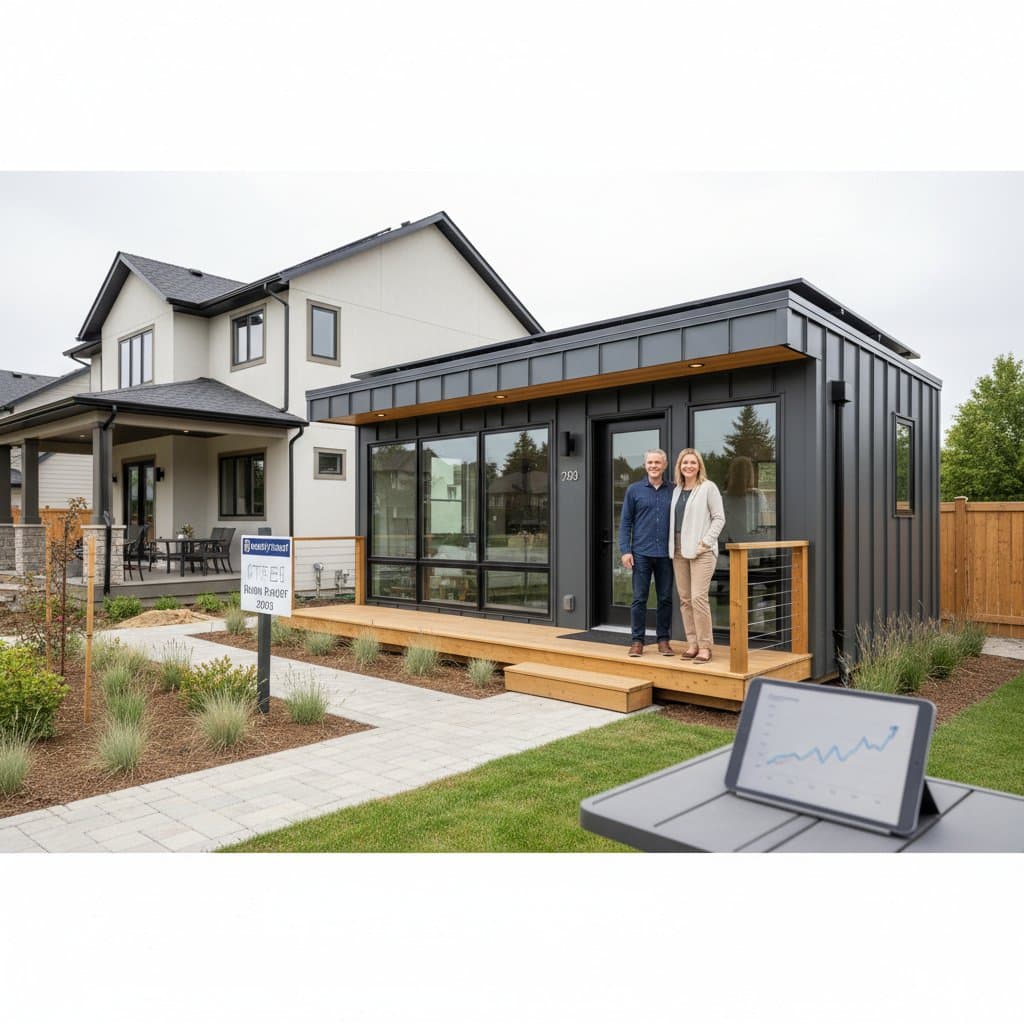
Granny pods offer versatile solutions for accommodating extended family, in-home caregivers, or even generating rental income, provided they adhere to local building codes. Start by consulting municipal zoning offices to confirm allowable placements and size restrictions, then develop a detailed budget that allocates funds for permits, utility connections, and professional oversight. Select contractors experienced in both site development and modular assembly to streamline the process and eliminate integration challenges. Through meticulous planning and ongoing dialogue with your team, this backyard addition delivers enhanced comfort, promotes independence, and contributes substantial long-term value to your property.
Methodology and Sources
This analysis draws from current national and regional cost projections, insights from contractor consultations, pricing data from prefabricated unit manufacturers, and schedules of municipal fees. Actual expenses fluctuate based on geographic location, prevailing labor rates, and unique zoning stipulations.