How Much Does a Granny Pod Cost? Complete Pricing Guide
Granny Pods: Independence Meets Family Connection
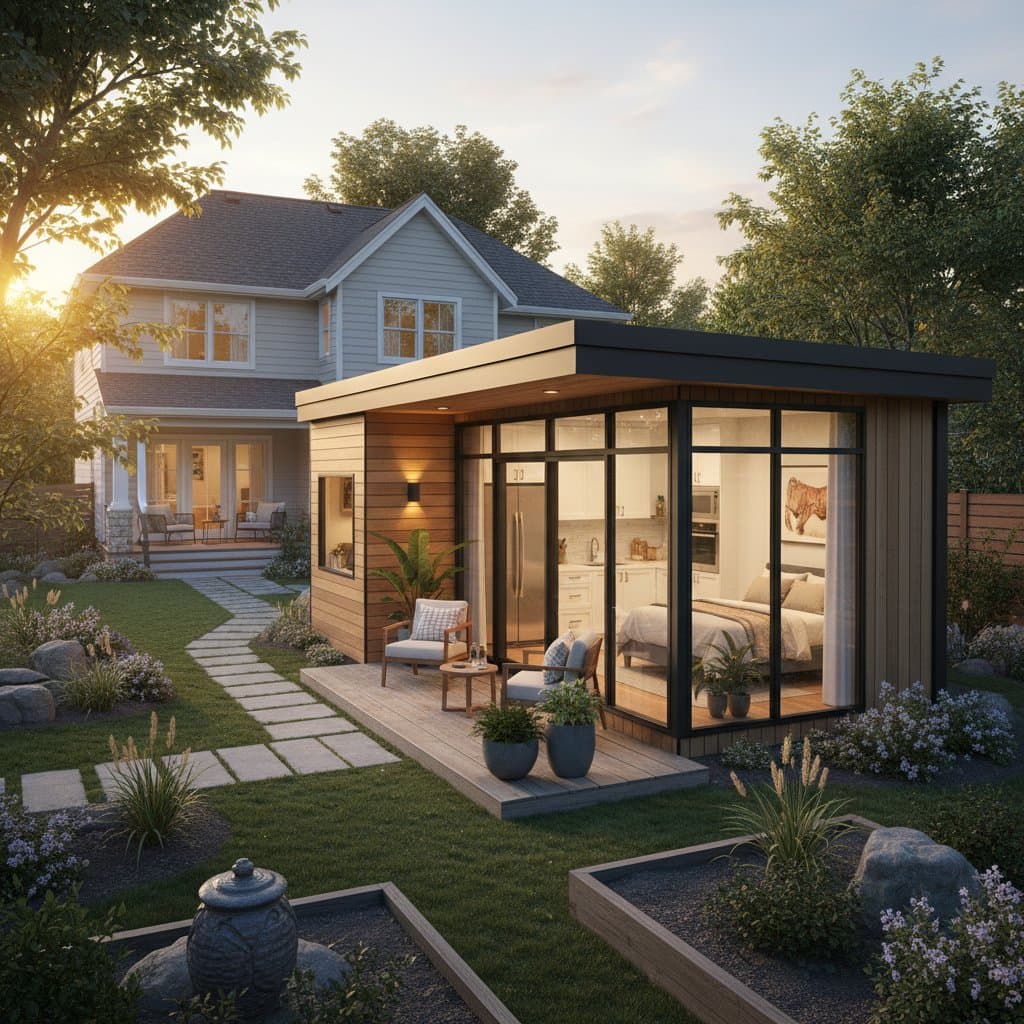
Granny pods transform backyard spaces into private, secure residences for aging relatives, equipped with essential amenities and positioned near family support. Installation by professionals ranges from $85,000 to $250,000, with the average cost for a standard, ready-to-occupy unit falling at $145,000.
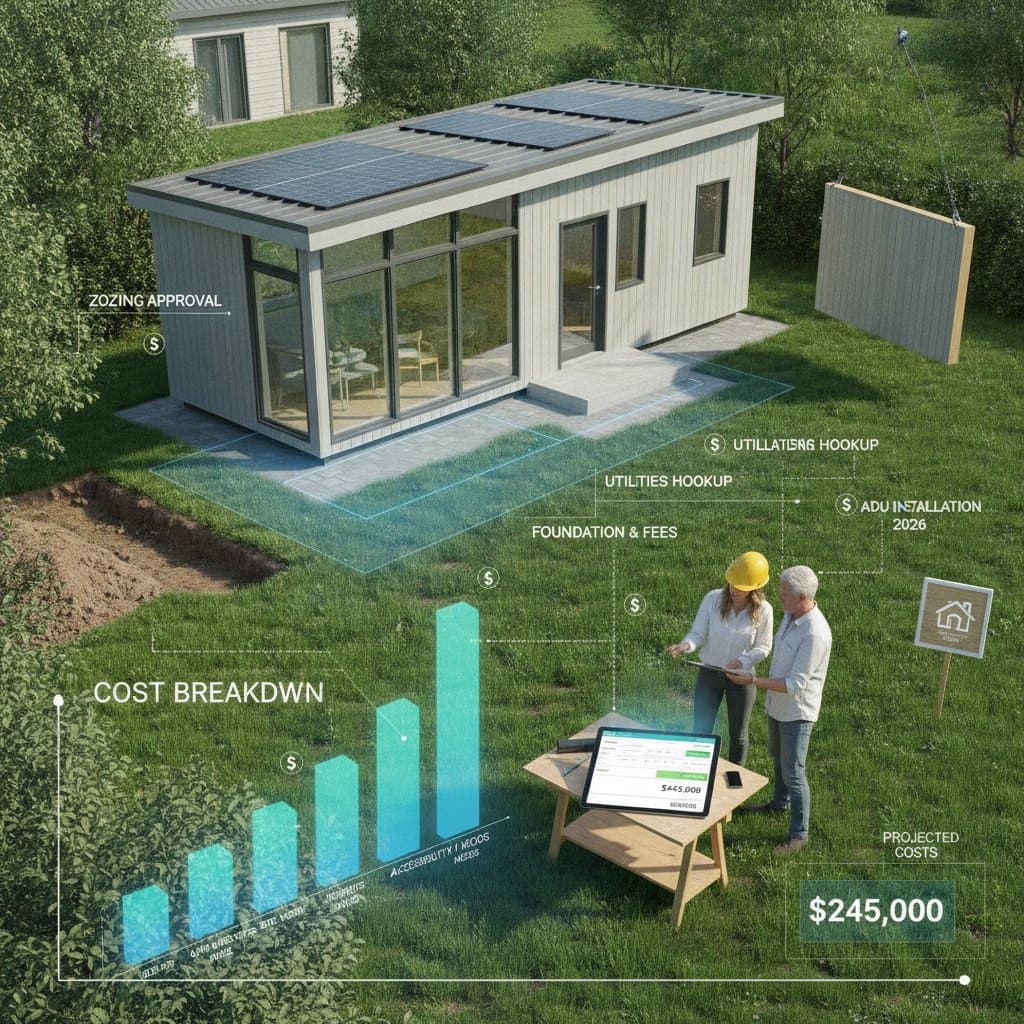
Three main elements shape the overall expense: the size and layout of the unit, the level of construction quality, and the integration of utility connections. Local zoning regulations and site preparation needs further affect the final price. Data from the National Association of Home Builders indicates that incorporating an accessory dwelling unit can elevate property value by as much as 35 percent, provided it includes compliant utilities and accessible features.
These structures extend beyond simple backyard additions. They serve as economical options for multigenerational households, combining privacy, comfort, and convenience. As housing expenses climb and senior care choices narrow, granny pods emerge as viable substitutes for traditional assisted living arrangements.
Service Types and Comprehensive Pricing
Basic or Standard Granny Pod Package
A basic granny pod encompasses foundational elements such as a concrete slab or foundation, structural framing with insulation, connections for electrical, plumbing, and heating, ventilation, and air conditioning systems, along with a compact kitchenette, bathroom, interior finishes, and exterior siding.
Completion of standard projects requires 8 to 12 weeks, with costs spanning $85,000 to $145,000 based on selected customizations. Such units suit temporary family accommodations or income-generating rentals.
Premium or Comprehensive Granny Pod Package
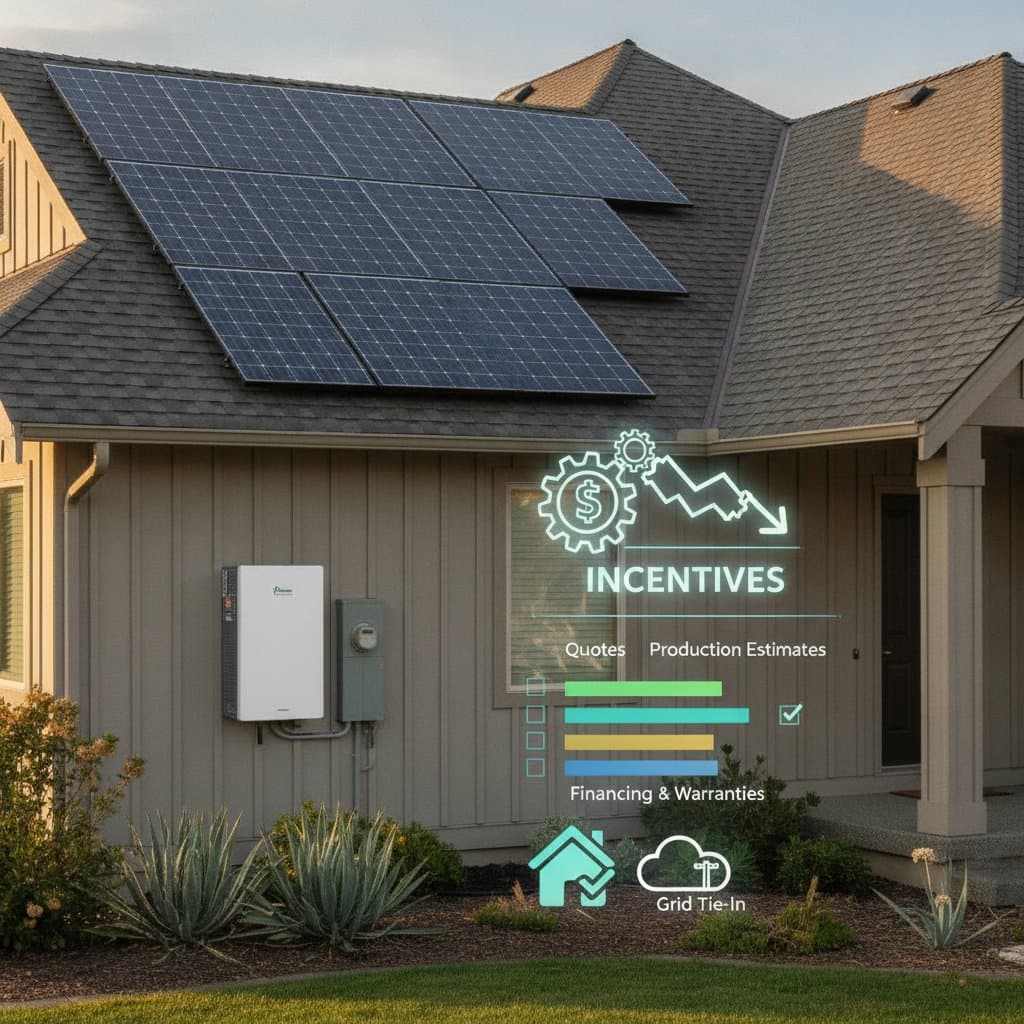
Premium options incorporate enhanced elements including a complete kitchen outfitted with premium appliances, automated lighting and climate controls, health monitoring equipment, wheelchair-accessible ramps and expanded doorways, plus roofing prepared for solar panels and superior insulation materials.
These enhancements raise the total expense by 25 to 40 percent, positioning premium units in the $180,000 to $250,000 range. Owners typically recoup investments within 8 to 10 years through rental income aligned with local accessory dwelling unit rates or sustained use for family members.
Add-On Services and Bundles
| Add-On Service | Average Cost | Bundle Savings | Benefit |
|---|---|---|---|
| Landscaping integration | $3,000 - $8,000 | 10% | Improves accessibility and aesthetics |
| Solar installation | $10,000 - $18,000 | 12% | Reduces energy bills |
| Accessibility retrofits | $5,000 - $12,000 | 8% | Meets ADA standards |
| Custom interior design | $6,000 - $15,000 | 10% | Enhances comfort and resale value |
Platforms like Angi or HomeAdvisor enable comparison of regional bids, potentially yielding savings of up to 15 percent when combining design and construction services with a single provider.
Actionable Cost-Saving Strategies
Timing Optimization
Opting for construction during off-peak seasons can lower expenses by up to 10 percent, as builders face reduced demand. Selecting mid-week initiation dates often secures minor reductions in labor charges. Steering clear of high-demand summer periods accelerates permitting processes and shortens scheduling delays.
Smart Shopping Tactics
Obtain a minimum of three estimates from certified builders to identify competitive pricing. This approach frequently results in savings of 5 to 20 percent. Structure payments to disburse funds only after key project milestones, and inquire about discounts of 2 to 3 percent for complete advance payments.
Procure materials such as lumber, flooring, and insulation straight from regional suppliers, where prices tend to undercut those in comprehensive builder packages.
Preparation Actions
Property owners can trim project budgets by handling preliminary work like removing vegetation, grading minor terrain, or readying utility pathways. These efforts typically save $1,000 to $5,000. Sustaining open dialogue with contractors minimizes expensive setbacks and modifications.
Related Services Ecosystem
Granny pods integrate effectively with supporting home improvements to optimize functionality and value.
Landscaping and site preparation, costing $3,000 to $10,000, establish even terrain and proper drainage. Coordinating this with pod setup boosts project efficiency by 10 percent.
Utility and electrical enhancements, priced at $5,000 to $15,000, verify sufficient capacity for the expanded living area. Addressing these during initial construction avoids subsequent upgrade expenses.
Exterior hardscaping, ranging from $4,000 to $12,000, incorporates pathways, ramps, and seating zones to promote ease of movement and enjoyment.
Strategies to Enhance Long-Term Value
Investing in a granny pod yields benefits that extend beyond immediate housing needs. Select durable materials and energy-efficient systems to lower ongoing maintenance and utility costs over time. Consult local real estate trends to ensure the addition aligns with neighborhood preferences, thereby maximizing resale potential.
Regular upkeep, including annual inspections of structural integrity and systems, preserves the unit's condition and supports sustained property appreciation. Families who prioritize adaptable designs find these spaces versatile for evolving needs, whether for aging in place or future rental opportunities.