How Much Does an ADU or Granny Flat Cost? 2026 Pricing Guide
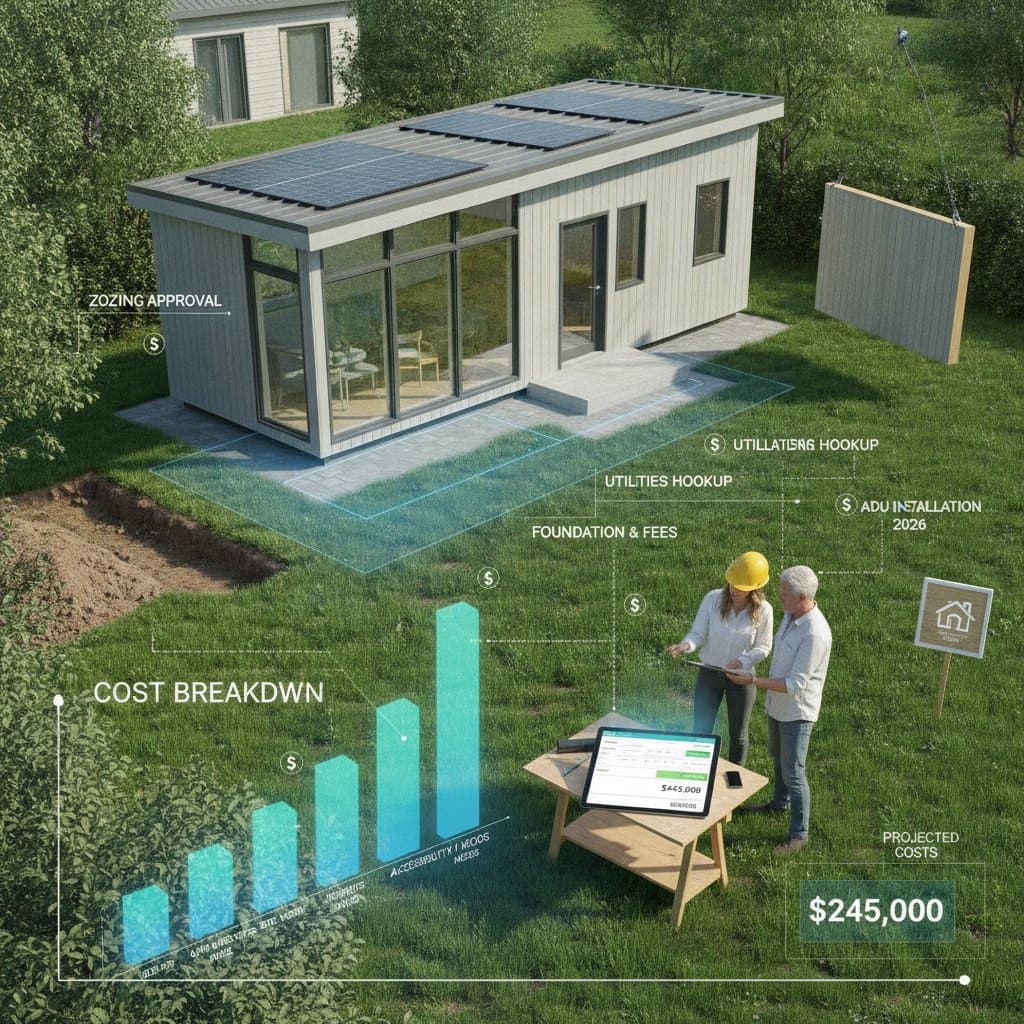
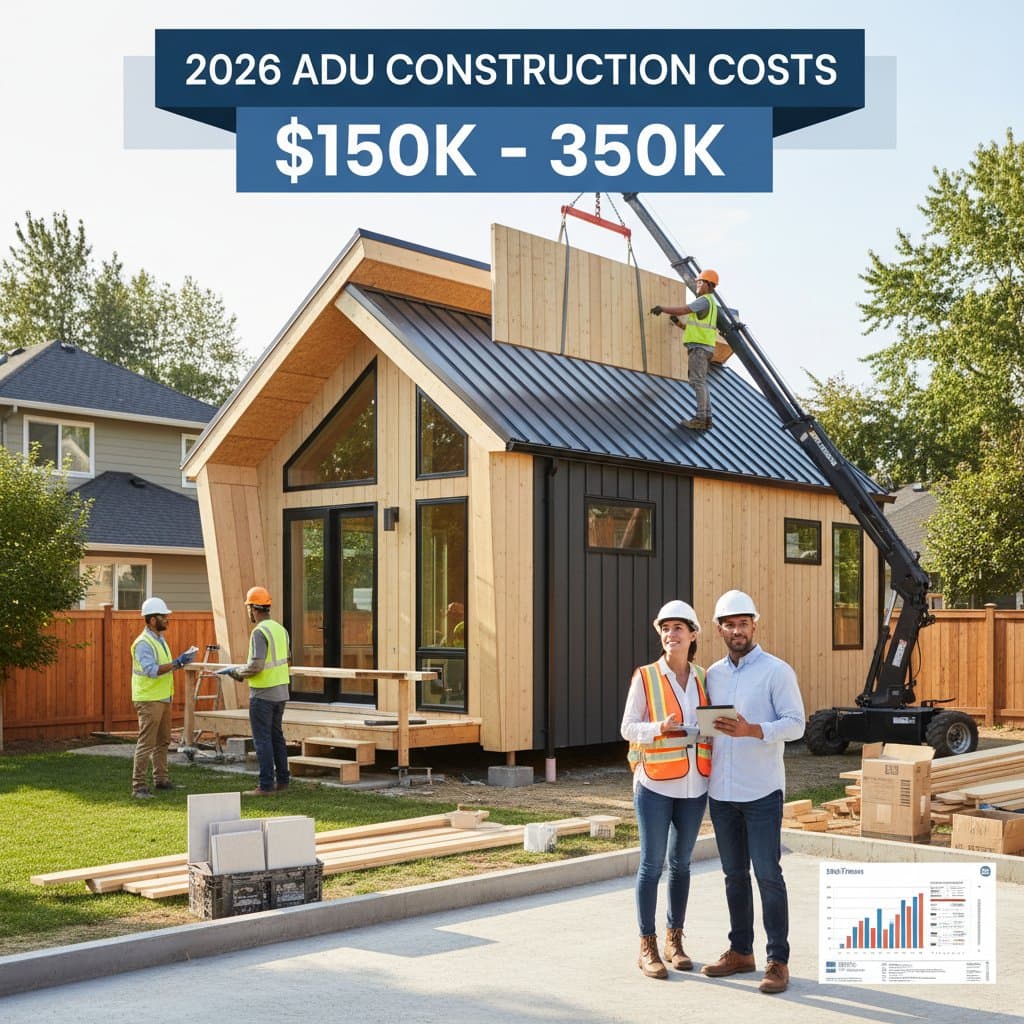
Accessory Dwelling Units, known as ADUs or granny flats, convert underutilized spaces into functional living areas that improve comfort and boost property value. Professional construction for these units typically ranges from $150,000 to $350,000, with the average for a standard detached model around $240,000.
Three primary factors shape the total expense: size and layout, material quality, and site complexity. Local building codes and location can alter costs by up to 25 percent. A thoughtfully designed ADU often raises property value by as much as 35 percent and supports steady rental income, making it a strategic choice for expanding living space without moving.
Detailed Cost Breakdown
Professional builders charge $250 to $500 per square foot, based on design intricacy and finish levels. Conversions of garages or basements tend toward the lower range, whereas new detached builds incur higher fees due to foundational and utility requirements. Design and permitting fees average $8,000 to $12,000 prior to starting construction.
Modest 400-square-foot units at the lower end total about $120,000. Mid-tier 600-square-foot projects average $240,000, and upscale 800-square-foot versions with luxury finishes exceed $350,000.
Size and Scope
Adding 100 square feet generally increases costs by $25,000 to $40,000, driven mainly by labor and materials. An attached studio might need only basic plumbing adjustments, but a detached guest house requires complete electrical, water, and sewer installations. Homeowners often choose units from 500 to 700 square feet to balance investment with strong returns.
Material and Quality Tiers
Entry-level ADUs feature vinyl windows, laminate flooring, and basic cabinetry at $250 per square foot, offering durability for about 20 years with routine upkeep.
Mid-range selections incorporate superior insulation, quartz surfaces, and reliable appliances from brands like Whirlpool or GE, priced at $350 per square foot.
Premium constructions include bespoke cabinetry, durable metal roofing, and advanced energy systems from providers such as Mitsubishi or LG, costing $450 to $500 per square foot. These options come with extended warranties and reduced energy expenses over time.
Complexity Variables
Challenging sites with steep terrain, restricted access, or septic modifications can elevate costs by 15 to 30 percent. Pricing adjustments account for seismic reinforcements, structural enhancements, or accessibility features. In high-demand urban areas like Los Angeles or Seattle, limited labor availability may add another 10 percent to the bill.
Service Types and Comprehensive Pricing
Basic ADU packages cover design consultation, standard foundation, framing, plumbing, electrical connections, drywall, and basic finishes. These projects span eight to twelve weeks and range from $150,000 to $200,000, ideal for straightforward rental or guest spaces.
Comprehensive packages incorporate energy-efficient HVAC, solar-ready wiring, custom elements, and site landscaping. Total costs fall between $250,000 and $350,000, representing 25 to 40 percent more than basic options, yet they accelerate rental recovery and elevate resale potential.
Add-on features like site preparation, smart home integrations, or separate garages cost $5,000 to $25,000 apiece. Integrating them into the primary build yields savings of 10 to 15 percent over standalone installations.
Professional vs. DIY Considerations
DIY approaches attract budget-conscious homeowners, but overlooked expenses quickly accumulate. For a 600-square-foot unit, materials such as lumber, concrete, wiring, fixtures, and roofing surpass $120,000. Additional outlays for tools, equipment rentals, and permits reach $10,000 to $15,000, while labor demands over 900 hours, posing a high opportunity cost for novices.
Engaging licensed professionals delivers clear advantages. They manage permits, inspections, and warranties, streamlining the timeline by months. Access to specialized equipment and supplier discounts mitigates labor surcharges. Professionals prove cost-effective for projects beyond 400 square feet, where efficiencies outweigh initial premiums.
Smart Ways to Reduce ADU Construction Costs
Time builds for off-season periods when contractor availability peaks, potentially lowering labor rates by 5 to 10 percent. Obtain quotes from at least three providers via platforms like Angi or Thumbtack, scrutinizing itemized details for fair comparisons. Opt for phased payments or cash settlements to negotiate discounts.
Handle preliminary site work personally, such as vegetation removal or debris clearance, to save $2,000 to $5,000. Maintain precise discussions on scope and specifications to avoid expensive revisions. Select modular cabinets or uniform tile dimensions to trim costs while preserving aesthetic and functional standards.
Strategies for Strong Returns on Your ADU
An ADU or granny flat offers versatile use for family needs, income generation, or remote work setups, all while fortifying property worth. Prioritize streamlined designs, precise financial planning, and vetted builders. Through diligent preparation and expense controls, this addition ensures lasting comfort, practicality, and economic benefits.