How Much Does a Multigenerational Addition Cost? 2026 Pricing Guide
Adding a multigenerational suite transforms a home by creating separate living space for extended family while preserving privacy and independence. Professional multigenerational additions cost between $120,000 and $320,000, with most homeowners paying around $210,000 for a complete in-law suite that includes a bedroom, bathroom, kitchenette, and private entrance.
Three main factors determine the final cost: total square footage, construction materials and finishes, and site complexity. Homes in dense urban areas often face higher permit and labor costs, while suburban projects typically achieve better value per square foot. According to the National Association of Home Builders, a well-designed in-law suite can raise property value by up to 30 percent in resale markets where multigenerational living is in demand. Investing in a quality addition ensures long-term family flexibility and sustained equity growth.
Detailed Cost Breakdown
The average cost per square foot for a multigenerational addition ranges from $250 to $500, depending on design complexity and finish level. Most contractors set a minimum project charge of $80,000 to cover architectural planning, permits, and foundational work.
At the 25th percentile, small suites with basic finishes average $140,000. The median cost is about $210,000, while high-end projects with luxury materials and custom features exceed $300,000.
Size and Scope
Size directly affects cost. A compact 400-square-foot suite with a small bath and kitchenette averages $120,000 to $160,000, while a larger 800-square-foot addition can reach $250,000 to $320,000. Each additional 100 square feet typically adds $25,000 to $40,000 to the total.
Builders often reference industry guidelines from the American Institute of Architects, which suggest that projects over 600 square feet require additional structural reinforcements, increasing labor hours by 10 to 15 percent. A real example from a Midwest contractor shows a 650-square-foot suite with midrange finishes costing $195,000, including foundation and utility connections.
Material and Quality Tiers
Material choices shape both cost and longevity.
- Entry-level builds often use vinyl flooring, laminate countertops, and fiberglass showers. These cost $250 to $300 per square foot and offer a lifespan of 15 to 20 years.
- Mid-range suites use quartz surfaces, ceramic tile, and semi-custom cabinetry. They cost about $350 to $425 per square foot and deliver better durability and resale appeal.
- Premium designs include solid wood cabinetry, energy-efficient windows, and brand-name fixtures such as Kohler or Delta. Costs climb to $450 to $500 per square foot, but warranties and energy savings offset part of the premium within a decade.
Complexity Variables
Site access, existing structure conditions, and code requirements greatly influence pricing. Tight property lines or sloped lots can raise foundation costs by 10 to 20 percent. Older homes often need electrical or plumbing upgrades to meet modern standards, adding $5,000 to $15,000.
Regional labor rates also matter. Coastal cities may see costs up to 25 percent higher than inland markets due to limited subcontractor availability. In contrast, areas with a competitive contractor base often report lower markups.
Service Types and Comprehensive Pricing
Basic or Standard Package
A standard in-law suite typically includes:
- One bedroom
- One bathroom
- Small kitchenette
- Shared utility tie-ins
- Basic finishes
Construction usually takes 8 to 10 weeks, with labor accounting for about 40 percent of total cost. Homeowners can expect to spend $120,000 to $180,000 for this category. It suits families seeking separate space for parents or adult children without luxury upgrades.
Premium or Comprehensive Package
Comprehensive packages feature larger layouts, full kitchens, private laundry, and upgraded finishes. Some include accessible design elements such as walk-in showers and wider doorways. These projects range from $220,000 to $320,000, roughly 30 percent more than basic suites.
While the upfront cost is higher, long-term value improves. Many homeowners recover 60 to 70 percent of the investment through increased home value and reduced assisted living expenses.
Add-On Services
Optional enhancements include:
- Exterior entrance and patio: $8,000 to $15,000
- Custom cabinetry: $10,000 to $20,000
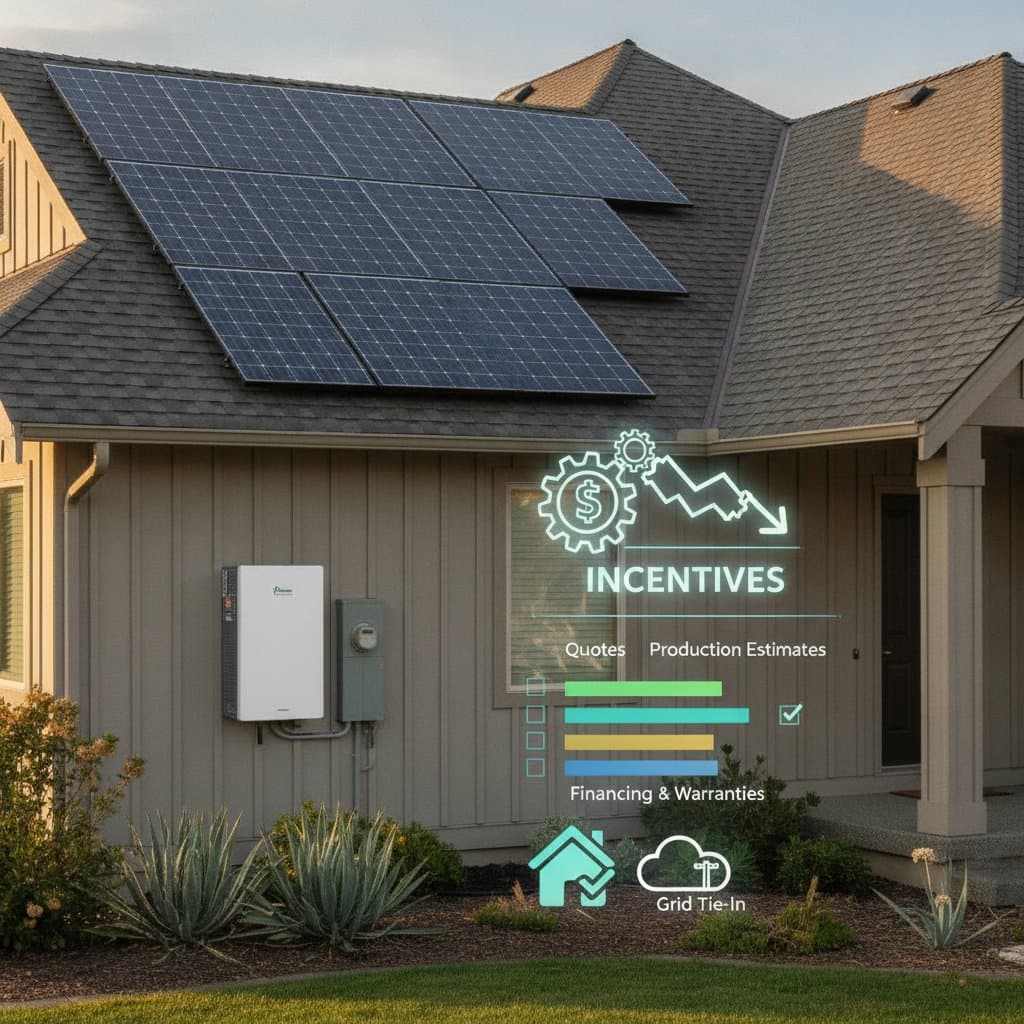
- Solar or energy package: $6,000 to $12,000
Contractors often bundle services, offering 5 to 10 percent savings on combined upgrades. Platforms like Angi and HomeAdvisor show that scheduling during slower seasons can reduce total quotes by another 5 percent.
Professional vs. DIY Analysis
DIY Cost Breakdown
Homeowners with construction experience sometimes consider partial DIY approaches. Material costs for a small suite average $80,000 to $100,000, covering framing lumber, drywall, insulation, and mid-tier fixtures from retailers like Home Depot or Lowe’s. Tool rentals for saws, lifts, and scaffolding add $2,000 to $4,000, while permits and inspections cost $3,000 to $6,000.
Factoring in 500 to 700 labor hours, the opportunity cost of time can exceed $25,000. Hidden expenses such as rework or failed inspections often raise the total to near professional pricing.
Professional Advantages
Hiring licensed contractors saves time and ensures code compliance. Professionals bring liability insurance worth $1 million or more, access to skilled labor, and warranty coverage averaging 5 years. Quality metrics from BuildZoom show that professionally built additions reduce maintenance issues by 40 percent during the first decade.
The break-even for hiring professionals usually occurs when structural, plumbing, or electrical modifications are required, as DIY errors in these areas can lead to costly corrections.
Actionable Cost-Saving Strategies
Timing Optimization
Contractors often offer 5 to 15 percent discounts for projects started during winter or mid-week when schedules are lighter. Booking early in the season helps lock rates before material price adjustments.
Smart Shopping Tactics
Gather at least three detailed quotes. Comparing itemized bids can reduce overcharges by up to 12 percent. Homeowners who provide their own fixtures or appliances often save another $3,000 to $5,000. Paying deposits promptly or in cash can earn small vendor discounts.
Preparation Actions
Completing preliminary steps like clearing the site, removing old structures, or handling permit paperwork can lower labor time by several days, saving $1,000 to $3,000. Clear communication with builders about layout preferences also prevents costly design revisions.