Understanding Garage Flood Risks
Garages often serve as storage spaces for vehicles, tools, and household items, making them vulnerable to water intrusion during heavy rains or storms. Flooding can lead to structural damage, electrical hazards, and costly repairs that exceed thousands of dollars. By implementing flood-proofing measures, homeowners can protect these areas effectively while staying within a budget of $2,000 to $8,000.
Assess your garage's exposure by examining past weather patterns and local flood zones. Common entry points for water include doors, floors, and walls. Addressing these proactively ensures long-term safety and functionality.
Essential Materials and Cost Breakdown
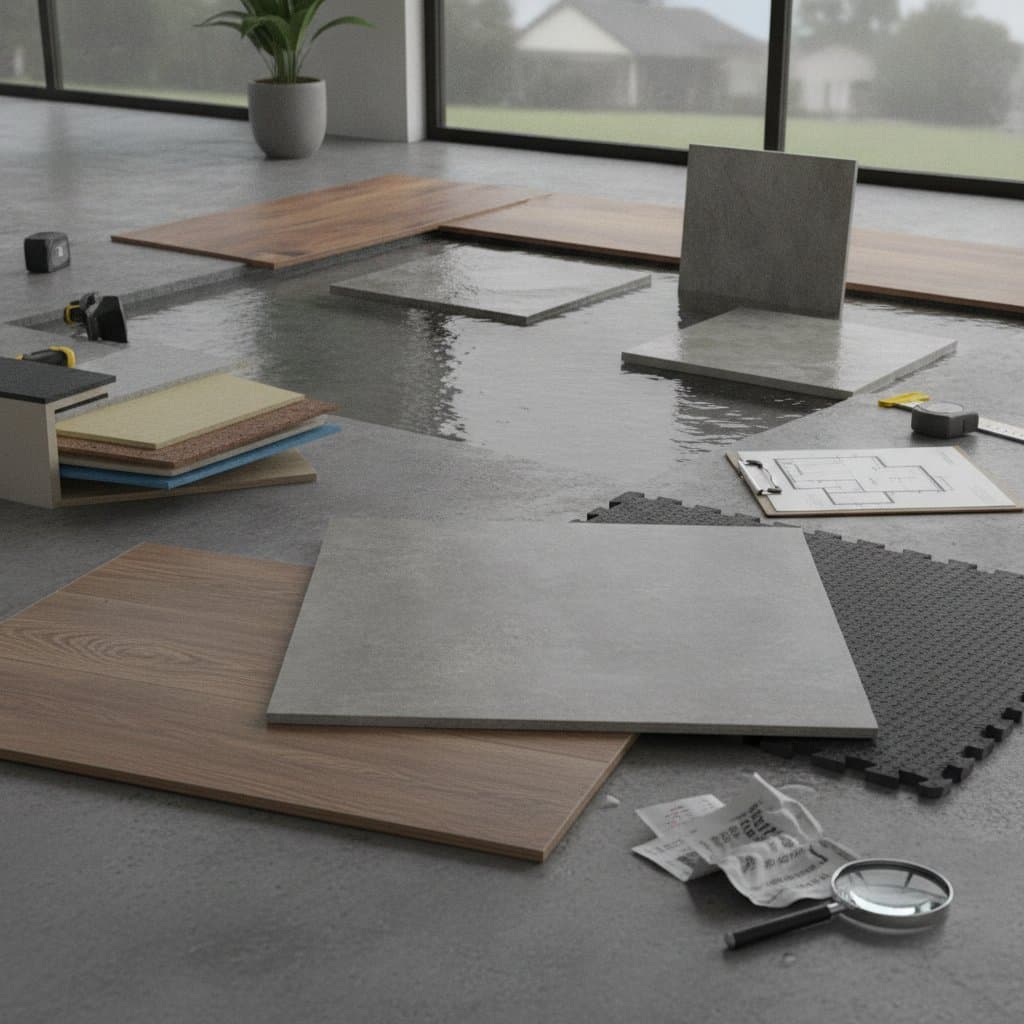
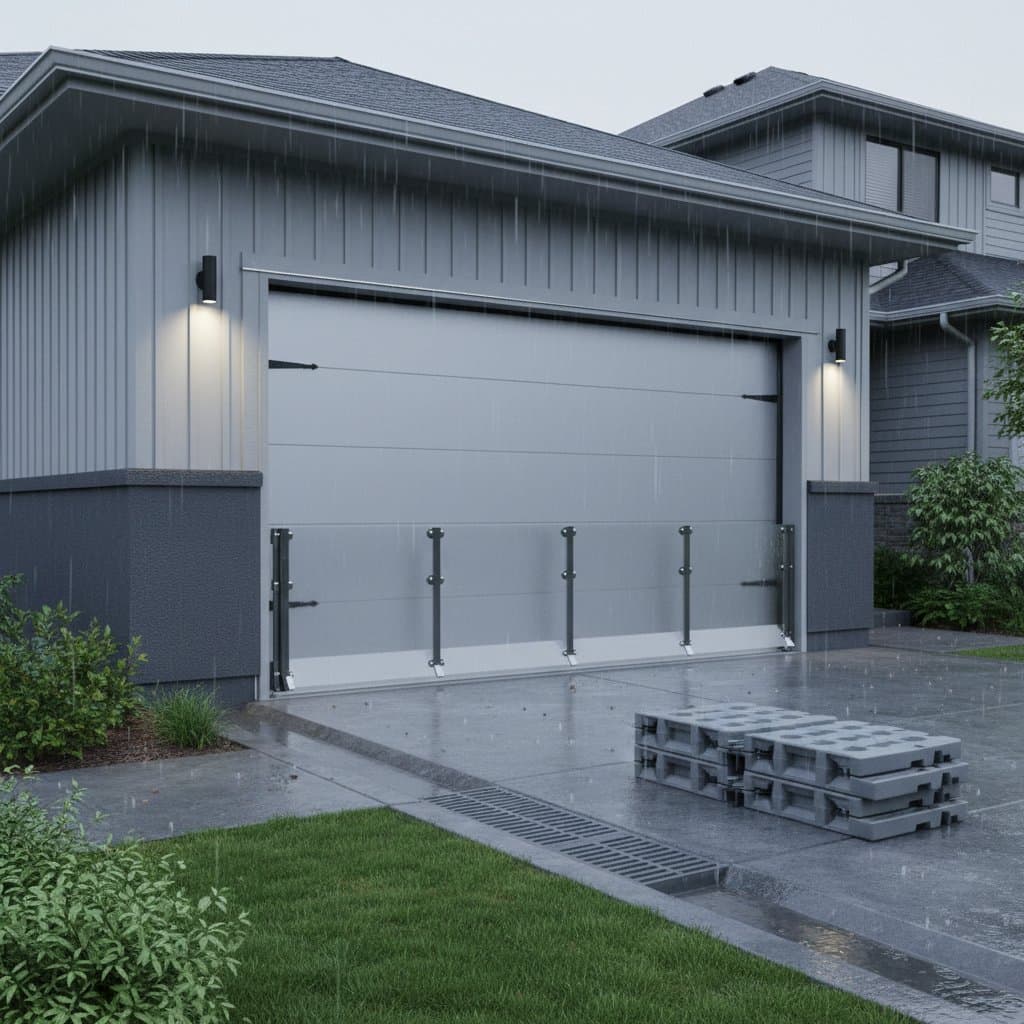
Selecting the right materials forms the foundation of any flood-proofing project. Waterproof coatings provide a barrier against moisture on floors and walls, typically costing $500 to $1,500 for materials and application. Flood barriers, such as portable or permanent panels, range from $300 to $2,000 depending on size and type.
Sealed doors and vents prevent water from seeping under gaps, with upgrades priced at $200 to $1,000. For more comprehensive protection, consider sump pumps at $800 to $2,500 installed, or electrical rewiring for raised outlets at $1,000 to $3,000. Total costs vary based on garage size and existing conditions, but combining these elements keeps expenses manageable.
Prioritize based on your needs: start with coatings and seals for basic defense, then add barriers and pumps for high-risk areas. These investments not only block water but also enhance the garage's overall resilience.
Step-by-Step Installation Guide
Begin with preparation by clearing the garage and inspecting for current damage. Level concrete floors if uneven, a task that may cost $1,000 to $4,000 if structural repairs are required. Apply waterproof coatings using a roller or sprayer after cleaning surfaces thoroughly.
Install flood vents in foundation walls to allow water to flow out while blocking debris; this involves cutting openings and securing frames, often a professional job at $500 to $1,500. For doors, add weatherstripping and thresholds to create tight seals. Rewire electrical systems to elevate outlets above potential flood levels, ensuring compliance with local codes.
Set up sump pumps in low spots, connecting them to discharge lines that direct water away from the property. Test all components after installation to verify performance. These steps, when followed methodically, transform a standard garage into a fortified space.
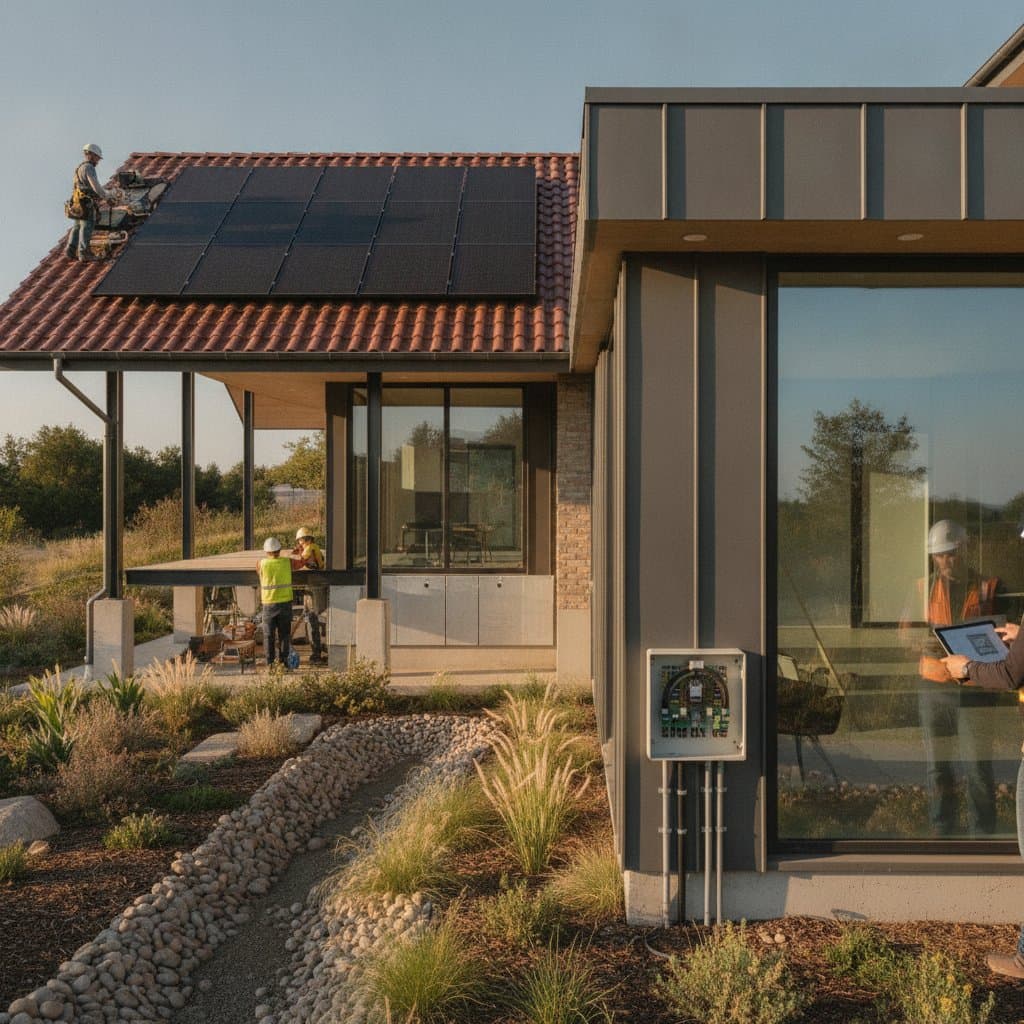
- Electrical rewiring for raised outlets.
- Concrete leveling or structural repairs.
- Permanent flood vent installation or sump pump wiring.
Skill Level and Safety Considerations
Intermediate DIYers can manage surface sealing and basic barrier setup with proper tools. Allocate 15 to 20 hours over several days for these tasks. Beginners should consult professionals for electrical or structural work to avoid risks.
Wear gloves, masks, and eye protection throughout the process. Maintain ventilation when applying coatings to prevent inhalation of fumes. If hiring help, obtain quotes from licensed contractors experienced in flood mitigation.
Maintenance and Lifespan
Regular upkeep extends the durability of flood-proofing systems. Inspect coatings annually for wear and reapply every 5 to 7 years to maintain effectiveness.
Clean drains monthly by removing debris and testing water flow to ensure proper drainage. Lubricate door seals twice a year to avoid cracking and sticking issues.
Examine barriers before each storm season, replacing any damaged gaskets or panels promptly. With diligent care, these systems endure 10 to 20 years before needing full replacement.
Regional and Climate Considerations
Homeowners in coastal or low-lying regions should emphasize robust door seals and vents to counter tidal surges. Colder climates demand coatings rated for freeze-thaw cycles, which resist chipping from ice expansion.
In hot areas, opt for UV-resistant finishes that withstand sun exposure without peeling. Tailor choices to local conditions for optimal performance and longevity.
Planning Your Flood-Proofing Project
Conduct an inspection after heavy rain to identify seepage or pooling areas. Prioritize upgrades like floor coatings and door barriers, which address minor flooding for under $2,000.
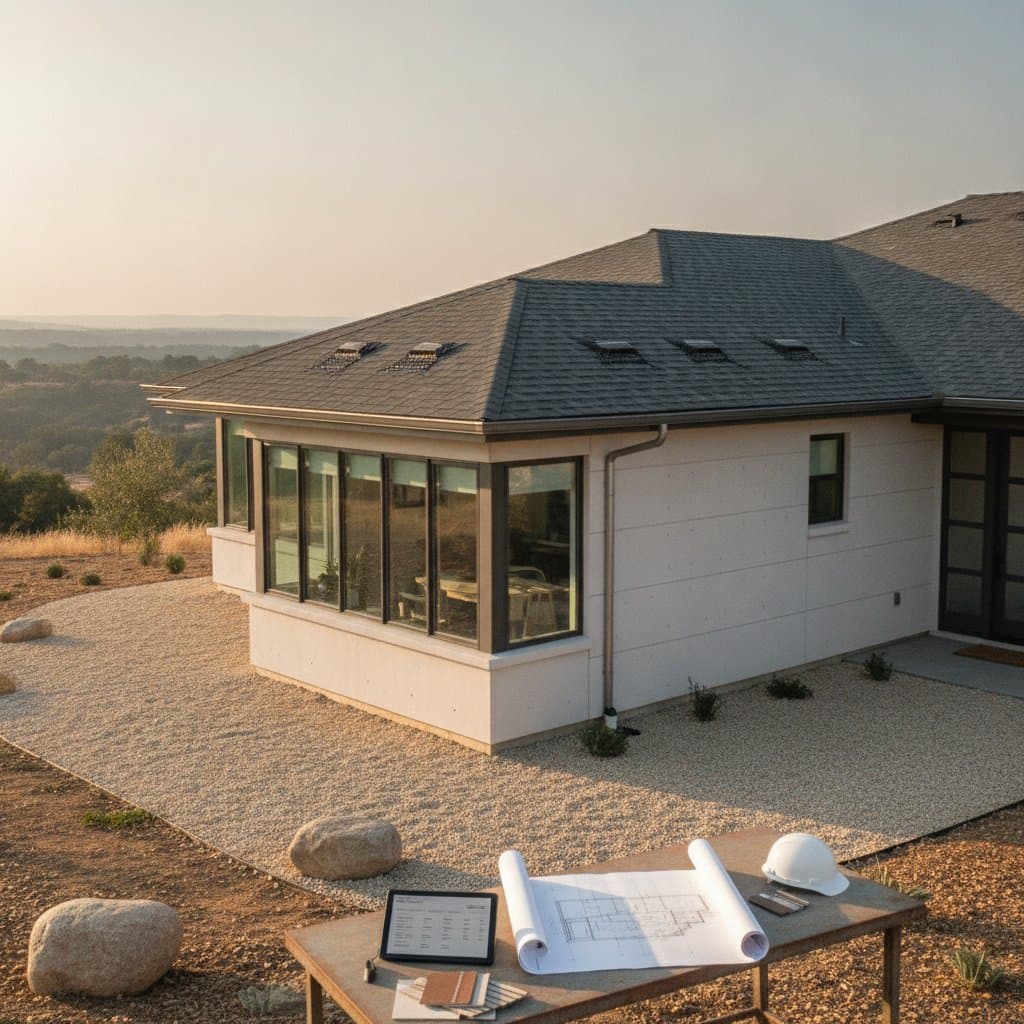
Develop a timeline that aligns with weather forecasts, starting with high-impact changes. Budget for tools and permits if necessary. This approach minimizes disruption while maximizing protection.
A few days of focused effort today prevents extensive damage tomorrow. Your garage emerges dry, secure, and equipped to handle future storms with confidence.