2026 Flood-Proof Flooring: Costs and Installation Insights
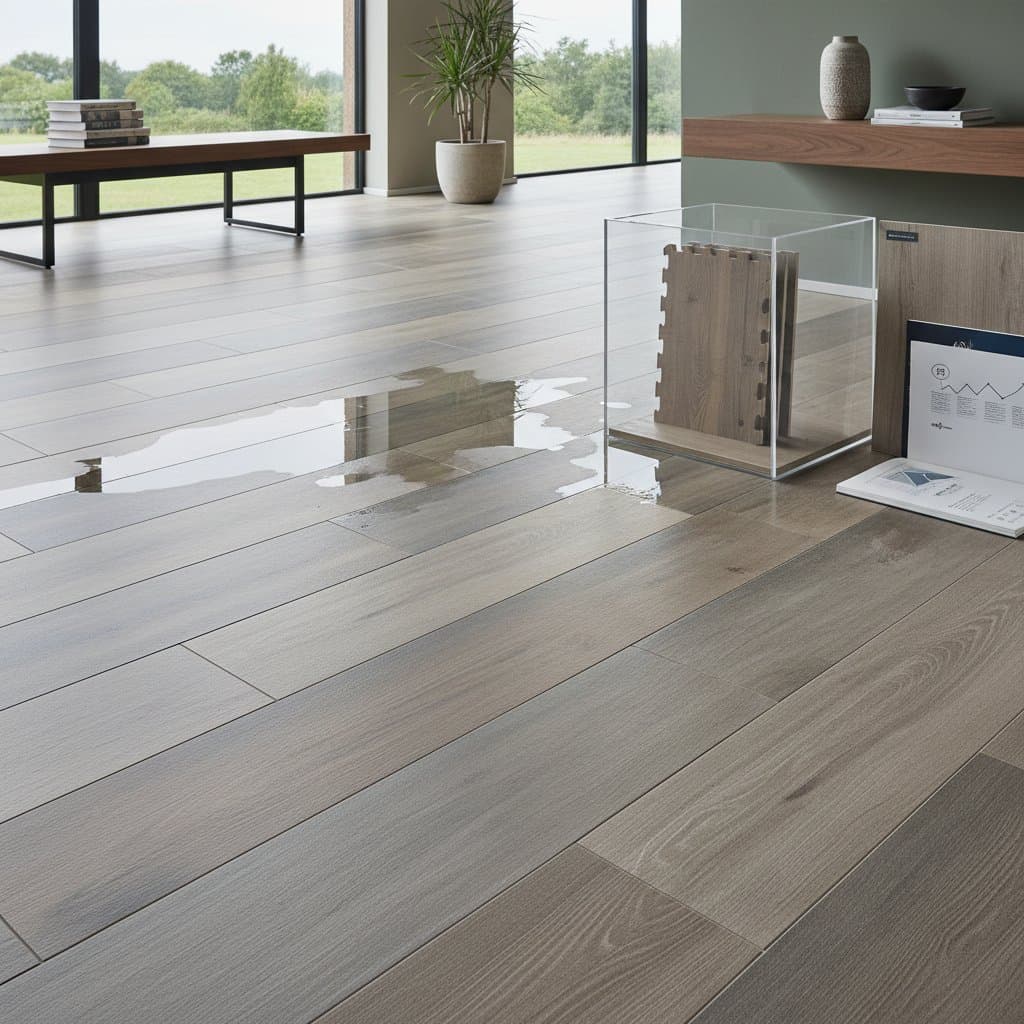
Homeowners in flood-prone areas increasingly select flooring materials designed to withstand complete submersion. These options resist water penetration, dry efficiently, and allow thorough cleaning to prevent mold growth. This guide examines effective materials, associated costs, and precise installation methods to safeguard homes effectively.
The primary goal remains to assist readers in selecting suitable flood-resistant flooring, understanding accurate price ranges, and determining whether to undertake installation independently or engage professionals.
Advantages, Disadvantages, and Ideal Applications
Porcelain Tile
- Advantages: Impermeable surface provides superior water resistance; high compressive strength endures heavy loads; straightforward cleaning and sanitization process.
- Disadvantages: Surface feels cold without underfloor heating; grout lines demand periodic sealing; material proves brittle if the underlying substrate shifts.
- Ideal Applications: Slab-on-grade constructions, basement areas, and high-traffic entryways.
Sealed Concrete
- Advantages: Lacks organic components that foster mold; offers seamless, durable finish; allows customization in texture and color.
- Disadvantages: Presents a hard, unyielding surface; necessitates professional application for optimal results; susceptible to cracking from slab movement.
- Ideal Applications: Garage spaces, utility rooms, and contemporary interior designs.
Luxury Vinyl Tile (LVT) or Plank (LVP)
- Advantages: Waterproof core layer repels moisture effectively; individual planks or tiles replace easily; provides comfortable footing compared to hard surfaces.
- Disadvantages: Potential for subfloor moisture accumulation if not sealed properly; adhesives may fail during prolonged submersion.
- Ideal Applications: Completed basements, kitchen zones, and renovations with moderate budgets.
Rubber Tile or Sheet Flooring
- Advantages: Inherent non-slip properties enhance safety; resilient material absorbs impacts; simple cleaning routine maintains hygiene.
- Disadvantages: Limited aesthetic variety restricts design options; exposure to ultraviolet light may cause discoloration over time.
- Ideal Applications: Laundry facilities, home gyms, and family rooms located in high-risk flood zones.
Epoxy Flooring
- Advantages: Creates a seamless, impermeable coating; resists chemicals and abrasions; adheres strongly to concrete substrates.
- Disadvantages: Requires precise mixing and extended curing periods; smooth finishes increase slip risk without texturing.
- Ideal Applications: Commercial environments, garages, and mechanical rooms.
Detailed Installation Process
Successful installation of flood-proof flooring begins with a thoroughly dry and stable subfloor. The following outlines a standard procedure suitable for slab-on-grade or basement projects.
Essential Personal Protective Equipment: Safety glasses, durable gloves, respirator for handling sealers or epoxy compounds, knee pads, and steel-toe boots.
1. Evaluate and Dry the Subfloor
Employ a moisture meter to verify that the concrete exhibits less than 4 percent moisture content. Levels above this threshold compromise adhesive integrity over time. Deploy dehumidifiers continuously if necessary to achieve dryness.
2. Apply Subfloor Sealing
Distribute a penetrating or epoxy-based moisture barrier specifically rated to withstand hydrostatic pressure. This application blocks vapor transmission from below the slab.
3. Surface Leveling and Repair
Address cracks and depressions with a cement-based patching compound. Permit complete curing, typically 24 to 48 hours, prior to proceeding with flooring placement.
4. Place the Flooring Material
- For Tile: Spread thinset mortar using a notched trowel; maintain 3/16-inch joints between tiles; apply grout and seal joints after initial curing.
- For Vinyl Plank: Engage snap-lock mechanisms along edges; stagger joints by a minimum of 6 inches; incorporate a 1/4-inch expansion gap around the perimeter.
- For Rubber Sheet: Apply adhesive uniformly with a roller; heat-weld seams for watertight connections; roll the surface thoroughly to eliminate air bubbles.
- For Epoxy: Combine resin and hardener according to manufacturer ratios; pour the mixture and spread evenly with a squeegee; back-roll to ensure uniform thickness.
5. Complete Sealing and Verification
Install edge caulking or base coving along walls to prevent water ingress at perimeters. Conduct a thorough inspection for pinholes, gaps, or elevated seams that could compromise integrity.
Common Errors and Prevention Strategies
- Omitting Subfloor Moisture Testing: Apparent dryness misleads; always measure quantitatively to avoid future failures.
- Incorporating Wood-Based Underlayments: Materials like medium-density fiberboard or plywood absorb water, swell, and harbor mold.
- Neglecting Expansion Gaps: Post-flood drying involves expansion and contraction cycles that demand adequate spacing.
- Combining Incompatible Sealers and Adhesives: Consult product data sheets to ensure compatibility and prevent chemical reactions.
- Accelerating Curing Periods: Premature exposure to water undermines adhesion; adhere strictly to recommended timelines.
Such oversights often result in repair expenses exceeding several hundred dollars and extended downtime following flood incidents.
Guidelines for DIY Versus Professional Installation
Apply this decision framework to evaluate suitability for self-installation.
| Factor | Suitable for DIY | Recommend Professional Assistance |
|---|---|---|
| Skill Level | Proficiency with basic tools and patience | Requirement for precise layouts or coatings |
| Safety Considerations | Minimal risks with click-lock vinyl planks | Elevated hazards involving epoxy or solvents |
| Tool Requirements | Access to standard hand tools | Need for industrial sanders or mixers |
| Regulatory Aspects | No permits required | Involvement of structural or vapor barrier modifications |
| Error Impact | Limited to aesthetic imperfections | Potential for structural damage or voided warranties |
In basement projects, a combined strategy often proves effective. Individuals manage subfloor preparation and plank placement, while experts handle sealing and final inspections.
Resolving Typical Installation Issues
Issue: Elevated Edges on Vinyl Planks
Root Cause: Accumulation of moisture beneath or inadequate material acclimation.
Resolution: Extract affected sections, dry the subfloor completely, and reinstall using adhesive formulated for moist environments.
Issue: Discolored Grout Following Flood Exposure
Root Cause: Residue from organic matter or bacterial proliferation.
Resolution: Scrub with a solution of diluted bleach; reseal the surface after achieving full dryness.
Issue: Epoxy Coating Delamination
Root Cause: Inadequate surface preparation or presence of contaminants.
Resolution: Abrade the surface via grinding; apply a primer coat followed by a fresh topcoat.
Issue: Curling at Rubber Seams
Root Cause: Uneven adhesive distribution or excessive ambient humidity.
Resolution: Gently warm the material; reroll the seams; apply a specialized seam sealer.
Selecting Contractors and Evaluating Bids
Prioritize contractors with demonstrated expertise in moisture management when outsourcing. Obtain a minimum of three bids based on identical project specifications.
| Line Item | Specification or Scope | Contractor A | Contractor B | Contractor C | Variance Observations |
|---|---|---|---|---|---|
| Moisture Barrier | Epoxy formulation, 100 square feet | $500 | $450 | $520 | Differences in material quality |
| Flooring Material | LVP with 20-mil wear layer | $1,200 | $1,300 | $1,250 | Variations in brand and source |
| Labor | Full installation and finishing | $900 | $1,100 | $1,000 | Influenced by crew expertise |
| Total Bid | $2,600 | $2,850 | $2,770 | Examine warranty provisions |
Scrutinize written warranty details from each bidder. Insist on a documented moisture test prior to releasing final payment.
Preparation Checklist for Installation
Necessary Tools
- Moisture meter
- Notched trowel or applicator roller
- Utility knife
- Spirit level
- Mixing paddle for epoxy compounds
Required Competencies
- Accurate measuring and layout techniques
- Proper handling of adhesives
- Thorough surface preparation methods
Safety Equipment
- Protective gloves
- Respirator mask
- Eye protection gear
Permitting Requirements
- Applicable only for slab repairs or structural alterations
Preliminary Tasks
- Remove furniture and baseboards
- Operate dehumidifiers for at least 48 hours preceding installation
Environmental Considerations
- Schedule work outside periods of heavy rainfall or elevated humidity
Implementing Flood-Resistant Flooring Solutions
Investing in flood-proof flooring recovers costs rapidly after a single significant water event. Optimal results arise from matching materials to thorough preparation protocols. Sealed concrete or porcelain tile delivers unmatched durability for primary living areas, while vinyl planks balance aesthetics with reliable protection. Rubber or epoxy coatings suit functional spaces effectively.
Initiate the process by measuring subfloor moisture levels, then identify materials certified for submersion. Solicit three detailed bids, confirm specifications for moisture barriers, and secure comprehensive warranties to ensure long-term performance.