Understanding the 35% Permit Fee Increase
Building permit fees represent a critical component of any home renovation project. Starting in 2026, these fees will rise by 35% in many jurisdictions, driven by escalating administrative and regulatory demands. This adjustment compels homeowners to rethink their financial planning for improvements.
The surge stems from broader economic pressures, including higher operational costs for local governments and the need to fund infrastructure maintenance. For instance, cities face increased expenses in processing applications due to expanded safety standards and environmental reviews. Homeowners must account for this change to avoid budget shortfalls.
This fee hike affects projects of all scales, from minor updates to major overhauls. Early awareness allows for proactive adjustments, ensuring renovations proceed without financial strain.
Reasons Behind the Rising Costs
Local governments impose permit fees to cover the costs of reviewing and approving construction plans. The 35% increase reflects several interconnected factors. Inflation has driven up salaries for inspectors and administrative staff, while technology upgrades for permit systems add to the burden.
Additionally, heightened regulatory scrutiny plays a role. Recent building codes emphasize energy efficiency and seismic resilience, requiring more thorough evaluations. These measures, though beneficial for safety, elevate the workload and associated fees.
Environmental considerations further contribute. Many areas now mandate assessments for sustainable materials and waste management, extending review times and costs. Homeowners planning remodels should monitor local announcements to anticipate these shifts.
Projects Requiring Building Permits
Not every home improvement demands a permit, but many do to ensure compliance with safety codes. Structural modifications, such as adding a room or altering load-bearing walls, always require approval. These changes impact the home's integrity and necessitate professional inspections.
Electrical and plumbing work falls into this category as well. Installing new wiring, outlets, or fixtures involves risks that local authorities must verify. Similarly, HVAC system replacements or additions trigger permit requirements due to their influence on indoor air quality and energy use.
Exterior alterations often need oversight too. Decks, fences over a certain height, or roof replacements typically require permits to confirm they meet zoning and safety standards. Homeowners should consult municipal guidelines early to determine applicability.
Cosmetic updates like painting or flooring usually bypass permits, but combining them with structural work changes the equation. Clear identification of needs prevents legal issues down the line.
Budgeting Impacts on Home Renovations
The fee increase directly influences overall project costs. A typical permit might jump from $500 to $675, a notable addition for budgets already stretched by materials and labor. Larger projects could see thousands more in fees alone.
Delays from permit processing compound expenses. If applications lack completeness, revisions extend timelines, leading to higher contractor fees and temporary living arrangements. Homeowners face indirect costs like lost productivity during prolonged waits.
Resale value considerations arise as well. Unpermitted work can deter buyers or lower offers, offsetting any short-term savings. Integrating permit costs into initial budgets preserves long-term financial health.
Strategic planning mitigates these effects. Allocating 10-15% of the total budget for permits and contingencies provides a buffer against surprises.
Strategies to Plan and Save on Permits
Effective planning begins with research. Review local building department websites for fee schedules and application requirements well in advance. This step identifies potential costs and timelines specific to your area.
Consider consolidating applications where possible. Multiple related projects, such as kitchen and bathroom remodels, can qualify for bundled permits, reducing overall fees by up to 20%. Coordinate with contractors to align scopes under one submission.
Leverage digital tools for efficiency. Many municipalities offer online portals for submitting plans and tracking progress. These systems minimize errors and speed approvals, often at no extra cost compared to paper processes.
- Gather all necessary documents, including blueprints and material specifications, before applying.
- Schedule a pre-application meeting with inspectors to clarify requirements.
- Opt for licensed professionals familiar with local codes to streamline submissions.
Hiring experts who handle permits as part of their service saves time and reduces rejection risks. Their experience often uncovers cost-saving exemptions or phased approvals.
Avoiding Common Pitfalls and Delays
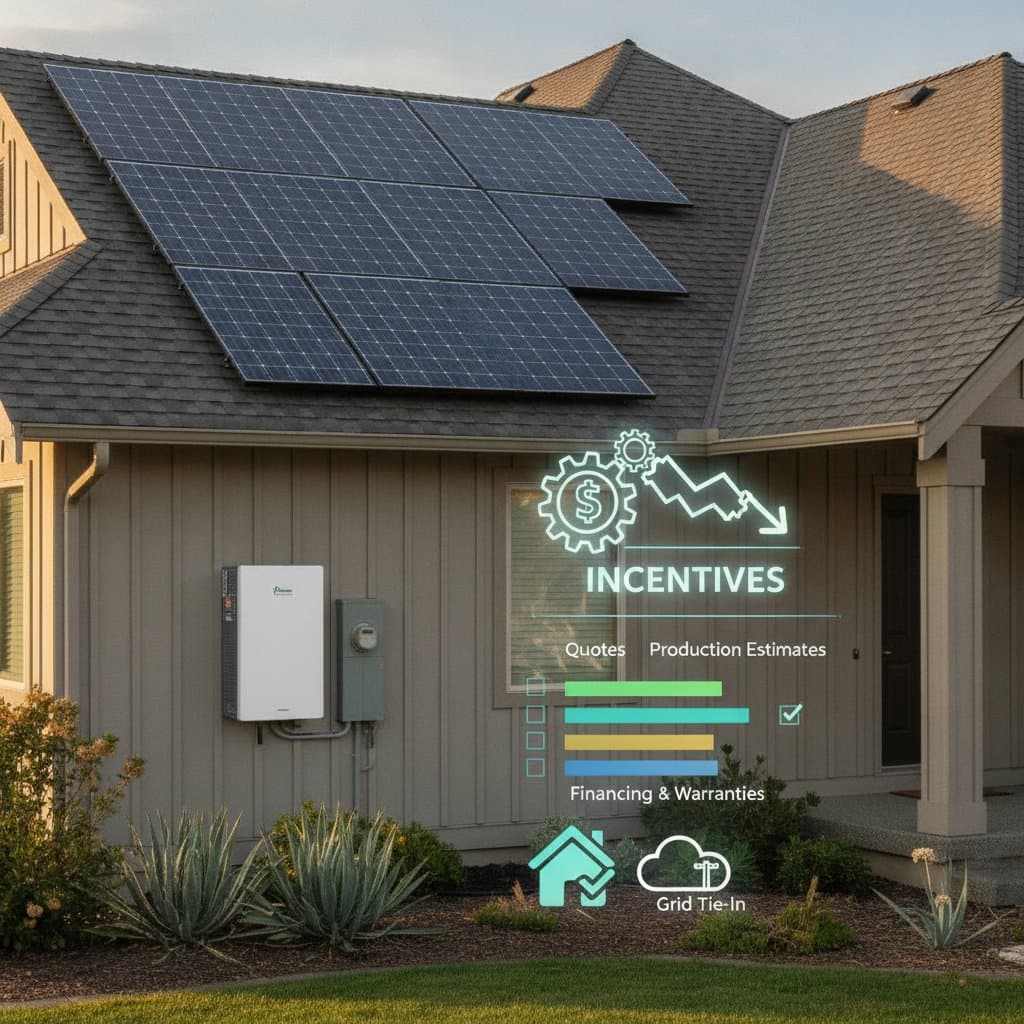
One frequent error involves skipping permits for what seems minor work. Even small additions like solar panel installations require approval in most places. Non-compliance risks fines ranging from hundreds to thousands of dollars, plus mandatory retroactive permits.
Incomplete applications cause the most delays. Missing details, such as site plans or engineer stamps, lead to back-and-forth revisions. Allocate at least four to six weeks for processing, longer in peak seasons.
Zoning oversights compound issues. Verify property restrictions before starting; variances for setbacks or height limits add time and fees. Early consultation with planning departments prevents costly redesigns.
Maintain detailed records throughout. Photographs, receipts, and correspondence serve as proof of diligence, useful if disputes arise later.
Maximizing Value in Your Remodel Investment
Incorporating permit strategies enhances project outcomes beyond cost control. Compliant work ensures durability and safety, protecting your investment for years. Well-planned renovations boost property appeal and equity.
Focus on high-impact efficiencies. Energy-efficient upgrades, often incentivized by streamlined permits, lower utility bills over time. Sustainable choices align with evolving codes, future-proofing your home.
Ultimately, thoughtful budgeting transforms challenges into opportunities. By addressing the 35% fee increase head-on, homeowners achieve seamless renovations that deliver lasting satisfaction and financial prudence.