
Articles tagged with building
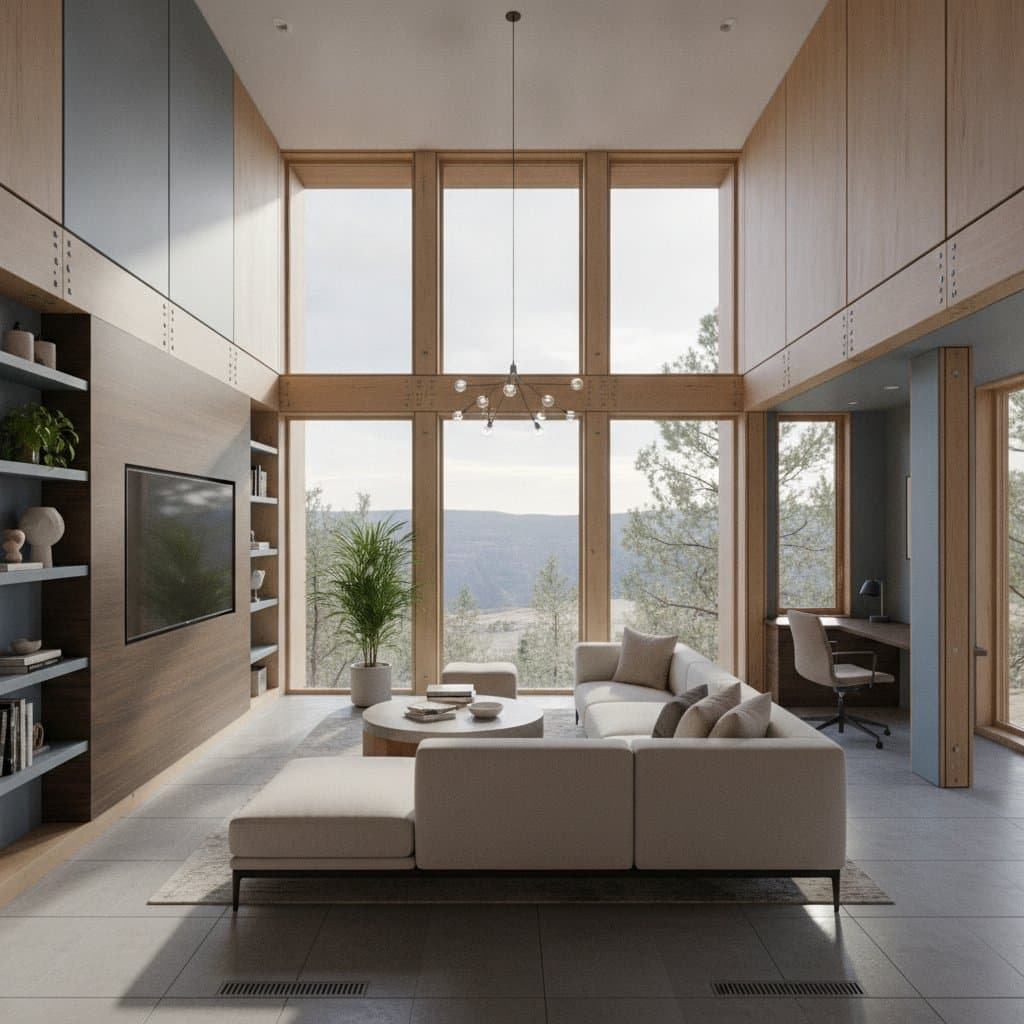
Modular homes offer faster builds, lower costs, and consistent quality compared to traditional construction, but limit design flexibility and require careful site planning. Learn how pricing, permits, and timelines align to make modular living a smart choice depending on land, layout, and goals.
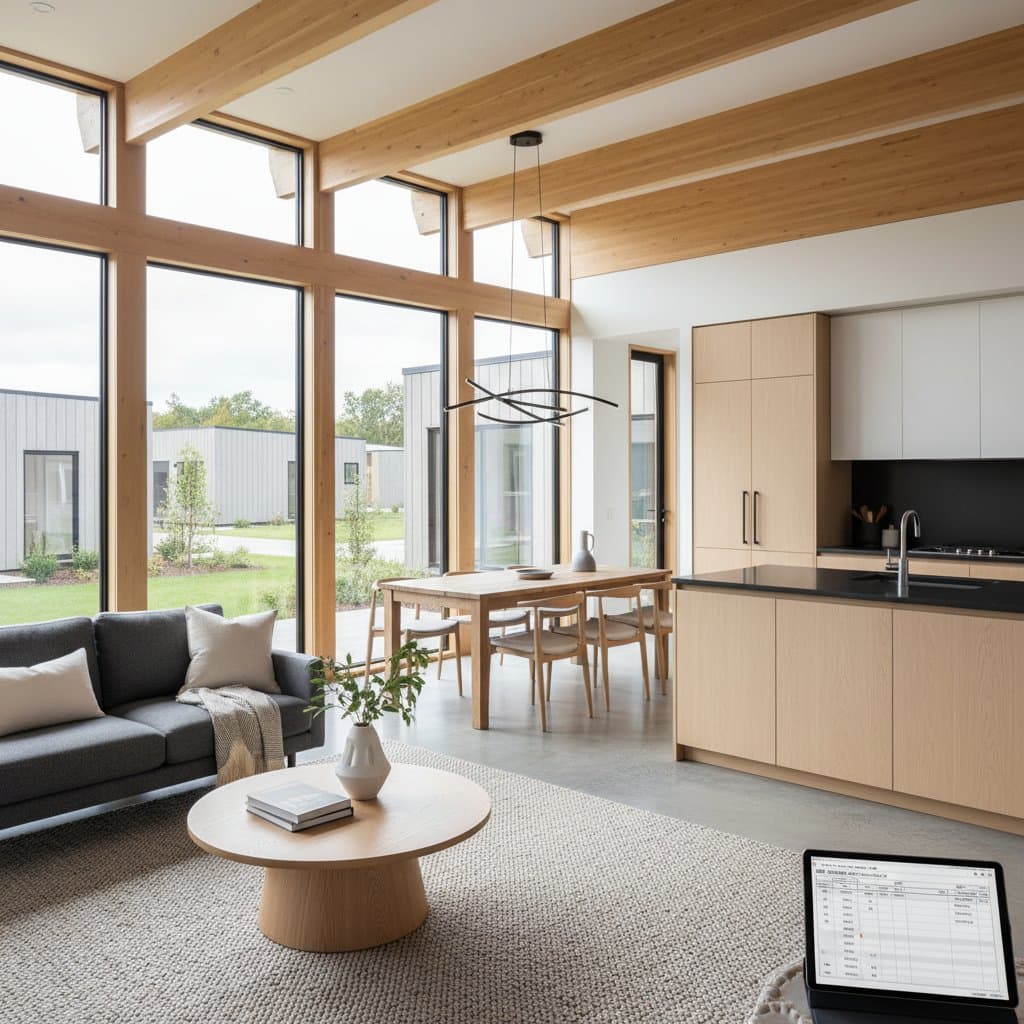
Modular homes combine factory efficiency with site built quality. Learn current per square foot costs, the full construction timeline, and practical steps to control expenses in 2026.
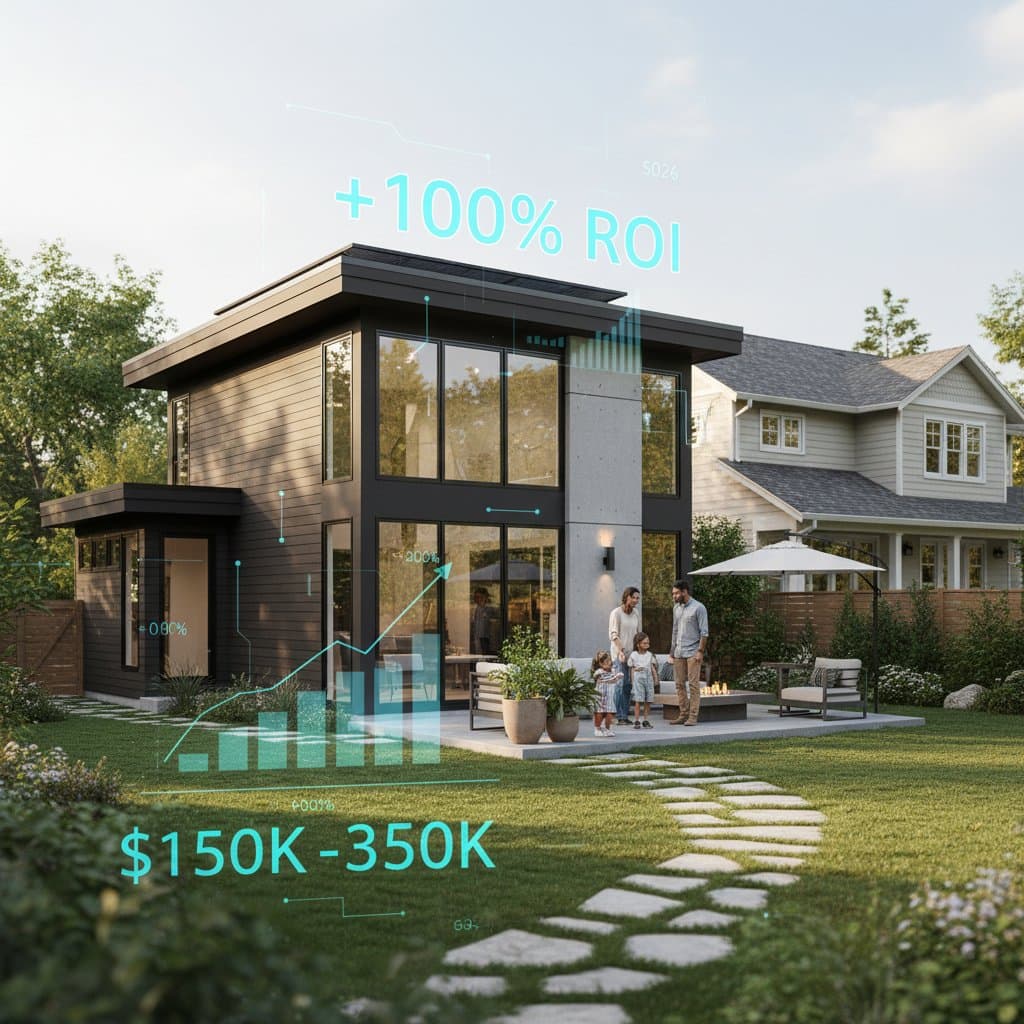
In 2026, constructing an accessory dwelling unit (ADU) typically costs between $150,000 and $350,000, offering a potential return on investment of 50 to 100 percent via increased property value or rental revenue. This guide examines how design decisions, site specifics, and budgeting practices impact expenses, project timelines, and financial outcomes. Explore ADU types to determine the best option for your property, ensuring maximum long-term value and lifestyle benefits.
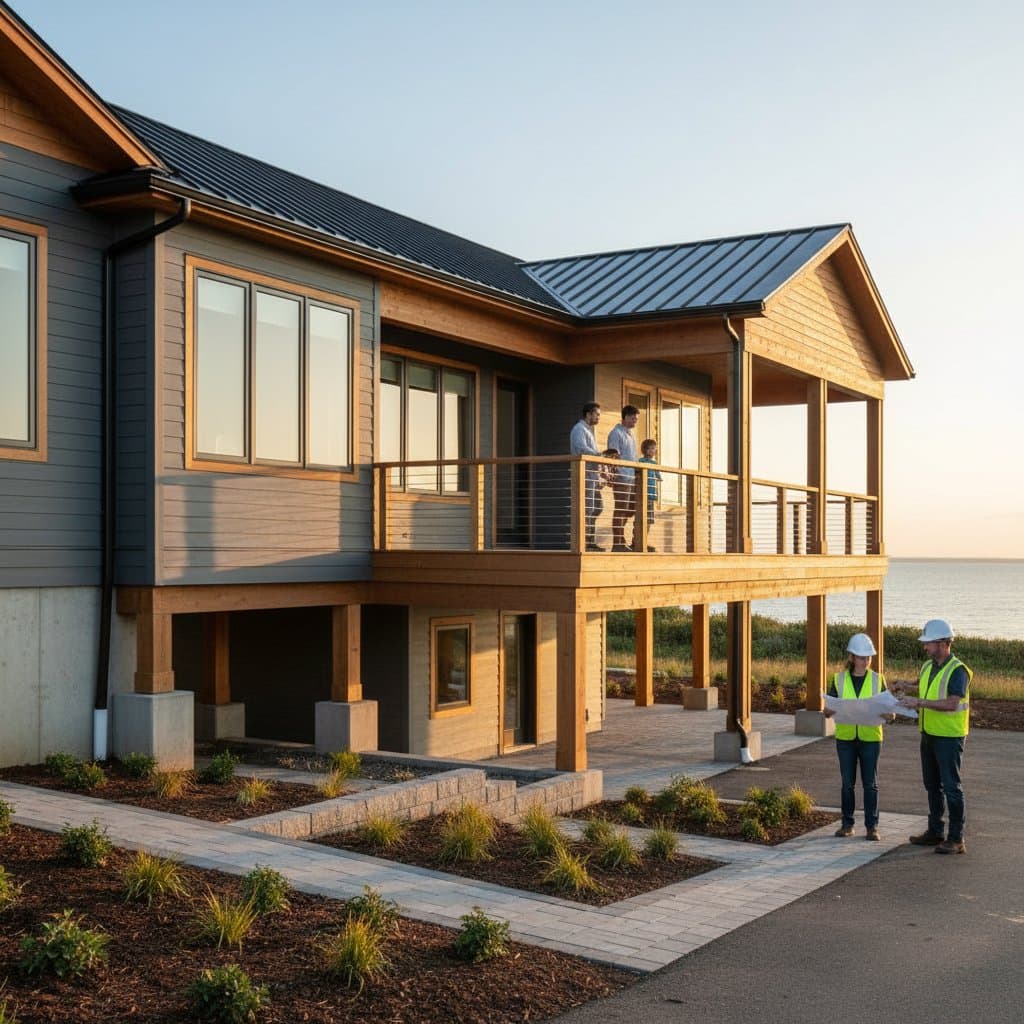
The 2026 building code revisions establish elevated standards for flood resistance by mandating raised foundations, enhanced drainage systems, and resilient building materials. Although initial implementation involves additional expenses, these measures significantly decrease future repair costs and insurance liabilities. Property owners, construction professionals, and regulatory officials should begin preparations immediately to comply with these rigorous requirements and protect communities from escalating flood dangers.
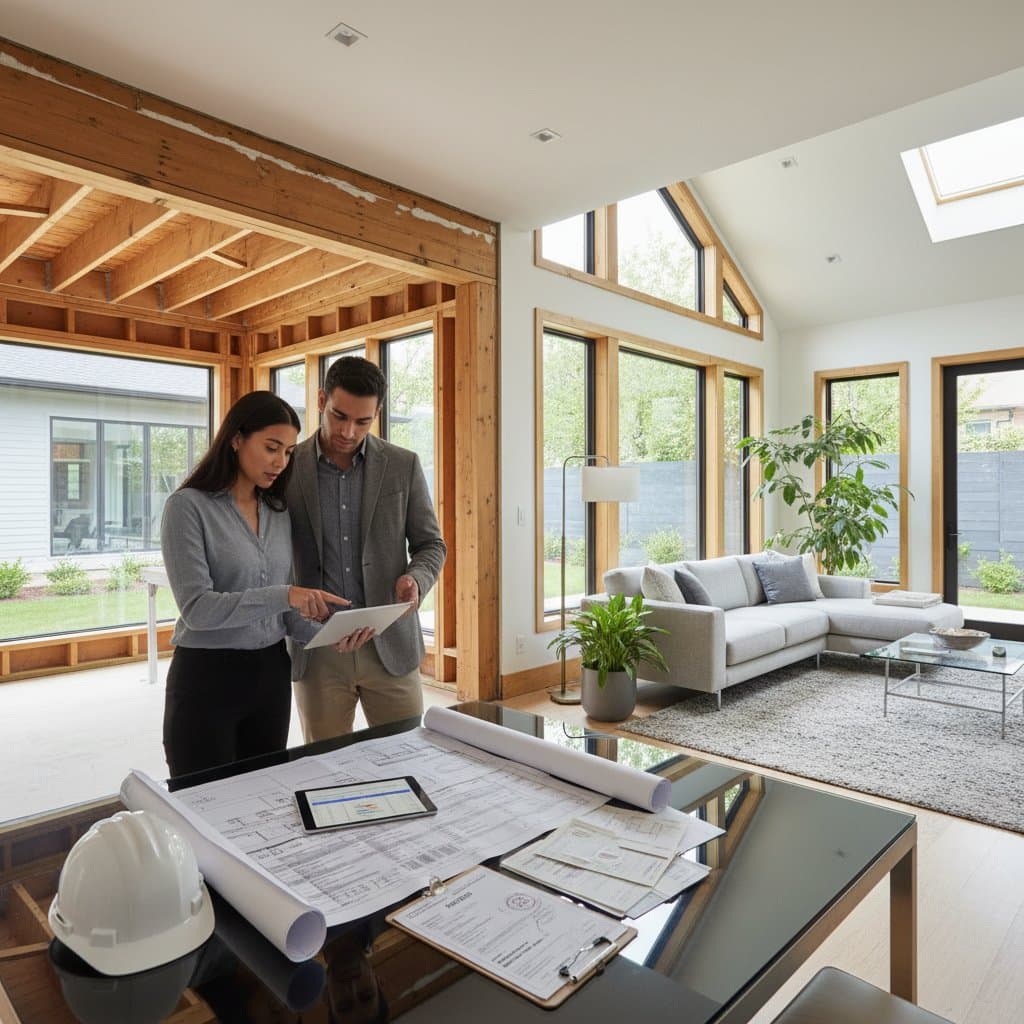
With 2026 nearing, home addition plans must account for escalating permit costs from rigorous reviews and fees. These can reach 10 percent of budgets via inspections and professionals. Master local rules and processes to sidestep delays and financial pitfalls.

Building permit fees will increase by 35% starting in 2026, significantly affecting home renovation plans across the country. Understand the reasons behind the hike, identify projects that demand permits, and discover efficient planning methods such as consolidated applications and digital submissions. Sidestep penalties, setbacks, and unexpected expenses through proven guidance to maintain momentum in your remodel.
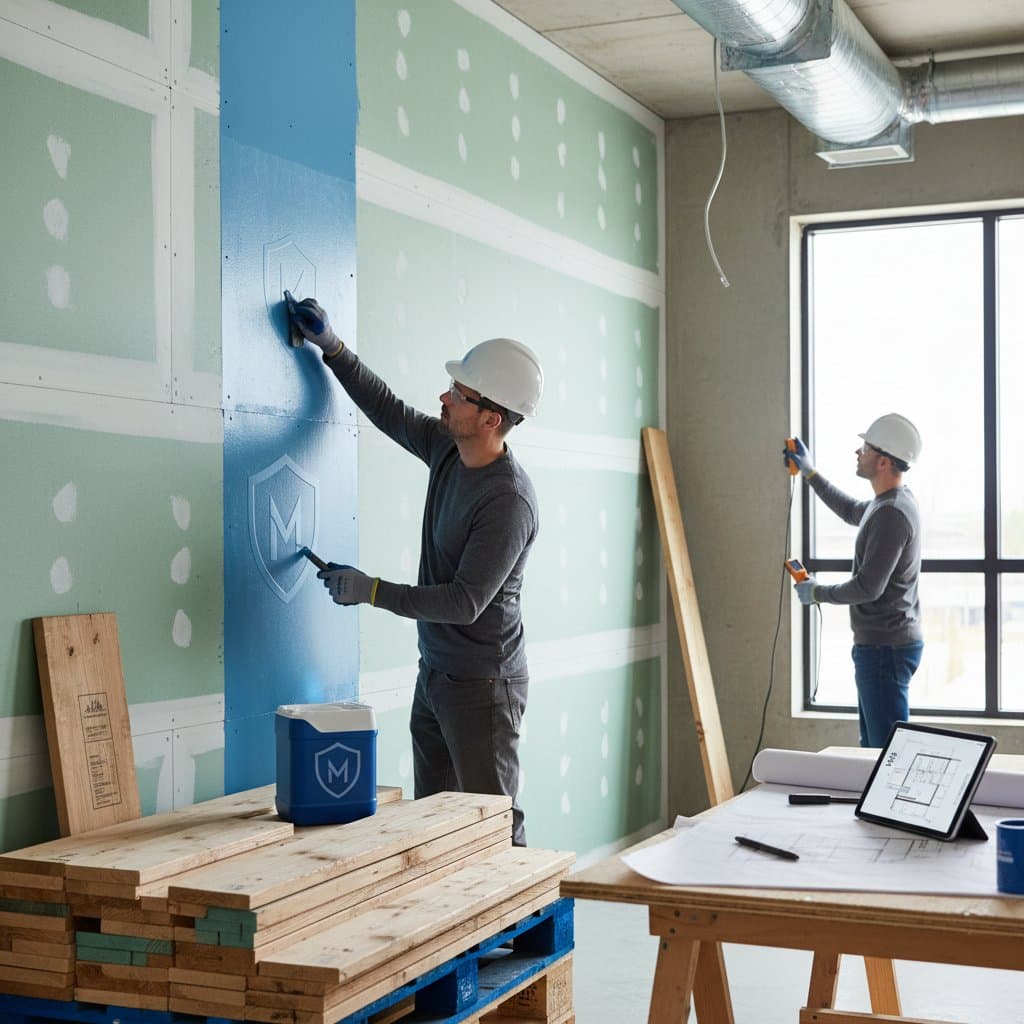
The 2025 building codes elevate mold prevention to a mandatory standard, enforcing precise moisture management, advanced materials, and thorough inspections. Builders encounter increased initial expenses yet achieve greater structural longevity, improved indoor air quality, and reduced future remediation needs. This guide details compliance strategies, cost management, and proactive building techniques to combat mold effectively.

Constructing an accessory dwelling unit in 2025 presents opportunities for enhanced property value and rental income, provided homeowners manage budgets meticulously, navigate regulations effectively, and oversee projects with precision. This analysis details cost breakdowns, design decisions, financing options, and return strategies to guide informed choices on whether an ADU aligns with financial and lifestyle objectives.

A projected 35% increase in building permit fees by 2025 will affect renovation budgets nationwide, fueled by higher administrative costs and code updates. Master valuation pricing, regional variations, and expert management techniques to prevent overruns, delays, and compliance issues in your projects.
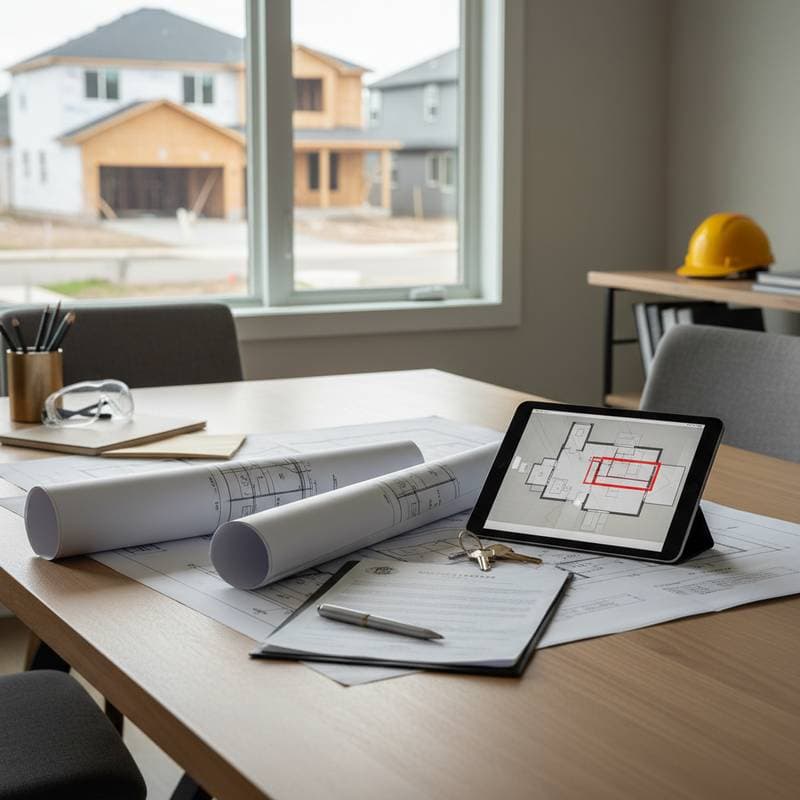
Permit applications for home projects have increased by 25 percent, with even minor renovations often requiring official approval. This comprehensive guide details costs, timelines, and frequent errors, emphasizing how adherence to regulations safeguards safety, enhances resale value, and preserves warranties. Identify which projects demand permits and discover methods to streamline the process while minimizing expenses.

Renovation permits in 2025 extend beyond basic fees, with hidden costs from reviews, inspections, delays, and upgrades potentially inflating budgets by 40%. Learn how these factors affect financing, timelines, and resale value to plan wisely and safeguard your investment.
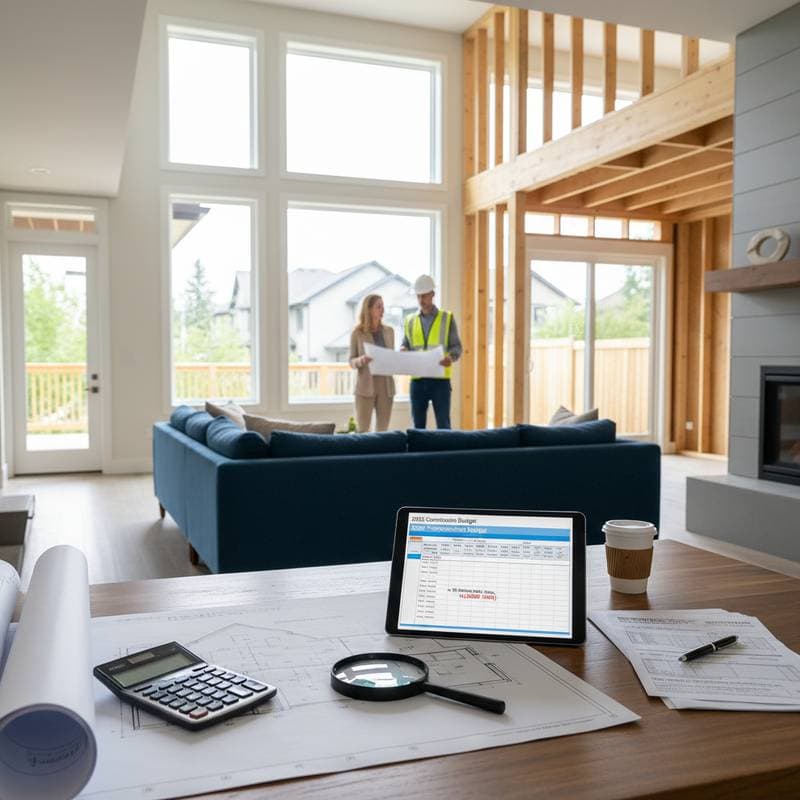
A 35 percent increase in permitting fees for 2025 home additions raises average costs to $2,000, adding $1,300 to budgets. Factors including staffing shortages, digital upgrades, and green mandates drive the change, hitting bigger projects hardest. Learn about location-based differences, process timelines, and expert strategies to plan efficiently and sidestep delays.