How Much Does a Granny Flat Cost? Complete Pricing Guide
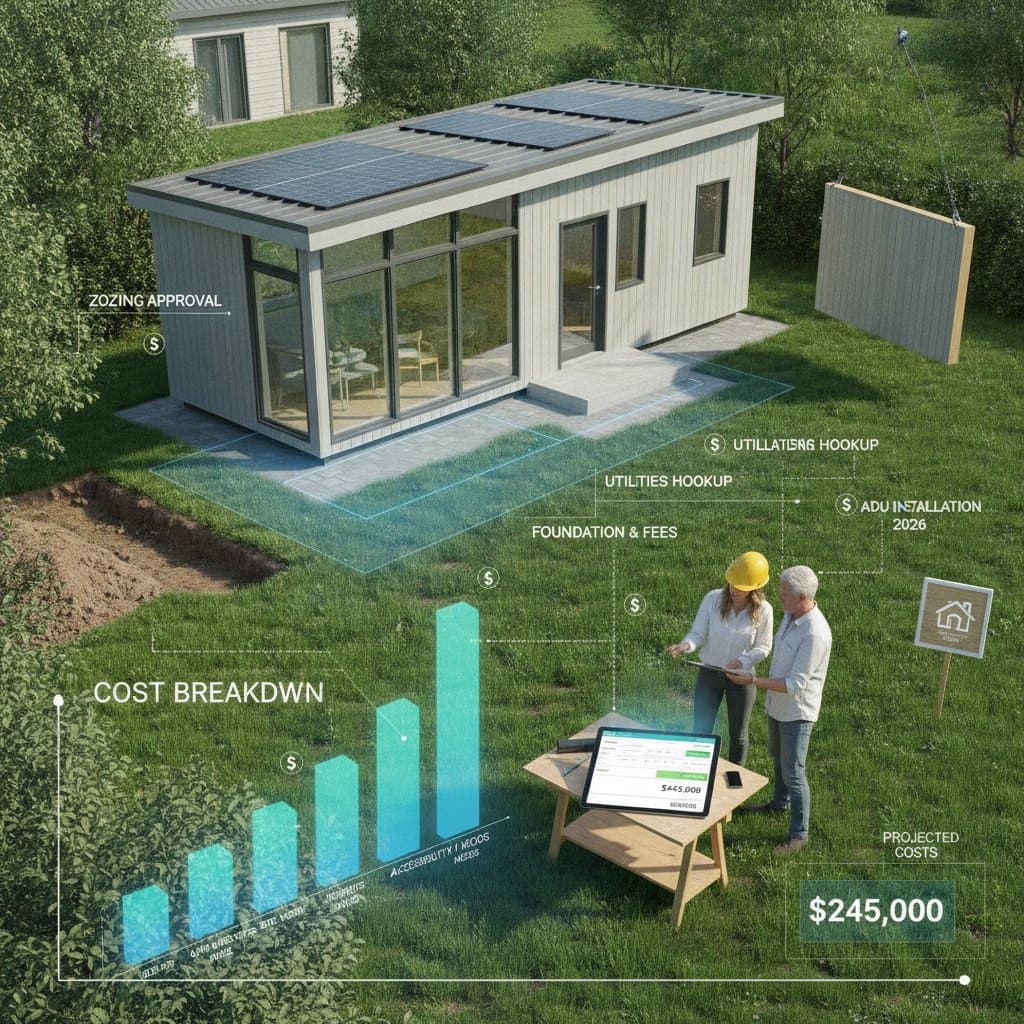
Granny flats convert unused yard space into versatile living quarters that enhance property worth and generate rental revenue. Construction by professionals generally falls between $90,000 and $250,000, with the typical detached unit priced at $160,000. This figure covers design consultations, permit acquisitions, utility integrations, and interior completions ready for occupancy.
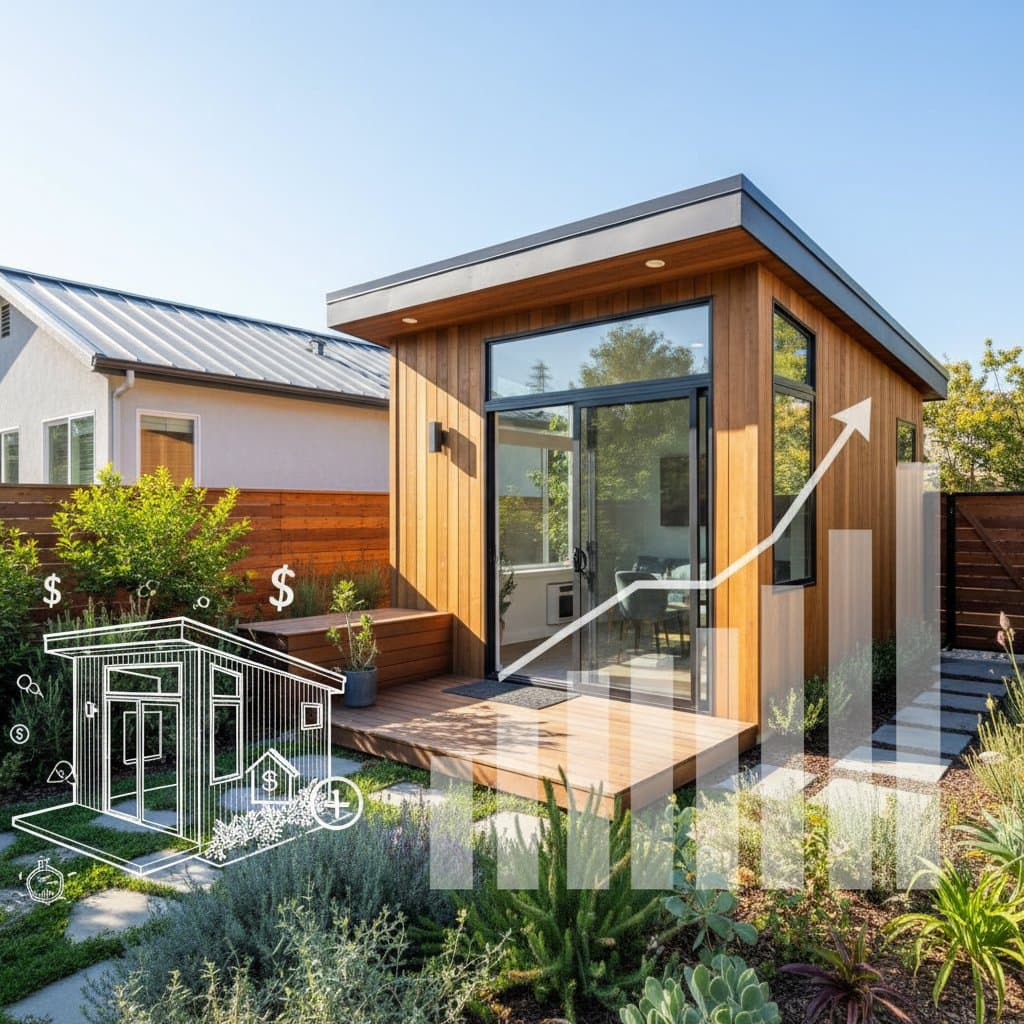
Key elements shaping the total expense include size and layout, material selections, and site characteristics. Expanded dimensions, superior finishes, or intricate setups can elevate costs by over 40 percent. Local labor costs and regulatory demands further influence the budget. Housing studies indicate that a thoughtfully executed accessory dwelling unit (ADU) elevates overall property value by as much as 30 percent. Property owners who collaborate with certified builders produce resilient structures that accommodate family needs and yield financial returns.
Detailed Cost Breakdown
Pricing for granny flats adheres to a square-footage basis. Across the nation, figures span $200 to $500 per square foot, varying with material choices and labor demands. Contractors frequently impose a base fee of about $85,000 for compact or connected units to account for planning, approvals, and essential connections.
Entry-level 400-square-foot setups average $95,000 at the lower quartile. Mid-range suburban projects, often 600 to 700 square feet, average $160,000. Upper-quartile luxury constructions surpass $230,000.
Size and Scope Factor
Each additional 100 square feet contributes $20,000 to $35,000 to the budget. A streamlined studio combining living and sleeping zones costs $90,000 to $120,000. A two-bedroom configuration with complete kitchen and bathroom facilities approaches $200,000 or higher. Industry standards from the National Association of Home Builders validate that framing and utility expenses rise proportionally with area.
Detached ADUs offer greater layout options yet demand independent utilities, incurring an extra $10,000 to $25,000 compared to attached variants. Forum discussions among homeowners highlight these trade-offs in design freedom versus setup expenses.
Material and Quality Tiers
Basic constructions employ vinyl siding, laminate surfaces, and standard cabinets, priced at $200 to $250 per square foot. Such builds endure 25 to 30 years under routine upkeep.
Intermediate selections feature fiber cement exteriors, quartz surfaces, and efficient windows from manufacturers like Andersen or Milgard. These range from $300 to $350 per square foot, incorporating superior insulation and a decade-long structural guarantee.
Luxury builds incorporate metal roofing, bespoke woodworking, and sophisticated climate control. Fixtures from Kohler and Bosch commonly appear. Costs reach $400 to $500 per square foot, offset by reduced energy use and extended lifespan that bolsters long-term returns.
Complexity Variables
Factors like accessibility, ground slope, and regulatory adherence can alter estimates substantially. Challenging terrain or restricted entry points increase foundation and earthwork by 10 to 20 percent. Upgrading legacy electrical or drainage systems adds $5,000 to $15,000. In coastal zones or dense cities, elevated labor and rigorous inspections drive higher premiums.
Permit processes differ by locale. Certain areas provide standardized ADU templates that minimize engineering costs, whereas others necessitate tailored designs. Engaging contractors adept at bureaucracy averts delays and trims administrative outlays by thousands.
Service Types and Comprehensive Pricing
Basic or Standard Package
Standard offerings encompass:
- Site evaluation and base preparation
- Structural framing, roof assembly, and outer cladding
- Essential water, power, and ventilation setups
- Routine kitchen and bathroom appliances
- Wall coatings and floor coverings
A 600-square-foot standard unit totals $140,000 to $170,000. Labor comprises 45 percent, spanning two to three months on site. This option fits owners pursuing functional rentals or guest accommodations absent extravagance.
Premium or Comprehensive Service
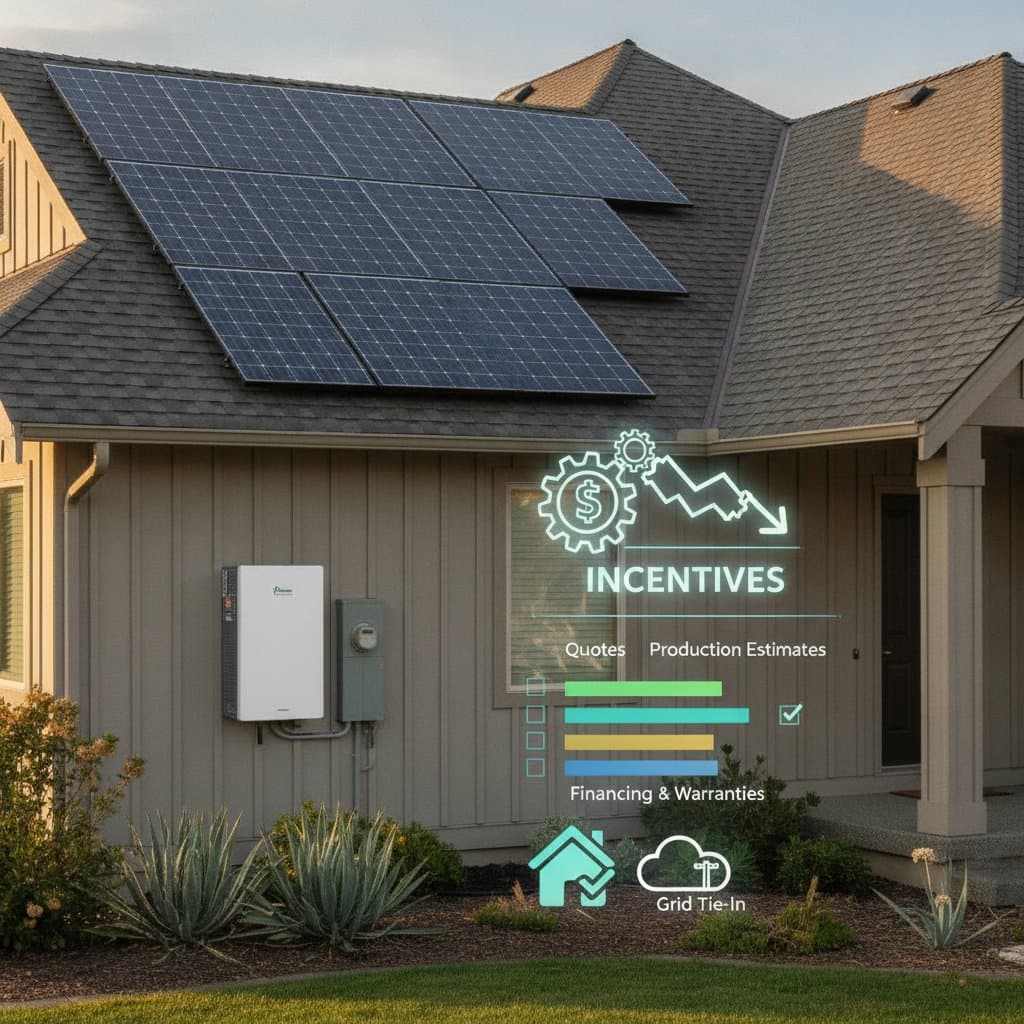
Advanced packages offer personalized designs, upscale materials, and yard enhancements. Integrations like solar arrays, automated controls, and prolonged assurances feature prominently. These elevate expenses by 25 to 40 percent, yielding $200,000 to $250,000 for equivalent sizes.
Such investments align with upscale areas where ADUs yield $1,500 to $3,000 in monthly rent. Recovery timelines span five to eight years, contingent on occupancy rates.
Add-on Services Matrix
| Add-On Service | Average Cost | Value Benefit |
|---|---|---|
| Solar installation | $8,000 - $15,000 | Cuts energy expenses by 30 percent |
| Custom decks or patios | $4,000 - $10,000 | Enhances occupant satisfaction |
| Landscaping and fencing | $3,000 - $8,000 | Elevates seclusion and visual appeal |
| Detached garage integration | $20,000 - $35,000 | Provides storage and market uplift |
Coordinating additions via a single provider slashes overall outlays by up to 10 percent via consolidated efforts.
Professional vs. DIY Analysis
DIY Cost Breakdown
Independent efforts for a 500-square-foot unit involve supplies like timber, shingles, panels, and pipes totaling $60,000 to $75,000. Equipment acquisitions such as fasteners, cutters, and platforms add $2,000 to $5,000 outright or $800 to $1,200 leased.
Effort demands 800 to 1,200 hours, spanning months of dedicated work. Skill acquisition, code studies, and oversight coordination introduce unforeseen costs, elevating true DIY figures to nearly $100,000.
Professional Advantages
Certified teams finish projects in half the duration while upholding quality standards. Liability protections and performance pledges deliver $10,000 to $20,000 in safeguarded worth. Specialized tools and supplier negotiations mitigate premium charges.
Comparisons reveal professionals exceed DIY by 20 to 30 percent initially, yet eliminate corrections and violation penalties that undermine self-built economies.
Decision Framework
Opt for experts on ventures requiring fresh bases, diverse connections, or income validation. Self-building fits minor room adaptations below 300 square feet with limited alterations. Evaluate time worth, hazard mitigation, and future sale potential in your choice.
Actionable Cost-Saving Strategies
Timing Optimization
Contractors note off-peak scheduling in cooler or wet periods lowers workforce fees by 5 to 10 percent. Weekday initiations facilitate subcontractor slots.
Smart Shopping Tactics
Solicit three detailed proposals from regional ADU experts. Bid reviews uncover discrepancies up to 15 percent. Bargain for phased payments or client-sourced elements to trim totals. Direct procurement from area vendors saves another 5 percent.
Preparation Actions
Remove overgrowth, obtain clearances ahead, and ensure unobstructed access to shorten labor by a day. Handling preliminary clearances or site grooming conserves $1,000 to $3,000 pre-build.
Market Insights and ROI Enhancement
Housing trends show ADUs gaining traction amid affordability pressures, with urban and suburban demand surging. Values appreciate most in regions with lenient zoning, where units rent swiftly and add premium to sales. Monitor local ordinances, as streamlined approvals accelerate timelines and curb fees.
To optimize returns, prioritize energy-efficient designs that qualify for incentives, potentially recouping 10 to 15 percent through rebates. Select layouts matching neighborhood demographics, such as one-bedroom units for young professionals or accessible features for seniors. Track comparable sales data to confirm 25 to 30 percent uplifts, ensuring your ADU aligns with market preferences for maximum equity growth.