Why Solar Panels Require Specialized Warranty Coverage
Solar panels stand as a major investment for homeowners seeking sustainable energy solutions. These systems differ from typical home appliances like water heaters or HVAC units because they integrate advanced electrical components with extended performance expectations. Homeowners must examine warranty details thoroughly, including coverage scope, exclusions, and financial impacts, to secure the full value of their investment.
Components of Solar Warranties
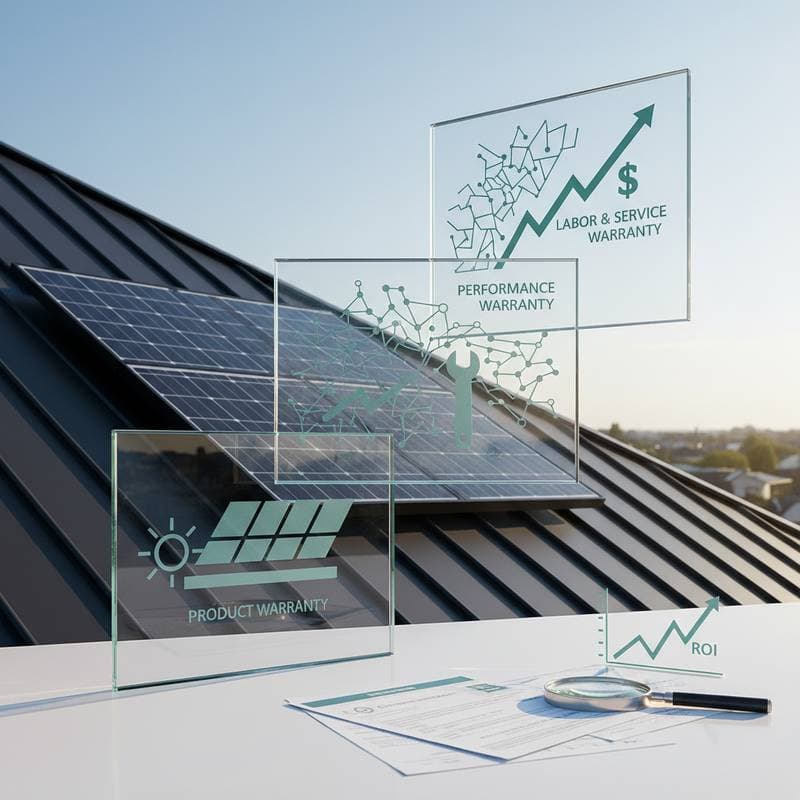
Solar warranties consist of multiple agreements tailored to specific system elements. Homeowners typically encounter three primary types of protection:
- Product warranty: Addresses manufacturing defects and early component failures.
- Performance warranty: Ensures the panels deliver a defined output level over time.
- Workmanship warranty: Provided by the installer, it covers labor and installation errors.
These components operate separately, often requiring coordination among different parties for claims. For instance, reduced power output might trigger the manufacturer's performance warranty, whereas a loose connection falls under the installer's workmanship guarantee. This division demands careful review to identify responsibilities clearly.
Ownership Costs and Warranty Expenses
Warranties influence the total cost of owning a solar system. Basic coverage often comes included with the purchase, but enhanced options add ongoing fees. The following table summarizes common coverage tiers and their financial aspects.
| Coverage Level | Monthly Cost | Service Fee | Coverage Limits | Key Exclusions |
|---|---|---|---|---|
| Basic Plan | $0 (included) | $75 to $100 | Limited to original parts | Labor beyond basic repair, accidental damage |
| Extended Plan | $10 to $25 | $50 to $75 | Up to full replacement | Neglect, roof leaks, unauthorized modifications |
| Premium Maintenance Plan | $30 to $45 | $0 to $50 | Comprehensive system coverage | Acts of nature, structural damage |
Such costs contribute to the broader financial picture, alongside energy production benefits and upkeep needs. Homeowners calculating payback periods should incorporate these fees, along with risks of degradation or unforeseen repairs.
Navigating the Warranty Claim Process
Claims for solar warranties proceed through defined stages, each with specific requirements. Familiarity with this process enables homeowners to handle issues efficiently and minimize disruptions.
- Initial contact: Report the problem to the installer or manufacturer, supplying photos or monitoring data.
- Assessment phase: Technicians or diagnostic tools evaluate the issue against warranty criteria.
- Approval process: Providers verify eligibility using maintenance logs and installation records.
- Service delivery: Approved claims lead to scheduled repairs or replacements, subject to part and labor availability.
- Follow-up requirements: Certain warranties mandate inspections after service to preserve ongoing coverage.
By following these steps, homeowners reduce the likelihood of rejections and expedite resolutions.
Frequent Exclusions and Claim Rejections
Warranty denials often stem from overlooked exclusions present in the original agreement. Providers frequently reject claims involving environmental damage, neglect, or alterations. Typical scenarios include:
- Panels not cleaned according to the provided maintenance schedule.
- Changes to wiring or inverter setup without approval.
- Installation of unauthorized monitoring equipment.
- Damage from wildlife or falling objects.
- Overheating due to poor attic airflow.
Roof-related issues pose additional challenges. Warranties may demand evidence of pre-installation roof integrity, attributing subsequent leaks to homeowner responsibility rather than system faults. Detailed documentation and adherence to terms prove essential in these cases.
Impacts on Long-Term Finances
Solar panels aim for 25 years or more of service, yet warranties include provisions for natural wear. Performance warranties guarantee retention of output, such as 90 percent after 10 years, but allow for progressive decline. Claims activate only if output falls below these benchmarks.
Homeowners bear costs for subtle performance drops that erode savings. When assessing ownership expenses, consider the variance between promised and actual production, which affects bill reductions and system lifespan.
Assessing Warranty Strength
Warranties vary in robustness across providers. Evaluate them based on these factors:
- Provider stability: Larger entities offer greater assurance of long-term fulfillment.
- Transferability: Confirm if coverage transfers to new owners upon sale.
- Service network: Assess availability of certified technicians in your area.
- Claim response time: Shorter timelines limit production losses.
- Aggregate limits: Review caps on lifetime reimbursements.
This analysis uncovers hidden weaknesses, ensuring alignment with financial goals.
Key Clauses in Warranty Agreements
Detailed terms often hide critical conditions. Focus on:
- Maintenance obligations: Requirements for documented annual checks.
- Geographic restrictions: Limitations based on local weather patterns.
- Depreciation provisions: Adjustments to compensation as systems age.
- Third-party installation clauses: Invalidations from uncertified work.
Scrutinize these elements to avoid surprises.
Securing Maximum System Value
Reliable warranties enhance the benefits of solar adoption, from cost savings to reduced emissions. Integrate warranty review into the selection process by comparing terms, confirming provider reliability, and mastering claim protocols. This approach protects performance and investment returns over the system's duration.