Outdoor Kitchen Costs: A $4,000 to $30,000 Budget Guide
Quick Overview
- A complete outdoor kitchen typically ranges from $4,000 to $30,000, influenced by size, materials, and utility connections.
- Elements such as built-in appliances, gas lines, and premium stone surfaces increase expenses.
- Opt for prefabricated islands or modular components to potentially halve the total cost.
- Prioritize utility and drainage planning prior to any construction.
Defining an Outdoor Kitchen
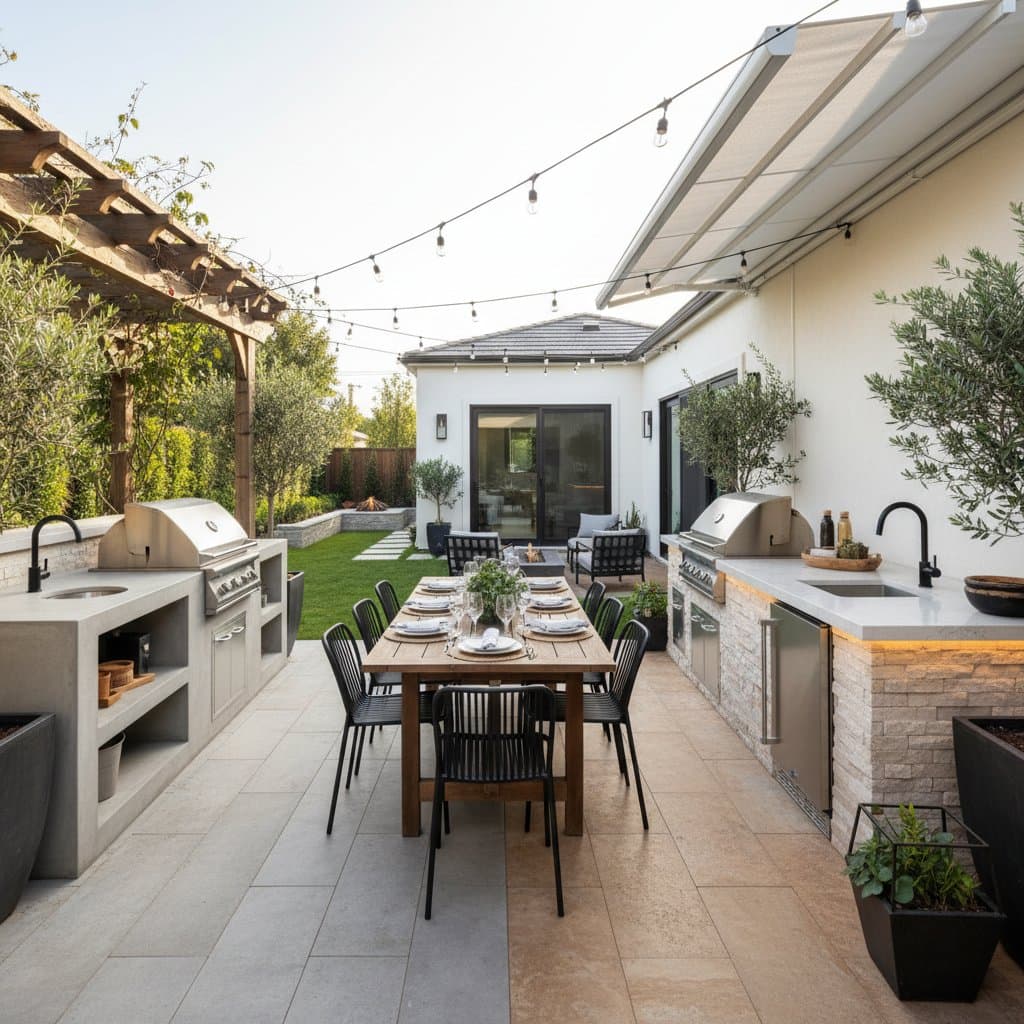
An outdoor kitchen serves as an external cooking and dining area adjacent to your home. Configurations range from a basic grill station with a preparation counter to a comprehensive setup including plumbing, electricity, and storage solutions. The primary purpose involves preparing, serving, and enjoying meals outdoors, minimizing the need to return indoors for essentials.
Advantages and Disadvantages
Advantages
- Extends usable living and dining spaces beyond the interior.
- Enhances property resale value through durable materials and compliant installations.
- Prevents indoor heat buildup and odor transfer from cooking activities.
- Promotes extended family and guest interactions in outdoor environments.
Disadvantages
- Involves greater initial investment compared to simple patio grilling setups.
- Demands weather-resistant materials alongside regular upkeep.
- Requires meticulous planning for gas, electrical, and drainage safety.
- Often necessitates permits and official inspections.
Ideal Applications and Potential Pitfalls
Suitable Scenarios
- Frequent hosting requires a fixed, reliable installation.
- Residence in temperate or arid regions supports year-round use.
- Ample yard area accommodates distinct cooking and seating zones.
Common Shortcomings
- Inadequate drainage or uneven terrain leads to water accumulation around the build.
- Bypassing permits or insufficient fire separation from the home creates hazards.
- Selection of non-weatherproof materials results in premature deterioration.
Step-by-Step Construction Guide
Essential Tools and Materials
- Tape measure, level, masonry saw, trowel
- Paver base, concrete mix, stone veneer, stainless steel fasteners
- Outdoor-rated GFCI outlets, flexible gas line kits, shutoff valves
- Personal protective equipment: gloves, eye protection, dust mask
Estimated Time: 3 to 10 days, varying by scale and conditions
Skill Level: Moderate to advanced
1. Design the Layout
Select a U-shaped, L-shaped, or linear configuration. Maintain a minimum 3-foot separation between cooking and seating areas. Outline the area using stakes and string. Verify proximity to gas, electrical, and water sources before committing to the plan.
2. Prepare the Foundation
Ensure the ground remains level. Install a concrete slab or 4-inch-thick compacted paver base. Verify a 1-inch slope per 10 feet directing water away from the home for proper drainage.
3. Construct the Framework
Employ concrete blocks, welded steel frames, or treated wood suitable for exterior conditions. Confirm right angles and level planes. Incorporate spaces for appliances and access panels.
4. Install Utilities
Route conduits and gas lines prior to enclosing the structure. Utilize outdoor-rated wiring paired with GFCI outlets. Incorporate shutoff valves and regulators for gas systems. Arrange for code-required inspections and perform leak tests before final connections.
5. Apply Surfaces and Finishes
Select granite, concrete, or porcelain slabs designed for exterior durability. Seal all porous materials thoroughly. Affix stone veneer or stucco to foundational elements. Refrain from using interior-grade drywall or unsealed plywood.
6. Integrate Appliances
Mount built-in grills, sinks, and refrigerators according to manufacturer guidelines. Provide ventilation gaps beneath grills. Inspect all connections for security and absence of leaks.
7. Perform Testing and Inspection
Activate water, electricity, and gas supplies. Monitor for leaks, electrical faults, or gas emissions. Verify functionality of burners and outlets. Ensure all surfaces align level and receive proper sealing.
8. Final Cleanup
Remove construction debris and excess concrete via approved disposal methods. Clean surfaces and apply manufacturer-recommended protective sealants.
Cost Analysis
Standard Range: $4,000 to $30,000
Cost Escalators
- Bespoke stonework, tiling, or stucco applications
- Integrated grills featuring side burners or smokers
- Trenching for gas, water, or electrical extensions
- Overhead pergolas or roofing structures
- Insulation measures for cold-weather resilience
Cost Reducers
- Prefabricated modular kitchen assemblies
- Compact designs focused on primary cooking areas
- Utilization of pre-existing patio foundations
- Propane tanks as alternatives to natural gas lines
Rebuild Versus Repair
Replace rather than repair if cabinets exhibit rot, counters show cracks, or gas lines display corrosion. Early full replacement mitigates safety concerns and prevents escalation of issues.
DIY Versus Professional Installation
Viable for DIY When
- Experience includes basic masonry, framing, and appliance integration.
- Prefabricated or modular kits provide detailed assembly instructions.
- Site offers level terrain and necessary tools.
Recommend Professionals For
- Installation of new gas, water, or electrical infrastructure.
- Builds adjacent to the home or beneath coverings.
- Projects subject to stringent local code requirements.
Professional Distinctions
Contractors accurately dimension utilities, secure permits, and execute precise stonework with waterproofing. They ensure compliance with ventilation and clearance standards while providing warranties against defects like leaks or structural shifts.
Upkeep and Preventive Measures
Routine Schedule: Seasonal evaluations
Key Activities
- Clean grease traps and grill burners on a monthly basis.
- Reseal stone and concrete surfaces annually.
- Inspect GFCI outlets and gas connections biannually.
- Drain water lines ahead of freezing temperatures.
- Store removable cushions and fabrics indoors during off-seasons.
Benefits
Regular maintenance prolongs material and appliance longevity, minimizes corrosion, and averts expensive utility failures.
Alternative Options
Prefabricated Islands
Ideal for constrained budgets or temporary setups in rentals. These arrive as assembled modules for straightforward connections. Pricing averages $2,000 to $6,000, though layout options remain limited for quick deployment.
Modular Frame Systems
Suited to moderate investments. Assemble pre-fabricated frames, then customize with counters and finishes. Costs span $4,000 to $12,000, offering scalability for future additions.
Custom Masonry Builds
Optimal for luxury residences or seamless patio mergers. Expenses reach $15,000 to $30,000 or higher. Provides complete personalization but demands expert engineering and utility integration.
Frequently Asked Questions
What Minimum Space Is Required?
Allocate at least 10 by 10 feet for core cooking and preparation functions. Expand for integrated seating or bar features.
Are Permits Necessary?
Required for gas, water, or electrical integrations, or when structures surpass local height or fire regulations. Consult your municipal building authority.
Which Materials Offer Superior Outdoor Durability?
Stainless steel, sealed natural stone, porcelain tiles, and freeze-thaw resistant concrete perform best. Steer clear of interior plywood or laminates.
Is It Permissible to Repurpose Indoor Appliances?
Negative. Such units lack essential weatherproofing, risking electrical shorts or rapid corrosion. Select exclusively outdoor-rated models.
How Can Pests Be Deterred?
Secure cabinet openings with stainless steel mesh. Store food in sealed containers. Clean surfaces promptly after use.
What Ventilation Standards Apply?
Incorporate vented panels below and behind built-in grills to disperse gases and mitigate heat accumulation.
Is Deck Installation Feasible?
Affirmative, provided the deck supports added weight and employs fire-resistant materials. Assess load-bearing capacity and adhere to fire safety codes.
Pre-Construction Checklist
- Measure the site and delineate a compliant layout
- Assess availability of gas, water, and electrical access
- Select exclusively outdoor-rated materials
- Review local regulations and permit obligations
- Establish a feasible budget spectrum
- Evaluate prefabricated, modular, and bespoke alternatives
- Design for effective drainage and grading
- Arrange professional oversight for gas and electrical tasks
- Commit to routine sealing and burner maintenance
Essential Budget Strategies
1. Prioritize Infrastructure Over Aesthetics
Allocate funds initially to foundational elements and utilities. A sturdy stone base paired with a standard grill outperforms ornate tiles on unstable supports. Aesthetic enhancements can follow as resources permit.
2. Combine Material Choices Strategically
Blend granite accents with concrete bases or substitute porcelain tiles for solid stone slabs. Weather-resistant composite cabinetry reduces overall expenditure without compromising durability.
3. Minimize Utility Runs
Extended distances for gas or water lines inflate costs significantly. Position the kitchen within 10 feet of existing home connections to limit trenching expenses.
4. Eliminate Non-Essential Features
Forgo specialized items like built-in smokers, beverage dispensers, or wood-fired ovens unless frequently utilized. Concentrate on essential components: a primary grill, ample counters, and a compact sink.
5. Integrate Shade Structures from the Outset
Retrofitting pergolas post-build proves more expensive. Incorporate support posts or roofing frameworks during initial planning to maintain design cohesion.
6. Embrace Modular Designs for Scalability
Modular systems facilitate phased expansions aligned with financial capacity. Begin with a core grill station and incorporate additional counters or storage incrementally.
7. Account for Overlooked Expenses
Factor in delivery, trenching, and permitting fees, which may add 10 to 20 percent to totals. Request comprehensive quotes prior to agreements.
8. Source Locally for Efficiency
Regional stones and fabricators often prove more economical and climate-appropriate. Area contractors possess insights into specific codes and environmental challenges.
Realizing Your Outdoor Kitchen Vision
Transform your yard into a versatile extension of home life through thoughtful outdoor kitchen development. Initiate with precise planning, budget alignment, and secure utility provisions. Identify core requirements, then procure materials suited to your aesthetic preferences and regional conditions. Sustain the installation via consistent cleaning, sealing, and protective coverings to ensure enduring performance.