Are Hurricane Windows Worth the Investment? Weighing Protection Against Cost
Quick Summary
Average Cost: $9,000 to $18,000 for a full home replacement
Time to Install: 3 to 7 days for an average-sized house
Difficulty: Moderate to high skill level required
Key Risks: Improper sealing leading to leaks, building code violations, inaccurate fitting, or substandard glass quality
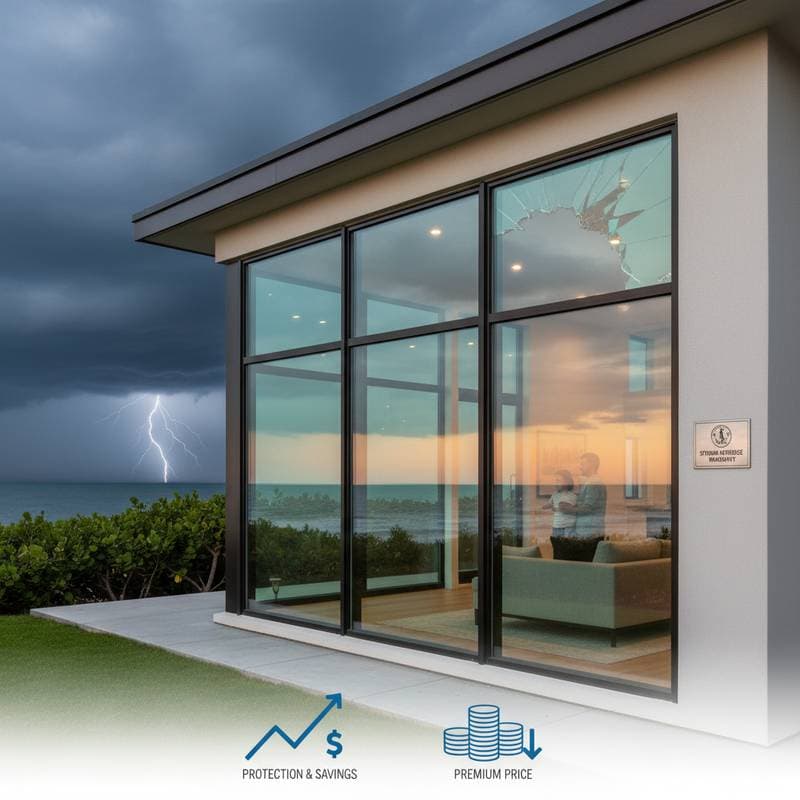
Hurricane windows provide robust defense against severe weather, along with benefits like reduced noise and energy costs. However, their elevated price demands careful evaluation. This guide assists in assessing whether these windows align with your home, financial situation, and local conditions.
Key Decisions Before Purchasing
Before selecting hurricane windows, consider these essential factors to ensure a suitable and compliant installation.
- Wind Zone Rating: Review local building codes to identify the required design pressure ratings. Select windows certified to meet or exceed these standards.
- Frame Material: Evaluate options such as aluminum for durability in harsh environments, vinyl for affordability and insulation, or fiberglass for strength and low maintenance.
- Glass Type: Opt for laminated glass for basic impact resistance, insulated-laminated for thermal performance, or low-E coated versions to minimize heat transfer based on your regional climate.
- Aesthetics: Choose window styles and finishes that complement your home's architectural features, such as casement, double-hung, or picture windows.
- Installation Method: Decide between full-frame replacement for comprehensive upgrades or retrofit inserts to preserve existing structures and reduce costs.
- Warranty Coverage: Verify that the warranty encompasses both the glass and frame components, including protection against defects and environmental damage.
- Insurance Discounts: Contact your insurance provider to confirm potential premium reductions, which can range from 5% to 20% for homes equipped with certified impact windows.
Pros and Cons of Hurricane Windows
Pros
- Shields against flying debris and extreme pressure changes during storms
- Qualifies for substantial insurance premium discounts in high-risk areas
- Blocks external noise for a more peaceful indoor environment
- Enhances energy efficiency by reducing heat loss and gain, leading to lower utility bills
- Increases property resale value and appeals to safety-conscious buyers
- Strengthens overall home security by resisting forced entry attempts
Cons
- Substantial initial expense compared to standard windows
- Extended lead times, often 4 to 10 weeks, due to custom fabrication
- Demands precise installation, including permits and professional expertise
- Certain designs may reduce operable ventilation space
- Replacement or repair of damaged glass incurs high costs
Timeline and Order of Operations
Installing hurricane windows follows a structured sequence to ensure safety and compliance. Plan accordingly to minimize disruptions.
- Assessment: Inspect the condition of existing frames and confirm adherence to local building codes. Engage a certified professional for this evaluation.
- Measurement: Take precise measurements of each opening. Manufacturers typically require these to produce custom-fitted units, with lead times of 4 to 10 weeks.
- Removal: Carefully extract old windows to prevent damage to surrounding stucco, siding, or trim. Dispose of debris responsibly.
- Preparation and Sealing: Clean openings thoroughly, insert shims for level alignment, and apply sealants to prevent water infiltration.
- Installation: Secure new windows with appropriate anchor screws and apply additional sealing around perimeters.
- Inspection: Schedule a review by local authorities to validate compliance with wind load and safety ratings.
For a standard home, the installation phase spans 3 to 7 days. Factor in extra time for any necessary repairs to plaster, stucco, or paint.
Materials and Tools Checklist
Prepare all items in advance to maintain efficiency and avoid exposing interiors to the elements.
Materials
- Impact-rated windows custom-sized for each opening
- Butyl or polyurethane sealant for weatherproofing
- Stainless steel or corrosion-resistant coated anchor screws
- Flashing tape or self-adhering membrane for moisture barriers
- Backer rod to fill larger gaps before sealing
- Exterior caulk in a color matching your home's siding
Tools
- Accurate tape measure for precise dimensions
- Level and framing square to ensure plumb installation
- Pry bar and hammer for safe window removal
- Drill equipped with masonry bits for concrete or brick substrates
- Comprehensive screwdriver set for various fastener types
- Utility knife for cutting seals and trim
- Caulk gun for even application
- Shims and suction cups for handling and positioning
Stock these materials before beginning removal to complete the project without delays.
Regional and Climate Considerations
Tailor your selection to local environmental challenges for optimal performance and longevity.
- Coastal Zones: Prioritize frames made of aluminum or fiberglass with corrosion-resistant hardware. Implement routine rinsing to remove salt buildup.
- Inland Areas: Vinyl frames offer cost savings and superior insulation without the need for anti-corrosion measures.
- Hot Climates: Incorporate low-E glass coatings to block solar heat gain and maintain cooler interiors.
- Cold Climates: Select insulated laminated glass to preserve indoor warmth and reduce heating demands.
- Historic Districts: Consult preservation guidelines. Many permit impact glass provided the exterior profiles and trim remain unchanged.
Common Myths Debunked
Address misconceptions to make informed choices about hurricane windows.
Myth 1: Plywood Provides Equivalent Protection. While plywood serves as a temporary barrier, it requires installation prior to each storm and demands considerable effort. Hurricane windows offer continuous, hassle-free safeguarding.
Myth 2: They Compromise Home Aesthetics. Contemporary designs feature slender profiles and diverse finishes, allowing seamless integration with traditional or modern architecture.
Myth 3: Only Coastal Properties Require Them. Inland regions face risks from high winds, tornadoes, and flying debris. These windows enhance safety and efficiency regardless of location.
Warranty and Longevity Considerations
Reputable manufacturers provide warranties ranging from 10 to 20 years on glass integrity and 5 to 10 years on hardware functionality. Professional installation often serves as a prerequisite for full coverage, with some policies transferable upon home sale.
Examine contract details closely:
- Coverage for labor costs versus materials only
- Exclusions for coastal corrosion without documented maintenance
- Provisions for glass breakage due to impacts versus manufacturing defects like delamination
Retain copies of installation permits and inspection reports. These records support warranty claims and demonstrate code compliance.
When Hurricane Windows Might Not Be Worth It
Certain scenarios suggest alternatives to full installation.
- Residences outside designated high-wind zones equipped with reliable storm shutters
- Properties scheduled for extensive exterior renovations in the near future
- Homes where owners anticipate selling soon, limiting cost recovery
- Structures with deteriorated frames necessitating prior structural fixes
In such situations, consider budget-friendly options like removable storm panels or secondary glazing films for adequate protection until a comprehensive upgrade becomes feasible.
Steps to Proceed with Confidence
Balance the advantages of enhanced protection and tranquility against financial outlay and potential returns. Obtain detailed quotes from at least three licensed installers experienced in impact-rated systems. Require each to confirm local code alignment and provide documentation of wind load certification testing.