Understanding Xeriscaping
Xeriscaping represents a landscaping approach designed for water conservation, originating from the Greek word xeros, meaning dry. This method employs drought-resistant plants, efficient watering systems, and thoughtful design to create attractive outdoor spaces that demand less water than traditional lawns. Homeowners in arid regions or those facing water restrictions find xeriscaping particularly valuable, as it balances aesthetics with environmental responsibility.
The core principles include grouping plants by water needs, mulching to retain soil moisture, and minimizing turf areas. By implementing these strategies, individuals can achieve lush appearances without excessive irrigation. This practice not only addresses practical concerns but also contributes to broader sustainability efforts.
Key Benefits of Xeriscaping
One primary advantage lies in substantial water savings, often reducing usage by up to 50 percent compared to conventional yards. Lower water consumption directly translates to decreased utility bills, providing long-term financial relief. In regions with rising water costs, these savings accumulate quickly.
Maintenance requirements drop significantly, freeing time and resources previously spent on mowing, fertilizing, and weeding. Drought-tolerant selections require infrequent pruning and pest management, allowing landscapes to thrive with basic care. Additionally, xeriscapes enhance biodiversity by supporting native species that attract pollinators and wildlife.
Curb appeal remains intact or even improves through creative arrangements of textures, colors, and heights. Well-designed xeriscapes offer year-round interest, from vibrant spring blooms to enduring fall foliage. Property values may increase due to the modern, eco-friendly appeal that appeals to environmentally conscious buyers.
Planning Your Xeriscape Design
Assess your yard's conditions before starting, including sunlight exposure, soil type, and climate zone. Measure the space and note existing features like slopes or structures that influence water flow. Sketch a layout that divides the area into zones based on water requirements, placing thirstier plants near the house for easier access to hoses if needed.
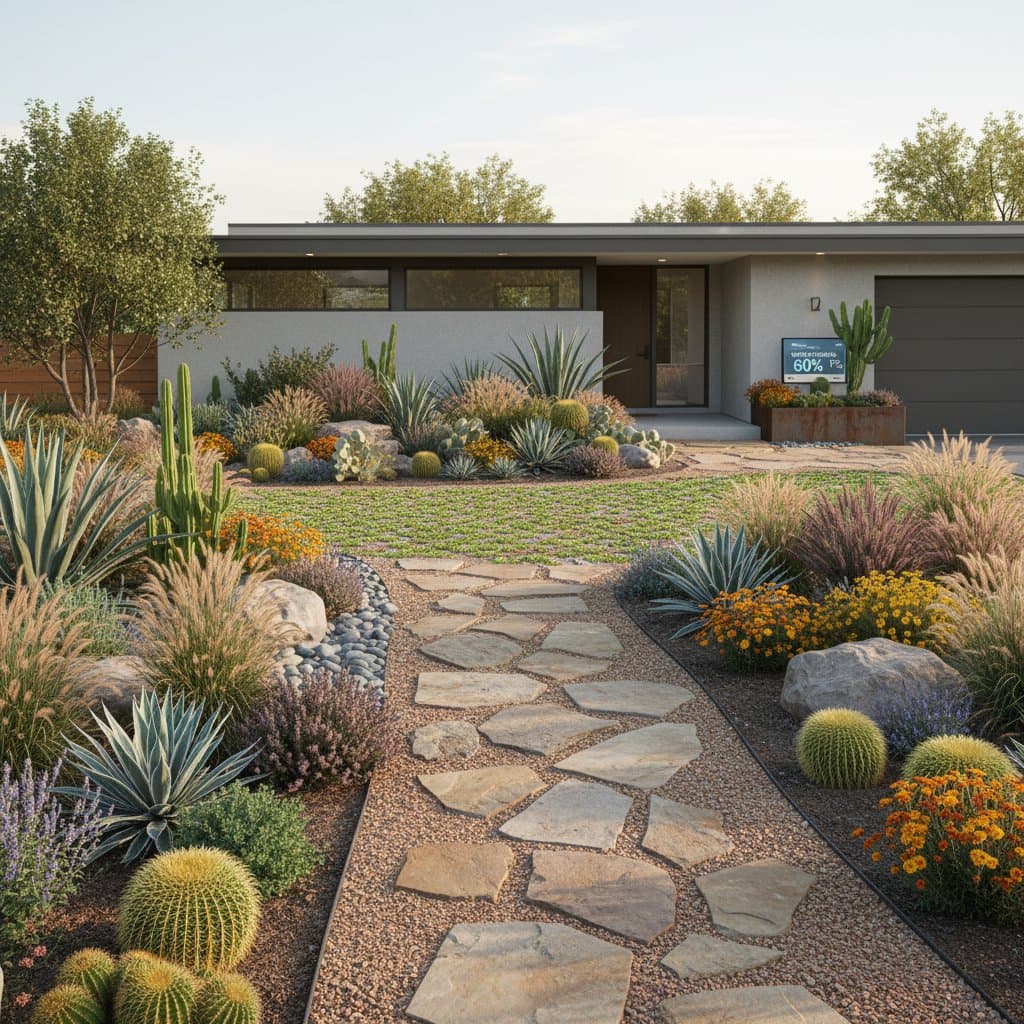
Incorporate hardscape elements such as gravel paths, boulders, or decorative rocks to reduce planted areas and add visual structure. Consider focal points like a central tree or sculpture to draw the eye and create depth. Consult local guidelines on water-wise landscaping to ensure compliance and access potential rebates.
Budget wisely by prioritizing high-impact changes, such as replacing turf with ground covers. Estimate costs for plants, mulch, and tools, aiming for phased implementation if funds are limited. This structured planning ensures a cohesive design that aligns with your lifestyle and yard's unique characteristics.
Selecting Drought-Tolerant Plants
Choose native or adapted species that suit your region's rainfall patterns and temperature extremes. Succulents like agave and sedum provide bold forms and store water in their leaves, requiring minimal supplemental watering once established. Ornamental grasses such as blue fescue offer movement and texture with deep roots that access groundwater.
For color, opt for perennials including lavender, salvia, and yarrow, which bloom profusely in dry conditions and return annually. Shrubs like manzanita or rosemary add height and evergreen structure, serving dual purposes as hedges or accents. Trees such as oaks or pines provide shade and windbreaks while supporting the ecosystem.
Group plants with similar needs together: for example, pair sun-loving cacti with heat-tolerant herbs in full exposure areas. Avoid invasive species that could disrupt local habitats. Source plants from reputable nurseries to guarantee healthy stock adapted to your locale.
Preparing the Soil for Success
Test soil pH and composition to identify amendments needed for optimal drainage and nutrient retention. Amend heavy clay soils with organic matter like compost to improve aeration and water percolation. Sandy soils benefit from added humus to enhance moisture holding capacity without creating sogginess.
Remove sod and weeds thoroughly to prevent competition for resources. Till the soil to a depth of 6 to 8 inches, incorporating slow-release fertilizers suited for native plants. Level the ground to facilitate even water distribution and reduce erosion on slopes.
Install edging materials around beds to contain mulch and define boundaries. This preparation step establishes a strong foundation, enabling plants to root deeply and resist drought stress from the outset.
Implementing Efficient Irrigation
Drip irrigation systems deliver water directly to roots, minimizing evaporation and runoff compared to sprinklers. Install emitters spaced according to plant needs, connecting them to a timer for automated, infrequent deep watering sessions. This method promotes healthy growth while conserving resources.
Harvest rainwater using barrels placed under downspouts to supplement irrigation during dry spells. Graywater from household uses, if treated properly, can provide an additional eco-friendly source. Monitor soil moisture with a simple probe to water only when necessary, typically every 7 to 14 days for established xeriscapes.
Adjust systems seasonally, reducing frequency as plants mature and rainfall increases. Professional installation ensures reliability, but DIY kits offer affordable options for smaller yards.
Ongoing Maintenance Practices
Mulch beds with 2 to 3 inches of organic material like bark or gravel to suppress weeds, regulate temperature, and conserve moisture. Replenish mulch annually to maintain effectiveness. Prune dead or overgrown branches in late winter to encourage vigorous growth.
Inspect for pests regularly, using natural controls like neem oil for infestations. Fertilize sparingly with low-nitrogen formulas in spring to avoid lush growth that demands more water. Aerate compacted areas periodically to sustain soil health.
Monitor for overwatering signs, such as yellowing leaves, and adjust accordingly. These routines keep the landscape vibrant with effort comparable to a weekend hobby.
Realizing Long-Term Rewards
A well-executed xeriscape delivers enduring savings on water and maintenance, allowing more time for enjoyment rather than labor. The resilient design withstands climate challenges, providing stability in uncertain weather patterns. Homeowners often report heightened satisfaction from contributing to water conservation efforts.
Visual enhancements persist through seasons, creating a welcoming outdoor environment. As the landscape matures, its ecological benefits expand, fostering a harmonious connection with nature. Embrace these strategies to cultivate a yard that is both beautiful and resourceful.