2026 Hurricane-Proof Window Installation Costs: A 15% Market Decline
Homeowners in coastal regions and areas prone to severe weather increasingly consider hurricane-proof windows amid rising insurance rates and stricter building codes. A key concern centers on installation expenses and the elements that influence them. This guide examines current pricing projections, the installation procedure, and upkeep requirements to assist with budgeting decisions and choices between professional services and personal efforts.
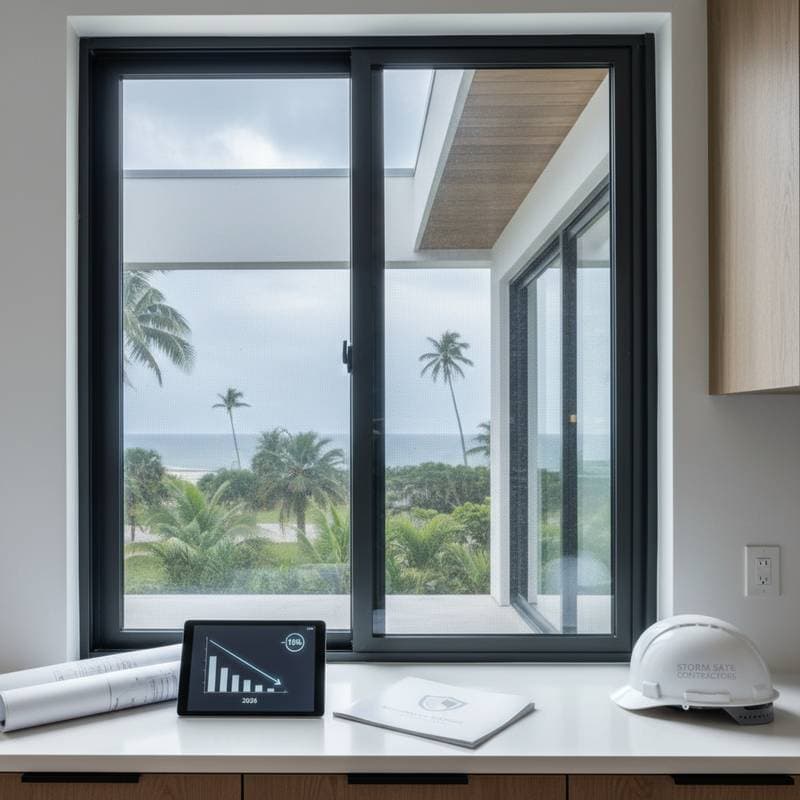
Market trends indicate a 15% cost reduction for 2026, driven by manufacturing efficiencies, greater material availability, and competitive supplier dynamics. Such changes make these protective upgrades more accessible without compromising quality or performance.
Understanding Hurricane-Proof Windows and Ideal Applications
Hurricane-proof windows, known also as impact windows, feature laminated glass with a transparent interlayer that holds fragments together upon debris impact. Frames receive reinforcement from materials such as aluminum, vinyl, or steel to maintain stability under extreme forces. These windows fulfill requirements in numerous coastal jurisdictions and serve as valuable enhancements in locations susceptible to tropical storms or high winds. Additional benefits include diminished external noise and enhanced energy conservation.
Consider installing hurricane-proof windows during replacement of deteriorated units, fortification of residences for weather resilience, or efforts to decrease insurance expenses. Regulations mandate them for new builds in coastal zones, and experts recommend them for properties situated within one mile of expansive water bodies.
Advantages, Drawbacks, and Optimal Use Cases
Advantages
- Compliance with coastal wind and impact regulations
- Reduction in insurance premiums through verified protection
- Enhanced security measures against unauthorized entry
- Decreased noise infiltration and air leakage
Drawbacks
- Elevated initial investment compared to conventional options
- Necessity of professional installation to satisfy code standards
- Reduced variety in aesthetic designs relative to standard windows
Optimal Use Cases
- Residences in hurricane-vulnerable or high-wind territories
- Aging buildings with compromised structural elements
- Property owners prioritizing enduring safeguards and minimal ongoing care
Detailed Cost Analysis and Influencing Factors
Installed costs for hurricane-proof windows generally span $1,000 to $2,500 per unit, encompassing labor charges. For a complete residence featuring ten to twenty apertures, totals may extend from $10,000 to $40,000. Variations arise from frame composition, glass durability, installation challenges, and geographic location. The anticipated 15% decline in 2026 will adjust these ranges downward, potentially saving thousands on larger projects.
| Scope Item | Material Cost Range | Labor Cost Range | Total Range | Notes on Drivers |
|---|---|---|---|---|
| Single-hung impact window | $400 - $1,000 | $300 - $600 | $700 - $1,600 | Standard replacement dimensions apply |
| Casement or awning style | $500 - $1,200 | $400 - $700 | $900 - $1,900 | Involves intricate hardware mechanisms |
| Large picture window | $800 - $1,800 | $500 - $900 | $1,300 - $2,700 | Demands handling of substantial glass weight |
| Sliding glass door (impact-rated) | $1,200 - $2,500 | $800 - $1,200 | $2,000 - $3,700 | May require additional structural supports |
Primary Cost Influences
- Material Specifications: Thicknesses of 0.060 inch or 0.090 inch in laminated glass determine pricing and capacity to withstand wind loads.
- Labor Demands: Projects on upper levels or those involving bespoke frames extend required time and effort.
- Access Considerations: Confined areas, stucco surfaces, or expansive openings increase expenses through complex removal and sealing processes.
Regional factors, such as supply chain proximity in Florida or Texas, further modulate prices, with the 2026 drop expected to equalize disparities across markets.
Comprehensive Installation Procedure
Professional installation ensures adherence to safety protocols, including protective gear like gloves, eye shields, and long sleeves during glass and sealant handling.
- Remove existing units with precision to prevent harm to surrounding frames or wall surfaces.
- Examine the aperture for signs of decay, fractures, or misalignment in the structural framework.
- Position the new frame using corrosion-resistant screws secured directly into load-bearing elements.
- Apply a uniform layer of silicone or polyurethane caulk along the entire perimeter for sealing.
- Assemble the sash and glass according to manufacturer guidelines, verifying uniform gaps and fluid movement.
- Conduct a manual load assessment by testing locks and inspecting for any irregularities.
- Complete the setup with trim application, followed by painting or additional caulking to achieve full weather resistance.
Experienced teams typically complete ten windows within one to three days, contingent on property scale and accessibility. Personal installation efforts might span multiple weekends and carry risks of moisture intrusion or invalidated guarantees if codes remain unmet.
Regulatory Compliance, Permits, Safety Measures, and Warranties
Local building permits prove essential for hurricane-proof window projects. Inspectors evaluate impact certifications, fastening techniques, and sealant selections. Units must conform to ASTM E1886 and E1996 criteria for debris resistance and wind pressure cycles.
Electrical precautions apply if relocating outdoor lights or sensors; disconnect power sources prior to disturbing adjacent components. Confirm that anchors integrate with robust framing rather than superficial sheathing to avert collapse in gale conditions.
Manufacturers provide coverage spanning ten to twenty years for glass and frames, contingent upon execution by accredited installers employing specified materials and components.
Common Pitfalls to Sidestep
- Neglecting permit reviews, which may invalidate subsequent insurance reimbursements.
- Opting for ordinary caulk over storm-rated variants.
- Retaining outdated screws prone to deterioration or failure.
- Selecting inadequate glass thickness for designated wind zones.
- Overlooking precise frame leveling, resulting in infiltration of air or water.
Upkeep Schedule and Expected Durability
Well-maintained impact windows endure 20 to 25 years. Prevent salt accumulation, perform yearly seal inspections, and apply lubrication to locks and hinges biannually.
Recommended Upkeep Intervals
- Post-Installation: Re-evaluate sealant integrity following the initial significant rainfall.
- Seasonal: Clean glass surfaces and clear weep holes of obstructions.
- Yearly: Assess frame fastenings and interior trim for shifts or wear.
- Replacement Indicators: Fogging or interlayer separation signals the need for renewal.
Guidelines for Professional Versus Personal Installation
Apply the DIY Evaluation Framework to inform your choice.
| Factor | DIY Suitability |
|---|---|
| Skill Alignment | Proficiency in framing, sealing, and measurements accurate to 1/16 inch essential |
| Safety Concerns | Moderate hazards from heavy glass handling and potential cutting errors |
| Equipment Needs | Drill, impact driver, level, pry bar, and suction devices required |
| Regulatory Demands | Elevated; permits and inspections mandatory in most jurisdictions |
Should any element present challenges, engage a certified impact window specialist. Errors may precipitate leaks, inspection failures, or rejected claims.
Contractor Comparison Overview
| Line Item | Specification or Scope | Contractor A | Contractor B | Contractor C | Variance Notes |
|---|---|---|---|---|---|
| Window Certification | ASTM E1996 / E1886 | Included | Included | Included | Alignment with local wind zone mandatory |
| Frame Material | Aluminum | Vinyl | Aluminum | Minor adjustments from material density | |
| Sealing Materials | Premium silicone | Polyurethane | Polyurethane | Differences in durability and expense | |
| Coverage and Approvals | 20-year / Included | 15-year / Excluded | 20-year / Included | Confirm scope and regulatory acceptance |
Routine Issue Resolution
Leaks during intense precipitation often stem from clogged weep holes or compromised caulk; clear blockages and reapply as needed. Glass vibration indicates loose fasteners or displaced glazing; tighten components promptly. Internal condensation points to failed seals, warranting manufacturer intervention. Air currents typically arise from insufficient frame insulation, addressable with low-expansion foam injections.
Securing Your Home's Future with Smart Investments
Embracing hurricane-proof windows in 2026 offers not only immediate cost savings through the 15% market decline but also long-term security and financial benefits. By selecting appropriate materials, following precise installation steps, and committing to regular maintenance, homeowners fortify their properties against nature's fiercest challenges. Consult local experts to tailor a plan that aligns with your budget and regional needs, ensuring peace of mind for years ahead.