Essential 2026 Upgrades for Wildfire-Proof Homes
Homeowners in wildfire-prone areas prioritize modifications that shield buildings from ember penetration, intense radiant heat, and direct flame exposure. These enhancements aim to delay ignition, preserve defensible space, and comply with updated fire-resistance regulations. This guide details effective upgrades, emphasizing safety, affordability, and enduring performance.
The three-tier defense system forms the foundation of comprehensive protection. Tier one focuses on the structure itself, including roofs, vents, siding, and windows. Tier two addresses attached elements like decks and fences. Tier three encompasses the immediate perimeter to eliminate fuel sources. Together, these layers create a robust barrier against wildfire threats.
Benefits, Drawbacks, and Ideal Applications
Investing in fire-resistant features involves initial expenses, yet yields savings on insurance, reconstruction, and potential losses.
Benefits
- Reduced likelihood of ignition from embers or heat
- Increased eligibility for favorable insurance rates
- Extended durability of building materials
- Compliance with wildland-urban interface (WUI) codes
Drawbacks
- Elevated costs for specialized materials and installation
- Potential delays from permitting processes
- Challenges in sourcing materials in remote locations
Ideal Applications
Properties situated within one mile of wildland vegetation benefit most from these upgrades. Structures on sloped terrain or those with restricted access routes also gain significant protection. Apply this approach to both new builds and existing homes in evolving fire-prone regions.
Step-by-Step Hardening Process
Before beginning work, gather personal protective equipment such as gloves, eye protection, an N95 mask, and hearing protection. Proceed methodically to ensure thorough coverage.
Tier One: Structural Defenses
-
Roof Replacement
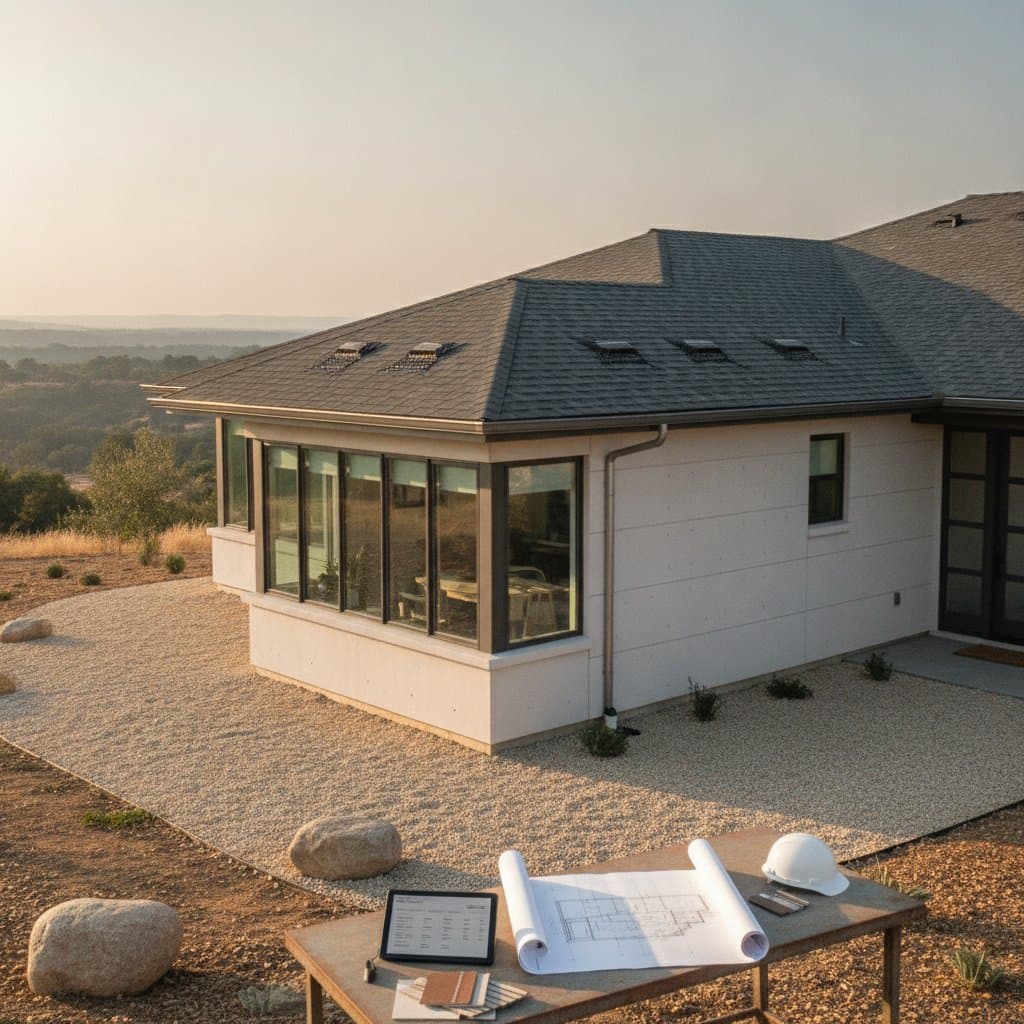
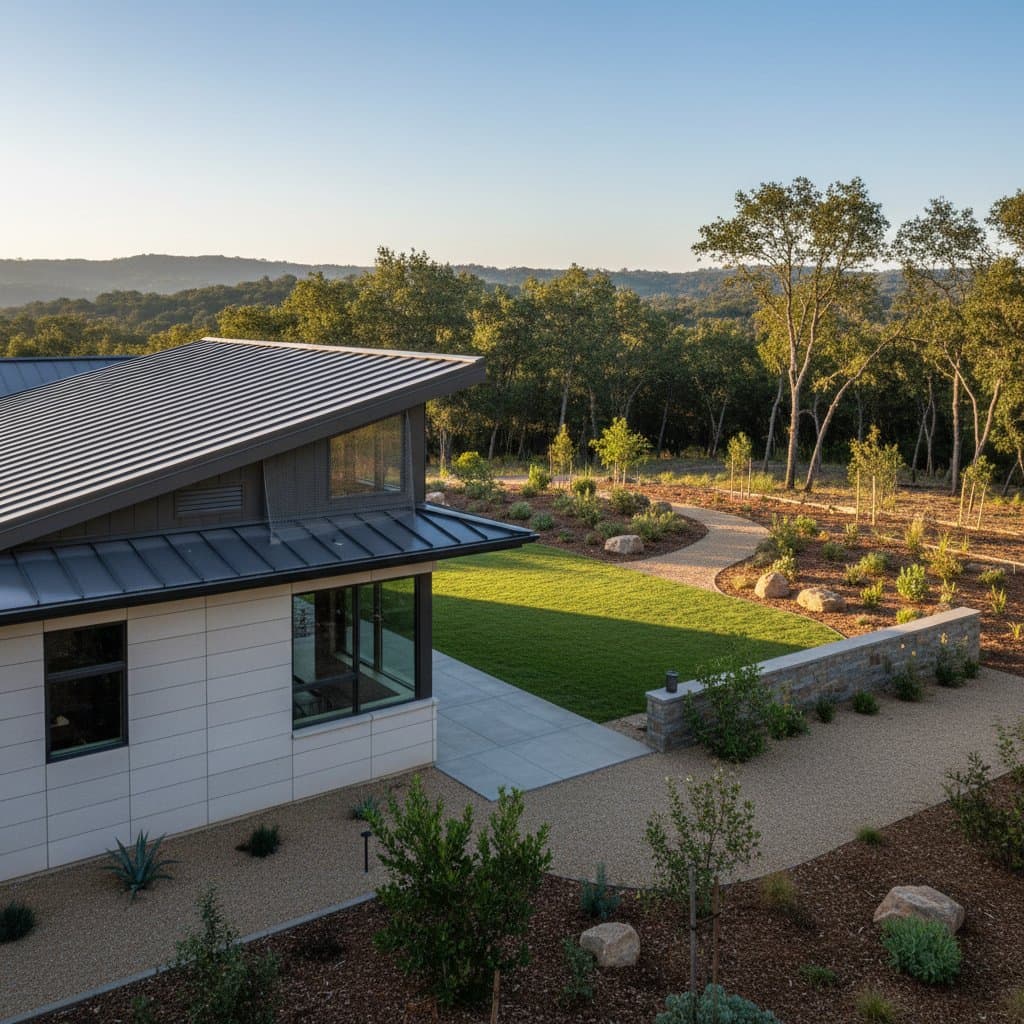
Select and install a Class A fire-rated roof using metal panels, composite shingles, or clay tiles. Begin by removing all combustible materials. Incorporate metal drip edges and sealed flashing around penetrations. Install 1/8-inch metal mesh screening at eaves and soffits to prevent ember intrusion. -
Vent Upgrades
Swap out conventional vents for models certified under ASTM E2886 for ember resistance. Examine attics, crawl spaces, and subfloors for any openings exceeding 1/8 inch. Close these gaps using fire-rated caulk or metal flashing tape. -
Siding Replacement
Eliminate wood or vinyl siding, which burns readily. Opt for fiber cement boards, stucco finishes, or metal panels backed by a 1-inch air space for heat dissipation. Secure joints with noncombustible trim and sealants to block ember entry. -
Window and Door Protection
Install tempered, dual-pane glass in frames made of metal or fiberglass. Affix metal mesh screens to windows and doors to deflect radiant heat. Apply fire-rated sealant around all perimeters to maintain integrity during exposure.
Tier Two: Attached Features
- Deck and Fence Modifications
Replace wooden decking with concrete pavers, stone tiles, or metal grating to eliminate ignition points. Position decks at least 10 feet from any vegetation. Install metal fencing or railings within 5 feet of the house to avoid flame spread.
Tier Three: Perimeter Management
- Zone Clearance and Treatment
Clear all mulch, wood stacks, and dense shrubs from the 5-foot zone adjacent to the home. Substitute with nonflammable options like gravel, decomposed granite, or exposed soil. Ensure site grading directs water away from foundations to prevent moisture-related vulnerabilities.
Professional teams complete full hardening in two to four weeks. Homeowners tackling projects in stages may require several weekends, allowing time for curing and inspections.
Common Pitfalls to Sidestep
Overlooked details often undermine even the most thorough plans. Wood-based mulch in close proximity ignites rapidly from drifting embers. Unsealed gaps beneath eaves or decks allow embers to accumulate and ignite hidden areas.
Vent screens with mesh openings larger than 1/8 inch permit ember passage. Accumulated debris in gutters serves as quick fuel for spot fires. Single-pane windows shatter under thermal stress, exposing interiors.
Commit to complete implementation rather than isolated changes. One vulnerable component can trigger failure across the system.
Professional Versus DIY Guidelines
Apply the DIY Gate framework to evaluate suitability.
Skill Assessment
Roofing tasks, vent installations, and minor siding adjustments suit experienced individuals with carpentry backgrounds.
Safety Considerations
Heights, electrical connections, and major deck reconstructions demand certified professionals to mitigate hazards.
Equipment Needs
Absence of specialized tools like scaffolding, power shears, or fire-rated sealants signals the need for expert assistance.
Engage contractors for projects requiring permits, those involving prior fire damage, or installations needing certification for insurance benefits.
Professional retrofits range from $40,000 to $90,000 based on home size and scope. A staged DIY effort might halve costs but extends timelines and heightens risks from improper assembly.
Quick Comparison Table
| Line Item | Specification or Scope | Contractor A | Contractor B | Contractor C | Variance Notes |
|---|---|---|---|---|---|
| Roof system | Class A metal, 2,000 sq. ft. | $28,000 | $31,500 | $26,800 | Access and pitch differences |
| Siding | Fiber cement lap, 1,800 sq. ft. | $22,000 | $24,200 | $19,900 | Paint quality and trim details |
| Windows | 14 tempered dual-pane | $16,300 | $18,400 | $17,900 | Frame type and lead time |
| Deck surface | Noncombustible replacement | $11,200 | $12,100 | $10,400 | Framing reuse option |
| Perimeter zone | Gravel and grading | $6,000 | $7,500 | $6,200 | Equipment access |
Compare bids item by item using this format. Insist on written specifications for materials and warranties.
Preparation Checklist
| Task | Details |
|---|---|
| Tools required | Circular saw, drill, caulk gun, utility knife, safety harness, ladder |
| Skills required | Basic carpentry, precise sealing, secure fastener placement |
| Safety gear | Gloves, eye protection, respirator, ear protection |
| Permits needed | Roofing, siding, windows, deck modifications |
| Prep tasks | Remove vegetation, eliminate combustibles, organize materials |
| Constraints | Steer clear of windy conditions; ensure dry surfaces for adhesives |
Maintain a tidy work area throughout. Scattered debris poses additional fire risks in arid environments.
Implementing Your Defense Strategy
Initiate the process with a professional assessment from a certified wildfire mitigation specialist. This evaluation pinpoints weak points and establishes a sequenced action plan. Prioritize structural elements like roofs and vents, followed by exterior features and landscaping adjustments.
Record all modifications through photographs, invoices, and permit documentation. Such records support insurance adjustments and enhance property marketability.
Integrated tiers amplify effectiveness; a fortified roof proves insufficient if vents admit embers or perimeter fuels ignite nearby. Conduct yearly inspections to sustain performance.
Undertake these preparations ahead of peak fire seasons. Incremental actions, such as sealing vents or creating clearance zones, deliver tangible risk reduction. This approach fosters resilience, safeguards assets, and secures tranquility amid intensifying wildfire patterns.