Building a Flood-Resistant Garage by 2026
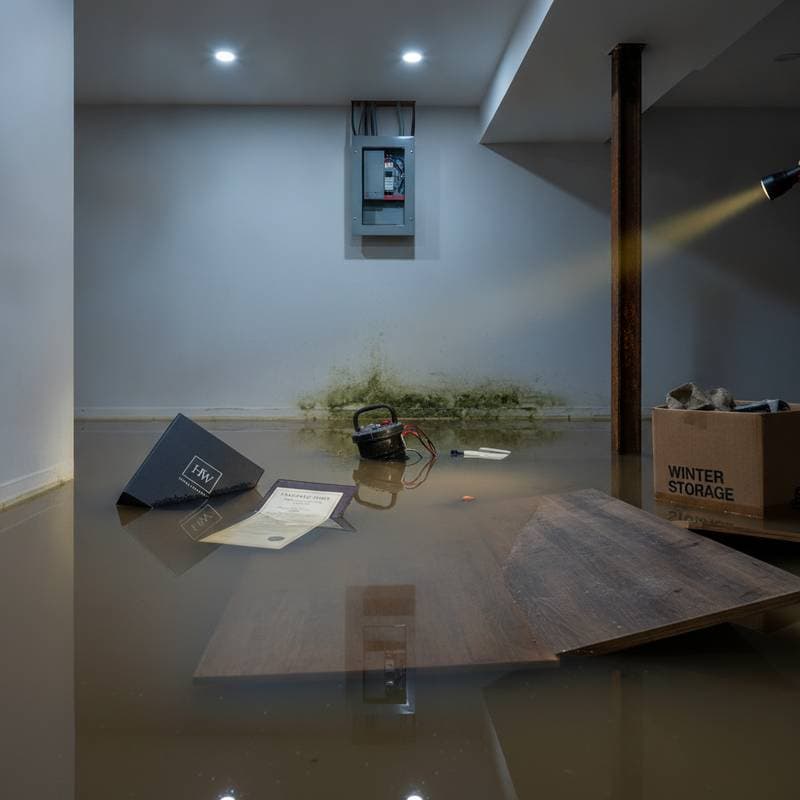
Flood events occur more frequently in regions previously unaffected, and garages often suffer the initial impact. Water intrusion damages vehicles, tools, and household goods while potentially lowering property values. Homeowners can implement floodproofing measures to create a secure, dry environment that complies with building codes and withstands severe weather.
Effective strategies include sealing against water entry or designing spaces to accommodate it. These approaches protect investments and provide peace of mind. Local regulations evolve, so planning ahead ensures compliance and long-term durability.
Selecting the Right Floodproofing Approach
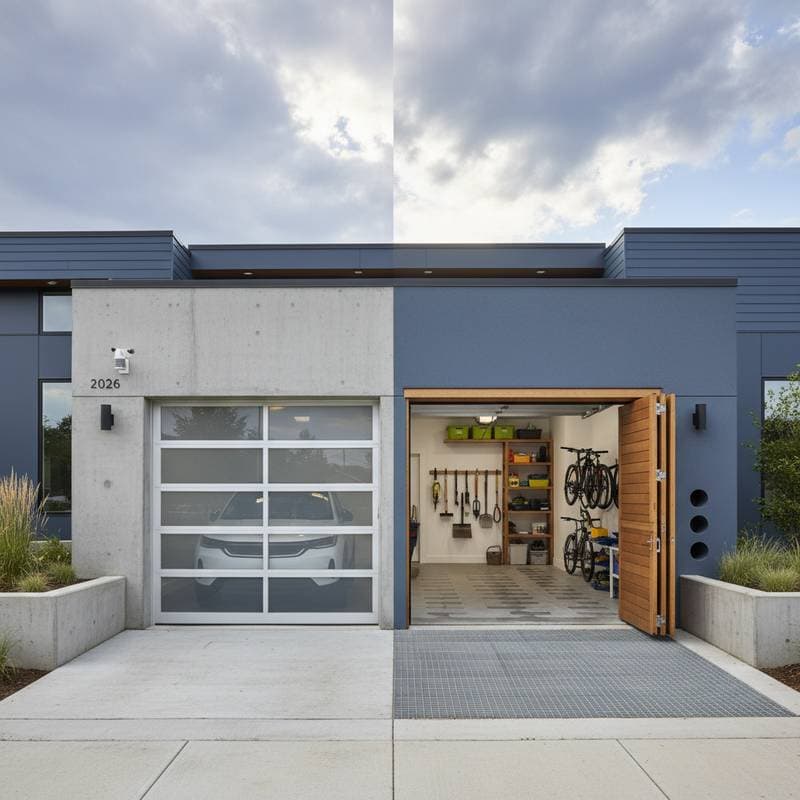
Choose floodproofing based on garage location, flood risk, and structural features. Dry floodproofing seals the space to keep water out entirely. This method suits attached garages on elevated slabs with low flood depths, such as those facing occasional runoff from streets.
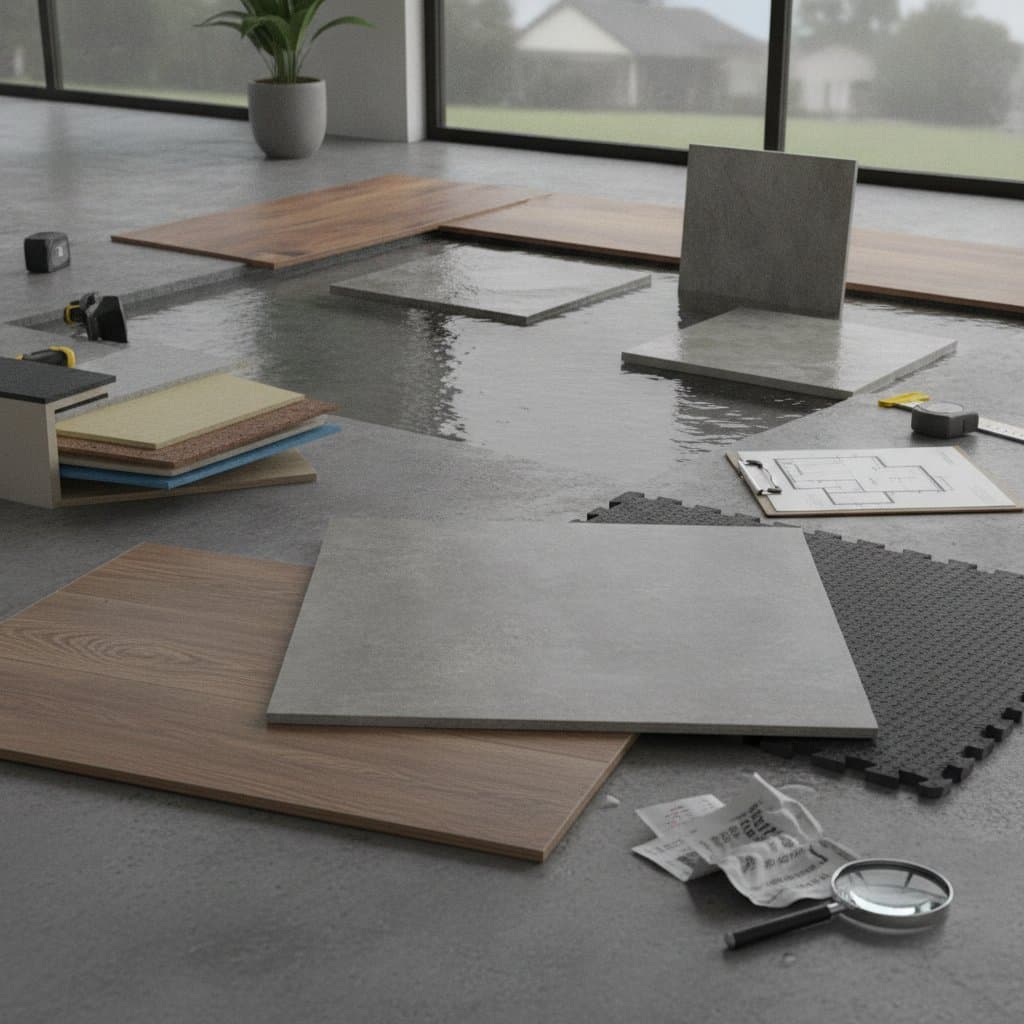
Wet floodproofing allows water to enter while minimizing damage. It works well for detached garages in low-lying areas where high water pressure or prolonged flooding prevents effective sealing. Interior surfaces receive water-resistant treatments, and utilities elevate above expected flood levels.
Hybrid systems combine elements of both for versatile protection. Barriers handle routine floods, while tolerant materials manage overflows. Consult site-specific flood maps from local authorities to determine the optimal method.
Detailed Cost Analysis
Budgeting requires understanding material and labor expenses, which vary by project scale and site conditions. High-quality materials enhance longevity, but complex installations increase labor costs. Site factors like soil type or access restrictions can elevate totals by 40 percent.
| Scope Item | Material Cost Range | Labor Cost Range | Total Cost Range | Key Cost Drivers |
|---|---|---|---|---|
| Flood Barrier Door Retrofit | $1,200 to $2,800 | $600 to $1,200 | $1,800 to $4,000 | Door size, material type, sealing mechanism |
| Perimeter Drain with Sump Pump | $800 to $1,500 | $1,000 to $2,000 | $1,800 to $3,500 | Trench depth, soil conditions, discharge location |
| Wall Waterproof Coating | $200 to $500 | $300 to $800 | $500 to $1,300 | Surface preparation, coating quality |
| Floor Sealing and Joint Repair | $150 to $400 | $250 to $600 | $400 to $1,000 | Extent of cracks, moisture levels |
| Elevated Storage and Shelving | $200 to $600 | $0 to $400 | $200 to $1,000 | Material durability, installation complexity |
Obtain multiple quotes to identify savings. Factor in potential incentives from flood mitigation programs offered by insurance providers or government agencies.
Navigating Safety, Permits, and Building Codes
Structural modifications demand permits to ensure safety and regulatory adherence. Municipalities enforce floodplain rules that dictate elevations for drains, outlets, and electrical components. Contact the local building department early to review plans and avoid delays.
Incorporate ground-fault circuit interrupter outlets within six feet of any floor or drain area. Sump pumps require dedicated, protected circuits to prevent failures during power surges. For garages adjacent to living areas, install vapor barriers and door seals that satisfy both fire safety and flood resistance standards.
Professional installation reduces risks associated with electrical or drainage work. Verify contractor certifications in floodproofing to guarantee reliable outcomes.
Establishing a Maintenance Routine
Regular upkeep extends the lifespan of floodproofing systems and prevents minor issues from escalating. Perform initial inspections after the first significant rainfall to check seals, drains, and hardware for integrity.
Seasonally, clear debris from drains and test sump pumps before peak storm periods. Replace deteriorated gaskets or recoat cracked surfaces as needed to maintain barriers.
Annually, reseal concrete elements every two years and examine wall bases for signs of efflorescence or mold growth. Store flood barriers in a dry location and lubricate moving parts for smooth operation.
Components have defined lifespans: waterproof coatings endure 8 to 10 years, gaskets 5 to 7 years, and sump pumps 5 years before requiring overhaul or replacement. Schedule professional assessments every three years for comprehensive evaluations.
Comparing Contractor Proposals
Evaluating bids ensures value without compromising quality. Focus on detailed scopes rather than headline prices to avoid surprises.
| Line Item | Specifications | Contractor A | Contractor B | Contractor C | Variance Explanation |
|---|---|---|---|---|---|
| Barrier Door Installation | Flood-rated aluminum panel | $3,200 | $3,600 | $2,950 | Differences in door dimensions |
| Drain and Sump System | 1.5-inch PVC discharge line | $2,800 | $3,000 | $2,400 | Variations in labor for trenching |
| Interior Coating | Two-part epoxy, 15 mils thick | $1,100 | $1,400 | $1,250 | Surface preparation expenses |
Request inclusions for cleanup, testing, and warranties. Select contractors with proven experience in local flood conditions.
Floodproofing Readiness Checklist
- Assess your garage's flood risk using local floodplain maps and historical data.
- Measure current elevations for floors, utilities, and entry points against projected flood levels by 2026.
- Gather permit requirements and consult building officials for approved methods.
- Secure at least three detailed bids from licensed contractors specializing in flood mitigation.
- Plan for elevated storage solutions to protect valuables during potential water events.
- Schedule initial maintenance post-installation and integrate into your home upkeep calendar.
- Review insurance policies for flood coverage enhancements tied to these improvements.
Implementing Your Floodproofing Plan
Start by documenting your garage's vulnerabilities through a professional assessment. Prioritize high-impact measures like barriers and drainage to address immediate threats. Track progress against timelines to meet 2026 readiness goals.
These investments not only shield against water damage but also boost resale value and insurance eligibility. Homeowners who prepare proactively enjoy greater resilience in an era of unpredictable weather patterns.