2026 Costs to Fireproof Your Home and Save Big
Quick Take
- Budget $1,500 to $25,000 based on home size, selected materials, and scope of upgrades.
- Prioritize the roof, vents, siding, and defensible space for maximum impact.
- Tackle minor preparations through do-it-yourself methods, yet engage professionals for comprehensive retrofits or compliance with building codes.
- These investments yield returns through improved safety, reduced insurance costs, and elevated property value.
What It Is
Fireproofing your home involves incorporating fire-resistant materials and strategic designs to minimize the risk of ignition from wildfires or adjacent structure fires. This approach safeguards the building, impedes fire progression, and provides emergency responders with additional time to intervene. Projects often encompass roof replacements, vent screenings, siding enhancements, and landscaping modifications that establish defensible space around the property.
Pros and Cons
Pros
- Reduces vulnerability to embers and radiant heat exposure.
- Often qualifies for insurance premium reductions.
- Enhances market value in areas susceptible to wildfires.
- Increases overall durability and decreases routine upkeep needs.
Cons
- Demands significant initial investment for complete overhauls.
- Certain materials may alter the home exterior appearance.
- Necessitates obtaining permits or undergoing inspections in many locations.
- Limits do-it-yourself opportunities for tasks involving structural elements.
When to Use It or When It Fails
Use fireproofing when:
- Your residence sits in a wildfire-prone or high-wind area.
- The existing roof or siding approaches the end of its service life.
- You undertake substantial renovations aligned with evolving building standards.
It can fail when:
- Vent protections remain unaddressed or gaps persist near roof eaves.
- Overgrown landscaping or accumulated debris borders the structure.
- Materials lack proper installation clearances or adequate flashing.
Step-by-Step: Basic Fireproofing for Home Exteriors
Tools and Materials
- Metal mesh vent screens featuring 1/8-inch openings
- Class A fire-rated shingles or metal roofing panels
- Fiber-cement or stucco siding options
- Fire-resistant caulk and metal flashing components
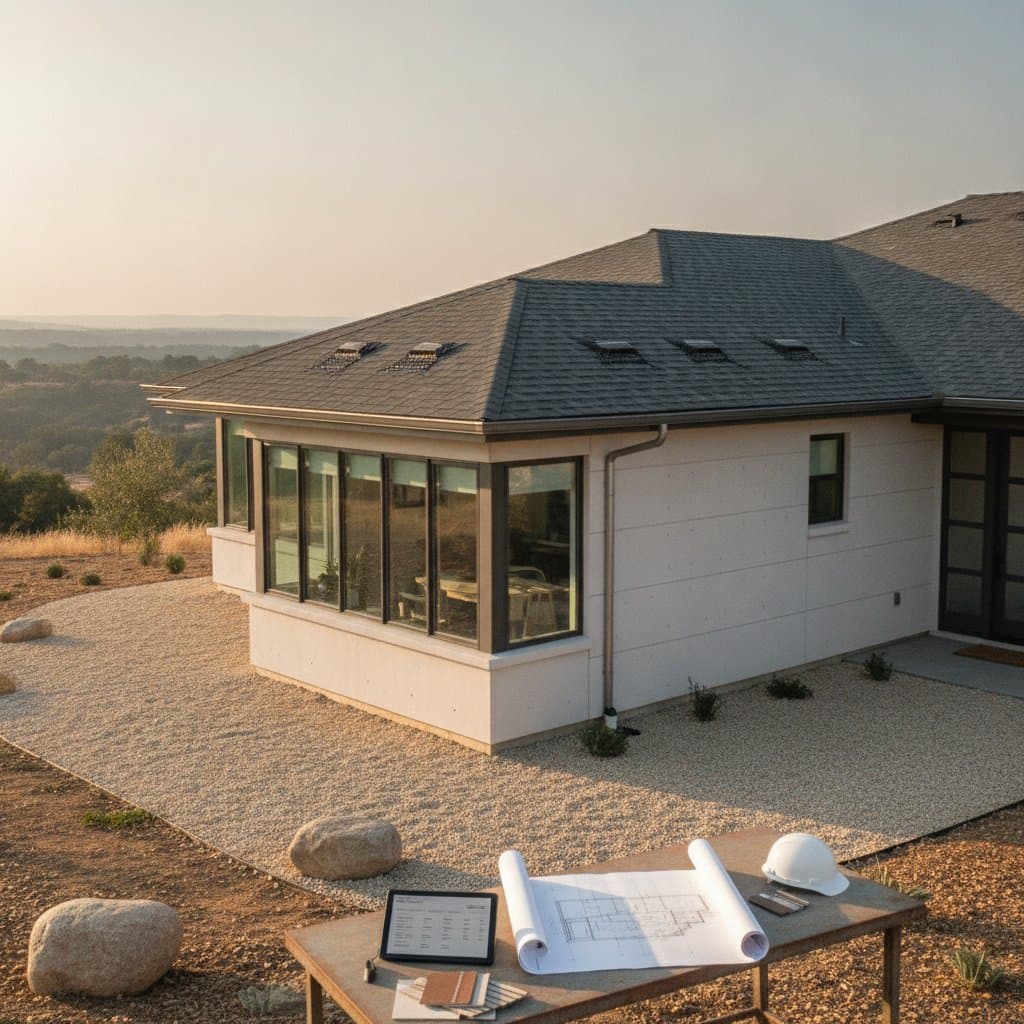
- Gravel or decomposed granite for perimeter ground cover
- Ladder, power drill, tin snips, work gloves, and safety glasses
Time: One weekend suffices for modest upgrades; full retrofits may span several weeks.
Difficulty: Ranges from moderate for simple tasks to high for complex installations.
1. Inspect and Plan
Circumambulate the property to identify combustible wood siding, unsecured vents, and vulnerable roof edges prone to ember entry. Examine accumulations in gutters and vegetation proximity to exterior walls. Document findings to guide material purchases and task prioritization.
2. Clear the Zone
Eliminate leaves, branches, and organic mulch within a five-foot radius of the foundation. Substitute bark mulch with inorganic gravel or stone surfaces. Maintain grass at a height under four inches and ensure consistent irrigation during dry periods.
3. Upgrade the Roof
Substitute wood shake or standard asphalt coverings with metal sheets, clay tiles, or Class A-rated shingles. Affix metal flashing along ridges, edges, and valleys to block ember intrusion. Apply fire-resistant caulk to seal every penetration and joint.
4. Screen Vents and Eaves
Measure and trim metal mesh to fit over attic, soffit, and crawlspace vents. Secure with rust-resistant screws or staples while preserving sufficient airflow to avoid condensation issues. Verify screens withstand wind loads without dislodging.
5. Replace or Treat Siding
For wood clapboard exteriors, opt for fiber-cement boards, stucco finishes, or brick veneer applications. As a budget-friendly alternative, coat existing wood with manufacturer-approved fire-retardant sprays, adhering strictly to reapplication schedules for sustained efficacy.
6. Seal Gaps and Windows
Apply fire-rated caulk along window frames, door thresholds, and wall intersections to eliminate draft paths. Upgrade standard vinyl windows to tempered glass units or aluminum-framed models with fire-resistant glazing where feasible.
7. Build Defensible Space
Establish three graduated zones:
- Zone 1 (0–5 feet): Employ exclusively noncombustible surfaces like concrete or rock.
- Zone 2 (5–30 feet): Prune tree canopies, separate shrubs by at least twice their mature height, and select low-growing plant varieties.
- Zone 3 (30–100 feet): Clear fallen branches and thin overcrowded tree stands to reduce fuel continuity.
8. Inspect and Test
Confirm all seals remain intact, screens fit securely, and material overlaps prevent exposure. Simulate ember exposure by directing a garden hose to identify hidden gaps or water infiltration points. Address deficiencies immediately.
9. Clean Up and Dispose
Gather debris in reinforced plastic bags suitable for hazardous waste. Transport treated remnants to designated recycling or disposal facilities compliant with local regulations. Refrain from incinerating any fire-retardant infused materials.
Costs
Typical range: $1,500 to $25,000 for a standard single-family residence.
Low end ($1,500–$4,000):
- Encompasses vent screenings, caulking applications, and basic siding treatments.
- Relies on do-it-yourself labor or assistance from general handymen, with few permitting requirements.
Mid-range ($5,000–$12,000):
- Covers partial roof overhauls, gutter installations, and siding enhancements.
- Incorporates professional workmanship alongside balanced material expenditures in moderate-risk areas.
High end ($15,000–$25,000):
- Involves complete roof and siding renewals using premium Class A components.
- Extends to window replacements, noncombustible deck constructions, and extensive landscaping transformations.
Price factors:
- Roof slope steepness, total square footage, and current deterioration level.
- Choices between metal, composite, or synthetic material variants.
- Variations in regional contractor wages and supply chain logistics.
- Expenses for permits, code inspections, and engineering consultations.
- Site-specific challenges like sloped terrain or limited equipment access.
When replacement beats repair:
Opt for full replacement if the roof or siding nears obsolescence; this strategy minimizes future repair cycles, aligns with stringent codes, and optimizes insurance eligibility.
DIY vs Pro
Safe for DIY if:
- You possess competence in fundamental carpentry and safe ladder usage.
- Efforts confine to sealing crevices, gutter clearing, or mesh installations.
- Municipal regulations exempt these activities from mandatory permitting.
Hire a pro when:
- Projects demand roof or siding overhauls.
- Modifications impact load-bearing frames or soffit assemblies.
- Utilities such as electrical conduits or gas lines intersect affected zones.
- Jurisdictional codes mandate certified materials or third-party verifications.
What a pro does differently:
- Validates Class A certifications and adheres to precise assembly protocols.
- Employs code-approved flashing systems and sealant formulations for fire zones.
- Manages permitting processes and generates compliance certifications.
- Delivers labor guarantees and material warranties for extended assurance.
Maintenance or Prevention
Frequency: Conduct thorough inspections and cleanings biannually, timing them before fire seasons commence and after they conclude.
Tasks:
- Sweep pine needles, leaves, and sediment from roof surfaces and gutter channels.
- Shear overhanging limbs to maintain a minimum ten-foot clearance from the roofline.
- Renew fire-retardant applications per product specifications to preserve protective layers.
- Examine vent screens and perimeter seals for integrity and repair as necessary.
Outcome: Establishes a fortified building envelope resistant to ember penetration and superficial flame attachment.
Alternatives
1. Fire-Resistant Coatings
Suitable for preserving wood siding or deck surfaces pending full replacement. These formulations create a chemical shield that delays combustion onset. Periodic reapplication ensures ongoing performance without structural alterations.
2. Noncombustible Cladding
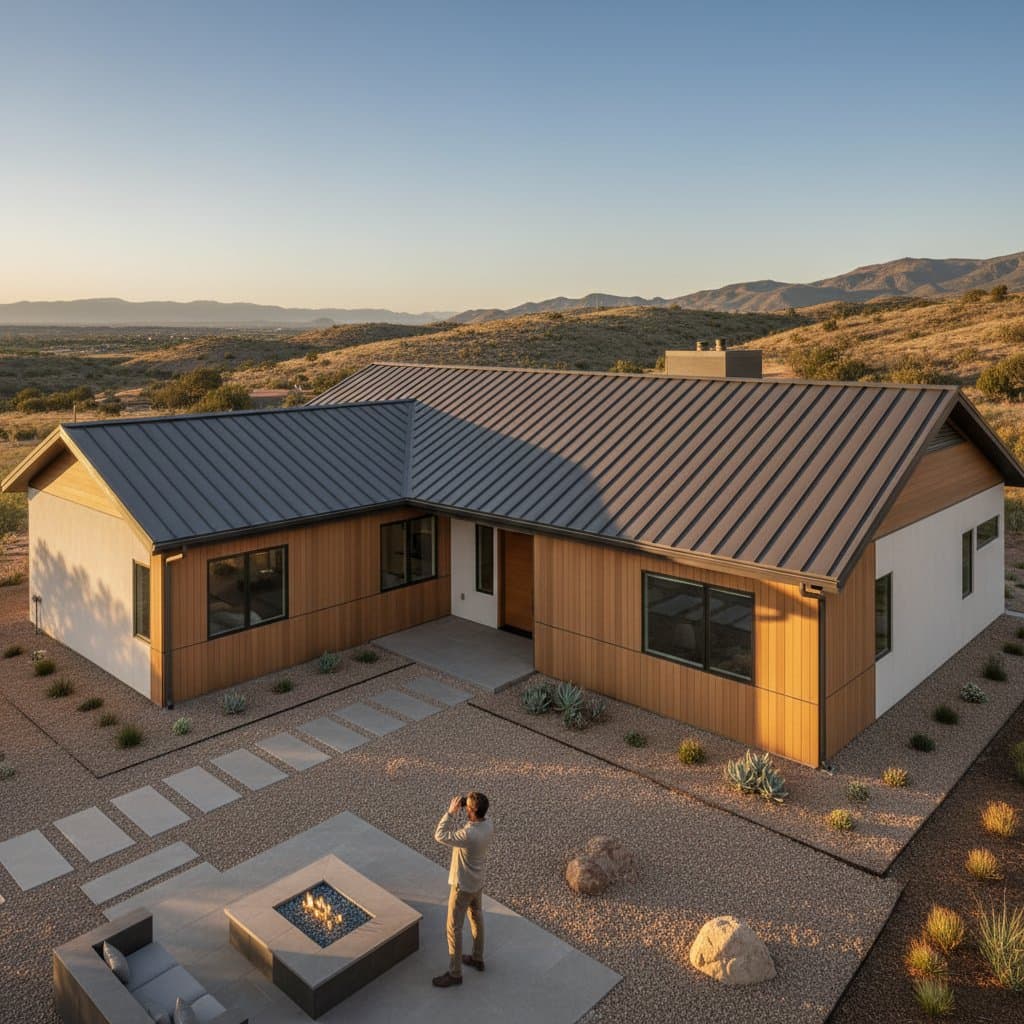
Options include metal siding panels, brick veneer systems, or fiber-cement planks. These prove ideal for comprehensive remodels or ground-up constructions. Although initial costs exceed alternatives, they offer superior longevity and minimal upkeep.
3. Fire-Resistant Roofing Membranes
Synthetic underlayments shield the roof deck beneath traditional shingles or tiles. This method suits re-roofing projects where aesthetic continuity remains a priority. Integration provides concealed reinforcement against ember damage.
Each alternative adapts to distinct budgets and visual preferences. Layer multiple approaches to achieve comprehensive defense.
FAQs
How much defensible space do I need?
Maintain a minimum 30-foot buffer from the structure. Expand to 100 feet in sloped terrains or densely forested environments to mitigate fire ladder effects.
Will insurance cover fireproofing costs?
Coverage for upgrades remains rare, though numerous providers grant premium credits post-installation. Request a professional mitigation evaluation to substantiate claims.
Can I use treated wood for decks?
Affirmative, provided the lumber carries ignition-resistant ratings and complies with regional standards. Incorporate adequate board spacing to facilitate airflow and reduce heat buildup.
Does metal roofing attract lightning?
Negative; metal surfaces neither draw strikes nor amplify risks. Proper grounding enables safe dissipation of electrical charges across the system.
What is the best vent mesh size?
Select 1/8-inch mesh apertures to balance ember exclusion with ventilation needs. Finer weaves risk airflow obstruction and subsequent moisture accumulation.
Is stucco fully fireproof?
No substance achieves absolute fireproofing, yet stucco excels in resistance when layered over noncombustible substrates like metal lath.
Checklist: Fireproof Your Home This Season
- Clear gutters and roof valleys of debris.
- Convert mulch to gravel within five feet of exterior walls.
- Affix metal screens to all vents.
- Caulk wall penetrations with fire-rated compounds.
- Prune tree branches from roof proximity.
- Transition to Class A roofing upon renewal.
- Relocate firewood storage beyond 30 feet.
- Evaluate siding and refresh protective coatings.
- Examine insurance for comprehensive wildfire provisions.
- Arrange a professional wildfire hazard assessment.
Making It Happen
Initiate with foundational clearing and screening measures, then sequence larger enhancements according to financial capacity. Choose materials attuned to local weather patterns and architectural harmony. Document all modifications meticulously for insurance adjustments and market disclosures. Residents in elevated-risk districts should consult municipal fire services for guidance on audits, subsidies, or collective initiatives.
Fireproofing demands ongoing commitment beyond initial efforts. Integrate resilient selections, diligent care, and vigilant monitoring to diminish threats, secure assets, and foster tranquility amid seasonal fire concerns.